Is Your Atlantic Station Condo Shower Valve Failing? (Common Signs to Watch For)
Your morning shower should be a consistent, comfortable experience. But if you’re living in an Atlantic Station high-rise condo, that sudden blast of cold water or stubborn handle could mean your shower valve is failing. This isn’t just an inconvenience—it’s a warning sign that could lead to bigger problems like water damage behind your walls or scalding hot water when you least expect it. The Best Way to Handle a Gas Line Leak in Smyrna.
High-rise living in Atlanta comes with unique plumbing challenges. The water pressure in buildings like the Atlantic Station towers can fluctuate dramatically, and the mineral content in our local water supply puts extra strain on delicate valve components. If you’re experiencing any of the symptoms below, your shower valve might be on its last legs. Plumbing Decatur.
Let’s diagnose what’s happening behind your shower wall and what you can do about it.
Common Signs of a Failing Shower Valve
Before we dive into the technical details, here are the most common symptoms that indicate your shower valve needs attention:
1. Temperature Fluctuations
You’re enjoying a warm shower when suddenly the water turns icy cold or scalding hot. This “toilet flush effect” happens when your pressure-balance valve can no longer maintain consistent temperature.
2. Handle Resistance or Grinding
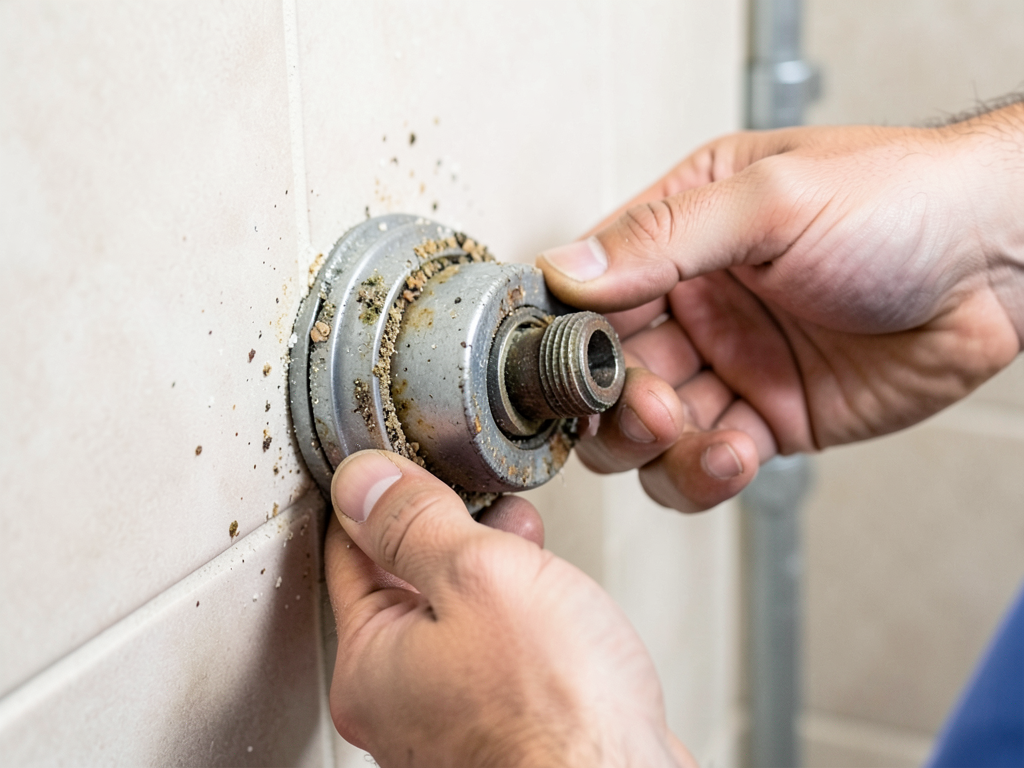
Turning your shower handle feels stiff, gritty, or requires extra force. You might hear grinding noises as mineral deposits interfere with the internal cartridge movement.
3. Persistent Dripping
The shower continues to drip even when fully turned off. This usually indicates worn O-rings or a failing cartridge that can’t create a proper seal.
4. Water Pressure Changes
You notice reduced water pressure specifically in your shower, while other fixtures work fine. This could mean sediment buildup or a failing valve restricting flow.
5. Leaking Behind the Wall
You spot water stains on the wall below your shower or notice moisture around the escutcheon plate. This is serious—it means water is escaping behind your shower wall.
The Anatomy of the Problem: Cartridges, O-Rings, and Seals
Understanding what’s inside your shower valve helps explain why it fails. Most modern Atlantic Station condos use pressure-balance valves with a cartridge system. Here’s what happens inside:. Read more about Why High City Water Pressure is Damaging the Fixtures in Your Oakland City Home.
The cartridge contains several critical components:
- Pressure-balancing spool – Maintains consistent temperature by balancing hot and cold water pressure
- Temperature limit stop – Prevents water from getting too hot and causing burns
- O-rings and seals – Create watertight connections between moving parts
- Springs and seats – Help the valve return to neutral position
When these components wear out, you get the symptoms we discussed. The most common failure point is the cartridge itself. In Atlanta’s hard water conditions, mineral deposits can cause the cartridge to seize or the O-rings to degrade within 5-7 years.. Read more about Why Your Kennesaw Home’s Water Pressure Regulator Might Be Failing.
Why Atlanta’s Water Might Be Killing Your Valve
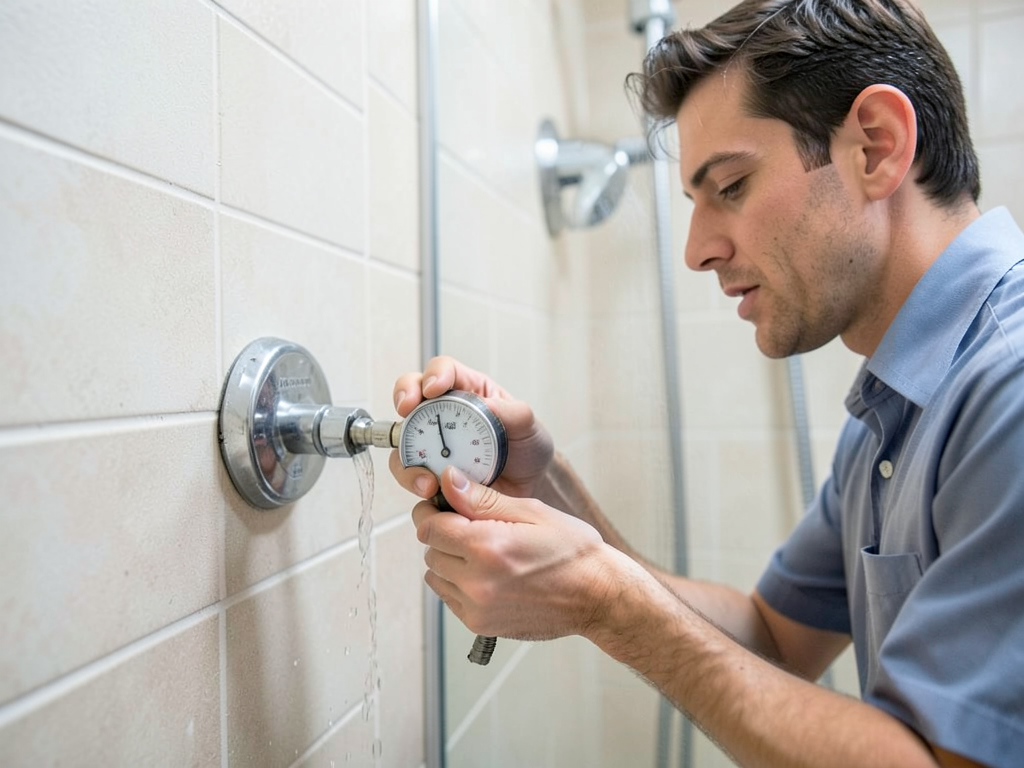
Atlanta’s water supply from the Chattahoochee River carries a higher mineral content than many other regions. The Georgia Environmental Protection Division reports that our local water has moderate to high hardness levels, typically measuring 3.5 to 4.0 grains per gallon. Georgia State Plumbing Code.
This mineral content creates several problems for shower valves:
- Calcium and magnesium buildup – Forms scale inside the valve, restricting movement
- Accelerated O-ring degradation – Minerals break down rubber components faster
- Corrosion of metal parts – Especially in older valves with brass components
Additionally, the high water pressure common in Atlantic Station buildings (often 60-80 PSI) puts extra stress on valve components. The Georgia State Plumbing Code requires pressure-reducing valves for pressures above 80 PSI, but many older buildings haven’t been updated. Plumbing Roswell.
Georgia EPD Water Quality Reports show that sediment levels in our municipal supply can spike after heavy rains, sending additional debris through your plumbing system that can clog valve screens and ports.
DIY Fix vs. Professional Replacement
Should you attempt to fix your shower valve yourself? Here’s a quick assessment to help you decide:
| Symptom | DIY Possibility | Professional Needed |
|---|---|---|
| Minor dripping | Replace cartridge (if you can identify the model) | Hidden leaks or wall damage |
| Handle stiffness | Cartridge cleaning or lubrication | Valve body corrosion |
| Temperature fluctuations | Cartridge replacement (same brand/model) | Cross-flow issues or pressure problems |
| Visible wall leaks | Never – this indicates structural damage | Immediate professional service |
| Low pressure only in shower | Clean shower head first | Valve replacement or repiping |
The biggest risk with DIY shower valve repair is misdiagnosis. Many homeowners replace the cartridge only to find the problem persists because the valve body itself is corroded or there’s a cross-flow issue in the plumbing system. Plumbing Kennesaw.
Estimated Costs for Shower Valve Repair in Atlanta
Understanding the potential costs helps you make an informed decision. Here’s what you might expect to pay for shower valve services in the Atlanta area:
| Service Type | Price Range | Timeline |
|---|---|---|
| Cartridge replacement | $150 – $300 | 1-2 hours |
| Complete valve replacement | $350 – $600 | 2-4 hours |
| Valve body replacement (tile repair) | $600 – $1,200 | 4-8 hours |
| Emergency service call | $100 – $150 additional | Immediate response |
These prices reflect typical rates for licensed plumbers in the Atlanta metro area. Factors that can increase costs include:
- Accessibility of the valve (tile removal may be needed)
- Valve brand and availability of parts
- Building access restrictions in high-rise condos
- Emergency timing (nights, weekends, holidays)
Frequently Asked Questions
How long should a shower valve last in Atlanta?
Under normal conditions, a quality shower valve should last 10-15 years. However, Atlanta’s hard water and high pressure can reduce this to 5-7 years for some valve types.
Can I replace just the cartridge, or do I need a whole new valve?
If the valve body is in good condition and you can identify the exact cartridge model, replacement is often possible. However, if the valve is over 10 years old or showing other signs of wear, complete replacement is usually more cost-effective long-term.
Is a leaking shower valve an emergency?
A minor drip isn’t urgent, but any leak behind the wall or sudden loss of temperature control should be addressed immediately to prevent water damage or scalding injuries.
What causes sudden temperature changes in my shower?
This typically indicates a failing pressure-balance valve that can no longer compensate for pressure changes in your plumbing system. It’s a common issue in multi-unit buildings where water usage fluctuates throughout the day.
Call (770) 610-5522 for Professional Shower Valve Service
Don’t let a failing shower valve ruin your daily routine or cause expensive water damage. If you’re experiencing any of the symptoms we’ve discussed, it’s time to call in the professionals.
Our licensed Atlanta plumbers have extensive experience with the specific challenges of Atlantic Station condos and other high-rise buildings throughout the metro area. We carry the most common cartridge types in our service vehicles and can often complete repairs the same day.
Call (770) 610-5522 today to schedule your inspection. We’ll diagnose the problem accurately and provide you with clear options for repair or replacement. Don’t wait until that small leak becomes a major renovation project.
Pick up the phone and call (770) 610-5522 before the next storm hits. Our team is standing by to help you get your shower working properly again.
Remember: A properly functioning shower valve isn’t just about comfort—it’s about protecting your home from water damage and ensuring safe water temperatures for your family.
Call (770) 610-5522 now for fast, reliable service from Atlanta’s trusted plumbing professionals.
You may also find this helpful. Why Your West End Home Makes Loud Banging Noises When You Turn Off the Water.