




Menu

Plumbing Repair Cost Guide 2026 in Atlanta – Know Before You Pay

Get transparent plumbing repair pricing 2026 for Atlanta homes and businesses, with real-world cost factors, typical service rates, and what actually drives your final bill.

Slider Image 1
Slider Image 2
Slider Image 3
Slider Image 4
Slider Image 5
Slider Image 7
Slider Image 8
Slider Image 9
Slider Image 10
Slider Image 11

Why Plumbing Repair Costs Vary So Much Across Metro Atlanta

You call three plumbers in Atlanta and get three wildly different quotes for the same leak. One charges a flat trip fee. Another quotes by the hour. The third gives you a price that seems too good to be true.

Atlanta's plumbing market runs the full spectrum because the work itself varies dramatically. A slab leak under a Buckhead ranch home built in the 1960s requires completely different tools and labor than a burst PEX line in a new Alpharetta subdivision. The 2026 plumbing repair price list reflects these differences.

The age of your home matters. Homes in Historic Inman Park often have outdated galvanized piping that complicates even simple repairs. Newer construction in East Cobb uses modern materials that speed up service but require different expertise. How much do plumbers charge 2026 depends on what they find when they arrive.

Atlanta's clay soil creates another cost variable. Shifting foundations stress underground pipes and cause chronic slab leaks. Fixing these requires concrete cutting, camera inspection, and sometimes rerouting entire sections of supply line. A simple leak becomes a three-day project.

Water pressure fluctuations across different Atlanta neighborhoods also drive repair complexity. High-pressure zones in North Druid Hills stress fittings and valves. Low-pressure areas near Lakewood require booster systems that complicate fixture installations.

The plumbing service rates 2026 you see quoted online rarely account for these location-specific challenges. A reputable plumber adjusts pricing based on actual site conditions, not generic estimates. That variability frustrates homeowners, but it reflects the real cost of doing the work correctly.

Average plumber costs 2026 in Atlanta range widely because no two repairs are identical. Understanding what drives those differences helps you evaluate quotes and avoid both overpriced contractors and suspiciously cheap bids that signal shortcuts.

Why Plumbing Repair Costs Vary So Much Across Metro Atlanta
How Honest Plumbers Calculate Repair Pricing in 2026

How Honest Plumbers Calculate Repair Pricing in 2026

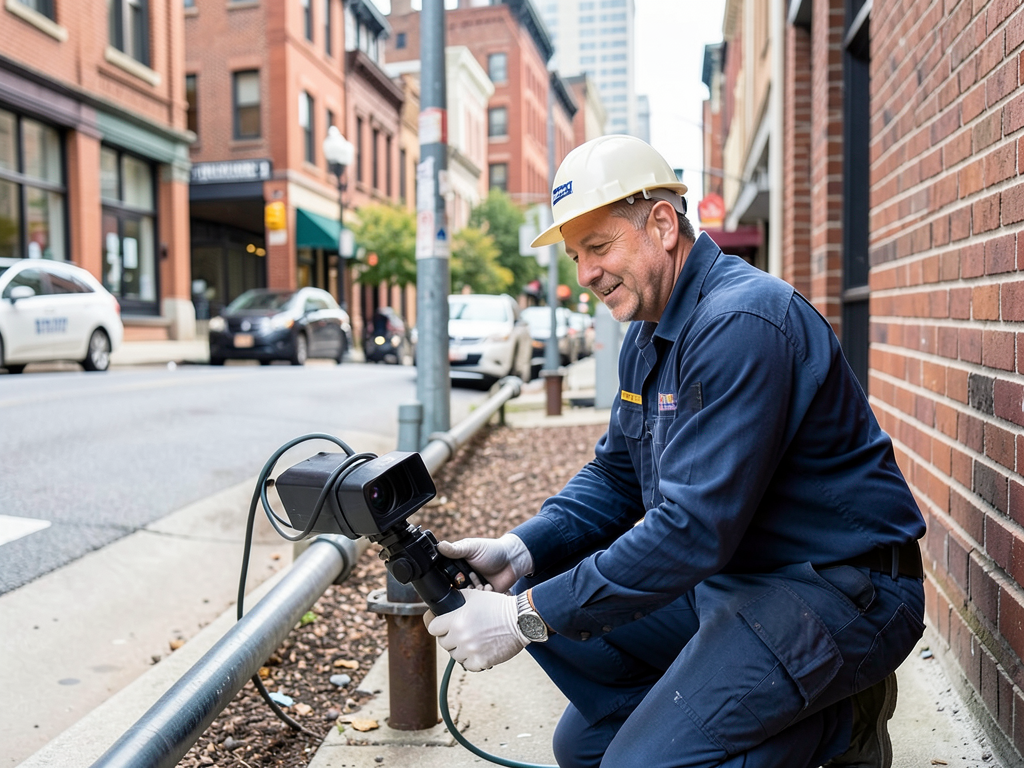
Transparent pricing starts with diagnostic accuracy. Elite Plumbing Atlanta uses video camera inspection for hidden leaks and pipe damage. We scope drain lines to identify root intrusion or collapsed sections before quoting repair costs. This eliminates surprise charges midway through the job.

Material costs fluctuate based on copper market prices and PEX manufacturer availability. We purchase commercial-grade fittings from local suppliers in Doraville and Marietta to avoid markup delays. The fixtures we install meet Georgia plumbing code amendments for backflow prevention and pressure regulation. Using compliant materials prevents future repair costs triggered by inspection failures.

Labor pricing reflects technician certification level and job complexity. A straightforward faucet cartridge replacement takes 45 minutes. Replacing a corroded angle stop behind a wall requires drywall removal, pipe cutting, soldering, and patch work. The hourly rate stays consistent, but the scope determines total labor hours.

Trip fees cover fuel, vehicle maintenance, and the cost of carrying specialized tools. Our service trucks stock hydro-jetters, pipe threaders, and pressure testing equipment. You pay for that preparedness whether we use every tool or not. The alternative is multiple trips and extended downtime.

Emergency calls outside normal business hours carry premium rates because they require on-call technicians who sacrifice personal time. A Sunday evening water heater failure costs more than a Tuesday morning appointment. The pricing reflects availability, not greed.

We provide itemized estimates that separate labor, materials, permits, and disposal fees. You see exactly what drives the total. If we find additional damage during the repair, we stop and explain options before proceeding. No work happens without your approval.

This approach costs us sales to competitors who quote low and inflate later. We accept that tradeoff because transparent plumbing repair pricing 2026 builds trust that lasts beyond a single service call.

How We Build Your Repair Estimate

Plumbing Repair Cost Guide 2026 in Atlanta – Know Before You Pay
01

On-Site Inspection

We evaluate the visible damage and use diagnostic tools to identify hidden issues. Video cameras scope drainlines for blockages. Pressure gauges test supply line integrity. Moisture meters detect concealed leaks in walls and floors. This diagnostic phase prevents incomplete repairs that fail weeks later. You receive a full assessment before any work begins, with clear explanations of what we found and why it matters.
02

Cost Breakdown Review

We present an itemized quote separating labor hours, material costs, permit fees, and equipment charges. Each line item includes the specific part numbers and labor tasks involved. We explain Atlanta code requirements that affect material selection and installation methods. You understand exactly what you are paying for and why certain approaches cost more but deliver better long-term performance. We answer questions until the pricing makes complete sense.
03

Approval and Scheduling

Once you approve the estimate, we lock in material pricing and schedule the work within your availability window. We order parts from local suppliers to avoid shipping delays. For complex jobs requiring permits, we file applications with the City of Atlanta or county offices and track approval timelines. You receive updates at each milestone. The final invoice matches the approved estimate unless we discover additional damage and gain your approval for expanded scope.

Why Atlanta Homeowners Trust Local Plumbing Expertise

National franchise plumbers follow standardized pricing matrices that ignore Atlanta-specific challenges. They quote based on national averages, then adjust midway through the job when they encounter our red clay soil or aging cast iron stacks common in Virginia-Highland and Candler Park.

Local plumbers understand the quirks of Atlanta's housing stock. We know that homes built before 1978 in neighborhoods like Grant Park and Ormewood likely have galvanized supply lines prone to corrosion. We anticipate these issues during initial assessment and price accordingly.

Georgia code amendments for seismic bracing and backflow prevention differ from surrounding states. A plumber licensed in Tennessee or Alabama may not know these requirements. Elite Plumbing Atlanta technicians complete continuing education on Georgia-specific code updates. We install assemblies that pass inspection the first time.

Water chemistry varies across metro Atlanta. Homes supplied by DeKalb County water systems experience different mineral content than those on Cobb County or City of Atlanta lines. This affects fixture longevity and repair frequency. We recommend solutions based on your specific water source.

Our relationships with local inspectors streamline permit approval. We know which documentation the City of Atlanta Building Department requires for different repair types. We understand how Fulton County and Gwinnett County inspection schedules work. This knowledge prevents delays that extend project timelines.

We stock parts that fit Atlanta's most common plumbing systems. Our warehouse in Chamblee carries replacement cartridges for the Moen and Delta fixtures popular in local home improvement stores. We have copper fittings sized for Atlanta's standard residential supply lines. This eliminates special-order delays.

Choosing a local plumber means working with someone who has repaired hundreds of homes just like yours. We have seen the patterns, know the problems, and price repairs based on real-world Atlanta conditions rather than theoretical national averages.

What Your Repair Investment Includes

Response Timeframes

Standard appointments schedule within 48 hours of your call. We offer two-hour arrival windows and text updates when our technician is en route. Emergency service provides same-day response for active leaks, sewer backups, and water heater failures. After-hours calls receive callbacks within 20 minutes, with technicians dispatched immediately for critical situations. We prioritize based on damage severity, not call order. A burst pipe takes precedence over a dripping faucet. Our dispatch system tracks technician locations across metro Atlanta to minimize drive time and get help to you faster.

Diagnostic Process

Initial assessment includes visual inspection, pressure testing, and drainage flow evaluation. We use thermal imaging to detect temperature differences indicating hidden leaks. Camera inspection scopes sewer lines to identify blockages, root intrusion, or pipe deterioration. For intermittent problems, we test fixtures under operating conditions to replicate the failure. You receive photos and video documentation of all findings. We explain the root cause, not just the symptom, so you understand why the repair is necessary and what happens if you delay. The diagnostic fee applies toward repair costs if you proceed with the work.

Quality Standards

All repairs meet or exceed Georgia plumbing code requirements. We use commercial-grade materials rated for residential service life, not builder-grade components that fail prematurely. Copper joints are soldered, not compression-fitted. PEX connections use expansion fittings, not insert fittings prone to leaks. Drain repairs include proper slope verification and vent stack inspection. We pressure-test supply line repairs before closing walls. Final work includes cleanup, debris removal, and surface restoration. You receive documentation of all materials installed, including manufacturer part numbers and warranty information. Photos show the completed work for your records.

Warranty Coverage

Labor warranties cover workmanship defects. If a joint we soldered develops a leak or a valve we installed fails due to installation error, we return and correct it at no charge. Material warranties follow manufacturer terms, which we provide in writing at job completion. We maintain service records in our system, so warranty claims do not require you to locate paperwork. Preventive maintenance plans include annual inspections that catch developing problems before they become emergency repairs. Members receive priority scheduling and discounted service rates. The maintenance visit cost offsets itself through early problem detection that prevents expensive failures.

Frequently Asked Questions

You Have Questions,
We Have Answers

How to price out plumbing work? +

Request an itemized written estimate before work begins. Expect the plumber to assess labor hours, materials, and complexity. In Atlanta, factors like clay soil pipe shifts, aging cast iron stacks in older homes, and access challenges in crawl spaces affect pricing. Ask if the quote includes permits, disposal fees, and fixture disconnection. Compare at least three estimates. Watch for vague line items or missing scope details. Flat-rate pricing works well for defined jobs like water heater replacement. Hourly rates suit diagnostic work or repairs with uncertain scope.

How much would a plumber charge to fix a broken pipe? +

Broken pipe repair in Atlanta typically runs between trip fees and labor for one to three hours, plus materials. A simple exposed copper patch under a sink costs less than excavating a buried main line in clay soil. Expect higher costs if the plumber needs to cut drywall, access crawl spaces with standing water, or address corrosion in older galvanized systems. Emergency calls after hours or weekends increase rates. The final bill depends on pipe location, material type, accessibility, and extent of water damage.

How much to replumb a 2000 sq ft house? +

Full repiping for a 2000 square foot home in Atlanta varies widely based on foundation type, number of bathrooms, and existing pipe material. Homes on slab foundations cost more due to concrete cutting. Two-story homes require more vertical runs. Removing old galvanized or polybutylene pipes adds labor. Most Atlanta replumbs use PEX or copper. Include costs for drywall patching, permits, and temporary water shutoff coordination. The timeline usually spans three to five days. Obtain multiple detailed bids that specify materials and warranty coverage.

How much do plumbers cost to fix a pipe? +

Plumbers charge for pipe repair based on location, accessibility, and damage severity. A straightforward fix on exposed piping under a cabinet costs less than accessing pipes behind tile or inside walls. Atlanta's clay soil causes shifting that stresses underground lines, often requiring excavation. Expect charges for the service call, hourly labor, fittings, solder or adhesive, and cleanup. Emergency repairs during nights or weekends carry premium rates. Frozen pipe damage from rare Atlanta freezes may involve extensive drywall work and mold remediation.

What do local plumbers charge per hour? +

Atlanta plumbers typically charge hourly rates that reflect experience level, overhead, and job complexity. Licensed master plumbers command higher rates than apprentices. Expect variations between large companies with multiple trucks and independent operators. Rates often include drive time, vehicle costs, and tool depreciation. Flat-rate pricing has become common for defined tasks like toilet replacement or garbage disposal installation. Emergency service after business hours costs more. Always confirm whether the quoted rate covers one plumber or a crew, and if materials are separate.

How do I quote as a plumber? +

Start by calculating your hourly labor cost, including wages, taxes, insurance, and overhead. Add material costs with a markup that covers procurement time and waste. Factor in drive time to the job site and disposal fees. In Atlanta, include permit costs for water heater swaps or major fixture moves. Account for unexpected conditions like corroded shutoff valves or code upgrades. Provide line-item breakdowns showing labor hours, parts, and fees separately. Offer flat-rate options for common jobs to simplify customer decisions and reduce disputes.

How to pay for expensive plumbing repairs? +

Explore financing options through the plumbing company, which may offer payment plans or third-party credit. Home equity lines of credit provide lower interest rates if you have equity. Personal loans work for mid-range repairs. Some Atlanta homeowners use credit cards with introductory zero-percent APR periods. Check if your homeowners insurance covers sudden failures like burst pipes. Emergency repairs qualify for flexible payment in many cases. Prioritize critical fixes that prevent further damage, then budget for cosmetic restoration separately. Get multiple quotes to avoid overpaying.

Does homeowners insurance cover broken plumbing pipes? +

Homeowners insurance typically covers sudden, accidental pipe failures like freezes or burst lines, but excludes gradual damage from neglect or wear. Atlanta policies often cover water damage from broken supply lines but not slow leaks you ignored. Deductibles apply, and filing claims may raise premiums. Document damage immediately with photos. Insurance rarely covers the pipe repair itself, only resulting structural damage. Review your policy for coverage limits and exclusions. Preventive maintenance like replacing aging galvanized pipes falls on you, not the insurer.

Can a handyman fix a leaky pipe? +

Handymen can handle minor leaks like tightening compression fittings or replacing supply hoses under sinks. Atlanta building codes restrict unlicensed workers from soldering copper, running new gas lines, or altering drain-waste-vent systems. Homeowners insurance may not cover damage caused by unlicensed work. Hidden leaks inside walls or slab foundations require diagnostic tools and licensed expertise. A handyman lacks access to permits required for major work. For anything beyond surface-level fixes, hire a licensed plumber to ensure code compliance and avoid costly mistakes.

What is the most expensive plumbing job? +

Full sewer line replacement ranks as the most expensive plumbing job, especially in Atlanta where clay soil and mature tree roots complicate excavation. Trenchless methods reduce landscape damage but still cost significantly. Repiping entire homes follows closely, particularly in two-story structures or homes with finished basements. Septic system overhauls for properties outside metro sewer service areas also carry high costs. Foundation leak repairs requiring slab penetration involve jackhammering, rerouting, and concrete restoration. These jobs combine heavy labor, permits, and extensive materials.

How Atlanta's Infrastructure Age Affects Your Repair Budget

Atlanta's explosive growth between 1950 and 1980 created neighborhoods with aging plumbing systems now reaching end of service life. Homes in Brookhaven, Dunwoody, and Sandy Springs often have original galvanized supply lines experiencing internal corrosion that restricts flow and causes chronic leaks. The average plumber costs 2026 for these properties includes higher labor because corroded pipes require careful removal to avoid damaging surrounding structures. Clay sewer lines common in older Atlanta neighborhoods crack from root intrusion and soil shifting, requiring camera diagnosis and targeted repair rather than simple snaking. The 2026 plumbing repair price list reflects these realities.

Elite Plumbing Atlanta has repaired plumbing systems in every Atlanta neighborhood from Midtown high-rises to Decatur bungalows. We understand how different eras of construction affect repair approaches and costs. Our technicians recognize the plumbing signatures of different builders active in metro Atlanta over the past 70 years. This experience allows accurate on-site estimates without multiple return visits for additional assessment. We participate in continuing education through the Georgia Association of Plumbing, Heating, and Cooling Contractors to stay current on code changes and best practices. When you hire local expertise, you get pricing based on actual Atlanta conditions rather than generic national formulas.
Plumbing Services in The Atlanta Area

Elite Plumbing is conveniently located to serve the greater Atlanta area. Whether you're looking to visit our office, need to understand our service radius, or simply want to know where we're based, our map provides a clear visual. We pride ourselves on being accessible to all our clients, ensuring prompt and efficient service delivery across the region for all your plumbing needs.

Address:
Elite Plumbing Atlanta, 434 Marietta St NW, Atlanta, GA, 30313

Additional Services We Offer

Our news updates

Latest Articles & News from The Blogs

How Gray Water Recycling Can Help You Maintain a Lush Garden in Palmetto Gray water recycling systems offer Palmetto homeowners…

How Gray Water Recycling Can Help You Maintain a Lush Garden in Palmetto

How Gray Water Recycling Can Help You Maintain a Lush Garden in Palmetto Gray water recycling systems offer Palmetto homeowners…

Comparing Navien and Rinnai Tankless Systems for Large Estates in Canton

Comparing Navien and Rinnai Tankless Systems for Large Estates in Canton Large estates in Canton require high-capacity tankless water heaters…

The Best Ultra-Quiet Toilets for High-Rise Living in Morrow

The Best Ultra-Quiet Toilets for High-Rise Living in Morrow Living in a high-rise apartment in Morrow means sharing walls floors…

Contact Us

Stop guessing what your plumbing repair will cost. Call Elite Plumbing Atlanta at (770) 610-5522 for an honest assessment and transparent pricing. We provide itemized estimates before starting work, with no surprise charges.