




Menu

Shower & Bathtub Plumbing in Atlanta – Fast Repairs, Expert Installations, All Systems

From low water pressure and slow drains to complete tub and shower installations, Elite Plumbing Atlanta handles every fixture, valve, and drain line with precision in homes and businesses across the metro.

Slider Image 1
Slider Image 2
Slider Image 3
Slider Image 4
Slider Image 5
Slider Image 7
Slider Image 8
Slider Image 9
Slider Image 10
Slider Image 11

Why Your Shower and Bathtub Issues Get Worse in Atlanta Homes

Atlanta's hard water wreaks havoc on shower valves and tub fixtures. The high mineral content clogs aerators, corrodes cartridges, and leaves scale buildup inside mixing valves. You notice it first as reduced water pressure or temperature swings mid-shower. Left unchecked, those same minerals attack the washers and seals in your diverter valve, causing leaks behind the wall.

The clay soil throughout Fulton and DeKalb counties shifts constantly. When foundation movement occurs, it stresses the copper or PEX supply lines feeding your shower and bathtub. Hairline cracks develop at solder joints or compression fittings. Water migrates through drywall, creating mold colonies in wall cavities before you even see a stain.

Older homes in neighborhoods like Virginia-Highland and Inman Park still have galvanized steel drain lines. These corrode from the inside out, trapping hair and soap residue until you face a standing pool of water in your tub. The P-trap under your bathtub becomes a breeding ground for biofilm, which releases sulfur odors through the drain.

Bathtub and shower repair demands more than a wrench and a YouTube video. You need diagnostic tools to isolate valve cartridge failure from pressure regulator issues. Tub and shower installation requires knowledge of local building codes, proper slope for drain lines, and correct mixing valve placement to meet scald protection standards. Shower plumbing services include everything from rerouting supply lines to replacing corroded drain assemblies. Bathtub fixture replacement involves matching valve stems to discontinued trim kits or retrofitting modern pressure-balancing valves into old rough-ins.

Why Your Shower and Bathtub Issues Get Worse in Atlanta Homes
How Elite Plumbing Atlanta Solves Shower and Bathtub Problems

How Elite Plumbing Atlanta Solves Shower and Bathtub Problems

We start every shower and tub plumber call with pressure testing. A digital gauge on your main supply line tells us if you have a system-wide issue or a localized fixture problem. We check static pressure and flow rate at the shower head to isolate valve cartridge restrictions versus aerator clogs.

For leak diagnosis, we use thermal imaging cameras to detect temperature differentials behind tile and drywall. A cold spot indicates active water intrusion from a failed valve body or cracked drain shoe. This eliminates destructive exploratory demolition and targets the exact failure point.

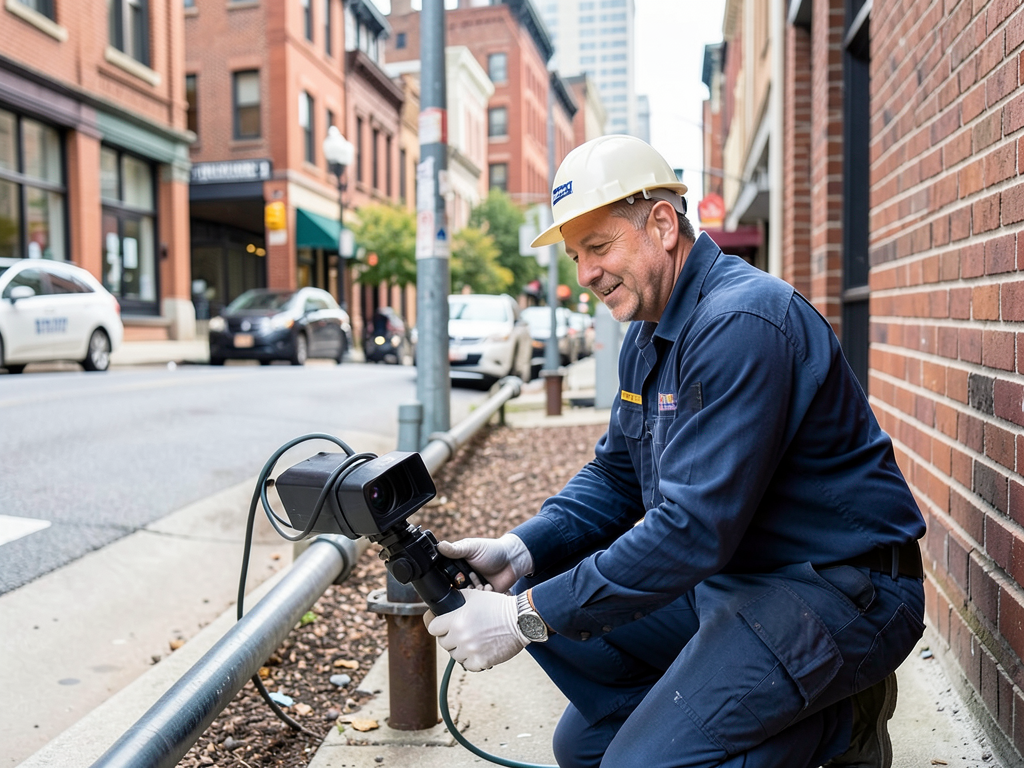
Drain blockages get cleared with cable augers, not chemical cleaners. We feed the cable through the overflow plate, navigating the P-trap and branch line to the main stack. If the blockage recurs, we perform a camera inspection to identify root intrusion, bellied pipe sections, or collapsed cast iron drain lines common in pre-1970 Atlanta construction.

Valve replacement requires matching the rough-in depth and connection type. We stock cartridges for Moen, Delta, Kohler, and American Standard valves. When the valve body itself has corroded, we cut into the wall, replace the entire valve assembly, and install an access panel for future maintenance. All work meets International Plumbing Code requirements and Atlanta building permit standards when required.

For complete tub and shower installation, we verify proper slope on drain lines (minimum quarter-inch per foot), secure supply lines to framing with proper spacing, and test all connections at 80 PSI for 15 minutes before closing walls. Shower pan installation includes a flood test to ensure the membrane holds water overnight.

What Happens During Your Shower or Bathtub Service Call

Shower & Bathtub Plumbing in Atlanta – Fast Repairs, Expert Installations, All Systems
01

System Assessment

We test water pressure at multiple fixtures to determine if your shower issue stems from a clogged aerator, failing pressure regulator, or corroded supply line. For drain problems, we remove the overflow cover and inspect the drain shoe and P-trap for obstructions or corrosion. Thermal imaging identifies hidden leaks behind tile or in wall cavities before we open a single access point.
02

Targeted Repair Work

Once we isolate the failure point, we replace the valve cartridge, clear the drain blockage with a cable auger, or cut into the wall to replace a corroded valve body. All replacement parts match your existing rough-in dimensions and connection types. For installations, we rough in new supply and drain lines, secure mounting brackets to framing, and verify proper slope before closing walls or setting fixtures.
03

Testing and Verification

Every valve gets tested for proper temperature control and pressure balance. Drains receive a flow test to confirm proper venting and drainage speed. New installations undergo a 15-minute pressure test at 80 PSI to verify all connections hold before we close walls. You receive documentation of all work performed, including valve model numbers and cartridge specifications for future reference.

Why Atlanta Homeowners Trust Elite Plumbing for Shower and Bathtub Work

We understand the quirks of Atlanta plumbing. Homes built in the 1950s through 1970s across Buckhead and Druid Hills used galvanized steel drain lines that corrode from the inside. We know which valve bodies fit the rough-in dimensions in these homes without tearing out tile or expanding access holes. That knowledge saves you hundreds in unnecessary demolition and tile replacement.

Clay soil movement affects foundation stability throughout the metro. We inspect supply lines for stress fractures at connection points where shifting foundations create lateral pressure on rigid copper piping. Catching these early prevents catastrophic failures that flood bathrooms and damage subfloors.

Our truck stock includes valve cartridges and trim kits for discontinued fixtures common in Atlanta homes. When a manufacturer stops producing parts for your 20-year-old shower valve, we have retrofit solutions that work with your existing rough-in without rerouting supply lines or relocating drain assemblies.

We pull permits when code requires and coordinate inspections with the City of Atlanta or county building departments. Unpermitted work creates liability during home sales and insurance claims. Our process ensures your shower or bathtub installation meets current code requirements for pressure balancing, scald protection, and proper drain venting.

Atlanta's hard water demands specific solutions. We recommend pressure-reducing valves when municipal supply exceeds 80 PSI, and we install water softeners or filtration systems to extend fixture life. Scale buildup shortens valve cartridge lifespan from 10 years to three. Addressing water quality protects your investment in new fixtures and prevents recurring service calls.

What You Can Expect From Our Shower and Bathtub Services

Response Time and Availability

We dispatch technicians within two hours for active leaks that threaten property damage. For non-emergency repairs like low pressure or slow drains, we schedule service within 24 hours. Our trucks carry common valve cartridges, drain parts, and supply line components to complete most repairs in a single visit. Complex installations requiring custom fabrication or special-order fixtures get scheduled with clear timelines and material delivery dates. You receive call-ahead notifications when the technician is 30 minutes out.

Diagnosis and Consultation Process

Every service call starts with testing, not guessing. We measure water pressure, inspect valve operation, and camera-inspect drain lines when blockages recur. You receive a written estimate before work begins, with clear explanations of what failed and why. For installations, we review fixture options, discuss rough-in requirements, and explain code compliance needs. We provide multiple solutions at different price points, focusing on longevity and performance rather than upselling premium products you may not need.

Quality of Work and Materials

We install pressure-balancing valves that meet current code requirements for scald protection. Drain assemblies receive proper venting to prevent slow drainage and sewer gas intrusion. Supply lines get secured to framing at correct intervals to prevent water hammer and noise. All solder joints receive proper flux application and cleaning to prevent pinhole leaks. PEX connections use expansion fittings rather than compression fittings for superior leak resistance. Tile or drywall repairs after wall access receive proper backing and moisture-resistant materials.

Post-Service Support and Maintenance

We provide documentation of all valve models and cartridge specifications installed. This simplifies future maintenance when cartridges eventually need replacement. You receive care instructions for new fixtures, including cleaning products that won't damage finishes or corrode internal components. For installations, we schedule a follow-up inspection after 30 days to verify drain performance and check for any settling or adjustment needs. Our team remains available for questions about operation, maintenance schedules, and early warning signs of component wear.

Frequently Asked Questions

You Have Questions,
We Have Answers

Can you use the same drain from a tub to a shower? +

Yes, you can reuse the existing tub drain when converting to a shower, but only if the drain meets current code and is in good condition. The drain size, pitch, and connection must handle shower flow rates. Many older Atlanta homes have cast iron or galvanized drains that show corrosion or improper slope. A plumber should inspect the trap, waste arm, and vent connection. If the drain line is compromised or undersized, reusing it creates future leak risks and code violations. Proper assessment prevents costly callbacks and water damage to your subfloor.

How much does it cost to install plumbing for a shower? +

Installation costs vary based on existing plumbing condition, access, and fixture type. Simple shower valve replacements with accessible plumbing run lower. Full rough-in installations requiring new supply lines, drain placement, and vent work cost more. Atlanta homes built on slabs or with limited crawl space access increase labor time. Custom tile showers with body sprays or digital controls add complexity. Costs also shift if you need to reroute lines around older galvanized pipe or clay soil settling issues common in metro Atlanta. Always get a detailed estimate before work begins.

Why can't you use PEX for tub spout drop? +

PEX lacks rigidity for vertical tub spout drops. The spout connection creates weight and leverage that PEX cannot support without sagging or kinking. This causes water hammer, poor flow, and eventual failure. Code requires rigid pipe like copper or CPVC for the drop ear connection. PEX works well for concealed hot and cold supply lines, but the exposed drop demands solid backing. Atlanta plumbers frequently see DIY PEX drops that fail inspection or leak behind walls. Use the correct material for each application to avoid future headaches and drywall repair.

What plumbing is needed for a bathtub? +

A bathtub needs hot and cold supply lines, a drain assembly with overflow, a trap, and proper venting. The supply lines connect to a mixing valve or separate faucet handles. The drain connects to a P-trap that prevents sewer gas backflow. The overflow prevents tub flooding. A vent allows proper drainage and prevents airlocks. Atlanta homes with older plumbing may have undersized vents or improper trap distances. The tub also requires structural support, especially for heavy cast iron or soaker tubs. Proper installation prevents leaks, mold growth, and code violations.

Why does a shower require a 2-inch drain? +

A 2-inch drain handles higher water volume and prevents slow drainage. Showers discharge water faster than most fixtures, and a 1.5-inch drain can create backups or standing water. Code requires 2-inch drains to maintain proper flow velocity and prevent clogs. Atlanta homes with hard water and clay sediment see faster buildup in undersized drains. The larger diameter also provides better venting and reduces gurgling sounds. Smaller drains may pass inspection in some jurisdictions, but 2-inch is the professional standard for reliable performance and future-proofing your bathroom.

Are double wyes legal? +

Double wyes are legal when installed correctly per the International Plumbing Code. They must be positioned horizontally or at a 45-degree angle, never vertically. Vertical double wyes create cross-flow issues and code violations. The fitting allows two fixtures to connect to a common drain line without interference. Atlanta inspectors scrutinize double wye placement during rough-in inspections. Improper installation causes drainage problems and failed inspections. The key is orientation and proper venting downstream. A qualified plumber knows the specific installation requirements and can position fittings to meet both code and performance standards.

Is it cheaper to DIY or hire a plumber? +

Hiring a plumber costs more upfront but prevents expensive mistakes. DIY shower plumbing often leads to leaks, code violations, failed inspections, and water damage that costs multiples of the original install price. Atlanta requires permits for most plumbing work, and inspectors reject improper installations. You also risk voiding homeowner's insurance if unpermitted work causes damage. Professional plumbers have the tools, code knowledge, and warranty backing. For simple fixture swaps you might save money, but for rough-in work, valve installations, or anything behind walls, professional work protects your investment and home value.

Do I need a plumber or electrician to install a shower? +

You need a plumber for all water supply and drain work. An electrician handles any electrical components like exhaust fans, lighting, or heated floors. Most standard showers only require plumbing unless you add electric features. Digital shower controls, steam generators, or in-wall speakers need electrical work. Atlanta code requires separate permits for plumbing and electrical trades. Some remodelers carry both licenses, but most projects involve coordination between trades. The plumber roughs in first, then the electrician runs circuits. Always verify licensing for each trade to ensure code compliance and proper inspection scheduling.

What is the most expensive part of a bathroom remodel? +

Moving plumbing fixtures costs the most in bathroom remodels. Relocating toilets, showers, or tubs requires rerouting drain lines, vents, and supply lines. This involves cutting concrete slabs or opening multiple walls and floors. Atlanta homes on slabs face higher costs for drain relocation. Labor and materials for rerouting plumbing exceed cosmetic updates like tile or vanities. If you keep fixtures in existing locations, costs drop significantly. The second most expensive element is usually custom tile work or high-end fixture selections. Plan your layout around existing plumbing to control budget.

Why do plumbers not like PEX? +

Some plumbers distrust PEX due to early product failures, installation errors, and warranty concerns. Older PEX formulations had issues with chlorine degradation and fitting failures. Many experienced Atlanta plumbers prefer copper for its proven longevity and reliability. PEX requires specific tools and training that some avoid. Concerns also exist about rodent damage and UV exposure during storage. However, modern PEX-A meets code and performs well when installed correctly. The resistance often comes from familiarity with copper and skepticism of newer materials. Quality PEX with proper installation provides reliable service in residential applications.

How Atlanta's Water Quality Affects Shower and Bathtub Performance

Atlanta receives water from the Chattahoochee River with mineral content ranging from 60 to 120 parts per million. This moderate hardness accelerates scale buildup in shower valves, reducing cartridge lifespan and creating temperature control issues. The chlorine and chloramine used for disinfection corrode rubber washers and O-rings faster than in soft water areas. Homes in north Fulton and Forsyth counties connected to Lake Lanier water systems experience slightly softer water but higher sediment levels during heavy rain periods. These particulates clog aerators and damage ceramic disc cartridges in single-handle shower valves. Regular maintenance and water conditioning extend fixture life significantly.

Elite Plumbing Atlanta has served metro Atlanta since 2015, building relationships with homeowners, property managers, and commercial facility operators. We understand the unique challenges posed by aging infrastructure in historic neighborhoods and the specific code requirements enforced by different municipal jurisdictions across the metro. Our technicians receive ongoing training on new valve technologies and water quality management systems. We maintain relationships with local suppliers to source discontinued parts and specialty fixtures quickly. When you choose a local shower and tub plumber, you gain access to knowledge about regional construction practices, soil conditions, and water chemistry that national chains simply cannot match.
Plumbing Services in The Atlanta Area

Elite Plumbing is conveniently located to serve the greater Atlanta area. Whether you're looking to visit our office, need to understand our service radius, or simply want to know where we're based, our map provides a clear visual. We pride ourselves on being accessible to all our clients, ensuring prompt and efficient service delivery across the region for all your plumbing needs.

Address:
Elite Plumbing Atlanta, 434 Marietta St NW, Atlanta, GA, 30313

Additional Services We Offer

Our news updates

Latest Articles & News from The Blogs

What Every Midtown Homeowner Should Know About Shared Sewer Laterals Living in Midtown Atlanta means enjoying historic charm and vibrant…

What Every Midtown Homeowner Should Know About Shared Sewer Laterals

What Every Midtown Homeowner Should Know About Shared Sewer Laterals Living in Midtown Atlanta means enjoying historic charm and vibrant…

Choosing a High Performance Showerhead That Still Meets Georgia Water Flow Standards

Choosing a High Performance Showerhead That Still Meets Georgia Water Flow Standards Looking for a showerhead that delivers a powerful…

Why Your New Milton Home Needs a Dedicated Backflow Preventer for the Irrigation System

Why Your New Milton Home Needs a Dedicated Backflow Preventer for the Irrigation System Every new home in Milton with…

Contact Us

Stop living with low pressure, leaks, or drains that won't clear. Call Elite Plumbing Atlanta at (770) 610-5522 for fast diagnosis and expert repair. We dispatch quickly, carry the parts you need, and complete most repairs in one visit.