



Menu

Drain Cleaning & Rooter Service in Atlanta – Complete Sewer Line Solutions for Homes and Businesses

Professional drain cleaning and sewer rooter service backed by hydro-jetting technology, video inspection equipment, and expertise in Atlanta's aging clay sewer infrastructure.

Slider Image 1
Slider Image 2
Slider Image 3
Slider Image 4
Slider Image 5
Slider Image 7
Slider Image 8
Slider Image 9
Slider Image 10
Slider Image 11

Why Atlanta Drains Clog More Than You Think

Atlanta's combination of mature tree canopy, clay soil composition, and aging sewer infrastructure creates a perfect storm for drain problems. The city's extensive root systems from oak, pine, and magnolia trees aggressively seek moisture, infiltrating older terracotta and cast iron sewer lines common in neighborhoods like Virginia Highland, Inman Park, and Grant Park. Once roots breach the pipe, they create hair-like networks that trap grease, paper, and debris.

The red clay soil that defines Atlanta's landscape compounds the issue. Clay expands when wet and contracts during dry periods, creating ground movement that stresses pipe joints and connections. This constant flexing opens gaps where roots enter and debris accumulates. Many properties built before 1980 still have original clay or cast iron lines susceptible to these conditions.

Professional drain cleaning addresses more than surface clogs. When your kitchen sink backs up or your toilet drains slowly, the blockage often sits 20 to 50 feet down the line, beyond the reach of store-bought chemicals or basic plumbing snakes. Sewer rooter service uses motorized cable augers with cutting heads designed to break through root masses, grease buildup, and hardened scale. For severe blockages, hydro-jetting technology blasts water at 3,000 to 4,000 PSI, scouring pipe walls clean and restoring full flow capacity.

The humid subtropical climate keeps Atlanta wet year-round, meaning your sewer lines stay under constant pressure from root growth and soil movement. Ignoring slow drains leads to complete backups, often at the worst possible time. Clogged drain clearing becomes emergency sewer line cleaning when sewage backs up into your basement or crawl space.

Why Atlanta Drains Clog More Than You Think
How We Clear Drains and Restore Sewer Lines

How We Clear Drains and Restore Sewer Lines

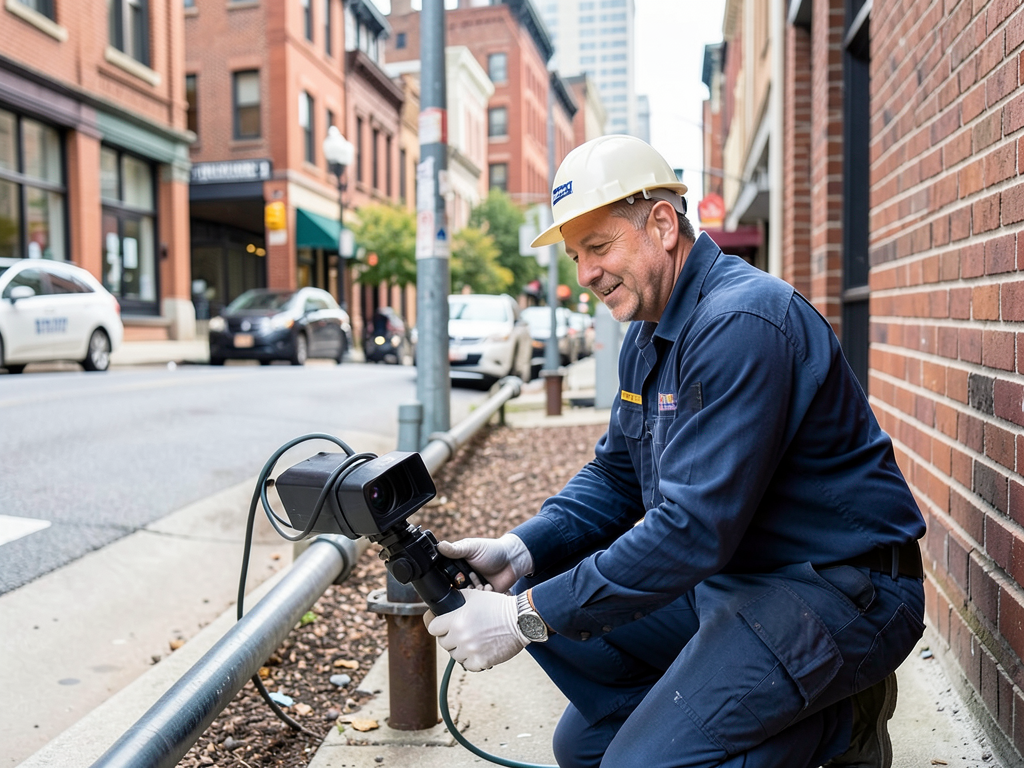
Elite Plumbing Atlanta starts every drain service with diagnostic assessment, not guesswork. We deploy fiber-optic sewer cameras that travel through your pipes, transmitting real-time video to our technicians. This reveals the exact location, type, and severity of blockages. You see what we see. A tangle of roots looks different from collapsed pipe, and the solution differs accordingly.

For standard clogs caused by grease, soap buildup, or minor root intrusion, we use sectional drain machines with interchangeable cutting heads. Cable diameter ranges from 3/8 inch for small drains to 3/4 inch for main sewer lines. The cutting head rotates as it advances, chewing through blockages while the cable flexibility navigates bends and traps. We measure cable footage to pinpoint blockage depth, useful information if your line needs future repair.

Stubborn blockages require hydro-jetting equipment. Our trailer-mounted jetter pumps deliver adjustable pressure through specialized nozzles. Forward-facing jets cut through debris while rear-facing jets scour pipe walls and propel the hose forward. Hydro-jetting removes years of accumulated grease, mineral scale, and root fragments, leaving pipes as clean as when installed. This method works particularly well on Atlanta's older cast iron lines, where decades of corrosion and buildup reduce flow capacity by 40 to 60 percent.

After clearing the blockage, we perform a post-service camera inspection to verify complete clearance and identify any structural issues requiring attention. If we find cracks, offsets, or severe root damage, you receive documented footage and repair options. We explain whether spot repair, pipe lining, or full replacement makes the most sense for your situation. No high-pressure sales tactics, just clear information about your plumbing infrastructure.

What Happens During Your Drain Service Appointment

Drain Cleaning & Rooter Service in Atlanta – Complete Sewer Line Solutions for Homes and Businesses
01

Camera Inspection First

Before we run any equipment, we insert a waterproof camera through your cleanout access or drain opening. The fiber-optic line transmits live video showing pipe condition, blockage location, and any structural damage. This diagnostic step prevents unnecessary work and ensures we use the correct clearing method. You watch the inspection footage with us, seeing exactly what caused your drainage problem and where it sits in the line.
02

Mechanical Clearing or Hydro-Jetting

Based on camera findings, we select either cable auger equipment or hydro-jetting technology. Cable machines handle most clogs caused by grease, paper, and light root growth. Hydro-jetting tackles severe root masses, decades of buildup, and complete blockages that cable alone cannot clear. Our technician monitors water flow restoration and adjusts technique as needed. We protect your fixtures with drop cloths and work methodically to prevent mess or damage to your property.
03

Verification and Documentation

After clearing your drain, we run the camera through again to confirm complete blockage removal and check for underlying pipe issues. You receive before and after footage showing the cleared line. If we spot cracks, offsets, or damage requiring repair, we document locations with camera footage distance measurements. This gives you accurate information for planning any needed repairs without surprises. Your drain flows freely, and you understand your system's condition.

Why Atlanta Property Owners Choose Elite Plumbing Atlanta for Sewer Work

Drain cleaning separates amateurs from professionals quickly. Poor technique damages pipes, incomplete clearing wastes your money, and misdiagnosis leads to repeated service calls. Elite Plumbing Atlanta brings specialized equipment and local knowledge to every job.

Our technicians understand Atlanta's specific plumbing challenges. We know which neighborhoods have clay tile lines from the 1950s, where cast iron failures occur most frequently, and how tree root patterns differ between midtown high-rises and Buckhead estates. This local expertise speeds diagnosis and ensures we bring the right equipment on the first visit.

We invest in professional-grade technology. Our camera systems produce high-definition footage with accurate distance measurement and location tracking. The hydro-jetting equipment adjusts pressure based on pipe material and condition, preventing damage to older lines while maximizing cleaning effectiveness. Sectional drain machines give us the torque needed for tough blockages without the kickback risk of cheaper equipment.

Transparency defines our service approach. Before we start work, you see the camera footage and hear our assessment. We explain what caused the blockage, how we will clear it, and what preventive steps might help going forward. If your line needs repair, we show you the damage on camera and discuss options without pressure. Many Atlanta plumbing companies push expensive repairs for problems that simple cleaning can resolve. We give you honest information.

Commercial and residential clients face different needs. A restaurant with grease trap issues requires different solutions than a homeowner with root-clogged laterals. We handle both. Our equipment capacity scales from small bathroom drains to 6-inch commercial sewer mains. Property managers throughout Fulton and DeKalb counties rely on us for tenant turnovers, emergency backups, and preventive maintenance contracts.

What to Expect From Professional Drain and Rooter Service

Response Time and Scheduling

Standard drain service appointments typically occur within 24 to 48 hours of your call. For emergency backups where sewage enters your home or business operations stop, we offer same-day service. Our technicians arrive in fully equipped trucks carrying camera systems, cable machines, and hydro-jetting equipment. We provide arrival time windows and call 30 minutes ahead. Most drain clearing jobs take 1 to 3 hours depending on blockage severity and line accessibility. Commercial jobs requiring multiple access points or extensive footage may require half-day scheduling.

How We Assess Your Drain Problem

Assessment starts with questions about your symptoms. When did drains slow down? Do multiple fixtures back up simultaneously? Have you noticed sewage odors or gurgling sounds? This information guides our inspection approach. We locate your main cleanout access, typically found in the basement, crawlspace, or yard. If no cleanout exists, we may access through roof vents or remove toilets for camera insertion. The inspection reveals blockage type, location, pipe material, overall condition, and any structural defects. You watch the footage and ask questions before we proceed with clearing.

Results You Can Measure

Properly cleared drains flow at full capacity. You see water disappear quickly from sinks, tubs drain completely without standing water, and toilets flush with strong vortex action. We test multiple fixtures to confirm complete clearance. The post-service camera inspection provides visual proof that blockages are gone and pipes are clean. For hydro-jetted lines, you often see dramatic before and after differences, with pipe interiors restored to nearly original condition. We remove all debris from your property and leave work areas clean.

Maintenance Recommendations and Follow-Up

After clearing your drain, we discuss preventive measures specific to your situation. Properties with heavy root intrusion benefit from annual hydro-jetting to prevent re-blockage. Older homes with cast iron lines may need enzyme treatments to slow corrosion. We provide honest guidance on whether your line needs monitoring or repair. If camera footage revealed cracks, offsets, or severe root damage, we offer repair estimates with multiple solution options. Many clients establish annual maintenance schedules, particularly restaurants, multi-unit properties, and homes with large trees near sewer lines.

Frequently Asked Questions

You Have Questions,
We Have Answers

What is the average cost of drain cleaning? +

Drain cleaning costs in Atlanta typically range from $150 to $400, depending on the severity and location of the clog. A simple kitchen sink blockage costs less than a main sewer line issue requiring hydro jetting or rooter service. Factors include accessibility, clog depth, time of day, and whether video inspection is needed. Atlanta's clay soil can cause root intrusion in older homes, which increases complexity. Emergency or after-hours calls cost more. Always request an upfront estimate before work begins. Avoid companies that quote prices over the phone without assessing the problem first.

How much does it cost to clean your drain? +

Basic drain cleaning in the Atlanta metro starts around $125 to $200 for accessible clogs like bathroom sinks or tubs. Main line stoppages or stubborn blockages requiring cable augering or hydro jetting run $250 to $500. Cost depends on the clog location, line diameter, and tools required. Older homes in neighborhoods like Inman Park or Virginia Highland often face root infiltration, adding complexity. If multiple drains back up simultaneously, expect higher costs due to mainline involvement. Get a clear diagnosis before agreeing to service. Pricing should include labor, equipment, and disposal.

Why do plumbers say not to use drain cleaner? +

Chemical drain cleaners damage pipes over time. The corrosive ingredients eat through clogs but also corrode metal pipes, weaken PVC joints, and harm older cast iron systems common in Atlanta's historic districts. Chemicals create heat that can warp pipes and release toxic fumes dangerous to your family. They rarely clear deep clogs and can worsen blockages by hardening grease. Repeated use thins pipe walls, leading to leaks and costly replacements. Professional plumbers use mechanical methods like cable snaking or hydro jetting that remove clogs without harming your plumbing infrastructure or the environment.

How much should it cost to clear a clogged drain? +

Clearing a standard clogged drain in Atlanta should cost $150 to $350 for routine stoppages. Simple clogs in accessible lines run cheaper, while deep mainline blockages requiring specialized equipment cost more. If roots penetrate your sewer line due to Atlanta's mature tree canopy and expansive clay soil, expect higher pricing. Camera inspection adds $100 to $300 but provides valuable diagnostic clarity. Avoid flat-rate pricing without inspection. Reputable plumbers diagnose the issue first, explain options, then quote accurately. Emergency weekend or holiday service increases costs by 25 to 50 percent.

Is professional drain cleaning worth it? +

Yes. Professional drain cleaning removes clogs completely, prevents recurring backups, and extends pipe lifespan. DIY methods and store-bought chemicals provide temporary relief but leave residue and buildup that worsens over time. Atlanta's hard water and aging infrastructure in neighborhoods like Buckhead and Midtown increase blockage risk. Professionals use video cameras to identify root intrusion, pipe damage, or bellied lines that cause chronic issues. Hydro jetting scours pipe walls clean, restoring full flow. Investing in proper service now prevents emergency sewage backups, water damage, and expensive pipe replacement later.

Does homeowners insurance cover sewer line repair? +

Most standard homeowners insurance policies exclude sewer line repair or replacement unless damage results from a covered peril like a fallen tree. Routine wear, root intrusion, and age-related deterioration common in Atlanta's older neighborhoods are not covered. Some insurers offer optional sewer backup endorsements for an additional premium. These policies may cover cleanup costs if sewage backs up into your home but rarely cover exterior line repairs. Review your policy or ask your agent directly. Many Atlanta homeowners purchase separate sewer line protection plans through third-party providers for peace of mind.

What does Roto Rooter charge for drain cleaning? +

Roto Rooter's pricing varies based on clog severity, location, and time of day. You should expect quotes comparable to other Atlanta plumbing companies, typically $200 to $500 for standard drain cleaning. Emergency service, mainline stoppages, or complex root removal cost more. Roto Rooter operates nationally, so local expertise may vary. When choosing a provider in Atlanta, prioritize companies familiar with regional challenges like clay soil subsidence, mature tree root systems, and older cast iron pipes in historic districts. Always get detailed written estimates and ask about warranties before committing.

Why is drain cleaning so expensive? +

Drain cleaning costs reflect specialized equipment, training, liability, and labor intensity. Professional plumbers invest thousands in hydro jetters, inspection cameras, and cable machines. Atlanta's challenging soil conditions and aging infrastructure increase job complexity. Diagnosing the problem requires expertise to avoid damaging pipes. Plumbers also carry insurance, licensing, and disposal fees for wastewater. Emergency calls require 24/7 availability. You pay for results, not just time. A properly cleaned drain prevents repeat backups and costly water damage. Cheap service often means incomplete clearing or inexperienced techs who miss underlying issues.

What are the signs of a blocked drain? +

Watch for slow drainage in sinks, tubs, or showers. Gurgling sounds when water drains indicate trapped air from a partial blockage. Foul odors from drains signal decomposing debris or sewer gas escaping due to poor venting or clogs. Water pooling around floor drains or toilets that bubble when you run water elsewhere point to mainline issues. Multiple fixtures backing up simultaneously means a shared drain line is blocked. In Atlanta's older homes, clay pipes and root intrusion cause recurring symptoms. Address warning signs early before they escalate into full sewage backups.

How can I tell if the clog is deep? +

If multiple drains back up at once, the clog sits deep in your main sewer line. Snaking a single fixture provides no relief when other drains remain slow. Water backing up into lower fixtures like basement floor drains or first-floor toilets when you use upstairs plumbing indicates a deep blockage. Persistent issues after surface-level clearing confirm depth. Professional video camera inspection pinpoints exact clog location and cause. Atlanta's mature trees and shifting clay soil often push roots deep into sewer lines. Deep clogs require hydro jetting or mechanical augering beyond DIY tool reach.

How Atlanta's Infrastructure Age Affects Your Sewer Lines

Atlanta's rapid growth created layers of plumbing infrastructure spanning 150 years. Homes in historic districts like Cabbagetown and Old Fourth Ward often retain original terracotta sewer tiles installed before World War II. These clay pipes, joined with mortar or tar paper, become root magnets as joints deteriorate. Neighborhoods developed during the postwar boom used cast iron lines that corrode from the inside due to Atlanta's slightly acidic groundwater. Even properties built in the 1980s face problems from underspecified plastic pipe that cannot withstand root pressure. Professional drain cleaning and sewer rooter service must account for these variables. The clearing method that works for PVC fails on deteriorated cast iron. Local plumbers familiar with Atlanta's construction timeline choose techniques that clean effectively without causing additional damage to aging infrastructure.

Elite Plumbing Atlanta has cleared thousands of drains across every Atlanta neighborhood, from Bankhead to Brookhaven. We know where the city replaced mains but left old laterals, which streets have shallow sewer grades prone to grease buildup, and how the BeltLine construction affected nearby residential lines. This familiarity speeds our work and improves accuracy. When you call a national chain or out-of-area contractor, they learn your plumbing on your dime. We already understand it. Our camera library contains footage from similar homes in your neighborhood, giving us baseline expectations before we start. Atlanta homeowners and business owners choose local expertise because plumbing is not generic. Your sewer line faces specific conditions that require specific knowledge.
Plumbing Services in The Atlanta Area

Elite Plumbing is conveniently located to serve the greater Atlanta area. Whether you're looking to visit our office, need to understand our service radius, or simply want to know where we're based, our map provides a clear visual. We pride ourselves on being accessible to all our clients, ensuring prompt and efficient service delivery across the region for all your plumbing needs.

Address:
Elite Plumbing Atlanta, 434 Marietta St NW, Atlanta, GA, 30313

Additional Services We Offer

Our news updates

Latest Articles & News from The Blogs

What Every Midtown Homeowner Should Know About Shared Sewer Laterals Living in Midtown Atlanta means enjoying historic charm and vibrant…

What Every Midtown Homeowner Should Know About Shared Sewer Laterals

What Every Midtown Homeowner Should Know About Shared Sewer Laterals Living in Midtown Atlanta means enjoying historic charm and vibrant…

Choosing a High Performance Showerhead That Still Meets Georgia Water Flow Standards

Choosing a High Performance Showerhead That Still Meets Georgia Water Flow Standards Looking for a showerhead that delivers a powerful…

Why Your New Milton Home Needs a Dedicated Backflow Preventer for the Irrigation System

Why Your New Milton Home Needs a Dedicated Backflow Preventer for the Irrigation System Every new home in Milton with…

Contact Us

Slow drains become emergency backups fast. Call Elite Plumbing Atlanta at (770) 610-5522 for same-day drain cleaning and sewer rooter service. We bring camera inspection, hydro-jetting equipment, and honest assessments to every job.