



Menu

Commercial Plumbing Contractors in Atlanta – Minimize Downtime with Industrial-Grade Solutions

Elite Plumbing Atlanta delivers fast-response commercial plumbing services for offices, warehouses, and multi-tenant properties across the metro area, keeping your operations running while meeting Georgia state plumbing codes and municipal compliance requirements.

Slider Image 1
Slider Image 2
Slider Image 3
Slider Image 4
Slider Image 5
Slider Image 7
Slider Image 8
Slider Image 9
Slider Image 10
Slider Image 11

Why Atlanta Commercial Properties Need Specialized Plumbing Contractors

Atlanta's commercial building stock faces unique challenges. High summer humidity accelerates corrosion in aging cast iron drainage systems common in Midtown and Downtown high-rises. Clay soil expansion and contraction stress underground water lines servicing warehouse districts near Hartsfield-Jackson and industrial parks along I-85. Rapid development in areas like the Westside and Old Fourth Ward means mixed-age infrastructure where outdated galvanized supply lines feed newer tenant improvements.

Most commercial plumbing companies understand the basics. Few industrial plumbing contractors grasp how Georgia's aggressive soil chemistry eats through sewer laterals faster than northern climates, or how Atlanta's fluctuating water table during storm season creates backflow risks in below-grade parking structures.

You need commercial plumbers who respond to after-hours failures without premium pricing games. A burst supply line in a Class A office building costs you lease revenue every hour. A grease trap violation at a Buckhead restaurant means health department fines and closure risk. Commercial plumbing firms that treat your 20-unit apartment building like a residential service call will leave you with code violations and angry tenants.

Elite Plumbing Atlanta works with property managers, facility directors, and building owners who need predictable outcomes. We handle everything from backflow preventer testing to complete riser replacements in occupied buildings. Our commercial plumbing services focus on business continuity first, because your tenants and customers do not care about your plumbing problems. They expect functional restrooms, hot water, and working kitchens.

Why Atlanta Commercial Properties Need Specialized Plumbing Contractors
How Elite Plumbing Atlanta Handles Commercial Plumbing Projects

How Elite Plumbing Atlanta Handles Commercial Plumbing Projects

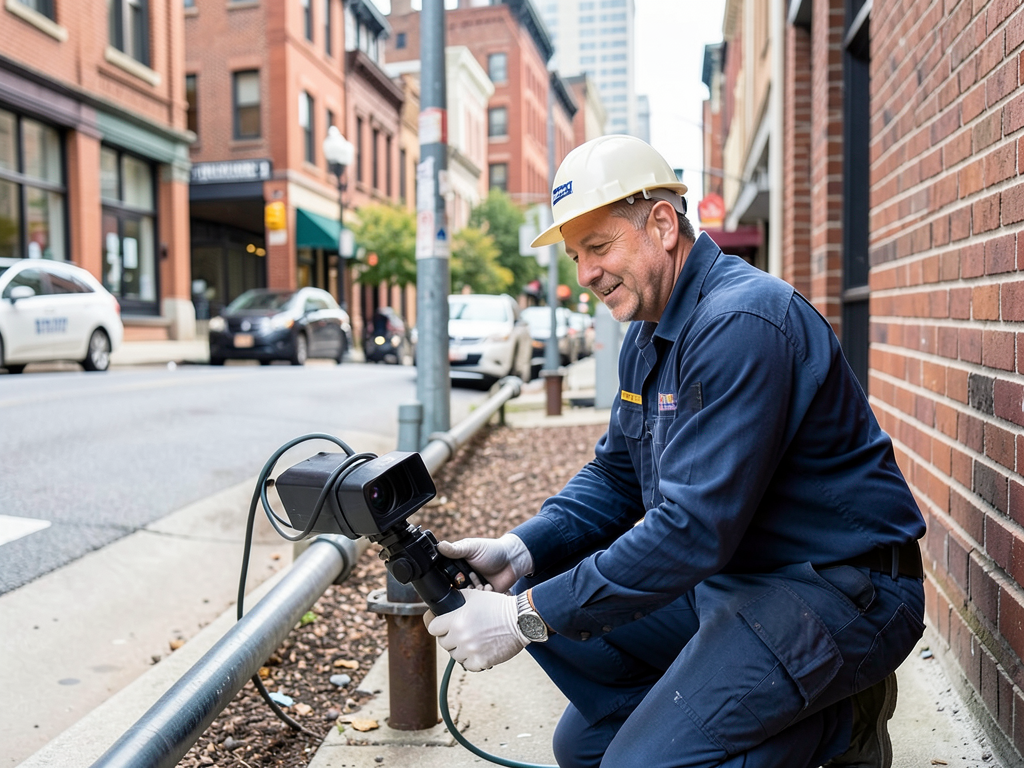
We do not show up with a pipe wrench and hope. Every commercial job starts with a systems assessment. We review existing as-builts if available, conduct camera inspections of drainage systems, and test water pressure at multiple fixture locations to identify undersized supply lines or pressure-reducing valve failures.

For multi-story buildings, we map your vertical plumbing zones. A pressure drop on floors eight through twelve tells us about a specific riser. Slow drains in one wing point to a localized venting issue or partial blockage in a horizontal branch. We use hydrostatic testing on suspect sections before opening walls, because destructive investigation costs you money and disrupts operations.

Our commercial plumbing contractors carry commercial-grade equipment. We own sectional drain machines that clear 6-inch main lines, not just residential 2-inch sink drains. Our hydro-jetting rigs run at 3,500 PSI for grease buildup in restaurant drainage systems. We stock commercial flush valves, sensor faucets, and ADA-compliant fixture parts on our trucks because waiting three days for a special order means closed restrooms.

We schedule disruptive work during your off-hours. A riser valve replacement happens on Saturday. Replacing corroded galvanized supply lines in a medical office gets done after the last patient leaves. We coordinate with your tenants, provide advance notice, and stick to the timeline we give you.

Code compliance is non-negotiable. Atlanta requires backflow preventers on irrigation systems and commercial kitchens. Georgia amended its plumbing code to require water heater expansion tanks on closed systems. We pull permits, schedule inspections, and document everything for your records. A failed inspection costs you time and money. We get it right the first time.

What Happens During Your Commercial Plumbing Service Call

Commercial Plumbing Contractors in Atlanta – Minimize Downtime with Industrial-Grade Solutions
01

Initial Site Assessment

We arrive with blueprints or building schematics when available and walk the entire affected area. Our team identifies shut-off valve locations, tests water pressure, and uses thermal imaging to detect hidden leaks in walls or under slab conditions. For drainage issues, we run camera lines through cleanouts to locate blockages, root intrusion, or collapsed pipes before proposing solutions. You get a written scope of work with clear explanations, not guesses.
02

Coordinated Repair Execution

We schedule work around your operational needs and provide staged shutdowns when necessary. For supply line replacements, we isolate affected zones so unaffected areas stay operational. Our crews use drop cloths, set up containment barriers, and remove debris daily. We communicate directly with your facility manager or tenants about water shutoff windows and restoration timelines. You maintain business continuity while we solve the underlying problem.
03

Testing and Documentation

After repairs, we pressure test all supply work and conduct flow tests on drainage systems. We provide before and after camera footage for underground repairs. You receive copies of permits, inspection approvals, and material specifications for your building records. For warranty tracking and future maintenance planning, we document fixture serial numbers, valve locations, and shutoff procedures. Your property management team gets a complete file, not a handwritten invoice.

Why Atlanta Property Managers Choose Elite Plumbing Atlanta

We operate in Atlanta full-time. Our team knows that Fulton County requires different backflow testing documentation than DeKalb County. We understand that historic buildings in Inman Park and Virginia-Highland have clay sewer laterals that need trenchless lining, not full excavation that destroys landscaping and driveways.

When the City of Atlanta water department issues a boil water advisory after a main break, we know which properties need immediate backflow testing before reopening. When a cold snap hits and pipes freeze in unheated mechanical rooms, we respond within two hours, not the next business day.

Our commercial plumbing contractors have handled everything from 200-unit apartment complexes in Sandy Springs to industrial facilities in South Fulton. We have replaced corroded copper risers in 1980s office towers and installed grease interceptors for new restaurant tenants in Ponce City Market. We work with commercial property insurance adjusters on water damage claims and provide documentation that speeds up your reimbursement.

You do not get an answering service at 9 PM on a Sunday when a water heater floods your retail center. You get a live person who dispatches a truck immediately. We carry liability coverage appropriate for commercial work and provide certificates of insurance for your property file before we start work.

Elite Plumbing Atlanta does not subcontract your job to the lowest bidder. The technician who assesses your problem is the same crew leader who completes the repair. We do not upsell you on unnecessary replacements, but we will not put a band-aid on a failing system that will cost you double in six months. You get honest assessments based on actual system conditions, not sales quotas.

What to Expect from Our Commercial Plumbing Services

Rapid Response Times

Emergency calls get two-hour response times across the metro Atlanta area. For non-emergency work, we schedule assessments within 24 hours and provide written estimates within two business days. Larger projects like riser replacements or main line repairs get phased timelines that minimize tenant disruption. We stock common commercial parts on every truck, so simple repairs like flush valve replacements or cartridge swaps happen on the first visit. You do not lose days waiting for parts orders on routine maintenance issues.

Comprehensive System Diagnostics

We use calibrated pressure gauges, flow meters, and sewer cameras to diagnose problems accurately. For recurring drain issues, we perform smoke testing to identify illegal storm drain connections or broken vent stacks. Water quality problems get tested for hardness, pH, and corrosion indicators. Our diagnostic process identifies root causes, not symptoms. You get solutions that fix the problem permanently, along with maintenance recommendations that prevent future failures. Every assessment includes photos, camera footage when applicable, and a written report for your records.

Code-Compliant Installations

All work meets current International Plumbing Code standards as adopted by Georgia and local amendments specific to Atlanta and surrounding municipalities. We pull permits for water heater replacements, backflow preventer installations, and any work requiring inspection. Our installations pass inspection on the first attempt because we follow code requirements exactly. You receive copies of all permits, inspection cards, and compliance documentation for your building files. This protects you during property sales, refinancing, or tenant lease negotiations where code compliance matters.

Preventive Maintenance Programs

We offer scheduled maintenance contracts for multi-unit properties and commercial facilities. Services include annual backflow testing, quarterly drain line maintenance, water heater flushing, and fixture inspections. Preventive maintenance catches small problems before they become emergency repairs. A corroded angle stop identified during routine inspection gets replaced for minimal cost. That same valve failing at 2 AM on a holiday weekend costs you emergency rates, water damage, and angry tenants. Maintenance programs include priority emergency response and discounted repair rates for contract clients.

Frequently Asked Questions

You Have Questions,
We Have Answers

What type of plumber makes the most money? +

Commercial and industrial plumbers earn the highest wages in the trade. These professionals handle large-scale systems in office buildings, warehouses, hospitals, and manufacturing facilities. In Atlanta, commercial plumbers working on downtown high-rises or sprawling suburban office parks command premium rates due to project complexity and liability. Master plumbers with specialized certifications in backflow prevention, medical gas systems, or grease trap installation earn top dollar. Union plumbers in commercial construction also see higher compensation. The work requires understanding complex blueprints, coordinating with general contractors, and managing multi-phase installations across entire building systems.

Is commercial plumbing more expensive? +

Yes. Commercial plumbing costs more due to scale, code requirements, and liability exposure. A commercial building in Atlanta's Buckhead district requires engineered systems, permit coordination, and compliance with stricter ADA and fire safety codes. Material costs increase when you need commercial-grade fixtures, backflow preventers, grease interceptors, and fire suppression lines. Labor rates are higher because the work demands licensed journeymen and coordination with other trades during constrained business hours. Downtime carries revenue impact, so emergency commercial service commands premium pricing. Expect commercial projects to cost two to four times residential equivalents per fixture or linear foot.

What is a commercial plumber called? +

A commercial plumber is called a commercial plumber or journeyman plumber. Some specialize further and carry titles like industrial plumber, pipefitter, or steamfitter depending on the systems they install. In Atlanta's commercial construction market, you will also hear terms like master plumber (the highest license level), service plumber (for repairs and maintenance), or rough-in plumber (for new construction pipe installation). Medical gas installers and backflow prevention specialists represent niche commercial roles. The title reflects the license level and scope of work, not a different trade. All require state licensure and apprenticeship hours.

What is the difference between industrial and commercial plumbing? +

Industrial plumbing serves manufacturing, processing plants, and heavy industry with specialized systems like chemical lines, process piping, and high-pressure steam. Commercial plumbing serves businesses, offices, retail centers, and multi-tenant buildings with standard water supply, waste drainage, and fixture installation. In Atlanta, industrial work might involve a Coca-Cola bottling facility or automotive plant, while commercial covers Peachtree Street office towers and airport terminals. Industrial plumbers often cross into pipefitting and welding, working with exotic materials and extreme pressures. Commercial plumbers focus on code compliance, fixture installation, and coordination with general contractors. Both require different skill sets and certifications.

Can a plumber make $100,000 a year? +

Yes. Licensed commercial plumbers in Atlanta regularly exceed $100,000 annually through combination of hourly wages, overtime, and emergency service premiums. Master plumbers running crews on large commercial projects or those with specialized certifications in medical gas, backflow testing, or grease trap systems command higher rates. Union plumbers on prevailing wage projects easily hit six figures. Self-employed plumbers serving commercial clients bill $150 to $250 per hour. The key is commercial focus, not residential. Atlanta's continuous downtown development and suburban office expansion create steady demand. Experience, licensure level, and willingness to handle emergency calls determine earning potential.

What jobs make $3,000 a month without a degree? +

Commercial plumbing apprenticeships, HVAC technicians, welding, electrical helpers, and skilled trades positions regularly pay $3,000 monthly in Atlanta without requiring a college degree. Warehouse supervisors, truck drivers with CDL licenses, property maintenance technicians, and facilities staff at office buildings also meet this threshold. The commercial construction sector offers consistent opportunities. Apprentice plumbers start around $18 to $22 per hour in metro Atlanta, hitting $3,000 monthly with full-time hours. These roles require trade school or on-the-job training, not a four-year degree. Certifications and apprenticeships provide clear advancement paths to master plumber or specialty contractor status.

What is the 135 rule for plumbing? +

The 135-degree rule refers to drain pipe offset angles. When a horizontal drain line changes direction vertically or horizontally, two 45-degree fittings (totaling 90 degrees) plus a 45-degree fitting creates a 135-degree offset. This configuration maintains proper drainage flow and prevents clogs better than sharp 90-degree elbows. In Atlanta commercial buildings with complex drainage systems across multiple floors, proper offset angles prevent backups and ensure code compliance. The rule applies to waste lines, not pressurized supply lines. Inspectors check offset angles during rough-in inspections. Violating drainage geometry leads to failed inspections and costly rework.

What is the hardest trade to learn? +

Pipefitting and HVAC top the difficulty list due to math requirements, blueprint reading, and precision welding. Commercial plumbing ranks high because of code complexity, system design knowledge, and liability. In Atlanta, commercial plumbers must understand engineered drawings, coordinate with architects and general contractors, and navigate stringent permitting. The learning curve spans four to five years of apprenticeship plus ongoing education for code updates. Residential plumbing is more forgiving. Commercial work demands you understand pressure calculations, backflow prevention, fire suppression integration, and ADA compliance. Mistakes carry higher consequences when buildings house hundreds of occupants or represent millions in property value.

How much is plumbing for a 3,000 sq ft house? +

This question applies to residential construction, not commercial plumbing. A 3,000 square foot house is residential scope. For context, rough-in plumbing for a residential home of that size runs $8,000 to $15,000 depending on fixture count, bathrooms, and site conditions. Commercial plumbing pricing works differently. It is calculated by fixture units, linear feet of pipe, system complexity, and permit requirements. A 3,000 square foot commercial office space costs more than a residential equivalent due to ADA compliance, commercial-grade fixtures, backflow devices, and higher liability. Commercial estimates require on-site evaluation and engineered drawings.

What is a slang name for a plumber? +

Pipe jockey, pipefitter (though this is a distinct trade), drain surgeon, or waterworks specialist. In commercial settings, plumbers are simply called plumbers or by their license level: journeyman or master plumber. Slang terms are rare in professional commercial environments where Atlanta contractors coordinate with architects, engineers, and facility managers. You will not hear casual nicknames on job sites involving Midtown office towers or Hartsfield-Jackson airport projects. Commercial plumbing is a licensed profession with legal liability and code compliance requirements. The work commands respect and professional terminology. Slang belongs to residential service calls, not commercial construction or facility maintenance contracts.

How Atlanta's Aging Infrastructure Impacts Commercial Plumbing Systems

Atlanta's commercial building boom occurred in distinct phases. Post-war construction through the 1970s relied heavily on galvanized steel supply lines and cast iron drainage systems. These materials have 50-year service lives under ideal conditions. Atlanta's acidic soil and corrosive water chemistry reduce that timeline significantly. Buildings constructed during the 1980s and 1990s used copper supply lines, but many installations violated minimum spacing requirements between dissimilar metals, creating galvanic corrosion at transition points. The result is a commercial property landscape where supply line failures and drain backups occur with predictable frequency in buildings over 30 years old.

Elite Plumbing Atlanta maintains relationships with the City of Atlanta Watershed Management Department and stays current on infrastructure improvement projects that affect commercial properties. When the city replaces aging water mains, pressure fluctuations can damage older pressure-reducing valves in commercial buildings. We help property managers navigate these transitions and upgrade building systems proactively. Our familiarity with local plumbing inspectors and permitting processes means faster approvals and fewer project delays. For commercial property owners managing assets across multiple jurisdictions, we understand the variance between Atlanta, Sandy Springs, and unincorporated DeKalb County requirements.
Plumbing Services in The Atlanta Area

Elite Plumbing is conveniently located to serve the greater Atlanta area. Whether you're looking to visit our office, need to understand our service radius, or simply want to know where we're based, our map provides a clear visual. We pride ourselves on being accessible to all our clients, ensuring prompt and efficient service delivery across the region for all your plumbing needs.

Address:
Elite Plumbing Atlanta, 434 Marietta St NW, Atlanta, GA, 30313

Additional Services We Offer

Our news updates

Latest Articles & News from The Blogs

What Every Midtown Homeowner Should Know About Shared Sewer Laterals Living in Midtown Atlanta means enjoying historic charm and vibrant…

What Every Midtown Homeowner Should Know About Shared Sewer Laterals

What Every Midtown Homeowner Should Know About Shared Sewer Laterals Living in Midtown Atlanta means enjoying historic charm and vibrant…

Choosing a High Performance Showerhead That Still Meets Georgia Water Flow Standards

Choosing a High Performance Showerhead That Still Meets Georgia Water Flow Standards Looking for a showerhead that delivers a powerful…

Why Your New Milton Home Needs a Dedicated Backflow Preventer for the Irrigation System

Why Your New Milton Home Needs a Dedicated Backflow Preventer for the Irrigation System Every new home in Milton with…

Contact Us

Call Elite Plumbing Atlanta at (770) 610-5522 for immediate dispatch on emergency repairs or to schedule a property assessment. We provide written estimates, transparent pricing, and solutions that keep your business running.