



Menu

Cold Water Sandwich Effect in Atlanta – We Stop the Sudden Temperature Shocks in Your Tankless System

Elite Plumbing Atlanta diagnoses and eliminates the cold water sandwich effect that's disrupting your showers and causing scalding risks, restoring consistent temperature control to your tankless water heater.

Slider Image 1
Slider Image 2
Slider Image 3
Slider Image 4
Slider Image 5
Slider Image 7
Slider Image 8
Slider Image 9
Slider Image 10
Slider Image 11

Why Your Tankless Water Heater Hits You with Random Cold Water Blasts

You turn on the shower. The water gets hot. You step in. Then suddenly, a cold water slug hits you mid-rinse, followed by scalding heat. This is the cold water sandwich effect, and it happens because of how tankless units operate in Atlanta's high-demand plumbing systems.

When you shut off a faucet after brief use, residual hot water sits in the pipes between your tankless unit and the fixture. The heat exchanger cools down. When you turn the water back on, you get the leftover hot water first, then the cold water that was sitting in the unit's heat exchanger, and finally hot water again once the burner reignites. The result is a cold water burst sandwiched between two hot surges.

In Atlanta homes, this problem gets worse during peak usage times when multiple fixtures cycle on and off. Morning routines with kids getting ready for school create the perfect conditions for intermittent cold water tankless issues. The subtropical humidity here means longer showers to rinse off sweat and pollen, which makes the tankless temperature fluctuation even more disruptive.

The cold water sandwich is not a defect. It is a physics problem tied to how tankless systems heat water on demand. But the severity depends on your unit's modulation capability, flow rate settings, and pipe layout. Some manufacturers handle this better than others, but no tankless system is immune. The key is understanding what is causing your specific cold water sandwich problem and whether it can be minimized or if your expectations need adjustment.

Why Your Tankless Water Heater Hits You with Random Cold Water Blasts
How We Diagnose and Reduce Cold Water Sandwich Episodes

How We Diagnose and Reduce Cold Water Sandwich Episodes

We start by measuring the duration and temperature differential of your cold water sandwich events. This is not guesswork. We use infrared thermometers and flow meters to capture actual temperature swings at the fixture. Most homeowners think the cold burst lasts five or ten seconds. In reality, it is usually two to four seconds, but the shock makes it feel longer. If your cold water slug exceeds six seconds, there is likely a secondary issue like undersized gas lines, low flow activation thresholds, or a failing flow sensor.

Next, we inspect your tankless unit's modulation range. High-end condensing tankless heaters can modulate down to lower BTU outputs, which helps them maintain flame during low-flow events. Cheaper non-condensing models shut off completely below a certain flow rate, which guarantees a cold water sandwich every time you pause the water. We check your unit's minimum activation flow rate, usually between 0.4 and 0.6 gallons per minute. If your showerhead has a flow restrictor or you have low water pressure, the unit may not stay lit during temperature adjustments.

We also evaluate your recirculation setup if you have one. A dedicated recirculation pump with a buffer tank or a crossover valve can keep a small volume of hot water ready, which reduces the cold water sandwich effect. However, this increases your gas and electricity usage, so we calculate whether the trade-off makes sense for your household. In some cases, we recommend installing a small point-of-use electric heater at high-priority fixtures like the primary shower to eliminate the cold slug entirely without reworking your whole system.

What Happens When You Call Us About Cold Water Sandwich Problems

Cold Water Sandwich Effect in Atlanta – We Stop the Sudden Temperature Shocks in Your Tankless System
01

System Performance Testing

We run your tankless unit through multiple on-off cycles while monitoring outlet temperature at the heater and at your most-used fixtures. This reveals whether the cold water sandwich is a normal byproduct of your system or a sign of a failing component like a thermistor or flow sensor. We document the delay between ignition and stable hot water delivery to establish a performance baseline.
02

Flow Rate and Pressure Analysis

We measure your home's water pressure and the flow rate at each fixture to confirm your tankless unit is receiving adequate activation flow. Low pressure or restrictive fixtures cause the burner to shut off prematurely, which worsens the cold water sandwich effect. We check for clogged inlet screens, partially closed isolation valves, or undersized supply lines that throttle flow and trigger intermittent cold water tankless episodes.
03

Solution Implementation and Calibration

Based on our findings, we either adjust your unit's temperature settings, install a recirculation system, replace faulty sensors, or recommend fixture upgrades to stabilize flow. If your tankless model cannot be tuned to reduce the cold water sandwich to an acceptable level, we provide honest guidance on whether a hybrid system or point-of-use solution makes more sense than replacing the entire unit.

Why Atlanta Homeowners Trust Elite Plumbing for Tankless Water Heater Issues

We have seen every variation of the cold water sandwich effect in Atlanta's diverse housing stock. From older Buckhead homes with long pipe runs to new Midtown condos with compact plumbing layouts, the severity of tankless temperature fluctuation varies based on your building's design. We do not sell you a recirculation pump if your problem is a dirty flame rod. We do not tell you it is normal if your cold water burst lasts eight seconds.

Atlanta's water quality also plays a role. The hardness levels in areas supplied by the Chattahoochee River system cause scale buildup on heat exchangers, which slows ignition response time and makes the cold water slug longer. We descale tankless units regularly and recommend vinegar flushes on a schedule based on your water hardness, not some generic annual interval that does not match your actual usage.

We also understand Atlanta's building codes and gas line sizing requirements. Many tankless installations we service were done by contractors who did not upsize the gas line to match the heater's BTU demand. When the unit tries to fire up, it cannot pull enough gas to reach full modulation quickly, so the water stays cold longer. We verify your gas line diameter, pressure, and manifold sizing to confirm your tankless unit can perform as designed.

You will not get a salesperson when you call. You get a licensed plumber who has worked on Noritz, Rinnai, Navien, Rheem, and Bosch tankless systems across Atlanta metro. We know which models are prone to cold water sandwich problems and which manufacturers have better modulation technology. That knowledge saves you time and money.

What You Can Expect When We Service Your Tankless Water Heater

Same-Day Diagnostic Visits

We schedule most cold water sandwich diagnostics within 24 hours of your call. This is not an emergency service, but we understand the frustration of unreliable hot water. Our diagnostic visit includes testing your tankless unit's ignition sequence, measuring temperature output, checking gas pressure, and inspecting the heat exchanger for scale buildup. You get a written report of our findings and a clear explanation of what is causing your specific cold water sandwich problem. No upselling. No pressure. Just facts.

Transparent Cost Breakdown Before We Start

If we recommend a repair or upgrade, we explain the cost factors before we touch a wrench. Recirculation pumps, buffer tanks, and sensor replacements all have different price points. We break down equipment costs, labor, and any code-required upgrades so you can make an informed decision. If the fix costs more than living with the cold water sandwich, we tell you. Some clients adjust their expectations once they understand the trade-offs. Others choose to invest in a solution. Both are valid choices.

Properly Calibrated Temperature Control

After any repair or adjustment, we test your system through multiple cycles to confirm the cold water sandwich duration has been reduced. We measure the temperature differential and document the improvement. If we installed a recirculation loop, we program the timer to match your household schedule so you are not wasting gas keeping water hot when no one is home. If we descaled the heat exchanger, we verify ignition response time has improved and you are getting faster hot water delivery.

Maintenance Guidance Based on Your Water Quality

We provide a maintenance schedule tailored to Atlanta's water hardness levels and your usage patterns. If you live in an area with harder water, you need more frequent descaling to prevent scale buildup from worsening your cold water sandwich problem. We show you how to perform a vinegar flush if you want to handle routine maintenance yourself, or we offer scheduled service visits. Either way, you know what your tankless unit needs to perform consistently over the long term.

Frequently Asked Questions

You Have Questions,
We Have Answers

What is the cold water sandwich effect? +

The cold water sandwich effect happens when you use a tankless water heater and turn off the hot water briefly, then turn it back on. Cold water trapped in your pipes reaches you first, followed by hot water, then another blast of cold water. This creates a brief shock of cold between two hot flows. It occurs because tankless units heat water on demand, and residual cold water in the pipes gets pushed through. Atlanta homes with longer pipe runs from the heater to fixtures experience this more often. The effect lasts only seconds but surprises many homeowners during short water uses like rinsing dishes.

What is the 1 10 1 rule in cold water? +

The 1-10-1 rule applies to cold water immersion safety, not plumbing. It describes the body's response when submerged in cold water. You have one minute to control your breathing, ten minutes of meaningful movement before muscles fail, and one hour before you lose consciousness from hypothermia. This rule helps survival in water emergencies like falling into cold lakes or rivers. While not directly related to tankless water heaters, it shows how shocking cold water affects your body. Atlanta homeowners experiencing the cold water sandwich effect face only brief discomfort, not the dangerous conditions this survival rule addresses.

What is the downside to tankless water? +

Tankless water heaters come with tradeoffs. The cold water sandwich effect creates brief temperature fluctuations during intermittent use. Upfront costs run higher than tank models, and installation often requires upgrading gas lines or electrical service. In Atlanta's hard water areas, mineral buildup demands annual descaling to prevent efficiency loss. Recovery time between uses can lag if multiple fixtures demand hot water simultaneously. Homes with low water pressure may struggle to activate the heater's flow sensor. Energy savings appear only with consistent usage patterns. Older homes may need significant plumbing modifications to accommodate tankless units properly.

How to get rid of cold water sandwich? +

You can reduce the cold water sandwich effect with several fixes. Install a small recirculation system or buffer tank to maintain hot water in the lines. Adjust your tankless heater's temperature differential settings to minimize shutdown between short uses. Add a point-of-use electric heater at fixtures you use frequently. Increase the distance between the heater and fixtures to reduce pressure fluctuations. Some Atlanta homeowners choose to keep taps running slightly longer to purge cold water from the pipes. Professional installation matters. Proper sizing and flow rate calibration minimize the effect. Strategic fixture placement during new construction helps avoid the problem entirely.

What happens after 30 days of cold showers? +

This question falls outside plumbing scope. Regular cold showers may affect circulation, metabolism, and alertness according to wellness advocates, but that research varies widely. The cold water sandwich effect from a tankless heater differs completely. It creates brief, involuntary cold bursts during normal hot water use, not deliberate cold therapy. Atlanta homeowners dealing with the sandwich effect experience frustration, not wellness benefits. The problem stems from equipment design and pipe configuration. If your tankless heater delivers unexpected cold water, you need a plumbing fix, not a lifestyle adjustment. Focus on proper installation and calibration to eliminate unwanted temperature swings.

Why do plumbers not recommend tankless water heaters? +

Some plumbers hesitate to recommend tankless heaters due to installation complexity and potential callbacks. The units require precise venting, adequate gas supply or electrical capacity, and proper flow rates to function correctly. Atlanta's hard water accelerates mineral buildup, demanding regular maintenance many homeowners skip. Repair costs run higher than tank models, and parts take longer to source. The cold water sandwich effect creates customer complaints even when the unit works as designed. Families with high simultaneous demand may need multiple units, increasing costs significantly. Traditional tank heaters offer simpler installation, familiar repair procedures, and consistent performance that reduces service calls.

How long did it take for Titanic passengers to freeze? +

This question concerns historical maritime disaster, not plumbing systems. Titanic passengers in 28-degree North Atlantic water faced rapid hypothermia. Most lost consciousness within 15 to 30 minutes and died within an hour from cold water immersion. This tragedy illustrates how dangerous prolonged cold water exposure becomes. The cold water sandwich effect from tankless heaters creates only brief discomfort lasting seconds, not life-threatening conditions. Atlanta homeowners experiencing temperature fluctuations face annoyance, not danger. If your water heater delivers shockingly cold water for extended periods, you have a malfunction requiring immediate professional attention, not the normal sandwich effect.

What is the 80 20 rule in swimming? +

The 80-20 rule in swimming suggests 80 percent of your training should occur at low intensity and 20 percent at high intensity. This ratio optimizes endurance development and prevents overtraining. The concept does not relate to plumbing or water heaters. Atlanta homeowners searching for cold water sandwich solutions need plumbing expertise, not swim training advice. If you experience temperature fluctuations from your tankless heater, focus on proper system calibration, recirculation pumps, or buffer tank installation. Professional assessment determines whether your unit is sized correctly for your household demand and if your pipe configuration contributes to the problem.

What does stage 1 hypothermia feel like? +

Stage 1 hypothermia begins when core body temperature drops to 95 degrees. You feel intense shivering, numbness in extremities, confusion, and loss of coordination. Breathing becomes rapid and shallow. This medical condition requires immediate warming and professional care. The cold water sandwich effect from tankless heaters does not cause hypothermia. It creates brief cold bursts lasting only seconds during normal household use. Atlanta homeowners experiencing this plumbing issue face frustration, not medical emergency. If your water stays cold for extended periods, your heater has malfunctioned and needs immediate service. Brief temperature fluctuations indicate normal tankless operation that installation adjustments can minimize.

How much does your electric bill go up with a tankless water heater? +

Tankless water heaters typically reduce energy costs compared to tank models because they heat water only on demand. Atlanta homeowners often see electric bills drop 10 to 30 percent, depending on household size and usage patterns. Gas-powered tankless units show similar savings. Actual savings vary based on your previous tank size, insulation quality, and how often you use hot water. Families with inconsistent demand patterns save more. Large households running multiple fixtures simultaneously may see smaller reductions. Installation costs and potential electrical service upgrades offset savings initially. Energy savings appear gradually over years, not immediately. Proper sizing and professional installation maximize efficiency and cost reduction.

How Atlanta's Water Hardness and Plumbing Layouts Amplify the Cold Water Sandwich Effect

Atlanta's water supply ranges from moderately soft in areas fed by Lake Lanier to moderately hard in sections served by the Chattahoochee River system. Hard water accelerates scale buildup on the heat exchanger coils inside your tankless unit, which slows the ignition response and extends the cold water slug. In older Decatur and Virginia Highland homes with long pipe runs from the water heater to distant bathrooms, the cold water sandwich lasts longer because the residual hot water in the pipes creates a false sense of recovery before the cold burst hits. The combination of extended pipe length and scale-delayed ignition makes the problem worse than in newer homes with compact plumbing layouts.

We work throughout Atlanta metro, from Alpharetta to Peachtree City, and we have seen how builder-grade tankless installations often skip critical details like proper gas line sizing or recirculation loop planning. Many subdivisions built in the last ten years installed tankless units to save space, but the plumbers did not account for the cold water sandwich effect in multi-bathroom homes. We correct these oversights by evaluating your specific system and your household's usage patterns. Local expertise matters because cookie-cutter solutions do not account for Atlanta's mix of housing types, water quality zones, and gas pressure variations across different neighborhoods.
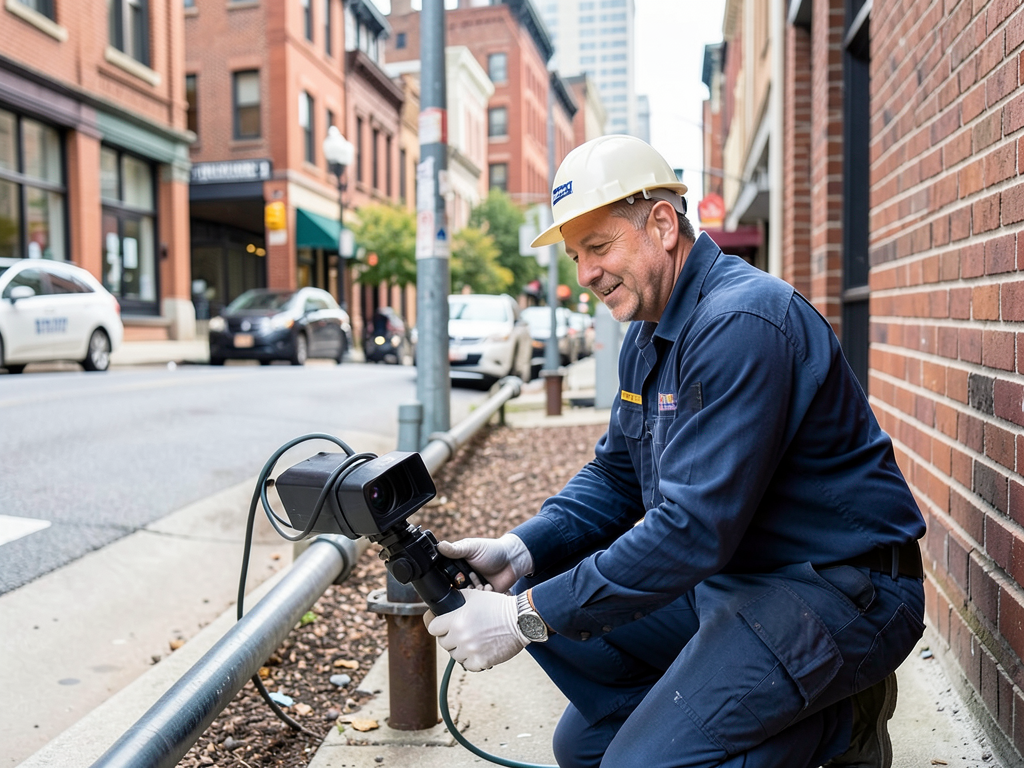
Plumbing Services in The Atlanta Area

Elite Plumbing is conveniently located to serve the greater Atlanta area. Whether you're looking to visit our office, need to understand our service radius, or simply want to know where we're based, our map provides a clear visual. We pride ourselves on being accessible to all our clients, ensuring prompt and efficient service delivery across the region for all your plumbing needs.

Address:
Elite Plumbing Atlanta, 434 Marietta St NW, Atlanta, GA, 30313

Additional Services We Offer

Our news updates

Latest Articles & News from The Blogs

Essential Plumbing Planning for New Pool Houses and Cabanas in Cumming Building a pool house or cabana in Cumming requires…

Essential Plumbing Planning for New Pool Houses and Cabanas in Cumming

Essential Plumbing Planning for New Pool Houses and Cabanas in Cumming Building a pool house or cabana in Cumming requires…

Why Building an Outdoor Shower is the Ultimate Upgrade for Your Scottdale Backyard

Why Building an Outdoor Shower is the Ultimate Upgrade for Your Scottdale Backyard Scottdale homeowners are discovering that outdoor showers…

Deciding Between Gas and Electric Water Heaters for Your New Lawrenceville Home

Deciding Between Gas and Electric Water Heaters for Your New Lawrenceville Home If you’re building or renovating in Lawrenceville, Georgia,…

Contact Us

Call Elite Plumbing Atlanta at (770) 610-5522 to schedule a cold water sandwich diagnostic. We will identify what is causing your tankless temperature fluctuation and give you honest options to fix it.