




Menu

Sewer Line Repair & Replacement in Atlanta – Trenchless Solutions That Save Your Yard and Your Budget

Elite Plumbing Atlanta specializes in advanced trenchless sewer line repair and traditional replacement methods, delivering permanent solutions for broken sewer pipes without destroying landscaping or driveways across the metro area.

Slider Image 1
Slider Image 2
Slider Image 3
Slider Image 4
Slider Image 5
Slider Image 7
Slider Image 8
Slider Image 9
Slider Image 10
Slider Image 11

Atlanta's Red Clay Soil and Aging Infrastructure Create Perfect Conditions for Sewer Line Failure

The expansive red clay soil throughout the Atlanta metro region shifts constantly with seasonal moisture changes. When heavy spring rains saturate the ground, then summer heat bakes it dry, your buried sewer pipes move with the soil. This cycle stresses joints, cracks older materials like cast iron and Orangeburg pipe, and eventually causes complete failure.

Most homes in neighborhoods like Buckhead, Druid Hills, and Virginia-Highland were built between the 1920s and 1960s. The sewer laterals installed during that era used materials with 50 to 70 year lifespans. You are likely living on borrowed time if your home predates 1980 and the main sewer line has never been replaced.

Tree roots compound the problem. Atlanta's canopy of mature oaks, poplins, and magnolias send roots searching for water sources. Your sewer lateral provides a steady supply of moisture. Roots penetrate through tiny cracks, then expand inside the pipe, creating complete blockages or catastrophic breaks.

When you notice slow drains throughout the house, gurgling toilets, sewage odors in the yard, or wet spots near the foundation, you are seeing symptoms of sewer pipe damage. Trenchless sewer line repair offers a minimally invasive solution that preserves your landscaping. For pipes beyond repair, sewer pipe replacement becomes necessary. Either way, ignoring the warning signs leads to raw sewage backing up into your home or pooling in your yard, creating health hazards and expensive emergency repairs.

Atlanta's Red Clay Soil and Aging Infrastructure Create Perfect Conditions for Sewer Line Failure
How We Diagnose and Repair Your Sewer Line Using Camera Technology and Precision Methods

How We Diagnose and Repair Your Sewer Line Using Camera Technology and Precision Methods

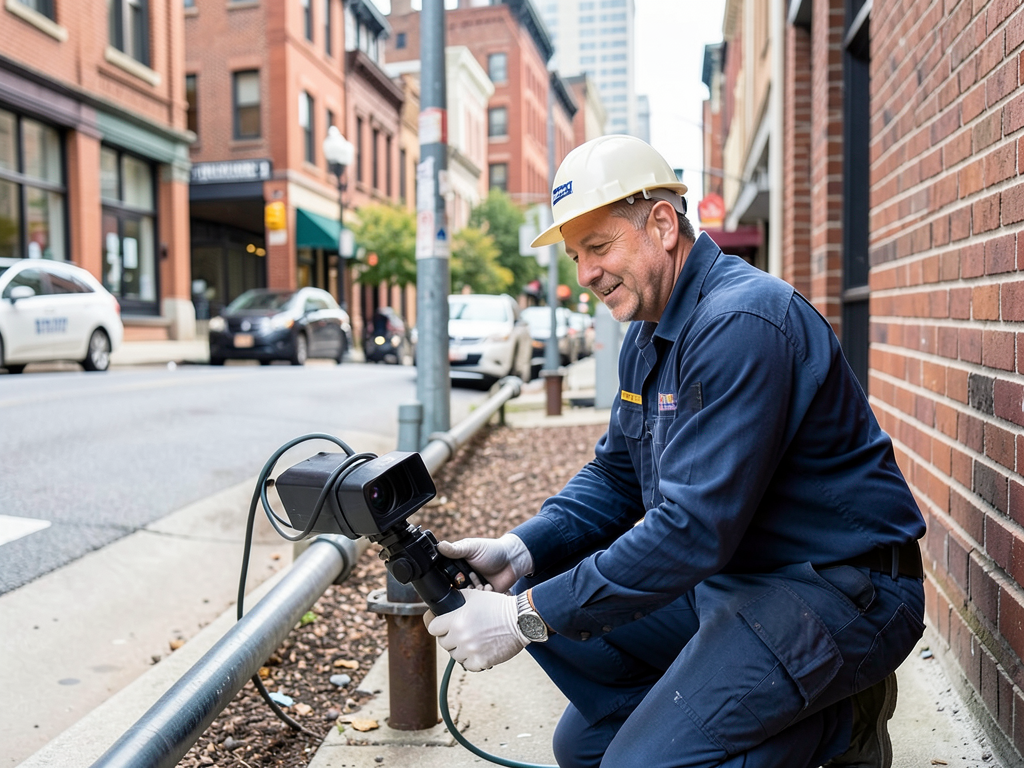
We start every sewer line service with video camera inspection. A waterproof camera mounted on a flexible cable travels through your entire sewer lateral from cleanout to connection point at the city main. This shows us the exact location, type, and severity of damage. We identify root intrusion, pipe bellying, offset joints, cracks, and collapses with precision.

The footage tells us whether you need trenchless sewer line repair or full sewer pipe replacement. For localized damage like a single crack or root intrusion point, pipe lining creates a new pipe inside the old one. We insert an epoxy-saturated liner through existing access points, inflate it against the pipe walls, and cure it in place. The result is a seamless, jointless pipe that lasts 50 years or more.

For pipes with multiple failure points, severe bellying, or complete collapse, we recommend sewer lateral replacement. Traditional replacement requires excavation, but we minimize disruption. We dig strategically at connection points and damage locations rather than trenching your entire yard.

Trenchless replacement uses pipe bursting technology when conditions allow. We pull a new high-density polyethylene pipe through the old line while simultaneously fracturing the damaged pipe outward. This method works when the existing pipe maintains enough integrity and the path is relatively straight.

Main sewer line repair for commercial properties or multi-unit buildings requires capacity planning. We calculate fixture units, peak flow rates, and future expansion needs to size replacement pipes correctly. Atlanta's plumbing code requires specific pipe materials and grades depending on building classification and sewage volume.

What Happens When You Call Elite Plumbing Atlanta for Broken Sewer Pipe Repair

Sewer Line Repair & Replacement in Atlanta – Trenchless Solutions That Save Your Yard and Your Budget
01

Camera Inspection and Diagnosis

We arrive with professional video inspection equipment and locate your sewer cleanout access point. The camera travels through your entire lateral while recording high-definition footage. You watch the inspection with us on a monitor. We mark exact locations of damage using the camera's distance counter and correlate those measurements to your property layout for precise excavation planning if needed.
02

Repair Method Selection

Based on what the camera reveals, we explain your options. Isolated cracks qualify for spot repairs or pipe lining. Multiple breaks, severe root damage, or collapsed sections require pipe replacement. We discuss trenchless options versus traditional excavation. You receive a detailed estimate covering materials, labor, site restoration, and permit fees. We explain the timeline and what disruption to expect for each method.
03

Execution and Verification

We complete the repair or replacement using the agreed method. For trenchless work, we access the line through existing cleanouts. For excavation jobs, we dig precisely where damage exists, preserve landscaping where possible, and restore disturbed areas after pipe installation. We run a final camera inspection through the new or repaired line to verify proper slope, complete sealing, and successful connection to the city main.

Why Atlanta Homeowners Choose Elite Plumbing Atlanta for Sewer Line Services

We understand the specific challenges of working in Atlanta's soil conditions. The red clay requires different excavation techniques than sandy or loamy soil. We know how to shore trenches properly, manage groundwater during wet seasons, and compact backfill to prevent settling that damages new pipes.

Our technicians stay current with DeKalb, Fulton, Cobb, and Gwinnett county plumbing codes. Each jurisdiction has specific requirements for sewer lateral materials, bedding depth, cleanout placement, and inspection procedures. We pull permits, coordinate inspections, and ensure your repair or replacement meets all local requirements. This matters when you sell your home or if the city ever requires proof of compliant work.

We invest in professional-grade equipment that delivers results impossible with basic tools. Our pipe lining systems cure epoxy liners to exact specifications. Our pipe bursting equipment handles the transition from old clay pipes to new HDPE without damaging surrounding utilities. Our camera systems provide accurate distance measurements and clear footage that supports insurance claims when applicable.

The metro Atlanta area presents unique access challenges. Homes built on slabs require different approaches than crawlspace foundations. Properties with finished basements limit interior access points. Steep lots in areas like Vinings or along the Chattahoochee River corridor complicate equipment positioning. We have solved sewer line problems in every configuration across hundreds of Atlanta properties.

When sewage backs up into your home, you need a company that answers the phone and dispatches immediately. We maintain fully stocked trucks and respond to broken sewer pipe emergencies throughout the metro area. Speed matters when raw sewage threatens your health and property.

What to Expect When You Need Sewer Line Repair or Replacement

Response Time and Scheduling

We schedule non-emergency camera inspections within 24 to 48 hours of your call. Emergency situations involving sewage backups receive same-day response. The inspection takes one to two hours depending on lateral length and access point locations. We provide repair estimates before you leave that day. Most trenchless repairs complete in one day. Traditional replacement projects involving excavation typically require two to three days, depending on pipe length and site conditions. We coordinate permit applications and inspections to prevent delays.

The Inspection and Assessment Process

Our camera inspection reveals everything happening inside your sewer lateral. You see root intrusion, cracks, bellying, offset joints, and blockages in real time. We explain what each problem means and how it impacts your plumbing system. We locate your sewer lateral path from house to city connection, mark utility crossings, and identify the best access points for repairs. We provide a USB copy of the inspection footage for your records and for sharing with insurance companies if needed. The assessment includes pipe material identification, measurement of existing diameter, and evaluation of slope to ensure proper drainage after repair.

Quality of the Finished Work

Trenchless pipe lining creates a smooth interior surface that resists root intrusion and buildup. The cured epoxy liner bonds to the host pipe and seals cracks completely. Replacement projects use Schedule 40 PVC or HDPE pipe rated for 100-plus year service life. We bed pipes in gravel or sand depending on soil conditions and local code requirements. Every joint is properly sealed. We maintain consistent slope from house to street connection. The final camera inspection confirms no defects, proper alignment, and complete connection integrity before we backfill and restore your property.

Post-Repair Support and Maintenance

We provide detailed documentation of all work performed, including photographs, video footage, and permit records. You receive care instructions specific to your repair type. For pipe lining, we explain the curing process and when you can resume normal water use. For replaced sections, we outline backfill settling timelines and when to restore landscaping. We offer annual camera inspections to monitor your sewer line condition and catch problems before they become emergencies. Many customers schedule preventive root treatment for properties with mature trees. We remain available for questions or concerns after project completion.

Frequently Asked Questions

You Have Questions,
We Have Answers

Does homeowners insurance cover main sewer line replacement? +

Most standard homeowners insurance policies do not cover main sewer line replacement due to normal wear and tear. However, if the damage results from a sudden, unexpected event like a tree root intrusion or a backup caused by a covered peril, you may have coverage. Review your policy carefully and check if you have optional sewer backup endorsement coverage. Atlanta homeowners should note that clay soil expansion and shifting can accelerate line deterioration, which insurers typically classify as maintenance-related. Contact your insurance agent to clarify your specific coverage limits before scheduling any work.

What is the cheapest way to replace a sewer line? +

The cheapest sewer line replacement method is traditional open-trench excavation, which costs less than trenchless alternatives upfront. You dig a trench, remove the damaged pipe, and install new PVC piping. However, factor in landscaping restoration, driveway or patio repairs, and labor costs for Atlanta's clay soil conditions, which require extra effort to excavate. Trenchless pipe bursting or slip lining may cost more initially but eliminate restoration expenses. Get multiple estimates from licensed plumbers who understand local soil conditions and permit requirements to determine your most economical option long-term.

Can a homeowner replace a sewer line? +

Legally, a homeowner can replace their own sewer line in some jurisdictions, but Atlanta requires permits and inspections for sewer work. You must understand local building codes, proper slope requirements, connection points to the city main, and backflow prevention regulations. The work involves excavation in clay soil, handling heavy pipe sections, and ensuring watertight connections. Most homeowners lack the specialized equipment like backhoes, pipe cutters, and camera inspection tools. Mistakes lead to costly failures, contamination risks, and code violations. Hire a licensed plumber to ensure compliance and avoid future liability.

How to get insurance to pay for sewer line replacement? +

To get insurance to pay for sewer line replacement, document everything immediately. Take photos and videos of backups, water damage, and affected areas. File your claim quickly and request a copy of your policy's sewer coverage section. Provide detailed evidence linking the damage to a covered peril, not gradual deterioration. In Atlanta, emphasize sudden root intrusion or ground shifting if applicable. Hire a licensed plumber to provide a professional assessment and repair estimate. Keep all receipts and correspondence. If denied, appeal with additional documentation or consult a public adjuster who understands sewer claims.

What is the average lifespan of a sewer line? +

Sewer line lifespan depends on pipe material. Cast iron pipes last 50 to 65 years but corrode faster in Atlanta's humid climate. Clay pipes endure 50 to 60 years but crack under soil pressure from expansive Georgia clay. Orangeburg pipes fail within 30 to 50 years. Modern PVC pipes last 100 years or more with proper installation. Tree roots, ground shifts, and poor installation shorten any pipe's life. If your Atlanta home was built before 1980, inspect your sewer line proactively. Age alone does not determine failure, but older materials require closer monitoring.

Who is responsible for a broken sewer pipe? +

Responsibility for a broken sewer pipe depends on its location. Homeowners own the lateral line from the house to the property line or city main connection point. The city owns the main sewer line in the street. In Atlanta, if the break occurs on your property or within your lateral connection, you pay for repairs. If the problem originates in the city main, Atlanta's Department of Watershed Management handles it. Determine the break location with a camera inspection before assuming responsibility. Disputes over boundary lines require reviewing your property survey and city records.

How often does a sewer line need to be replaced? +

Sewer lines do not require replacement on a fixed schedule. Replace your line when it shows persistent problems like frequent backups, slow drains, foul odors, or structural damage confirmed by camera inspection. Well-maintained PVC lines may never need replacement. Older cast iron or clay pipes in Atlanta homes often require replacement after 50 to 60 years due to corrosion, root intrusion, and soil movement. Schedule inspections every three to five years if you have mature trees, older pipes, or previous sewer issues. Proactive maintenance extends line life and prevents emergency failures.

Can you replace a sewer line without digging? +

Yes, you can replace a sewer line without digging using trenchless methods. Pipe bursting involves pulling a new pipe through the old one while breaking apart the damaged line. Cured-in-place pipe lining installs an epoxy-coated sleeve inside the existing pipe, creating a new pipe within the old structure. Both methods require only small access points at entry and exit locations. Trenchless options work well in Atlanta when you want to preserve landscaping, driveways, or mature trees. However, severely collapsed pipes or misaligned sections may still require traditional excavation for proper repair.

What are four signs that your sewer line is broken? +

Four clear signs indicate a broken sewer line. First, multiple drains back up simultaneously, not just one fixture. Second, you notice foul sewage odors in your yard or home, especially near the line's path. Third, patches of your lawn grow greener or soggier than surrounding areas due to leaking sewage fertilizing the soil. Fourth, you hear gurgling sounds from toilets or drains when using water elsewhere in the house. Atlanta homeowners should also watch for foundation cracks or sinkholes in the yard, which signal serious line collapse requiring immediate professional camera inspection and repair.

How long does it take to replace a main sewer line? +

Main sewer line replacement takes one to three days for most Atlanta homes using traditional excavation methods. Trenchless replacement completes in four to eight hours once access points are established. Timeline factors include line length, depth, soil conditions, obstacles like tree roots or utilities, and permit approval times. Atlanta's clay soil may extend excavation time. Weather delays are common during Georgia's rainy seasons. Full restoration including landscaping, driveway, or patio repair adds several more days. Your plumber provides a specific timeline after inspecting your property and determining the replacement method. Plan for temporary water service interruption during active work.

How Atlanta's Combined Sewer Overflow Areas and Historic Infrastructure Impact Your Sewer Line

Parts of central Atlanta, particularly older neighborhoods near Downtown, Midtown, and the BeltLine corridor, were built with combined sewer systems that handle both sewage and stormwater in the same pipes. During heavy rain events common in spring and summer, these systems can overwhelm and cause backflow into private laterals. Homes in these areas experience higher rates of sewer line stress and benefit from backwater valve installation during sewer pipe replacement. The city has invested billions in sewer separation projects, but many older laterals still connect to combined systems. Understanding your connection type helps us recommend the right protective measures during main sewer line repair.

Elite Plumbing Atlanta has worked throughout the metro area for years, building relationships with permit offices in every jurisdiction. We know which inspectors cover which areas and what they look for during final inspections. This local knowledge prevents delays and failed inspections that cost you time and money. Our technicians recognize the pipe materials common to each era of Atlanta construction. We have repaired Orangeburg pipe in Grant Park bungalows, replaced cast iron in Ansley Park estates, and lined clay pipes in Decatur Victorians. This experience means we anticipate problems before we encounter them and come prepared with the right solutions for your specific property type.
Plumbing Services in The Atlanta Area

Elite Plumbing is conveniently located to serve the greater Atlanta area. Whether you're looking to visit our office, need to understand our service radius, or simply want to know where we're based, our map provides a clear visual. We pride ourselves on being accessible to all our clients, ensuring prompt and efficient service delivery across the region for all your plumbing needs.

Address:
Elite Plumbing Atlanta, 434 Marietta St NW, Atlanta, GA, 30313

Additional Services We Offer

Our news updates

Latest Articles & News from The Blogs

What Every Midtown Homeowner Should Know About Shared Sewer Laterals Living in Midtown Atlanta means enjoying historic charm and vibrant…

What Every Midtown Homeowner Should Know About Shared Sewer Laterals

What Every Midtown Homeowner Should Know About Shared Sewer Laterals Living in Midtown Atlanta means enjoying historic charm and vibrant…

Choosing a High Performance Showerhead That Still Meets Georgia Water Flow Standards

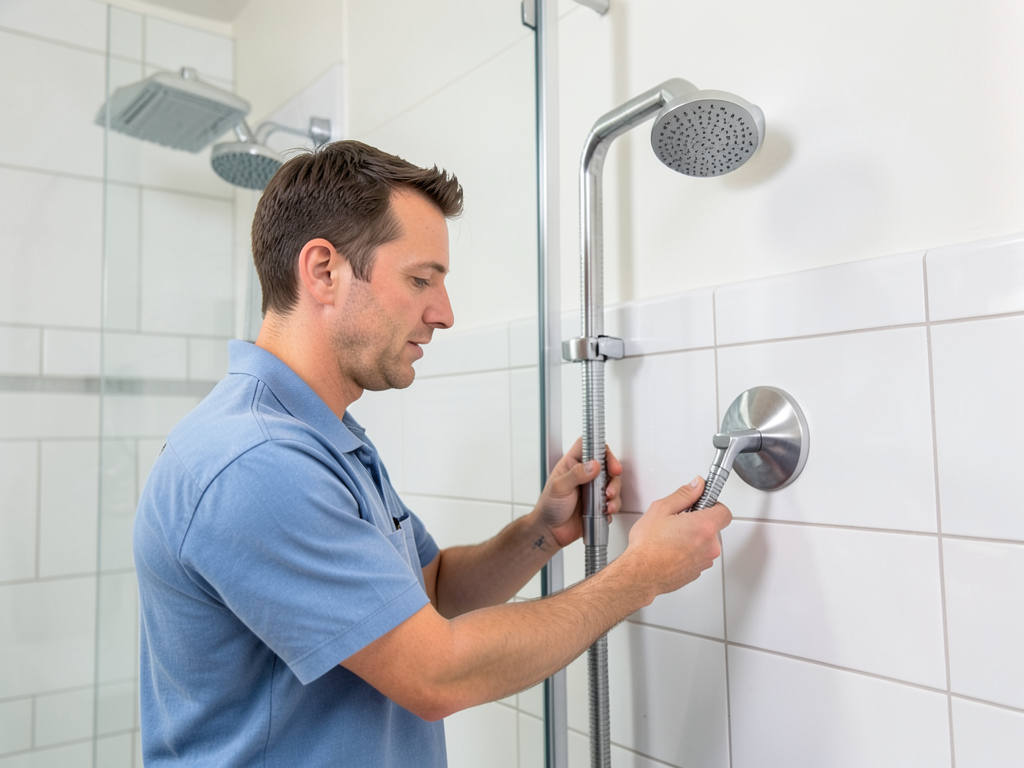
Choosing a High Performance Showerhead That Still Meets Georgia Water Flow Standards Looking for a showerhead that delivers a powerful…

Why Your New Milton Home Needs a Dedicated Backflow Preventer for the Irrigation System

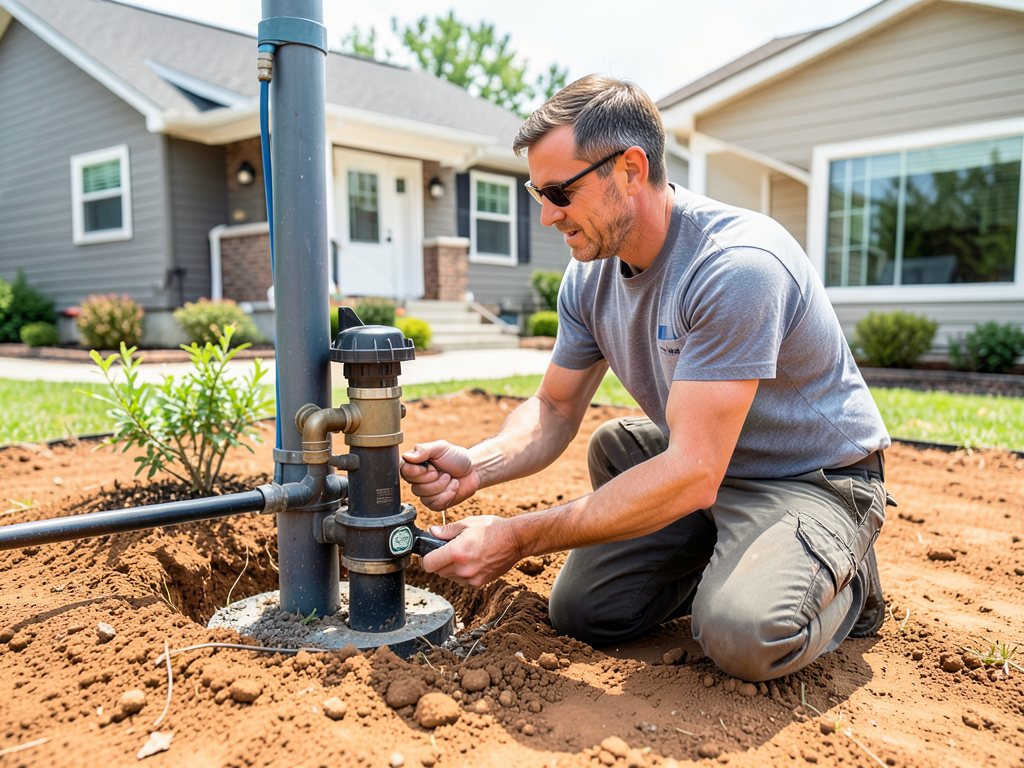
Why Your New Milton Home Needs a Dedicated Backflow Preventer for the Irrigation System Every new home in Milton with…

Contact Us

Sewer line damage gets worse every day you wait. Call Elite Plumbing Atlanta now at (770) 610-5522 for expert camera inspection and repair options. We provide same-day emergency service throughout the metro area.