What Every Midtown Homeowner Should Know About Shared Sewer Laterals
Living in Midtown Atlanta means enjoying historic charm and vibrant urban life. But many homeowners discover a hidden challenge when sewer problems strike: shared sewer laterals. These common pipes connect multiple homes to the city main and can create confusion about who pays for repairs. The good news is that Atlanta has clear rules about sewer responsibility that can save you thousands of dollars and prevent neighbor disputes. Atlanta Department of Watershed Management.
A shared sewer lateral is exactly what it sounds like – a single pipe that carries wastewater from multiple properties before connecting to the city’s main sewer line. In Midtown’s older neighborhoods, these shared connections were common during the early 1900s when sewer systems were first installed. Today, they affect hundreds of homes in the area, particularly those built before 1950. How to Deal with Main Sewer Line Clogs in Your Decatur Bungalow.
The Atlanta Department of Watershed Management (DWM) uses a simple rule called the “property line rule” to determine responsibility. Everything from your home to the property line is your responsibility. Everything from the property line to the city main belongs to Atlanta. This means if your shared lateral runs through your neighbor’s yard before reaching the main, the section in their yard might be the city’s responsibility while the section in your yard is yours. EPA Sewer System Guidelines.
Understanding this division matters because trenchless sewer repairs in Midtown typically cost between $3,000 and $8,000 depending on the length and complexity. A shared lateral that runs under multiple properties can easily push costs toward the higher end of that range. The location of the break or blockage determines who pays, not who benefits from the repair.
Midtown’s unique infrastructure creates specific challenges. Many homes in the area were built on narrow lots with minimal setbacks, meaning shared laterals often run directly under property lines or even under neighboring homes. The dense urban environment also means tree roots from mature oaks and magnolias frequently invade these pipes, causing blockages that affect multiple homes at once.
Property deeds in Midtown sometimes include sewer easements that grant access rights across neighboring properties. These legal documents can clarify responsibility when disputes arise. However, many homeowners don’t realize they exist until a crisis forces them to review their paperwork. Checking your deed for sewer easements should be part of your home maintenance routine.
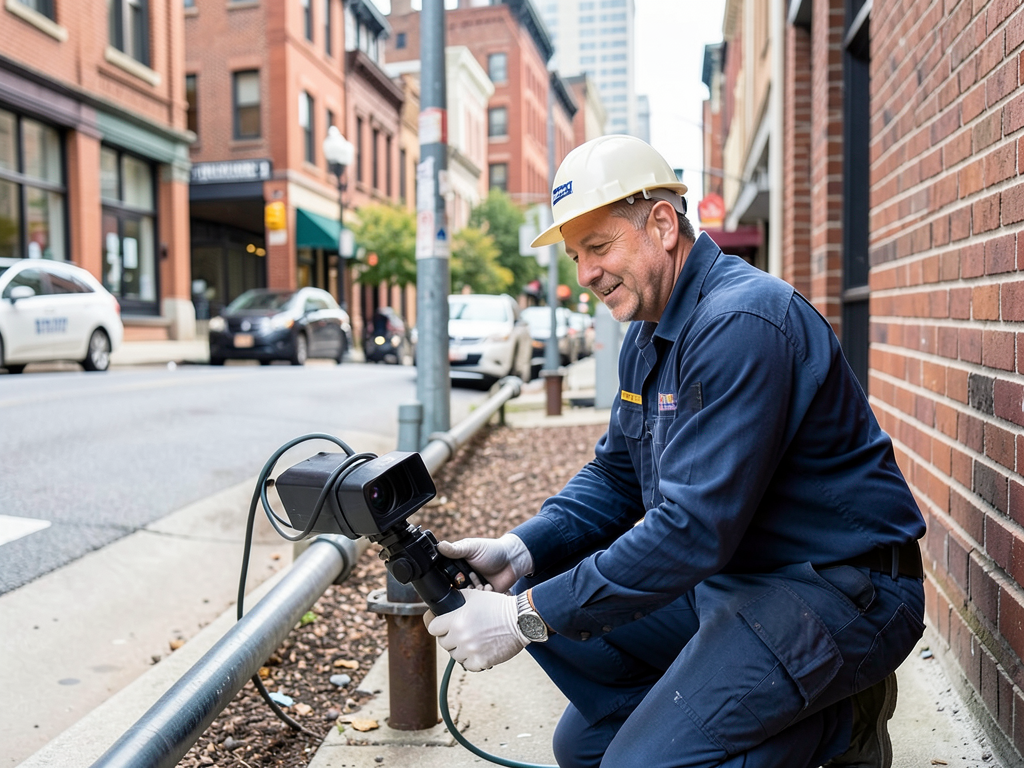
When a shared lateral fails, the first step is always professional inspection. A CCTV sewer camera inspection can pinpoint the exact location of damage and determine which section of pipe serves which properties. This diagnostic step costs around $300 but prevents costly mistakes about who should pay for repairs. The camera shows pipe condition, blockages, and can even identify the material – whether it’s clay, cast iron, or modern PVC.
Common scenarios in Midtown include tree root intrusion affecting the entire shared line, one neighbor’s grease buildup causing backups for everyone, or age-related deterioration in the main section of the lateral. In root intrusion cases, all affected homeowners typically share costs since the damage impacts everyone equally. However, if one neighbor’s specific actions cause the problem, they may bear full responsibility for that section.
The city of Atlanta offers some relief through its Clean Water Atlanta program, which provides grants and low-interest loans for certain sewer repairs in older neighborhoods. These programs specifically target areas with aging infrastructure where multiple homes share systems. Midtown properties built before 1950 may qualify for assistance, potentially reducing repair costs by 50% or more.
Prevention is always cheaper than emergency repairs. Regular hydro-jetting of shared laterals costs about $400 to $600 but can prevent $5,000 to $10,000 emergency repairs. This maintenance should be scheduled every 18 to 24 months for homes in Midtown, where tree root growth is aggressive due to the area’s mature canopy. Who to Call for an Emergency Pipe Burst in Buckhead.
Creating a formal maintenance agreement with your neighbors can prevent disputes before they start. These agreements outline who pays for routine maintenance, how emergency costs are split, and what happens if one neighbor refuses to participate. Having this document in place before a crisis occurs makes the repair process much smoother.
Insurance coverage for shared sewer laterals varies significantly. Standard homeowners policies typically exclude sewer line repairs, but some companies offer endorsements that cover lateral damage. Reviewing your policy now, before a problem occurs, can save you from unexpected expenses later. Some policies even cover the cost of temporary housing if sewer repairs require extended work.
Midtown’s soil conditions add another layer of complexity. The area’s mix of clay and loam soil expands and contracts with moisture changes, putting stress on underground pipes. This movement can cause cracks or separations in older clay pipes that were never designed to handle today’s wastewater volumes. Understanding your soil type helps predict potential problems before they become emergencies. The Best Way to Handle a Gas Line Leak in Smyrna.
Communication with neighbors becomes crucial when dealing with shared sewer issues. Many Midtown homeowners discover they share more than just a sewer line – they share the same plumber, the same tree roots, and the same aging infrastructure challenges. Building relationships with immediate neighbors can make problem-solving much easier when issues arise.
The repair process for shared laterals typically takes 2 to 4 days, depending on the method chosen. Trenchless pipe lining can often be completed in a single day with minimal yard disruption, while traditional excavation might require digging up driveways, sidewalks, or even portions of neighboring properties. The chosen method affects both cost and neighbor relations.
Atlanta’s building codes have evolved significantly since many Midtown homes were built. Modern requirements for pipe slope, material strength, and connection methods mean that repairs often involve upgrading to current standards. This can increase upfront costs but provides better long-term reliability and may be required by the city for permit approval.
Environmental factors also play a role in shared lateral longevity. Midtown’s combination of heavy rainfall, urban runoff, and aging infrastructure creates conditions where sewer lines face constant stress. The area’s combined sewer overflow system, designed to handle both stormwater and wastewater, can back up during heavy rains and put additional pressure on lateral lines.
Understanding your specific situation requires knowing your home’s age, the pipe material used, and the layout of your property relative to neighbors. Homes built between 1900 and 1930 often have clay pipes that are now 90 to 120 years old. These pipes were designed for a different era and may not handle modern household volumes or chemical compositions of today’s wastewater.
Professional plumbers familiar with Midtown’s specific challenges can provide valuable insights during the inspection process. They understand local soil conditions, common failure points, and the most effective repair methods for shared laterals in urban settings. Their experience can help you make informed decisions about whether to repair, replace, or upgrade your system.
The financial impact of shared lateral repairs extends beyond the immediate repair cost. Property values can be affected if sewer issues become known to potential buyers. Some lenders may require sewer line inspections before approving mortgages on homes with known shared lateral systems. Being proactive about maintenance can actually protect your home’s value.
Legal considerations become important when multiple parties share infrastructure. Georgia property law recognizes the concept of “common elements” in shared utility systems. This means that even if one neighbor uses the system more heavily, all parties typically share responsibility for maintenance and repairs of the common portions. Understanding these legal principles helps prevent costly disputes.
Technology continues to improve how we handle shared sewer issues. Modern CCTV inspection cameras can now create 3D maps of underground pipe networks, showing exactly how shared laterals connect and where potential problems might occur. This technology, while expensive upfront, can prevent much costlier emergency repairs by identifying issues early.
The future of shared sewer systems in Midtown likely involves gradual upgrades as homes are sold and renovated. New owners often replace aging lateral lines as part of major renovations, slowly converting the area’s shared systems to individual connections. However, this process takes decades, meaning shared laterals will remain a reality for most Midtown homeowners for years to come.
Being prepared for shared sewer issues means having a plan before problems occur. This includes knowing your property boundaries, understanding your insurance coverage, having contact information for immediate neighbors, and knowing which local plumbers have experience with Midtown’s specific infrastructure challenges. Preparation can turn a potential crisis into a manageable situation.
Call (770) 610-5522 today to schedule your sewer lateral inspection before the next backup occurs. Our Midtown specialists understand the unique challenges of shared sewer systems and can help you avoid costly neighbor disputes. Don’t wait until sewage backs up into your basement – proactive inspection costs far less than emergency repairs. What to Do When Your Marietta Basement Starts Flooding.
Frequently Asked Questions
How do I know if my sewer line is shared with neighbors?
Professional CCTV inspection is the most reliable method. The camera can trace your line to see where it connects with others. You can also check property records and sewer easements in your deed documents.
Who pays for repairs on a shared sewer lateral in Atlanta?
Responsibility follows the “property line rule” – you pay for your section, the city pays from the property line to the main. For the shared middle section, costs are typically split based on usage or property size unless otherwise agreed.
Can I be forced to pay for my neighbor’s sewer damage?
Not for damage they specifically caused, but you may share costs for common section repairs. Georgia law recognizes shared responsibility for common utility infrastructure, similar to how condominium associations handle shared building systems.
How often should shared sewer laterals be inspected?
Every 18 to 24 months for homes in Midtown due to aggressive tree root growth and aging infrastructure. Annual inspections are recommended for homes over 75 years old or those with known issues.
Does homeowners insurance cover shared sewer lateral repairs?
Standard policies typically exclude sewer line repairs, but some offer endorsements for lateral coverage. Review your policy or call your insurance agent to understand your specific coverage for shared sewer systems.