




Menu

Plumbing Services in Atlanta – Full-Service Residential and Commercial Solutions

From emergency repairs to complete system installations, Elite Plumbing Atlanta delivers expert plumbing services backed by deep knowledge of Atlanta's unique water pressure zones, aging infrastructure, and local building codes.

Slider Image 1
Slider Image 2
Slider Image 3
Slider Image 4
Slider Image 5
Slider Image 7
Slider Image 8
Slider Image 9
Slider Image 10
Slider Image 11

Atlanta's Plumbing Challenges Require Local Expertise

Atlanta sits on red clay soil that shifts with seasonal rain cycles. That movement cracks slab foundations and ruptures underground water lines. You see it in homes built before 1980 around Midtown and Buckhead. The pipes were laid in soil that expands when wet and contracts when dry. Over decades, this creates hairline fractures that turn into full breaks.

The city's water system delivers supply at higher pressure in elevated areas like Druid Hills. Lower zones near the Chattahoochee River experience different pressure dynamics. Professional plumbers who understand these variations can diagnose whether your frequent leaks stem from soil movement, pressure fluctuations, or corroded galvanized pipes common in pre-1970s construction.

Atlanta's humid summers accelerate condensation on cold water lines. You see water stains on ceilings that look like roof leaks but originate from sweating pipes in attics. Local plumbers who work in this climate recognize the difference immediately. They know which insulation methods prevent moisture buildup without trapping heat that damages PVC joints.

The city's rapid growth means many neighborhoods mix 100-year-old homes with new construction. Plumbing contractors who serve both Inman Park's historic districts and new developments in West Midtown understand how to integrate modern fixtures with old cast iron stacks without violating preservation guidelines. That local knowledge prevents costly permit delays and ensures repairs meet current code while respecting architectural integrity.

Choosing plumbing companies that operate daily in Atlanta's specific conditions means faster diagnosis and permanent fixes.

Atlanta's Plumbing Challenges Require Local Expertise
Comprehensive Diagnostic Process and Precision Repairs

Comprehensive Diagnostic Process and Precision Repairs

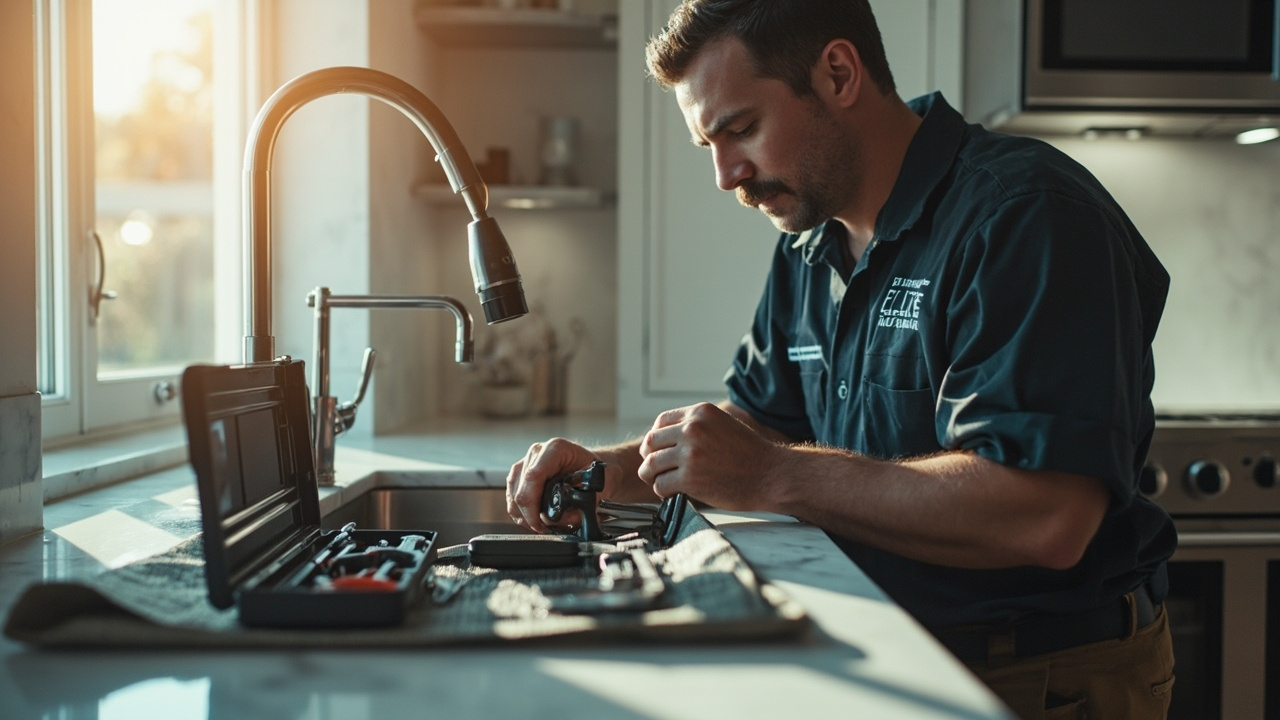
Elite Plumbing Atlanta approaches every service call with systematic evaluation. We start with pressure testing at multiple fixture points. This reveals whether problems originate at the main shutoff, branch lines, or individual fixtures. A pressure gauge reading below 40 PSI indicates supply issues. Readings above 80 PSI point to regulator failure that will destroy appliance valves and toilet fill mechanisms.

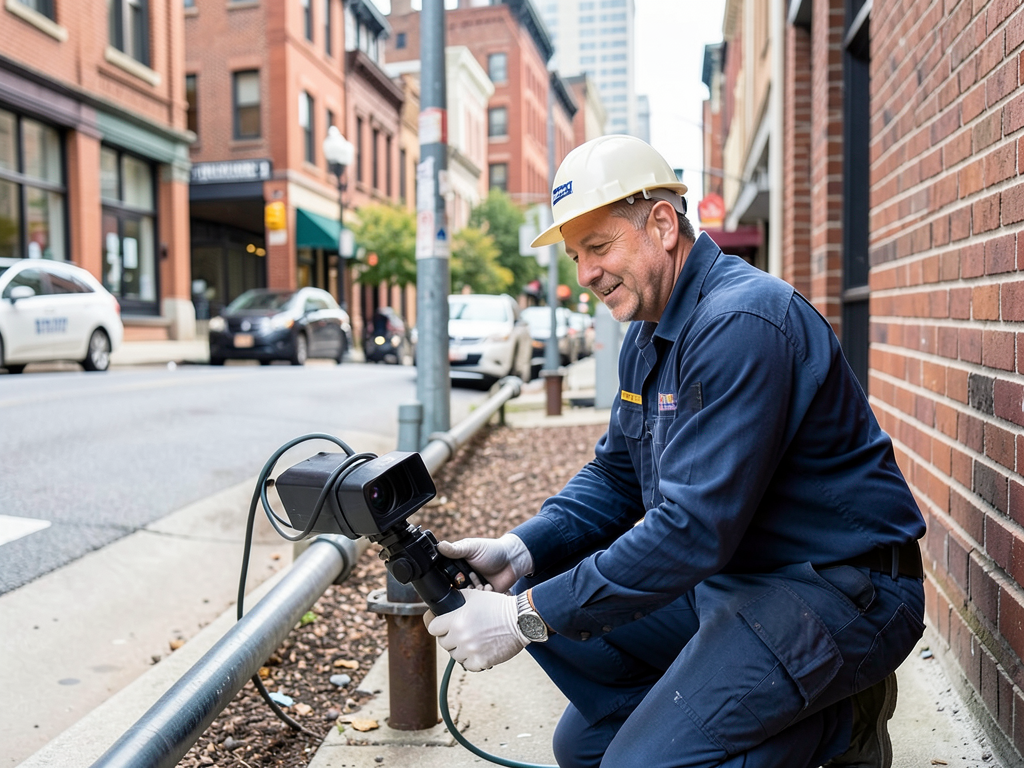
We use video camera inspection for underground lines and inside drain stacks. The camera identifies root intrusion, bellied sections where pipes sag and collect debris, and offset joints where sections separated. This eliminates guesswork. You see exactly what we see on a monitor. We mark the footage with depth measurements so excavation crews dig in the right spot the first time.

For leak detection, we employ acoustic listening devices that pick up the sound of water escaping under pressure. This technology locates pinhole leaks behind walls without tearing out drywall randomly. We also use thermal imaging to spot temperature differences where hot water seeps into wall cavities.

Our plumbing repair services include trenchless pipe repair for sewer lines. We insert an epoxy liner through existing access points and inflate it to create a new pipe inside the old one. This method works in Atlanta's clay soil without the foundation instability that open trenching causes. The cured liner resists root penetration and lasts 50 years.

When replacement makes more sense than repair, we upgrade to PEX manifold systems. These distribute water through individual lines to each fixture. A leak affects only one outlet, not the whole house. The flexible tubing routes through tight spaces without joints that corrode.

How We Deliver Plumbing Solutions in Atlanta

Plumbing Services in Atlanta – Full-Service Residential and Commercial Solutions
01

Initial Assessment and Testing

We arrive with diagnostic equipment and evaluate your entire plumbing system, not just the immediate problem. Pressure tests, flow rate measurements, and visual inspection of accessible pipes give us the complete picture. We explain findings in plain terms and show you evidence through camera feeds or gauge readings. You understand what failed and why it happened before we propose solutions.
02

Transparent Options and Execution

You receive detailed options with clear differences between temporary fixes and permanent solutions. We explain material choices like copper versus PEX, or traditional repair versus trenchless methods. Once you approve the scope, we complete work efficiently with proper shutoff procedures that minimize water disruption. We protect floors with drop cloths and contain debris in work zones to keep your home functional during repairs.
03

Testing and System Verification

After installation or repair, we test every connection under full pressure. We run fixtures simultaneously to verify adequate flow and check for leaks at joints. You receive documentation of work completed, materials used, and maintenance recommendations specific to your system. We walk you through shutoff valve locations and explain warning signs that indicate future service needs before they become emergencies.

Why Atlanta Residents Choose Elite Plumbing Atlanta

Elite Plumbing Atlanta operates exclusively in the metro area. We know which neighborhoods have galvanized supply lines prone to failure. We understand that homes in Virginia Highland often have outdated drum traps that violate current code. Properties near Piedmont Park deal with tree root invasion from mature oaks and maples.

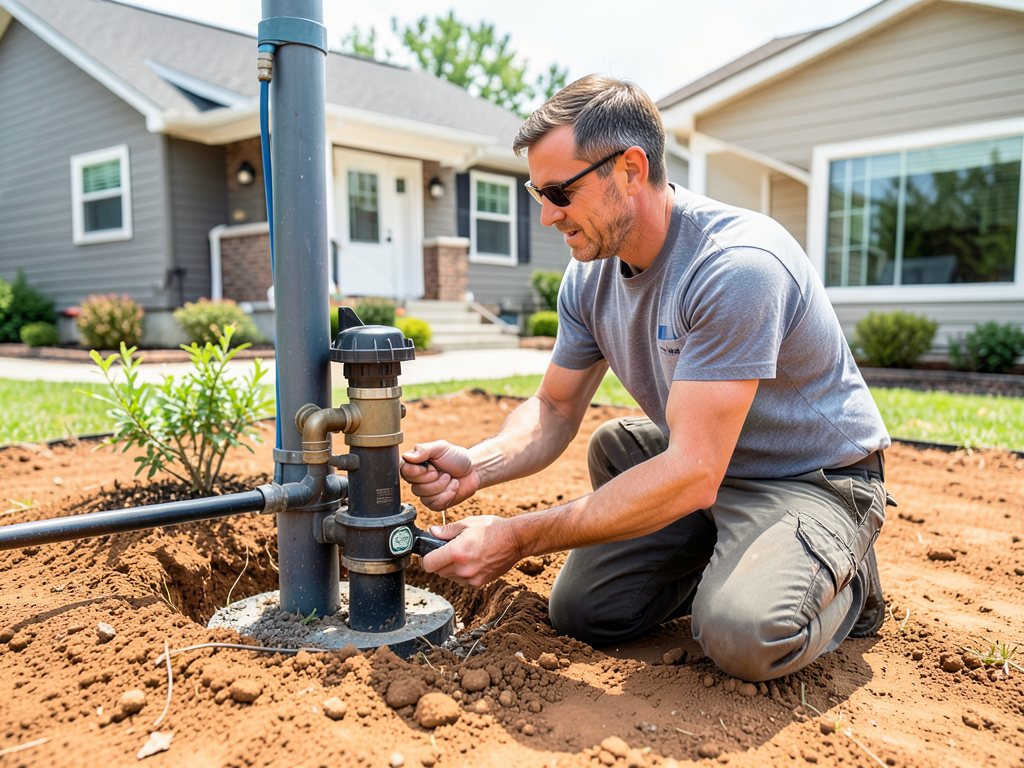
Our technicians train on Atlanta's plumbing code amendments that differ from generic state requirements. The city mandates backflow preventers on irrigation systems. Thermal expansion tanks are required on water heaters in closed systems. We install these components correctly the first time so inspections pass without delays.

We maintain relationships with local inspectors and permit offices. This speeds approval processes for jobs requiring permits. When you need emergency work at 2 AM on a burst pipe, we know which temporary repairs satisfy code until permanent fixes can be inspected during business hours.

Local plumbing contractors who work in Atlanta daily recognize patterns. We see the same failures in similar vintage homes. A 1950s ranch in East Atlanta likely has cast iron drains corroding from the inside. A 1980s split-level in Dunwoody probably has polybutylene supply lines that brittled and need replacement. This pattern recognition leads to accurate quotes and realistic timelines.

We stock trucks with parts that fit Atlanta's housing stock. You do not wait three days for a specialty valve that matches your 1960s fixtures. We carry adapters that connect old galvanized threads to new PEX fittings. Our inventory reflects what actually exists in Atlanta homes, not generic nationwide averages.

Choosing a local provider means someone who answers the phone recognizes your street name and knows the plumbing profile of your neighborhood.

What to Expect from Our Plumbing Services

Response Time and Availability

We dispatch technicians within two hours for emergency calls. Standard appointments schedule within 24 hours of your call. Our trucks carry common repair parts so most jobs complete in one visit. You receive a call 30 minutes before arrival with technician name and photo. Emergency service operates around the clock because pipe failures do not wait for business hours. Weekend and evening calls receive the same priority as weekday requests. We understand that a slab leak discovered Sunday morning needs immediate attention to prevent foundation damage.

Thorough Evaluation Process

Your consultation begins with questions about when problems started and what symptoms you noticed. We listen because details like whether leaks worsen at night indicate pressure issues. We test water quality if you report staining or odor. High iron content corrodes fixtures differently than acidic water. We inspect water heater anode rods and check expansion tanks for proper air charge. This comprehensive approach finds root causes instead of treating surface symptoms. You receive a written evaluation explaining what we found, what it means for your plumbing system, and recommended action with priority rankings.

Quality of Completed Work

We install components that meet or exceed manufacturer specifications. Joints receive proper cleaning and flux application before soldering copper. PEX connections use expansion method for strongest seals. We support horizontal runs every 32 inches to prevent sagging that creates drainage problems. Water hammer arrestors install at quick-closing valves to eliminate banging pipes. Finished work passes inspection on first submission because we follow code precisely. You receive photos of completed installations in walls before we close them up, documenting that work meets standards even in hidden spaces.

Ongoing Support and Maintenance

Our work comes with parts and labor coverage on installations. We stand behind repairs and return if issues arise from our work. You receive maintenance schedules customized to your system. Gas water heaters need annual flue inspection. Pressure regulators require testing every two years. We offer planned maintenance agreements that include priority scheduling and annual system checks. During these visits, we flush water heaters, test pressure relief valves, inspect exposed pipes for corrosion, and catch small issues before they become expensive failures. You build a service history that helps future diagnostics.

Frequently Asked Questions

You Have Questions,
We Have Answers

What do local plumbers charge per hour? +

Atlanta plumbers charge between $75 and $150 per hour, depending on experience, time of day, and job complexity. Licensed master plumbers command higher rates than apprentices. Emergency calls after hours or on weekends cost more, often $125 to $200 per hour. Factors include travel distance within the metro area, specific expertise needed for older homes in Historic Districts, and whether the job requires permits. Many Atlanta plumbers charge a flat diagnostic fee that applies toward the repair. Always confirm whether the quote includes parts, labor, and disposal fees before work begins.

What are the types of plumbing services? +

Plumbing services fall into three categories: drain and sewer work, water supply and fixtures, and gas line installation. Drain services include clearing clogs, hydro jetting, and sewer line camera inspections. Water supply work covers pipe repairs, repiping, water heater installation, and backflow prevention. Fixture services include faucet replacement, toilet repair, and shower valve installation. Atlanta plumbers also handle sump pump installation for homes with basement moisture issues, gas line work for appliances, and water line repairs complicated by clay soil shifting common in the region.

How to avoid getting ripped off by a plumber? +

Get three written estimates for non-emergency work. Ask for a breakdown of parts and labor separately. Verify the plumber holds a valid Georgia license and liability insurance. Avoid contractors who demand full payment upfront or pressure you into immediate decisions. For older Atlanta homes, be wary of scare tactics about replacing entire systems without diagnostic evidence. Request references and check reviews. Ask whether the estimate includes permits and disposal fees. If a price seems unusually low, question whether they use code-compliant materials. A reputable plumber explains the problem and shows you options.

How much would a plumber charge an hour? +

Expect $75 to $150 per hour for standard plumbing work in Atlanta. Factors affecting price include licensing level, job difficulty, and timing. A straightforward faucet repair during business hours sits at the lower end. Complex jobs like repiping, sewer line replacement, or work requiring excavation cost more. Emergency service after 5 p.m., weekends, or holidays runs $125 to $200 per hour. Some plumbers charge a trip fee or flat diagnostic rate that applies to the total bill. Always ask whether the hourly rate includes material markup or if parts are billed separately.

Is it cheaper to DIY or hire a plumber? +

Simple tasks like replacing a flapper valve or tightening supply lines save money if you have basic tools. Complex work like gas line installation, water heater replacement, or sewer repairs requires permits and professional expertise. DIY mistakes on jobs involving water pressure, gas connections, or drain venting create expensive damage and code violations. Atlanta's clay soil shifts foundations, complicating pipe alignment beyond homeowner skill. Hidden issues like corroded pipes behind walls turn small DIY projects into major repairs. Licensed plumbers carry insurance and warranty their work. Factor in your time, tool costs, and risk before attempting repairs.

What are common hidden plumbing costs? +

Hidden costs include permit fees, which Atlanta requires for water heater replacements and repiping. Disposal fees for old fixtures and materials add $50 to $150. If your home has outdated plumbing, bringing systems to code increases costs. Wall or floor repairs after accessing pipes can double project expense. Older Atlanta homes often have galvanized pipes that require full replacement once opened. Emergency shutoff valve replacement may be necessary if corroded. Sewer line work sometimes requires city coordination or easement access. Always ask for an itemized estimate that includes access work, cleanup, and restoration.

What is the 135 rule for plumbing? +

The 135 rule is not a standard plumbing code reference. You may be thinking of the fixture unit calculation method or specific drain slope requirements. Drain lines must slope 1/4 inch per foot for proper flow. Water supply lines require specific pressure ratings. Atlanta plumbing follows the International Plumbing Code with Georgia amendments. Venting rules dictate distances from traps to vent stacks. If a contractor mentions a 135 rule, ask for clarification and the specific code section. Reputable plumbers cite actual code numbers when explaining requirements for permits and inspections.

What is the most common plumbing repair? +

Drain clogs top the list, followed by leaking faucets and running toilets. Atlanta's hard water accelerates faucet wear and creates mineral buildup in aerators and showerheads. Toilet flappers deteriorate quickly in chlorinated city water. Older homes face galvanized pipe corrosion and sewer line root intrusion from mature trees. Water heater failures increase in homes with sediment buildup from municipal supply. Garbage disposal jams from improper use rank high. Many service calls involve simple fixes like replacing wax rings, adjusting fill valves, or clearing P-traps. Regular maintenance prevents most common issues.

What type of plumbing is no longer used? +

Polybutylene pipe, installed in homes from 1978 to 1995, fails prematurely and is no longer code-compliant. Many Atlanta homes built in that era need repiping. Lead pipes, banned decades ago, still exist in older neighborhoods and require immediate replacement. Galvanized steel pipe corrodes from the inside, restricting flow and contaminating water. Cast iron drain lines, common in pre-1970 homes, crack and corrode. Orangeburg pipe, a tar paper product used until the 1970s, collapses and is frequently found in older Atlanta properties. Modern plumbing uses PEX, copper, and PVC for reliability and code compliance.

What should you not say to a contractor? +

Never say you need work done today unless it is a true emergency. Pressure creates bad negotiating position. Avoid mentioning you got a wildly low competing bid, which signals unlicensed competition. Do not ask the plumber to skip permits. It puts them at legal risk and leaves you with code violations. Never tell them your absolute budget maximum upfront. Avoid saying previous plumbers told you different things without specifics. Do not ask them to work without insurance. Skip complaints about pricing before hearing the scope explanation. Let the professional diagnose before offering your opinion on the cause.

How Atlanta's Aging Water Infrastructure Affects Your Home Plumbing

Atlanta's water mains date from multiple construction eras. Sections installed in the 1950s through 1970s used materials that degrade over time. When the city flushes lines or repairs breaks, sediment dislodges and flows into your home through the service lateral. This rust and mineral buildup clogs aerators, damages washing machine valves, and shortens water heater life. Professional plumbers install whole-house sediment filters after main shutoffs to catch this debris before it reaches fixtures. We also recommend pressure regulators because the city's supply varies from 45 PSI to over 100 PSI depending on elevation and time of day. Unregulated pressure destroys appliance components and causes premature fixture failure.

Atlanta amended its plumbing code to address local conditions. Thermal expansion tanks became mandatory on water heaters in closed systems where backflow preventers or pressure regulators create one-way flow. Without expansion tanks, heated water has nowhere to expand, causing relief valves to drip constantly and tanks to fail early. Local plumbing companies who work under Atlanta permits daily understand these requirements. We also navigate the city's inspection process efficiently because we maintain current relationships with the permitting office. Choosing contractors familiar with Atlanta's specific amendments prevents failed inspections and ensures installations protect your home correctly.
Plumbing Services in The Atlanta Area

Elite Plumbing is conveniently located to serve the greater Atlanta area. Whether you're looking to visit our office, need to understand our service radius, or simply want to know where we're based, our map provides a clear visual. We pride ourselves on being accessible to all our clients, ensuring prompt and efficient service delivery across the region for all your plumbing needs.

Address:
Elite Plumbing Atlanta, 434 Marietta St NW, Atlanta, GA, 30313

Additional Services We Offer

Our news updates

Latest Articles & News from The Blogs

Essential Plumbing Planning for New Pool Houses and Cabanas in Cumming Building a pool house or cabana in Cumming requires…

Essential Plumbing Planning for New Pool Houses and Cabanas in Cumming

Essential Plumbing Planning for New Pool Houses and Cabanas in Cumming Building a pool house or cabana in Cumming requires…

Why Building an Outdoor Shower is the Ultimate Upgrade for Your Scottdale Backyard

Why Building an Outdoor Shower is the Ultimate Upgrade for Your Scottdale Backyard Scottdale homeowners are discovering that outdoor showers…

Deciding Between Gas and Electric Water Heaters for Your New Lawrenceville Home

Deciding Between Gas and Electric Water Heaters for Your New Lawrenceville Home If you’re building or renovating in Lawrenceville, Georgia,…

Contact Us

Call Elite Plumbing Atlanta at (770) 610-5522 for fast diagnosis and permanent solutions. We answer calls 24 hours a day and dispatch immediately for emergencies. Standard appointments book within one business day. Get expert service from plumbing contractors who know Atlanta's systems.