



Menu

Trenchless Sewer Repair in Atlanta – Zero Downtime for Your Commercial Property

Keep your business operational with trenchless sewer repair that eliminates excavation delays, protects your parking lots and landscaping, and restores full sewer capacity in hours instead of days.

Slider Image 1
Slider Image 2
Slider Image 3
Slider Image 4
Slider Image 5
Slider Image 7
Slider Image 8
Slider Image 9
Slider Image 10
Slider Image 11

Commercial Sewer Failures Cost You Revenue Every Hour

A compromised sewer line in your Atlanta commercial facility creates immediate liability. Blocked drains force bathroom closures. Slow drainage disrupts kitchen operations. Sewage backups violate health codes and trigger mandatory shutdowns.

Traditional excavation multiplies the damage. Digging trenches across your parking lot closes customer access for days. Heavy equipment tears through asphalt and landscaping. Your business loses revenue while contractors work around the clock to minimize closure time.

Atlanta's red clay soil compounds the problem. Clay expansion during wet seasons and contraction during dry periods stress aging cast iron and clay pipe systems common in properties built before 1980. Tree roots from the city's dense urban canopy infiltrate cracked joints and create total blockages. Storm surge from Atlanta's 50-inch annual rainfall overwhelms undersized sewer laterals in older commercial districts like Old Fourth Ward and West End.

Trenchless sewer repair solves the access problem. No-dig sewer repair techniques restore full pipe function without surface disruption. CIPP sewer repair installs a structural liner inside your existing pipe through a single access point. Trenchless pipe lining cures in place to create a seamless, root-proof barrier. Trenchless pipe rehabilitation returns your sewer system to full capacity while your business stays open. Trenchless sewer replacement handles complete pipe failures through directional boring that leaves pavement intact.

You need a solution that protects business continuity while meeting commercial building codes.

Commercial Sewer Failures Cost You Revenue Every Hour
How We Execute No-Excavation Sewer Restoration

How We Execute No-Excavation Sewer Restoration

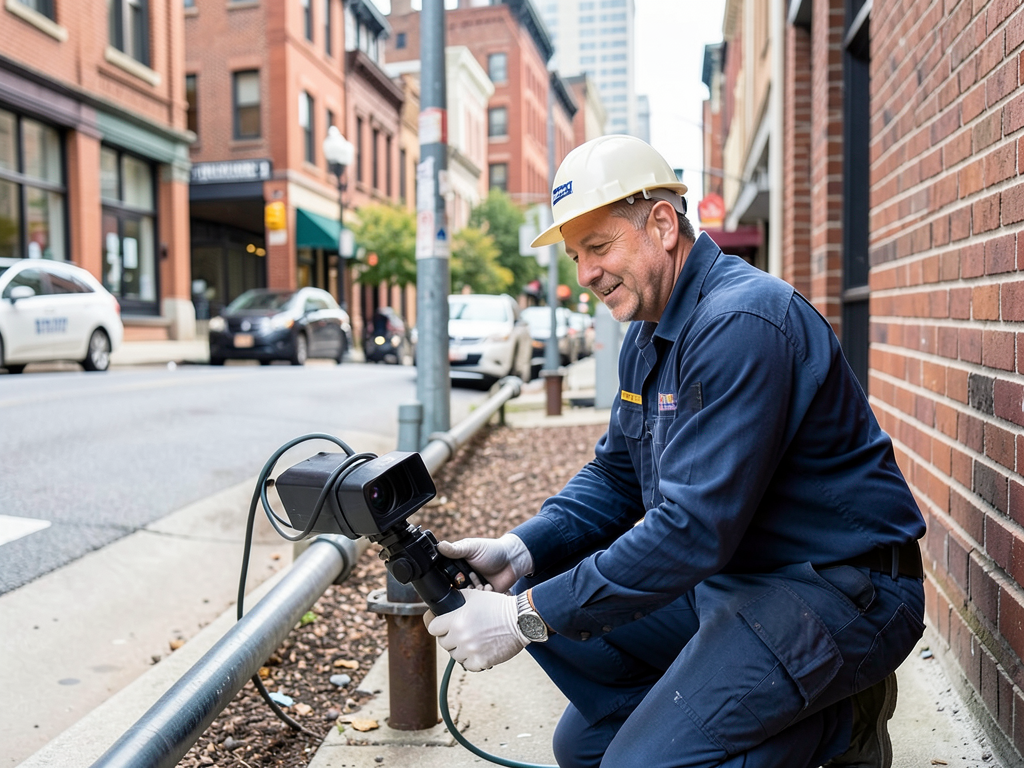
We deploy camera inspection first. A high-resolution sewer camera maps the exact location and severity of pipe damage. The camera identifies root intrusion points, offset joints, collapsed sections, and corrosion depth. This diagnostic data determines whether trenchless pipe lining or full trenchless sewer replacement delivers the most cost-effective solution.

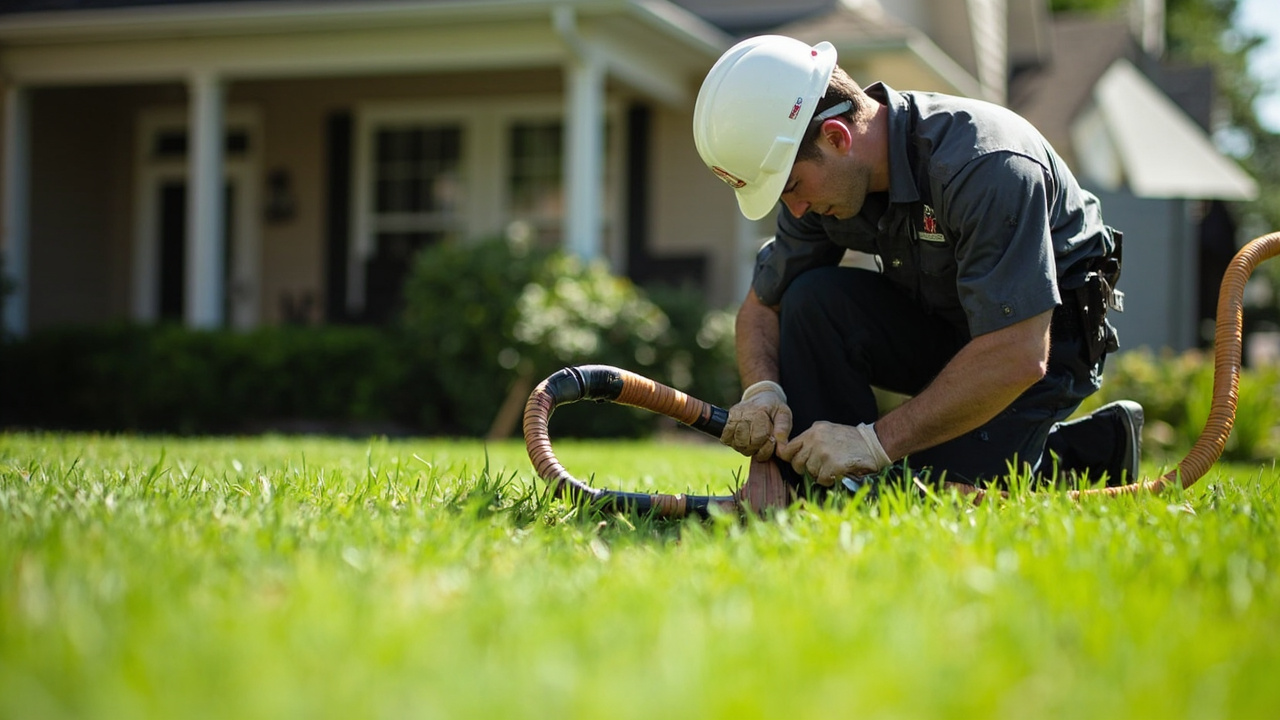
For partial deterioration, we use CIPP sewer repair. Cured-in-place pipe lining involves inserting a resin-saturated felt tube into your existing sewer line. We invert the liner through a cleanout or small access pit, then cure it with hot water or UV light. The cured liner bonds to the host pipe interior and creates a smooth, jointless surface that resists root penetration and chemical erosion. The process takes four to six hours for standard commercial laterals.

Complete pipe collapse requires trenchless sewer replacement through pipe bursting or directional boring. Pipe bursting pulls a hydraulic head through the failed line while simultaneously fracturing the old pipe outward and drawing new HDPE pipe into place. Directional boring installs an entirely new line along a new path when the existing alignment is unusable. Both methods preserve your pavement and avoid the 72-hour cure time required for asphalt replacement after excavation.

We coordinate all work to match your operational schedule. Night shifts and weekend installations keep disruption away from peak business hours. Our equipment footprint stays within your service alley or designated staging area. You maintain customer access throughout the repair cycle.

Your Commercial Sewer Repair Timeline

Trenchless Sewer Repair in Atlanta – Zero Downtime for Your Commercial Property
01

Video Diagnostics and Scoping

We start with a complete camera inspection of your sewer lateral from the building connection to the municipal main. The video documentation maps pipe diameter, material type, blockage locations, and structural defects. You receive a digital report with footage timestamps and repair recommendations. This diagnostic phase typically completes within two hours and requires no excavation or business interruption.
02

Trenchless Installation Execution

Our crew stages equipment in your designated area and completes the liner installation or pipe replacement. For CIPP lining, we hydro-jet the line clean, insert and cure the liner, then perform a final camera inspection to verify full adhesion. For pipe bursting, we excavate two small pits at entry and exit points, then pull the new pipe through in a single continuous run. Most commercial projects finish within an eight-hour shift.
03

Testing and Code Compliance

We perform a mandrel test to confirm the liner maintains full pipe diameter, then conduct a water test to verify zero infiltration. You receive documentation that satisfies City of Atlanta building inspection requirements and proves compliance with commercial plumbing codes. The repaired line carries the same flow capacity as new pipe and meets all structural load ratings for your property classification.

Why Atlanta Facility Managers Choose Elite Plumbing Atlanta

We operate under City of Atlanta commercial plumbing permits and maintain the liability coverage your property insurer requires. Our technicians hold Georgia master plumber licenses and complete manufacturer certification in trenchless repair systems from Perma-Liner and Nu Flow.

Atlanta's infrastructure age creates specific challenges. Many commercial properties in Midtown, Downtown, and Virginia-Highland rely on sewer laterals installed between 1950 and 1980. These clay and cast iron pipes deteriorate faster in Georgia's acidic red clay soil. Tree roots from mature water oaks and sweet gums common to Atlanta's tree canopy penetrate aging joints and create total blockages. We deal with these conditions daily.

Our camera fleet includes push cameras for four-inch lines and crawler units for eight-inch and larger commercial mains. We carry pipe bursting heads sized for three-inch through 12-inch replacements. Our CIPP liner inventory spans all standard commercial diameters. This equipment depth means we complete your project without waiting for specialty tools or subcontractors.

We coordinate with your property management team to schedule work during low-occupancy periods. Weekend and overnight installations keep disruption away from business hours. Our crews understand the difference between restaurant grease trap maintenance requirements and medical facility drainage codes. We adjust our approach based on your facility type and operational constraints.

You get documentation that satisfies both your insurance carrier and city inspectors. Every project includes pre-repair video, post-repair video, and written certification of code compliance. This paper trail protects you during property transactions and lease renewals.

What Your Commercial Repair Includes

Project Timeline and Scheduling Flexibility

Most commercial trenchless repairs complete within eight to 12 hours from equipment arrival to final testing. We schedule work during your specified low-traffic windows. Night crews and weekend shifts keep disruption away from peak business hours. Emergency response for active sewage backups begins within two hours of your call. Our staging area footprint stays within your service alley or designated contractor zone. You maintain full customer access to parking and building entrances throughout the repair cycle.

Camera Inspection and Damage Assessment

Every project starts with high-resolution video inspection that maps your entire sewer lateral. The camera identifies root intrusion points, pipe material transitions, offset joints, and corrosion depth. You receive a digital report with footage timestamps and GPS coordinates for each defect. This diagnostic data determines whether partial lining or full replacement delivers the most cost-effective solution. The inspection process takes 90 minutes to two hours and requires zero excavation. You get clarity before committing to repair scope.

Structural Restoration and Flow Capacity

Your repaired sewer line carries the same flow capacity as new pipe. CIPP liners cure to a structural rating that meets ASTM F1216 standards for commercial applications. The seamless interior eliminates joint offsets that trap debris and grease buildup. Root barriers prevent future tree intrusion. Pipe bursting installations use HDPE pipe rated for 100-year service life under commercial load conditions. All work satisfies City of Atlanta plumbing code requirements and passes inspection without modification.

Documentation and Long-Term Performance

You receive complete documentation that includes pre-repair video, post-repair video, material certifications, and written code compliance verification. This package satisfies property insurance requirements and supports due diligence requests during lease negotiations or property sales. CIPP liners carry material performance data from independent testing labs. We provide maintenance recommendations specific to your facility type, whether restaurant grease management or medical facility drainage protocols. Follow-up camera inspections at 12-month intervals confirm long-term liner adhesion and flow performance.

Frequently Asked Questions

You Have Questions,
We Have Answers

Is trenchless sewer repair worth it? +

For commercial properties in Atlanta, trenchless sewer repair delivers significant ROI. You avoid business downtime by eliminating full excavation. The process takes hours, not days, keeping operations running. Atlanta's clay soil shifts constantly, making traditional trenching more disruptive and costly. Trenchless methods install durable liners or burst old pipes without tearing up parking lots, sidewalks, or landscaping. You reduce liability exposure from open trenches and minimize ADA compliance issues. The cured-in-place pipe liners last 50-plus years. When you factor in lost revenue, restoration costs, and regulatory compliance, trenchless methods typically cost less than traditional replacement while protecting your bottom line.

What are the disadvantages of trenchless pipe lining? +

Trenchless pipe lining has limitations you need to understand. If your existing pipe has completely collapsed or severely offset joints, lining may not work. You need at least partial structural integrity. The process slightly reduces interior pipe diameter, which can affect flow capacity in undersized lines. Access points must exist or be created for camera inspection and liner insertion. Atlanta's older commercial buildings sometimes have corroded cast iron with heavy scale buildup that requires cleaning before lining. Root intrusion must be cleared first. Not every contractor has proper certification or equipment. Poor installation creates bubbles or incomplete curing, leading to premature failure. You need experienced technicians who understand local soil conditions and pipe materials.

What is the cheapest way to replace a sewer line? +

The cheapest immediate option is spot repair for isolated damage, not full replacement. If only one section has failed, Atlanta contractors can excavate that 10-foot segment and patch it. Traditional open-trench replacement costs less per linear foot than trenchless, but hidden costs multiply fast. You pay for asphalt removal, landscaping restoration, traffic control, and extended labor. Atlanta's clay soil requires wider trenches for safety, increasing excavation costs. For commercial properties, business interruption losses often exceed direct repair costs. Trenchless pipe bursting or lining costs more upfront but eliminates restoration expenses and downtime. The true cheapest option depends on your specific site conditions, accessibility, and operational impact analysis.

Does homeowners insurance cover sewage line repairs? +

Most standard commercial property policies exclude sewer line coverage. Policies typically cover sudden, accidental damage but not maintenance issues or gradual deterioration. Atlanta's shifting clay soil causes slow pipe separation over time, which insurers classify as maintenance. Root intrusion and corrosion also fall outside standard coverage. Some policies cover backup damage to your building interior but not the exterior line repair itself. You can purchase sewer line endorsements or separate equipment breakdown coverage. Review your policy's water damage exclusions carefully. If a covered peril like a vehicle impact or construction accident damages your line, you may have coverage. Document everything and file claims promptly. Most Atlanta businesses self-fund sewer repairs or use capital reserves.

Why Atlanta's Clay Soil Accelerates Commercial Sewer Failures

Atlanta sits on Piedmont red clay soil that expands during wet seasons and contracts during drought periods. This cyclical movement stresses rigid sewer pipes and opens joints in clay and cast iron lines common to commercial properties built before 1980. The soil's acidity accelerates corrosion in metal pipes. Storm events that dump two to three inches of rain in an hour overwhelm undersized laterals in older commercial districts. Tree roots from mature water oaks and sweet gums infiltrate cracked joints and create complete blockages. Trenchless pipe rehabilitation solves these problems without excavating through parking lots or tearing up landscaping that took decades to establish.

City of Atlanta commercial plumbing permits require licensed contractors with proper liability coverage and workers compensation insurance. We maintain these credentials and coordinate directly with city inspectors to ensure your repair passes inspection on first submission. Our familiarity with local code requirements for grease trap connections, backflow prevention, and storm drain separation saves you from compliance delays. Atlanta facility managers choose local contractors who understand regional soil conditions and can source parts from local suppliers when projects need rapid completion.
Plumbing Services in The Atlanta Area

Elite Plumbing is conveniently located to serve the greater Atlanta area. Whether you're looking to visit our office, need to understand our service radius, or simply want to know where we're based, our map provides a clear visual. We pride ourselves on being accessible to all our clients, ensuring prompt and efficient service delivery across the region for all your plumbing needs.

Address:
Elite Plumbing Atlanta, 434 Marietta St NW, Atlanta, GA, 30313

Additional Services We Offer

Our news updates

Latest Articles & News from The Blogs

What Every Midtown Homeowner Should Know About Shared Sewer Laterals Living in Midtown Atlanta means enjoying historic charm and vibrant…

What Every Midtown Homeowner Should Know About Shared Sewer Laterals

What Every Midtown Homeowner Should Know About Shared Sewer Laterals Living in Midtown Atlanta means enjoying historic charm and vibrant…

Choosing a High Performance Showerhead That Still Meets Georgia Water Flow Standards

Choosing a High Performance Showerhead That Still Meets Georgia Water Flow Standards Looking for a showerhead that delivers a powerful…

Why Your New Milton Home Needs a Dedicated Backflow Preventer for the Irrigation System

Why Your New Milton Home Needs a Dedicated Backflow Preventer for the Irrigation System Every new home in Milton with…

Contact Us

Call Elite Plumbing Atlanta at (770) 610-5522 for immediate commercial sewer repair. We provide same-day camera inspection and coordinate trenchless repairs around your business schedule. Your facility stays operational while we restore full sewer capacity.