




Menu

Water Stains on Ceiling or Walls in Atlanta – Expert Diagnosis and Permanent Leak Repair

We trace the source of brown spots on ceiling, ceiling discoloration from leak, and moisture stains on drywall back to the exact plumbing failure, then fix it right the first time so your walls stay dry.

Slider Image 1
Slider Image 2
Slider Image 3
Slider Image 4
Slider Image 5
Slider Image 7
Slider Image 8
Slider Image 9
Slider Image 10
Slider Image 11

Why Atlanta Homes Show Water Stains Faster Than You Think

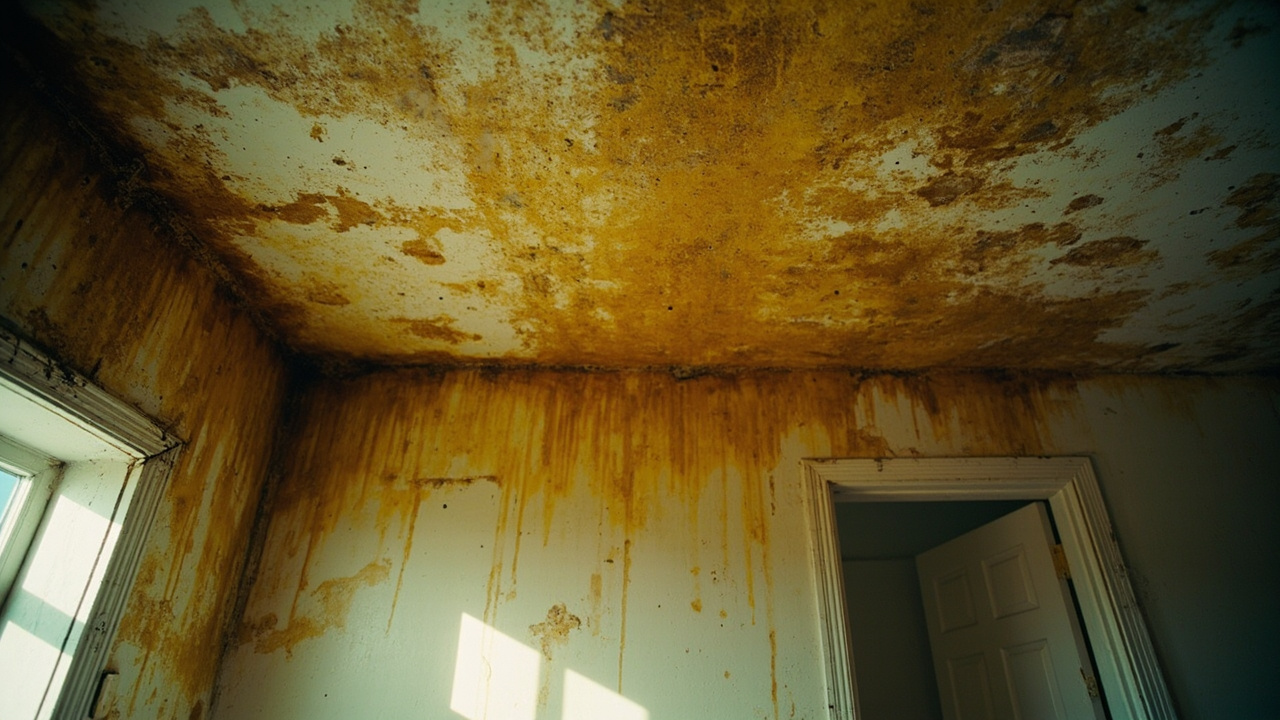
You walk into your bathroom and notice a yellow water mark spreading across the ceiling. Or maybe you spot damp patches on walls near your kitchen sink. These brown spots on ceiling and moisture stains on drywall are not cosmetic issues. They are visible proof that water is escaping from somewhere in your plumbing system and saturating the building materials around it.

Atlanta's humid subtropical climate makes this worse. When indoor leaks meet high outdoor humidity, drywall stays damp longer. Mold spores germinate within 24 to 48 hours. The cellulose in your drywall becomes a food source. What starts as a small ceiling discoloration from leak can turn into a structural problem that requires wall removal, mold remediation, and insurance claims.

The stain itself is not the problem. It is the symptom. Behind that yellow water mark is a failed wax ring, a corroded supply line, a pinhole leak in copper pipe, or a compromised shower pan. Homes in neighborhoods like Buckhead and Virginia Highland often have older cast iron drain stacks that crack from soil shifting. Ranch homes in East Atlanta and Decatur built in the 1960s commonly have galvanized supply lines that rust from the inside out.

You cannot fix a water stain by painting over it. You have to stop the water intrusion at its source. That requires someone who knows how to trace moisture back through wall cavities, under subfloors, and into the plumbing system itself.

Why Atlanta Homes Show Water Stains Faster Than You Think
How We Find and Fix the Leak Behind the Stain

How We Find and Fix the Leak Behind the Stain

Most homeowners call a painter when they see ceiling discoloration from leak. That is a mistake. Paint does not stop water. It traps moisture behind a new coat and feeds mold growth. We approach water stains as plumbing diagnostics, not cosmetic repairs.

First, we determine whether the leak is supply-side or drain-side. Supply leaks are pressurized and constant. Drain leaks are intermittent and depend on usage. We use moisture meters to map the wet zone and thermal imaging cameras to detect temperature differences caused by evaporating water. This tells us whether the leak is active or residual.

Next, we access the plumbing. If the stain is on a ceiling, the leak is likely in the floor above. We inspect fixtures, trap arms, supply valves, and drain connections. We check for failed caulking around tubs and showers, which allows water to seep into the subfloor. In older Atlanta homes with slab foundations, we pressure test the slab lines to rule out under-slab leaks.

Once we isolate the source, we make the repair. This might mean replacing a corroded angle stop, re-soldering a pinhole leak in copper pipe, or replacing a toilet flange that has broken the wax seal. We do not patch. We replace the failed component.

After the repair, we verify the fix with a pressure test or dye test. Then we document the dry-out period. Drywall needs to return to below 15 percent moisture content before you seal it. Anything higher and you are painting over a future mold problem.

What Happens When You Call About Water Stains

Water Stains on Ceiling or Walls in Atlanta – Expert Diagnosis and Permanent Leak Repair
01

Leak Source Identification

We inspect the stained area and use moisture meters to measure water content in drywall, baseboards, and framing. Then we trace the moisture pattern back to the plumbing system. We check all fixtures, supply lines, drain traps, and waste stacks within the wet zone. This diagnostic phase prevents guesswork and unnecessary demolition.
02

Plumbing System Repair

Once we locate the failed component, we replace it with code-compliant materials. This might involve cutting into walls to access supply lines, removing toilets to replace wax rings, or re-piping sections of corroded galvanized steel. We use copper, PEX, or PVC depending on the application. Every repair is pressure tested before we close walls.
03

Dry-Out Verification

After the leak is fixed, we re-check moisture levels over a 48 to 72 hour period. Drywall and framing must drop below 15 percent moisture content before reconstruction. We provide documentation of moisture readings so your contractor or insurance adjuster knows the structure is safe to close. This step prevents hidden mold growth.

Why Atlanta Homeowners Call Elite Plumbing for Water Stain Diagnostics

Elite Plumbing Atlanta does not treat water stains as paint jobs. We treat them as evidence of plumbing failure. That mindset matters because most stains come back within months if the underlying leak is not properly identified and repaired.

We know the plumbing patterns in Atlanta homes. Craftsman bungalows in Grant Park and Inman Park often have cast iron drain stacks that crack at the hub connections. Post-war ranch homes in Druid Hills and Morningside have galvanized supply lines that corrode from decades of chlorinated city water. Newer construction in Brookhaven and Sandy Springs sometimes has PEX fittings that fail at crimped connections.

We also understand how Atlanta's clay soil affects homes. Fulton County and DeKalb County sit on expansive clay that swells when wet and shrinks when dry. This creates foundation movement that stresses drain lines and causes slab leaks. If your water stain is on a ground floor ceiling or near an exterior wall, we check for slab line failure before we open walls.

Our trucks carry moisture meters, thermal cameras, and pressure test equipment. We do not guess. We measure. And we do not leave until we verify the repair with a re-test. You get documentation of moisture readings, photos of the failed component, and a written summary of what caused the leak.

We also work directly with restoration contractors and insurance adjusters. If your stain requires mold remediation or drywall replacement, we provide the technical documentation they need to scope the job correctly. This prevents disputes and speeds up claims processing.

What You Should Expect From Professional Leak Diagnostics

Response Time for Water Stains

Water stains indicate active or recent leaks. We prioritize these calls because the longer water sits in building materials, the higher the risk of mold colonization. Most diagnostic appointments happen within 24 hours of your call. If the stain is actively growing or you see dripping, we treat it as an emergency and dispatch same-day. Our goal is to stop the water intrusion before secondary damage begins.

The Diagnostic Process Explained

We start with a visual inspection of the stain and the plumbing fixtures above or adjacent to it. Then we use moisture meters to measure water content in drywall, baseboards, and framing. Thermal imaging cameras help us detect hidden leaks behind walls. We pressure test supply lines and run dye tests on drains to confirm the source. This process takes 60 to 90 minutes depending on access and complexity.

The Quality of the Repair

We replace failed components with code-compliant materials. If your supply line has a pinhole leak, we replace the entire run between shutoffs to prevent future failures in the same corroded pipe. If your drain trap has a cracked hub, we replace the trap assembly and test for leaks under full flow. Every repair is pressure tested or dye tested before we close walls or leave your home.

Documentation and Follow-Up

You receive a written report that includes photos of the failed component, moisture readings before and after the repair, and a description of the work performed. If reconstruction is needed, we provide moisture documentation to your contractor or insurance adjuster. We also offer follow-up moisture checks at no charge to verify the structure has dried completely. This protects you from hidden mold growth.

Frequently Asked Questions

You Have Questions,
We Have Answers

Why is there a water stain on my ceiling but no leak? +

A water stain without an active leak often points to condensation buildup or a past leak that has since stopped. In Atlanta's humid climate, poor attic ventilation traps moisture that condenses on cold surfaces. This creates staining even when no pipe is dripping. You might also see this from bathroom exhaust fans venting into the attic instead of outside. Another cause is roof leaks that only appear during heavy rain but dry out between storms. The stain remains as evidence. A plumber can inspect your plumbing lines and attic conditions to identify the moisture source before mold develops.

When to be concerned about water spots on a ceiling? +

Act immediately if the stain is growing, feels wet to the touch, or you see bubbling paint. These signs indicate active water intrusion that can collapse drywall and foster mold growth within 24 to 48 hours. Also concern yourself if the stain appears after rainfall or running water upstairs. Atlanta's clay soil shifts with moisture changes, sometimes cracking foundation walls and allowing groundwater seepage. Dark or discolored rings suggest prolonged exposure and possible structural damage. Even old, dry stains warrant investigation because intermittent leaks often worsen. Schedule a professional inspection to assess the damage extent and source.

Why am I getting wet spots on my ceiling? +

Wet spots on your ceiling usually mean water is leaking from above. Common culprits include leaking supply lines, damaged toilet wax rings, or shower pan failures in upper bathrooms. In Atlanta homes with attics, roof leaks from damaged shingles or flashing allow rainwater penetration. HVAC condensate drain clogs also cause overflow into ceiling cavities. Sometimes the wet spot appears far from the actual leak point because water travels along joists or pipes before dripping through drywall. The problem will not fix itself. Contact a licensed plumber to trace the water source and make repairs before you face ceiling collapse or electrical hazards.

How to tell if water is leaking behind a wall? +

Check for these signs: peeling or bubbling paint, discolored drywall patches, warped baseboards, or a musty odor. You might notice soft spots when pressing the wall. In Atlanta's humid environment, hidden leaks create ideal mold conditions quickly. Watch for unexplained increases in your water bill or the sound of running water when all fixtures are off. Use a moisture meter on suspected areas or look for water pooling near the wall base. Infrared cameras can detect temperature differences from wet insulation. If you suspect a leak behind walls, shut off the water main and call a plumber immediately for leak detection before structural damage spreads.

Why Atlanta's Humidity Makes Water Stain Diagnosis Critical

Atlanta averages 51 inches of rain per year and maintains high relative humidity from April through October. When plumbing leaks saturate drywall in this environment, the material stays damp longer than it would in drier climates. Mold spores begin colonizing within 48 hours, and the cellulose in drywall provides a nutrient source. What starts as a small brown spot on ceiling can turn into a full mold remediation project if the leak is not traced and stopped quickly. This is why moisture meter readings and dry-out verification matter in Atlanta homes.

Elite Plumbing Atlanta has worked in neighborhoods across Fulton, DeKalb, and Cobb counties. We know the plumbing systems in historic Craftsman bungalows, mid-century ranch homes, and newer construction in expanding suburbs. We understand how local clay soil affects foundation movement and drain line stress. And we work directly with Atlanta-area restoration contractors and insurance adjusters who need accurate diagnostic reports to process claims. Choosing a local plumber means you get someone who knows the building patterns, soil conditions, and climate challenges specific to this region.
Plumbing Services in The Atlanta Area

Elite Plumbing is conveniently located to serve the greater Atlanta area. Whether you're looking to visit our office, need to understand our service radius, or simply want to know where we're based, our map provides a clear visual. We pride ourselves on being accessible to all our clients, ensuring prompt and efficient service delivery across the region for all your plumbing needs.

Address:
Elite Plumbing Atlanta, 434 Marietta St NW, Atlanta, GA, 30313

Additional Services We Offer

Our news updates

Latest Articles & News from The Blogs

Essential Plumbing Planning for New Pool Houses and Cabanas in Cumming Building a pool house or cabana in Cumming requires…

Essential Plumbing Planning for New Pool Houses and Cabanas in Cumming

Essential Plumbing Planning for New Pool Houses and Cabanas in Cumming Building a pool house or cabana in Cumming requires…

Why Building an Outdoor Shower is the Ultimate Upgrade for Your Scottdale Backyard

Why Building an Outdoor Shower is the Ultimate Upgrade for Your Scottdale Backyard Scottdale homeowners are discovering that outdoor showers…

Deciding Between Gas and Electric Water Heaters for Your New Lawrenceville Home

Deciding Between Gas and Electric Water Heaters for Your New Lawrenceville Home If you’re building or renovating in Lawrenceville, Georgia,…

Contact Us

Water stains grow when leaks go unfixed. Call Elite Plumbing Atlanta at (770) 610-5522 to schedule a diagnostic inspection. We trace the source, make the repair, and verify the dry-out so you can close walls with confidence.