



Menu

Water Conservation Tips in Atlanta – Cut Your Water Bill While Protecting Georgia's Aquifers

Practical water saving techniques designed for Atlanta homes facing rising utility costs and increasing drought restrictions across the metro region.

Slider Image 1
Slider Image 2
Slider Image 3
Slider Image 4
Slider Image 5
Slider Image 7
Slider Image 8
Slider Image 9
Slider Image 10
Slider Image 11

Why Atlanta Homeowners Need to Rethink Water Use Now

Atlanta sits at the center of a water paradox. The metro area receives 50 inches of rain annually, yet Lake Lanier and the Chattahoochee River basin face constant demand pressure from five million residents. When droughts hit, outdoor watering restrictions come fast, and your water bill climbs regardless of the weather.

Georgia clay soil creates another challenge. Poor drainage forces homeowners to overwater lawns just to keep grass alive, wasting thousands of gallons monthly. Add aging plumbing infrastructure in neighborhoods like Virginia Highland, Decatur, and East Atlanta, and you have hidden leaks stealing water you never see but always pay for.

The average Atlanta household uses 88 gallons per person daily. That number jumps to 120 gallons in summer when irrigation systems run unchecked. With water rates increasing 3% annually and the Drought Management Plan activating more frequently, learning ways to save water is not optional anymore.

You can reduce water consumption without sacrificing comfort. Small changes in fixture efficiency, outdoor watering practices, and leak detection add up fast. The challenge is knowing where to start and which water efficiency strategies actually deliver results in Atlanta's unique conditions.

Most homeowners focus on the wrong areas. You replace a showerhead but ignore the toilet running all night. You water the lawn at noon instead of dawn. These mistakes cost you money and waste a resource the entire metro region depends on. Smart water saving techniques start with understanding how your home uses water and where the biggest losses occur.

Why Atlanta Homeowners Need to Rethink Water Use Now
The Right Approach to Water Efficiency in Atlanta Homes

The Right Approach to Water Efficiency in Atlanta Homes

Effective water conservation starts with a fixture-by-fixture assessment. Toilets account for nearly 30% of indoor water use. If your home was built before 1994, you have toilets using 3.5 to 7 gallons per flush. Modern WaterSense-certified models use 1.28 gallons. That single upgrade saves a family of four up to 16,000 gallons yearly.

Showerheads and faucet aerators come next. Standard showerheads flow at 2.5 gallons per minute. Low-flow models deliver 2.0 GPM or less without noticeable pressure loss. Kitchen and bathroom faucets get the same treatment. Installing aerators reduces flow from 2.2 GPM to 1.5 GPM, cutting consumption by 30% with zero lifestyle change.

Leak detection separates amateurs from professionals. A toilet flapper leak wastes 200 gallons daily. Pinhole leaks in supply lines under slabs go unnoticed for months, adding hundreds to your bill. Checking your water meter before bed and again in the morning reveals overnight usage. Any movement means you have a leak.

Outdoor water use demands a different strategy. Atlanta's humidity means grass needs less irrigation than you think. Watering deeply once or twice weekly beats daily shallow watering. Run sprinklers between 4 AM and 10 AM to minimize evaporation. Clay soil benefits from aeration, which improves water penetration and reduces runoff.

Appliance upgrades deliver long-term savings. ENERGY STAR washing machines use 13 gallons per load versus 23 gallons for older models. Dishwashers certified by WaterSense use 3.5 gallons per cycle instead of 6 gallons. These investments pay back through lower utility bills within three to five years.

Elite Plumbing Atlanta focuses on measurable results. We identify your highest-consumption fixtures, quantify savings potential, and prioritize upgrades based on your budget and water usage patterns.

How We Help Atlanta Homes Save Water

Water Conservation Tips in Atlanta – Cut Your Water Bill While Protecting Georgia's Aquifers
01

Water Use Audit

We start by analyzing your water bill history and conducting a room-by-room inspection. Every fixture gets tested for flow rate and efficiency. We check toilet flappers, measure showerhead GPM, inspect aerators, and run dye tests to catch silent leaks. We also evaluate your irrigation system and outdoor spigots. This audit reveals exactly where your water goes and identifies the fastest paths to savings.
02

Prioritized Recommendations

You receive a detailed report ranking water saving techniques by cost and impact. We separate quick wins like aerator replacements from bigger projects like toilet upgrades or slab leak repairs. Each recommendation includes estimated annual savings in gallons and dollars. You decide which projects fit your timeline and budget. We explain the technical specs so you understand what you are getting and why it works for Atlanta conditions.
03

Implementation and Verification

We handle the installation work, from low-flow fixtures to leak repairs. After completion, we retest flow rates and verify proper operation. You get a follow-up water meter check to confirm reduced consumption. We provide maintenance tips to keep new fixtures performing efficiently. The goal is measurable reduction in your next billing cycle, not just new hardware installed. Results matter more than parts.

Why Atlanta Trusts Elite Plumbing Atlanta for Water Conservation

Water efficiency is not about deprivation. You should not feel like you are sacrificing comfort to lower your bill. The right approach combines technology, local knowledge, and strategic upgrades that work specifically for Atlanta homes.

We understand Georgia plumbing code requirements for fixture installations. We know which products perform well in Atlanta's water conditions and which create problems. Some low-flow fixtures clog easily because the city's water hardness interacts poorly with reduced flow rates. We only recommend models proven to work in this region.

Our familiarity with Atlanta neighborhoods matters. Homes in Grant Park have different plumbing challenges than new construction in Brookhaven. Older homes near Piedmont Park often have galvanized pipes prone to leaks. Subdivisions in Sandy Springs deal with high water pressure that shortens fixture lifespan. We tailor water saving techniques to your home's age, construction type, and existing plumbing infrastructure.

Lake Lanier's fluctuating levels and the Chattahoochee Riverkeeper's advocacy efforts remind us that metro Atlanta shares a finite water supply. Every gallon saved at home reduces strain on the watershed. When drought restrictions hit Level 3 or Level 4, homes with efficient fixtures and repaired leaks handle the limits more easily.

We have helped hundreds of Atlanta families reduce water consumption by 20% to 40%. Those savings add up across the metro area. Lower demand means fewer treatment costs, less energy for pumping, and healthier rivers downstream. Your individual actions contribute to regional water security.

Elite Plumbing Atlanta prioritizes education alongside installation. You learn how to read your water meter, spot early warning signs of leaks, and maintain your fixtures for maximum lifespan. Knowledge turns one-time savings into permanent efficiency.

What to Expect When You Improve Water Efficiency

Fast Assessment and Scheduling

Water audits take 60 to 90 minutes depending on home size. We schedule at your convenience, including evenings and weekends. Most fixture upgrades happen in a single visit. Leak repairs depend on severity and location. We provide same-day service for urgent issues like running toilets or visible supply line leaks. Non-emergency projects get scheduled within three to five business days. You receive a written estimate before any work begins, with no pressure to commit immediately.

Detailed Water Analysis

The audit measures actual consumption at every fixture. We document flow rates, check for hidden leaks, and test water pressure. You get a breakdown showing which fixtures use the most water and where efficiency improvements deliver the biggest return. We explain gallons per flush, gallons per minute, and how Atlanta's tiered water pricing affects your bill. The analysis compares your current usage to EPA WaterSense benchmarks and identifies realistic savings targets for your household size and lifestyle.

Measurable Reduction in Usage

Most homeowners see lower bills within the first month after fixture upgrades. Toilet replacements alone cut indoor consumption by 15% to 25%. Showerhead and aerator upgrades add another 10% savings. Leak repairs eliminate waste that inflates your bill without providing any benefit. We track before-and-after meter readings to quantify results. You know exactly how many gallons you saved and how much money stays in your pocket. The average Atlanta home saves $200 to $400 annually after implementing our recommendations.

Ongoing Support and Maintenance

New fixtures come with manufacturer warranties we honor and service. We provide maintenance guidance for aerators, showerheads, and toilet flappers. You learn how to clean aerator screens, replace worn flappers, and spot early signs of fixture failure. We recommend annual water audits to catch new leaks before they escalate. Our seasonal reminders help you adjust irrigation schedules for Atlanta's weather patterns. If problems develop with installed fixtures, we return to troubleshoot at no additional diagnostic charge during the first year.

Frequently Asked Questions

You Have Questions,
We Have Answers

What are the 10 ways to conserve water? +

Fix leaky faucets and pipes immediately to prevent water waste. Install low-flow showerheads and faucet aerators. Run dishwashers and washing machines only with full loads. Turn off taps while brushing teeth or scrubbing dishes. Take shorter showers, aiming for five minutes or less. Water lawns early morning or evening to reduce evaporation in Atlanta's heat. Collect rainwater for outdoor plants and gardens. Use a broom instead of a hose to clean driveways and sidewalks. Check toilets for silent leaks by adding food coloring to the tank. Upgrade to WaterSense-labeled fixtures that meet EPA efficiency standards.

What are 7 ways to conserve water? +

Install low-flow showerheads to cut water use by up to 50 percent. Run full loads in dishwashers and washing machines only. Fix dripping faucets, which can waste thousands of gallons annually. Turn off water while brushing teeth or washing hands. Water your lawn during cooler Atlanta mornings to minimize evaporation loss. Use mulch around plants to retain soil moisture longer. Collect shower warm-up water in a bucket for plants or cleaning. These simple changes reduce your water bill and help Atlanta manage drought conditions more effectively without sacrificing comfort or cleanliness.

What are the 5 R's of water conservation? +

The five Rs of water conservation are Reduce, Reuse, Recycle, Replenish, and Rethink. Reduce your water consumption through efficient fixtures and mindful habits. Reuse greywater from sinks or showers for outdoor irrigation when safe. Recycle water by treating and filtering it for non-potable uses. Replenish groundwater by allowing rainwater to soak into soil instead of running off into storm drains. Rethink your water habits by questioning every use and finding smarter alternatives. Atlanta residents benefit from these principles during summer droughts and water restriction periods that frequently affect the metro area.

What are 5 methods of water conservation? +

Rainwater harvesting captures roof runoff in barrels for garden irrigation, reducing reliance on municipal water. Drip irrigation delivers water directly to plant roots, minimizing evaporation in Atlanta's humid climate. Greywater recycling reuses water from sinks and showers for toilets or landscaping. Low-flow fixtures reduce water volume without sacrificing pressure or performance. Xeriscaping replaces thirsty grass with drought-tolerant native plants that thrive in Georgia's climate. These methods cut consumption significantly while maintaining healthy landscapes and reducing strain on Atlanta's water infrastructure during peak summer demand or drought restrictions.

What are 20 ways to save water? +

Turn off taps while brushing teeth. Fix leaking faucets immediately. Install low-flow showerheads. Run full dishwasher loads only. Take five-minute showers. Water lawns before 10 a.m. Use rain barrels for plants. Wash cars with buckets, not hoses. Sweep driveways instead of hosing. Insulate hot water pipes. Install dual-flush toilets. Use dishwashers instead of hand washing. Mulch garden beds heavily. Check for toilet leaks monthly. Collect shower warm-up water. Install faucet aerators. Water plants at soil level. Use brooms for outdoor cleaning. Thaw food in the fridge. Upgrade to Energy Star appliances.

What are 50 ways to save water? +

A comprehensive list of 50 water-saving methods exceeds practical FAQ length, but focus on high-impact actions for Atlanta homes. Prioritize fixing leaks, installing efficient fixtures, adjusting outdoor watering schedules, and changing daily habits like shorter showers. Landscape with native Georgia plants that need less irrigation. Use rain barrels and drip systems. Run appliances with full loads only. Consider greywater systems for non-potable reuse. Insulate pipes to reduce wait time for hot water. These core strategies deliver the most savings. For detailed guidance on implementing advanced conservation techniques in your Atlanta property, consult local plumbing professionals.

How to save water 30 ways? +

Thirty water-saving methods include fixture upgrades like low-flow showerheads and dual-flush toilets, habit changes like turning off taps while soaping hands, and outdoor adjustments like watering during cooler Atlanta mornings. Install rain barrels and drip irrigation systems. Use mulch to retain soil moisture. Run appliances with full loads. Fix all leaks promptly. Choose native plants that tolerate Georgia heat without constant watering. Collect AC condensate for plants. Use pool covers to prevent evaporation. Sweep instead of hosing hard surfaces. These combined strategies significantly reduce consumption while maintaining comfort and property appearance.

What are 8 ways to conserve water? +

Install water-efficient toilets that use 1.28 gallons per flush or less. Replace old showerheads with low-flow models rated at 2.0 gallons per minute. Fix leaky pipes and faucets that waste gallons daily. Water your Atlanta lawn only when grass shows drought stress. Run dishwashers and washing machines with full loads exclusively. Use rain barrels to capture roof runoff for garden irrigation. Turn off taps while soaping dishes or brushing teeth. Mulch garden beds to reduce evaporation in Georgia's summer heat. These actions cut consumption without requiring major lifestyle changes.

How to save water 🌊 💦? +

Save water by fixing leaks immediately, as a dripping faucet wastes thousands of gallons yearly. Install low-flow fixtures throughout your Atlanta home. Take shorter showers and turn off water while soaping. Run appliances only with full loads. Water lawns early morning to reduce evaporation loss in Georgia heat. Use rain barrels for outdoor irrigation. Choose native, drought-tolerant plants for landscaping. Sweep driveways instead of hosing them down. Check toilets for silent leaks monthly. These simple changes reduce your utility bills while protecting Atlanta's water supply during drought periods.

How do you write 10 lines to conserve water? +

Ten lines on water conservation: Fix leaks promptly to prevent waste. Install low-flow showerheads and faucets. Take shorter showers daily. Turn off taps while brushing teeth. Run full appliance loads only. Water Atlanta lawns during cooler morning hours. Use rain barrels for garden irrigation. Choose drought-tolerant native plants. Sweep hard surfaces instead of hosing. Check toilets for hidden leaks regularly. These actions protect our water supply, reduce utility costs, and help Atlanta manage resources during summer droughts and water restrictions that impact the metro area.

How Atlanta's Water Pricing Structure Makes Conservation Profitable

Atlanta uses tiered water pricing. The more you consume, the higher your per-gallon rate. Base rates cover the first 2,000 gallons, but most homes use 6,000 to 10,000 gallons monthly. You pay premium rates for every gallon above the base tier. Reducing consumption by 2,000 gallons drops you into a lower pricing bracket, amplifying savings beyond just the gallons cut. Combined with sewer charges calculated from water usage, every gallon saved delivers double financial benefit.

Elite Plumbing Atlanta has worked with Atlanta homeowners since the city's last major drought in 2007. We understand local water authority policies, rebate programs, and seasonal restriction schedules. The City of Atlanta and surrounding municipalities offer rebates for WaterSense toilet installations. We help you navigate rebate applications and ensure installed fixtures meet eligibility requirements. Our technicians are licensed in Georgia and current on code changes affecting plumbing efficiency standards.
Plumbing Services in The Atlanta Area

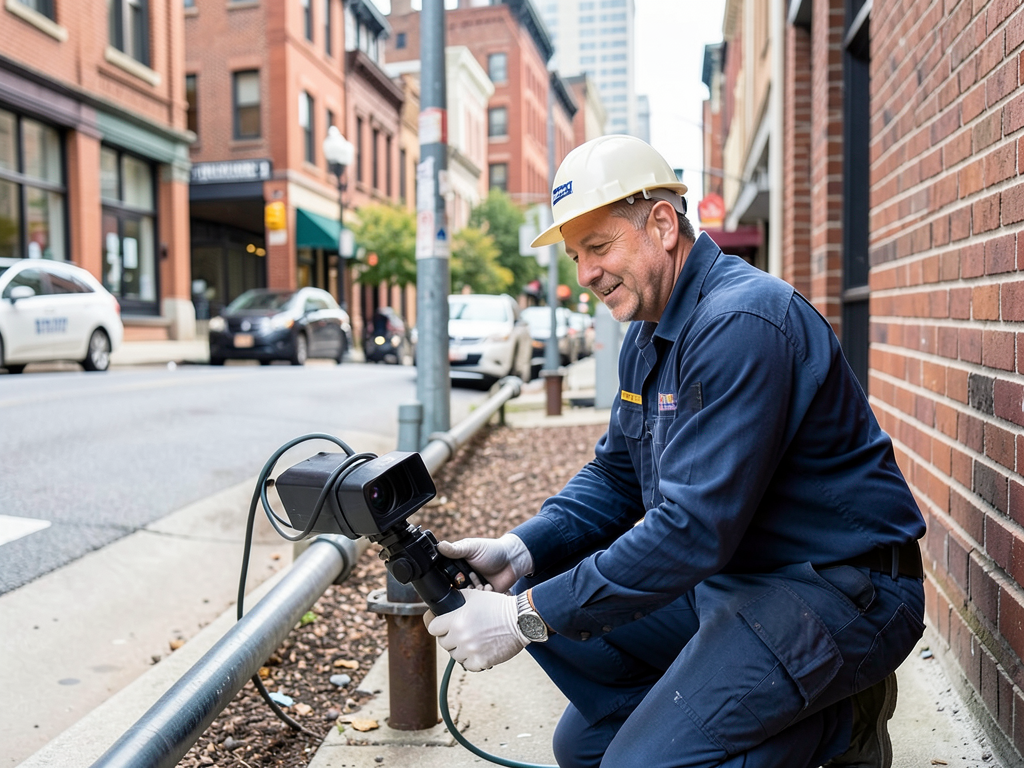
Elite Plumbing is conveniently located to serve the greater Atlanta area. Whether you're looking to visit our office, need to understand our service radius, or simply want to know where we're based, our map provides a clear visual. We pride ourselves on being accessible to all our clients, ensuring prompt and efficient service delivery across the region for all your plumbing needs.

Address:
Elite Plumbing Atlanta, 434 Marietta St NW, Atlanta, GA, 30313

Additional Services We Offer

Our news updates

Latest Articles & News from The Blogs

What Every Midtown Homeowner Should Know About Shared Sewer Laterals Living in Midtown Atlanta means enjoying historic charm and vibrant…

What Every Midtown Homeowner Should Know About Shared Sewer Laterals

What Every Midtown Homeowner Should Know About Shared Sewer Laterals Living in Midtown Atlanta means enjoying historic charm and vibrant…

Choosing a High Performance Showerhead That Still Meets Georgia Water Flow Standards

Choosing a High Performance Showerhead That Still Meets Georgia Water Flow Standards Looking for a showerhead that delivers a powerful…

Why Your New Milton Home Needs a Dedicated Backflow Preventer for the Irrigation System

Why Your New Milton Home Needs a Dedicated Backflow Preventer for the Irrigation System Every new home in Milton with…

Contact Us

Schedule your water efficiency audit today. Call Elite Plumbing Atlanta at (770) 610-5522. We will identify your biggest water wasters and show you exactly how much you can save.