


Menu

Emergency Sewer Backup Cleanup in Atlanta – 24/7 Response Teams Dispatched in Under 60 Minutes

When raw sewage floods your property, every minute counts. Elite Plumbing Atlanta deploys certified emergency sewer backup cleanup crews around the clock to contain contamination, extract hazardous waste, and restore safe conditions before health risks escalate.

Slider Image 1
Slider Image 2
Slider Image 3
Slider Image 4
Slider Image 5
Slider Image 7
Slider Image 8
Slider Image 9
Slider Image 10
Slider Image 11

Why Sewer Backups Escalate Fast in Atlanta's Infrastructure

You smell it before you see it. Raw sewage pooling in your basement, bathroom, or commercial space creates an immediate health crisis. Atlanta's aging combined sewer system, installed in sections dating back to the 1950s, struggles during heavy rainfall. When storm runoff overwhelms capacity, pressure forces wastewater backward through floor drains and toilets.

The city's red clay soil compounds the problem. Clay expands when saturated, crushing older terracotta and cast iron sewer laterals. Tree roots from Atlanta's urban canopy infiltrate cracked pipes, creating blockages that turn minor backups into catastrophic overflows. In neighborhoods like Grant Park and Kirkwood, where original clay pipes still connect homes to the main line, emergency raw sewage extraction calls spike after thunderstorms.

Sewage contains E. coli, hepatitis A, and norovirus. Exposure through direct contact or airborne particles causes severe gastrointestinal illness. Porous materials like drywall, insulation, and subflooring absorb contaminated water within minutes. Without urgent sewage removal services, black mold colonies establish within 48 hours, turning a plumbing emergency into a structural demolition project.

You cannot clean this yourself. Category 3 water damage requires professional-grade antimicrobial treatments, negative air filtration, and complete material removal. Delaying rapid sewer backup restoration allows pathogens to spread through HVAC systems, contaminating your entire property. The longer sewage sits, the more you pay in restoration costs and health risks.

Why Sewer Backups Escalate Fast in Atlanta's Infrastructure
How Elite Plumbing Atlanta Executes Immediate Sewage Spill Mitigation

How Elite Plumbing Atlanta Executes Immediate Sewage Spill Mitigation

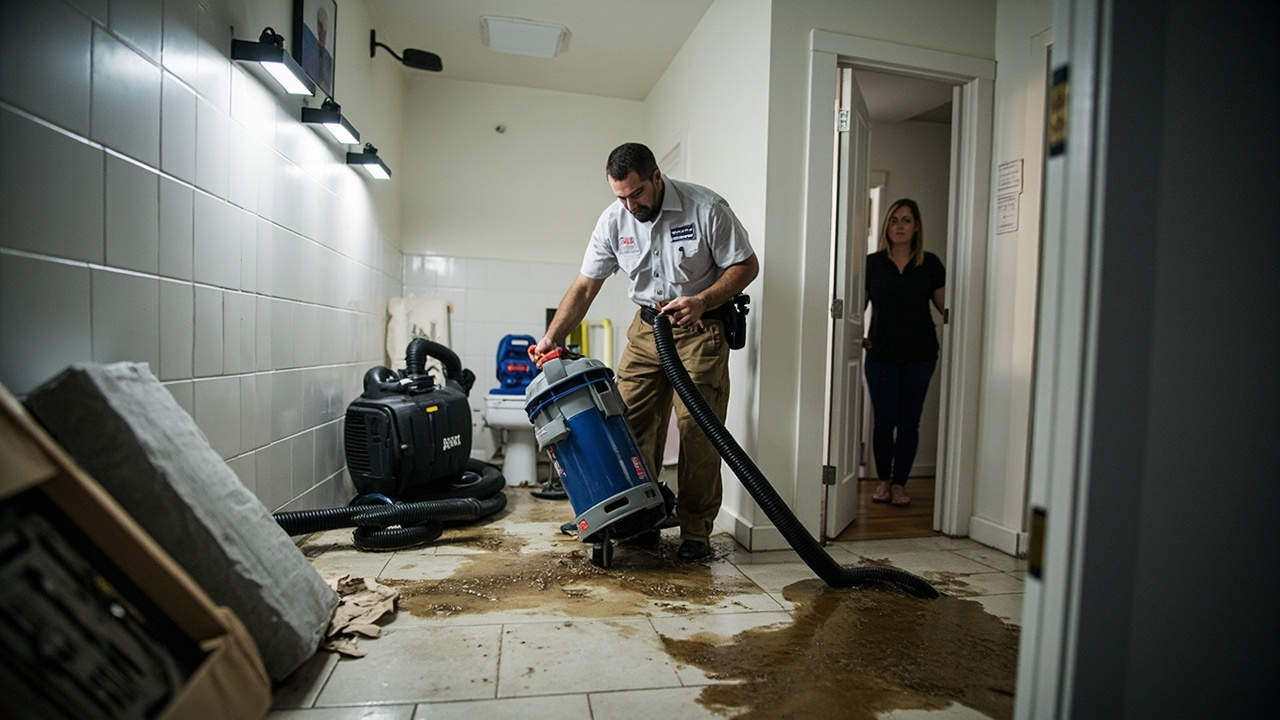
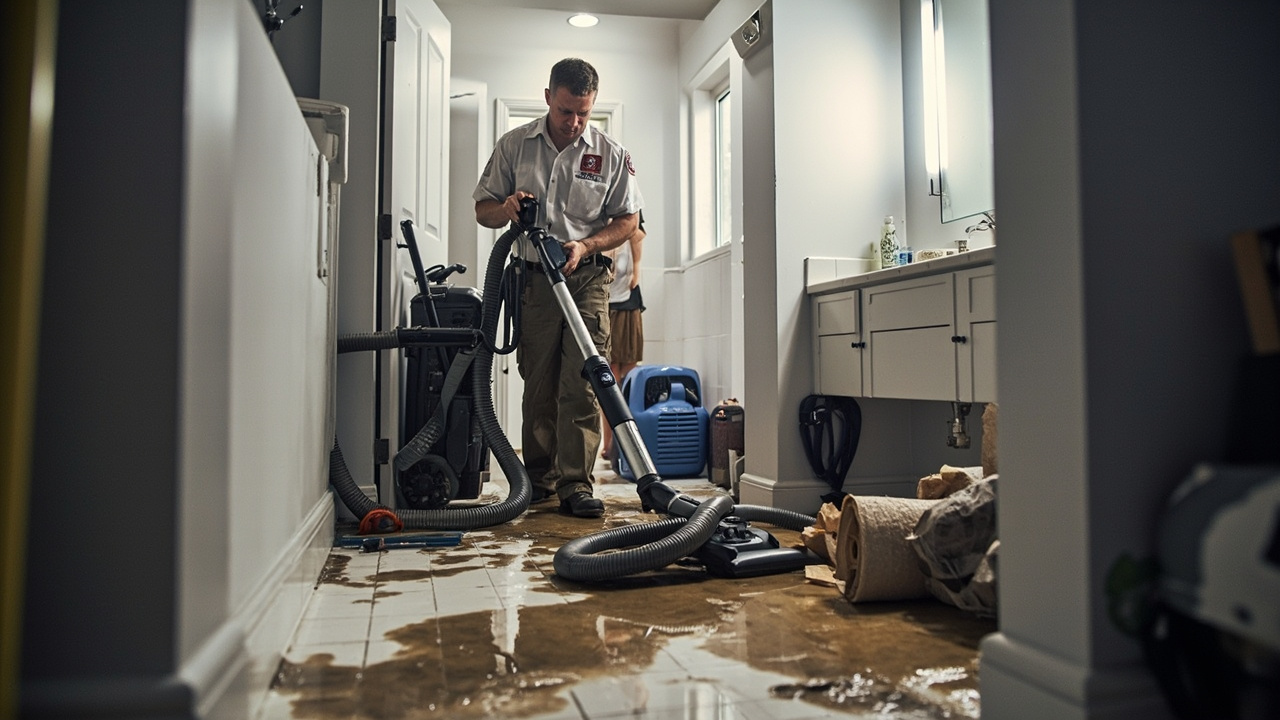
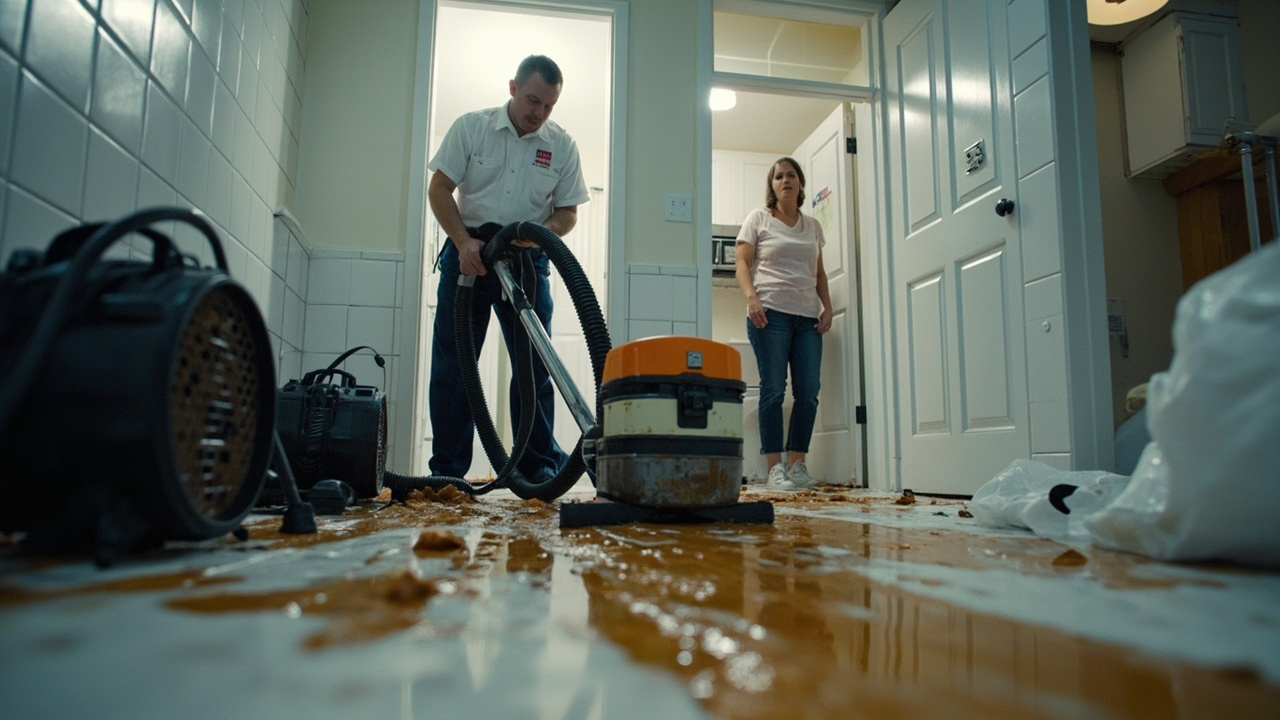
Our emergency response protocol starts the moment you call. We dispatch a two-person crew with truck-mounted extraction equipment, not a single technician with a shop vacuum. Our units carry 500-gallon waste tanks, allowing continuous sewage extraction without interruption for dumping runs.

First priority is source control. We isolate the affected drain line using test ball plugs or mainline caps to stop additional backflow while we work. If the backup originates from a municipal main failure, we coordinate directly with Atlanta Department of Watershed Management to document the incident for your insurance claim.

Our truck-mounted vacuum systems generate 400 CFM suction, pulling sewage from carpet padding, crawl spaces, and basement floor joints where standing water hides. We use thermal imaging cameras to identify saturation inside walls and under flooring, preventing hidden contamination that standard visual inspection misses.

After extraction, we apply EPA-registered quaternary ammonium disinfectants that kill 99.9% of sewage-borne pathogens on contact. Commercial properties receive additional fogging treatments to decontaminate air handling systems. We set up industrial dehumidifiers and air scrubbers with HEPA filtration to remove airborne particles and dry structural materials below 15% moisture content, the threshold where microbial growth occurs.

We document everything with photo evidence, moisture readings, and chain-of-custody waste disposal receipts. Your insurance adjuster needs proof of proper remediation, and we provide complete documentation that satisfies even the strictest claims review. Our 24 hour sewer overflow cleaning process follows IICRC S500 standards, the industry benchmark for water damage restoration.

What Happens When You Call for Emergency Backup Cleanup

Emergency Sewer Backup Cleanup in Atlanta – 24/7 Response Teams Dispatched in Under 60 Minutes
01

Rapid Deployment and Containment

Within 60 minutes of your call, our crew arrives with containment barriers and extraction equipment. We shut off water supply to prevent additional overflow, then establish physical barriers using polyethylene sheeting to isolate contaminated zones from clean areas. This prevents cross-contamination to unaffected rooms and limits pathogen spread through foot traffic. Our team wears full PPE including respirators, waterproof suits, and nitrile gloves rated for biohazard handling.
02

Complete Waste Extraction

Our truck-mounted vacuum system removes all visible sewage and saturated porous materials. We pull carpet, padding, baseboards, and damaged drywall within the contamination zone. Solid waste goes into sealed biohazard containers for proper disposal at licensed facilities. We extract water from concrete slab joints and crawl space soil, then apply antimicrobial agents to all affected surfaces. This step eliminates immediate health hazards and prepares the area for drying and restoration.
03

Disinfection and Structural Drying

After extraction, we treat all surfaces with hospital-grade disinfectants that meet EPA standards for sewage contamination. Air scrubbers with activated carbon filters remove odor-causing compounds and airborne pathogens. We install commercial dehumidifiers and monitor moisture levels daily until all structural materials reach safe levels. You receive a final clearance report with moisture readings and microbial test results, proving your property is safe for reoccupancy and satisfying insurance documentation requirements.

Why Atlanta Properties Need Local Emergency Sewage Specialists

Elite Plumbing Atlanta operates from our Midtown facility, putting us within 30 minutes of every Atlanta neighborhood. We know the infrastructure quirks that out-of-state franchise operators miss. The combined sewer sections in Old Fourth Ward behave differently than the separated systems installed in Buckhead during the 1980s. That knowledge determines how we diagnose backup sources and coordinate with city utilities.

We maintain direct relationships with Atlanta DWM supervisors. When a municipal main fails and causes your backup, we know which inspector to contact and how to file the incident report that protects you from liability. National chains waste hours navigating city bureaucracy while sewage sits in your property.

Our rapid response fleet includes three dedicated emergency vehicles stocked for immediate sewage extraction. We do not share equipment between routine service calls and contamination jobs. Every tool that touches sewage gets sterilized or disposed of according to OSHA bloodborne pathogen standards. Competitors cut corners by using the same equipment for clean water extraction and sewage removal, creating cross-contamination risks.

We staff our emergency line with actual technicians, not answering service operators reading scripts. When you call at 2 AM, you talk to someone who understands the difference between a main line backup and a drain clog. That expertise means we arrive with the correct equipment the first time, no return trips for specialty tools while sewage spreads through your property.

Atlanta's humid climate accelerates mold growth after sewage events. We account for that in our drying protocols, running dehumidifiers longer than the standard schedule used in drier regions. Local expertise prevents the secondary damage that turns a cleanup into a full gut-and-rebuild project.

What to Expect During Emergency Sewage Cleanup Service

Response Time and Availability

We answer emergency calls 24 hours a day, every day of the year. Our average response time across metro Atlanta is 47 minutes from initial call to crew arrival. We do not schedule emergency appointments for later in the day. Sewage contamination requires immediate action, so we dispatch the nearest available crew instantly. You receive a text message with technician names, photos, and estimated arrival time within five minutes of calling. Holiday surcharges do not apply. Emergency pricing stays consistent whether you call on Christmas morning or Tuesday afternoon.

Initial Assessment and Containment

Our crew performs a complete property assessment before starting extraction. We identify the backup source using mainline cameras and pressure testing to determine if the problem originates in your lateral or the city main. This distinction matters for insurance claims and liability. We map the contamination zone using moisture meters and thermal imaging, identifying hidden saturation that visual inspection misses. You receive a written scope of work detailing all necessary remediation steps before we begin, with clear explanation of what gets removed, what gets cleaned, and what stays. No surprise demolition.

Remediation Quality and Verification

We follow IICRC S500 standards for category 3 water damage, the highest contamination level. Every surface that contacted sewage receives EPA-registered disinfectant treatment. Porous materials that absorbed contaminated water get removed and properly disposed of at licensed facilities, not thrown in your dumpster. We do not cut corners with surface cleaning when proper protocol requires removal. After drying, we conduct final moisture verification and provide written documentation with readings proving all materials are below 15% moisture content. You get clearance reports suitable for insurance submission and resale disclosure requirements.

Post-Cleanup Support and Prevention

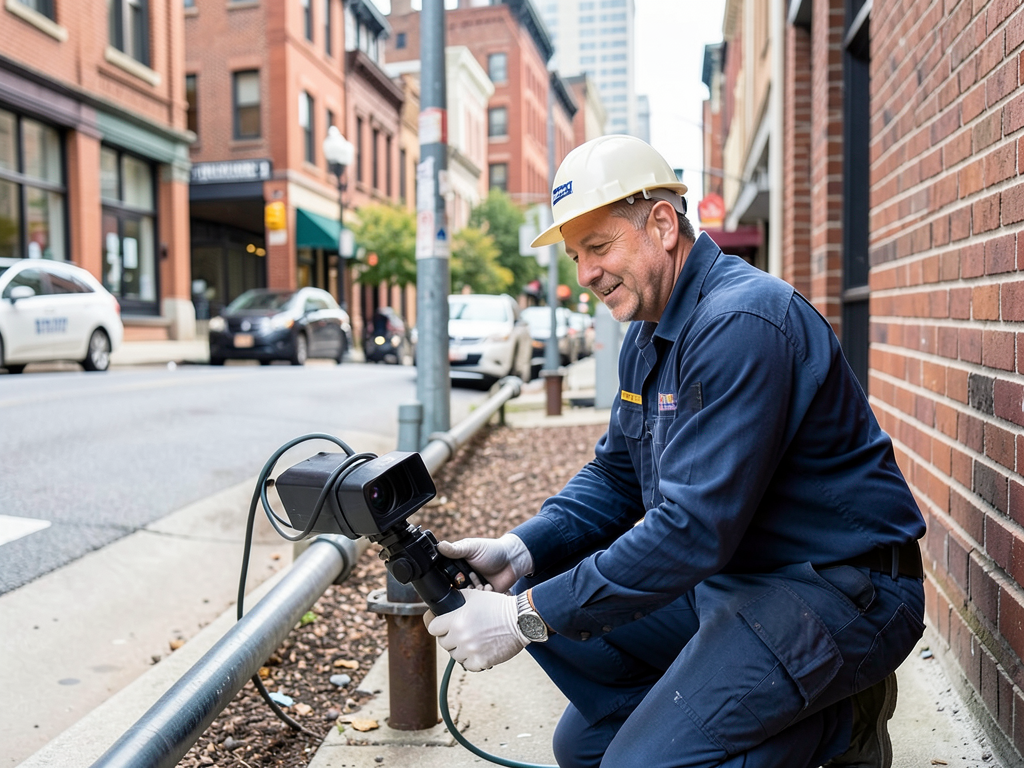
After remediation, we perform mainline camera inspection to identify the failure point that caused your backup. You receive video documentation showing root intrusion, pipe collapse, or other damage requiring permanent repair. We provide written estimates for long-term solutions like lateral replacement or backwater valve installation to prevent recurrence. Our team coordinates directly with your insurance adjuster, providing all documentation they require for claim processing. We stay available for follow-up questions and re-inspection if your adjuster requests additional verification. Prevention recommendations include maintenance schedules tailored to your property's specific vulnerabilities.

Frequently Asked Questions

You Have Questions,
We Have Answers

How do you clean up after sewer backup? +

Stop the water source immediately if possible. Do not enter standing sewage without protective gear. Remove contaminated materials like carpets and damaged drywall within 24 hours to prevent mold. Extract all standing water using pumps or vacuums. Disinfect all hard surfaces with EPA-registered cleaners that kill pathogens. Atlanta's high humidity accelerates bacterial growth, so run dehumidifiers immediately. Dispose of porous items like upholstered furniture that absorbed sewage. Professionals use antimicrobial treatments and air scrubbers to eliminate contaminants you cannot see. Document everything with photos for insurance claims before you start cleanup.

How much does sewage backup cleanup cost? +

Sewage cleanup costs vary by contamination level and affected area size. Minor backups confined to one bathroom start around a few hundred dollars. Whole-home contamination with structural damage can reach several thousand. Atlanta homes with finished basements face higher costs due to drywall and flooring replacement. Black water sewage requires professional-grade disinfection and disposal, increasing costs. Your insurance may cover most expenses if you have sewer backup coverage. Get a written estimate before work begins. Emergency calls outside business hours may include trip fees. Mitigation is always cheaper than dealing with long-term mold damage or health issues.

Can you clear a main sewer line clog yourself? +

Do not attempt this yourself during an emergency backup. Main sewer lines require professional equipment like hydro-jetters or motorized augers that reach 100 feet or more. You risk damaging clay or cast iron pipes common in older Atlanta neighborhoods. Sewer gases contain methane and hydrogen sulfide, creating dangerous conditions. You also face exposure to harmful bacteria and viruses. Without a camera inspection, you cannot identify the cause. Tree roots from Atlanta's mature oak and pine trees often require cutting equipment. A failed DIY attempt worsens the backup and increases cleanup costs. Call a licensed plumber immediately.

How long do sewage bacteria last on surfaces? +

Sewage bacteria survive 2 to 60 days on surfaces depending on conditions. E. coli lives up to 10 days on porous materials. Salmonella persists for weeks in moist environments. Atlanta's humidity extends bacterial survival, especially during summer months. Hard surfaces retain pathogens longer than you expect. Standard household cleaners do not kill all sewage-borne pathogens. You need hospital-grade disinfectants with proper contact time. Bacteria hide in grout lines, wall cavities, and subflooring. This is why professional remediation matters. Visible cleanup is not enough. Microscopic contamination remains a health risk for weeks without proper treatment.

How to get rid of sewer smell after a backup? +

Identify and fix the source first or the smell returns. Remove all contaminated materials including subflooring if sewage soaked through. Clean all surfaces with enzymatic cleaners that break down organic matter causing odors. Run ozone generators or hydroxyl machines to neutralize airborne particles. Check floor drains for dry P-traps, common in Atlanta basements. Pour water down unused drains to restore the water seal blocking sewer gases. Inspect vent stacks on your roof for blockages from leaves or debris. Replace HVAC filters that absorbed odors. Persistent smells indicate hidden contamination in walls or crawl spaces requiring professional inspection.

Does homeowner insurance cover sewer backup? +

Standard homeowner policies typically exclude sewer backup damage. You need a separate sewer backup endorsement or rider, usually costing $50 to $250 annually. This covers damage from drains, sewers, or sump pump failures. Review your policy now before an emergency hits. Many Atlanta homeowners discover they lack coverage only after a backup occurs. The endorsement typically covers cleanup, structural repairs, and personal property replacement. Document all damage immediately with photos and videos. Keep all receipts for emergency services. File your claim within 24 hours. Without this coverage, you pay all cleanup and repair costs out of pocket.

Why is my sewer bill 200 dollars? +

This question confuses water bills with plumbing emergencies. Your sewer bill reflects city wastewater treatment charges, calculated on water usage. High bills result from leaks, running toilets, or seasonal irrigation. Atlanta water rates vary by consumption tier. This has nothing to do with emergency sewer backups. If you experienced a backup, focus on immediate cleanup and repairs. Contact Atlanta Department of Watershed Management for billing questions. Do not delay emergency plumbing repairs worrying about your bill. Untreated sewage backups cause thousands in structural damage and health risks. Address the backup emergency first. Handle billing concerns separately after your home is safe.

How long does it take a plumber to unclog a main sewer line? +

Simple clogs take 1 to 3 hours to clear. Complex blockages from tree roots or collapsed pipes require 3 to 6 hours or more. Your plumber needs time for camera inspection to locate the exact problem. Atlanta's mature trees often cause root intrusion requiring cutting and hydro-jetting. Clay pipes in older neighborhoods may have offset joints or bellies trapping debris. Main line access cleanout location affects job time. If your home lacks an exterior cleanout, creating access adds time. Multiple clogs or damaged pipes extend the job. Emergency calls get priority response but work duration depends on your specific blockage cause and severity.

Is sewer jetting worth it? +

Yes, for thorough main line cleaning. Hydro-jetting uses high-pressure water to scour pipe walls, removing grease buildup, scale, and minor root intrusion. Standard snaking just pokes a hole through blockages. Jetting cleans the entire pipe diameter, delaying future clogs. Atlanta's clay sewer lines benefit from periodic jetting to remove accumulated debris. This prevents emergency backups. Jetting works best for maintenance, not as a first response during active backups. Your plumber may recommend it after clearing the immediate blockage. The investment extends time between service calls. For recurring backups, jetting addresses the underlying buildup problem snaking cannot fix.

How much does a plumber cost to unclog a main line? +

Main line unclogging ranges from a few hundred to over a thousand dollars depending on severity and access. Simple blockages near the house cost less. Clogs deep in your line toward the street require more time and equipment. Atlanta homes with difficult cleanout access increase labor costs. After-hours emergency calls include trip fees. Camera inspection adds to the total but reveals the exact cause. Tree root removal costs more than simple debris clogs. If your main line has damage requiring excavation or pipe replacement, costs jump significantly. Get a written estimate before work begins. Address backups immediately because delay increases water damage and total costs.

How Atlanta's Combined Sewer System Creates Backup Emergencies During Heavy Rain

Large sections of Atlanta's older neighborhoods operate on combined sewer systems where storm runoff and sanitary waste share the same pipes. During heavy thunderstorms common from May through September, the system reaches capacity and forces sewage backward through the lowest drains in your property. The 2020 Atlanta Sewer System Evaluation Study identified over 140 miles of combined sewer infrastructure operating beyond design capacity. Properties in Grant Park, Cabbagetown, and East Atlanta experience the highest backup frequency because these areas connect to the original 1950s-era combined systems. Modern separated systems installed in northern suburbs do not face this risk.

Elite Plumbing Atlanta maintains relationships with Atlanta Department of Watershed Management supervisors across all service zones. We understand local permit requirements for emergency sewage disposal and coordinate directly with city utilities when backups originate from municipal infrastructure failures. Our technicians complete annual training on Georgia Environmental Protection Division regulations for biohazard handling and waste transport. This local regulatory knowledge ensures your cleanup meets all state and county requirements, protecting you from liability and code violations that out-of-state operators frequently miss. Insurance adjusters recognize our documentation because we follow the same protocols used by local restoration authorities.
Plumbing Services in The Atlanta Area

Elite Plumbing is conveniently located to serve the greater Atlanta area. Whether you're looking to visit our office, need to understand our service radius, or simply want to know where we're based, our map provides a clear visual. We pride ourselves on being accessible to all our clients, ensuring prompt and efficient service delivery across the region for all your plumbing needs.

Address:
Elite Plumbing Atlanta, 434 Marietta St NW, Atlanta, GA, 30313

Additional Services We Offer

Our news updates

Latest Articles & News from The Blogs

How Gray Water Recycling Can Help You Maintain a Lush Garden in Palmetto Gray water recycling systems offer Palmetto homeowners…

How Gray Water Recycling Can Help You Maintain a Lush Garden in Palmetto

How Gray Water Recycling Can Help You Maintain a Lush Garden in Palmetto Gray water recycling systems offer Palmetto homeowners…

Comparing Navien and Rinnai Tankless Systems for Large Estates in Canton

Comparing Navien and Rinnai Tankless Systems for Large Estates in Canton Large estates in Canton require high-capacity tankless water heaters…

The Best Ultra-Quiet Toilets for High-Rise Living in Morrow

The Best Ultra-Quiet Toilets for High-Rise Living in Morrow Living in a high-rise apartment in Morrow means sharing walls floors…

Contact Us

Sewage exposure creates immediate health risks that worsen every hour. Call (770) 610-5522 now to dispatch our emergency response team to your Atlanta property. We answer 24/7 and arrive within 60 minutes with complete extraction and disinfection equipment.