




Menu

Sediment Buildup in Pipes in Atlanta – Expert Diagnosis and Permanent Solutions

Elite Plumbing Atlanta uses hydro jetting and pipe camera inspection to identify and remove sediment buildup in pipes, restoring water pressure and preventing costly pipe replacement across metro Atlanta homes.

Slider Image 1
Slider Image 2
Slider Image 3
Slider Image 4
Slider Image 5
Slider Image 7
Slider Image 8
Slider Image 9
Slider Image 10
Slider Image 11

Why Atlanta Homes Battle Chronic Sediment Buildup

You turn on your shower and the water pressure has dropped to a trickle. Your water heater makes popping sounds. Your faucets spit out rusty water. These are the warning signs of sediment buildup in pipes, and Atlanta homeowners face this problem more than most.

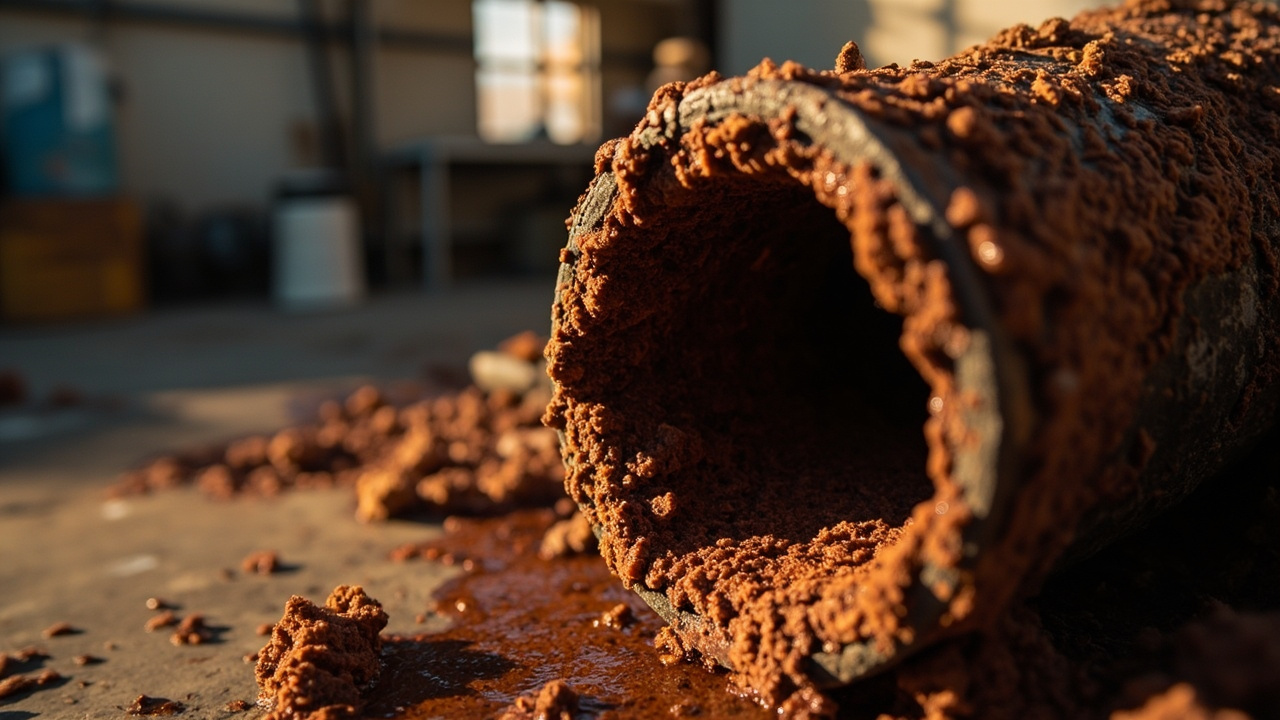
Atlanta sits on red Georgia clay and receives water from the Chattahoochee River system. The water here contains high levels of dissolved minerals. As water travels through your pipes, mineral deposits in water pipes accumulate over time. Calcium buildup in water lines starts as a thin layer and gradually narrows the pipe diameter. Limescale accumulation in plumbing creates rough interior surfaces that trap more sediment.

Hard water pipe scaling accelerates in homes built before 1990 because older galvanized steel pipes corrode from the inside out. The corrosion process creates iron oxide that mixes with calcium and magnesium. Pipe calcification problems compound when sediment from the water heater circulates through your lines every time you use hot water.

You see the effects in multiple ways. Water pressure drops because the pipe diameter shrinks. Water heaters fail early because sediment insulates the heating element. Dishwashers and washing machines break down because sediment clogs inlet screens. Your water bill climbs because you run faucets longer to fill pots and sinks.

Neighborhoods in Buckhead, Virginia Highland, and Grant Park face these issues most because of aging infrastructure. The older your home, the more likely sediment has been accumulating for decades. The longer you wait, the more expensive the fix becomes.

Why Atlanta Homes Battle Chronic Sediment Buildup
How We Clear Sediment and Restore Flow

How We Clear Sediment and Restore Flow

Most plumbers guess at the problem and recommend pipe replacement immediately. We diagnose first using a pipe camera inspection system. We insert a waterproof camera into your cleanout access or through a fixture connection. The camera travels through your pipes and sends live video to our monitor. We see exactly where sediment has accumulated, how severe the buildup is, and whether the pipe structure remains sound.

If your pipes show calcium buildup in water lines but no structural damage, we use hydro jetting. This process forces water through a specialized nozzle at 3,000 to 4,000 PSI. The high-pressure water stream scours mineral deposits in water pipes from the interior walls. The nozzle design creates forward and reverse jets that break up limescale accumulation in plumbing and flush debris toward the sewer line.

For severe hard water pipe scaling, we may need to section the work by isolating individual branch lines. We close isolation valves, clear one section, verify flow restoration, then move to the next section. This methodical approach prevents dislodged sediment from clogging fixture aerators or appliance inlet screens.

In cases where pipe calcification problems have caused wall thinning or pinhole leaks, we recommend targeted pipe replacement only for the damaged sections. We do not push whole-house repiping unless camera inspection proves your entire system is compromised. We show you the video footage so you can see the condition yourself.

After clearing sediment, we test water pressure at multiple fixtures. We measure flow rate in gallons per minute. You should see pressure increase by 30 to 60 percent depending on how restricted your pipes were before treatment.

What Happens During Sediment Removal

Sediment Buildup in Pipes in Atlanta – Expert Diagnosis and Permanent Solutions
01

Camera Inspection First

We start by accessing your cleanout or removing a toilet to insert the camera line. The inspection takes 30 to 45 minutes for a typical home. You watch the video feed with us so you understand the exact location and severity of sediment buildup. We document problem areas with timestamp markers and measure remaining pipe diameter using calibrated camera software.
02

Hydro Jetting Treatment

Once we map the problem areas, we position the hydro jetting nozzle at the furthest affected point. We gradually pull the nozzle back through the line while the high-pressure water scours the pipe walls. The process removes decades of mineral deposits without damaging the pipe itself. We control pressure based on pipe material and age. Cast iron requires different pressure than copper or PEX.
03

Flow Verification Testing

After clearing the sediment, we run water through every affected fixture. We measure pressure with a gauge at the hose bib and inside fixtures. We check for leaks at joints where dislodged sediment might have exposed weak spots. You get a before and after pressure reading so you can see the improvement. We provide a video copy of the inspection for your records.

Why Atlanta Homeowners Choose Elite Plumbing Atlanta

Sediment buildup is not a surface problem. It requires diagnostic equipment and pressure washing expertise. You need a plumber who invests in camera systems and hydro jetting rigs, not just pipe wrenches and snakes.

We built our service model around the specific challenges Atlanta water creates. We know that homes in Inman Park and Candler Park with original plumbing face severe calcium deposits. We know that homes near the Perimeter that get water from different treatment plants experience different mineral content. We adjust our approach based on your neighborhood and home age.

Our camera inspections give you visual proof of the problem. You are not paying for guesswork. You see the blockage on screen. You see the clear pipe after hydro jetting. This transparency matters because sediment removal is a significant service call. You should know exactly what you are paying for.

We do not sell you services you do not need. If your pipes show minor scaling and will last another decade, we tell you. If your galvanized steel pipes are rusted through and need replacement, we show you the evidence. Our camera inspection reports include measurements, so you can get a second opinion if you want one.

Elite Plumbing Atlanta operates under Atlanta business codes and follows Georgia plumbing standards. Our technicians receive ongoing training in hydro jetting safety and pipe material identification. We carry liability coverage that protects your home if something goes wrong during high-pressure water operations.

We serve Fulton, DeKalb, Cobb, and Gwinnett counties. We respond the same day for urgent pressure loss issues and schedule camera inspections within 48 hours for non-emergency diagnostics.

What You Can Expect From Our Service

Same-Day Diagnostic Scheduling

When you call about low water pressure or sediment in your water, we schedule a camera inspection within 24 hours. Emergency situations like complete pressure loss get same-day response. The inspection takes less than an hour. We provide a written assessment before proposing any treatment. If hydro jetting can solve the problem, we can usually complete the work the same day. Larger jobs that require multiple access points may need a return visit with additional crew members.

Thorough Pipe Assessment

Our camera inspection covers all accessible drain lines and water supply lines. We check horizontal runs under your slab or in your crawlspace. We inspect vertical stacks where sediment settles at changes in direction. We look for corrosion, root intrusion, and pipe misalignment in addition to sediment buildup. You receive a digital copy of the inspection video. We mark footage with timestamps showing each problem area. This documentation helps if you need to file an insurance claim or negotiate with a home warranty company.

Measurable Pressure Improvement

After hydro jetting, you will notice immediate improvements. Showers run at full pressure. Washing machines fill faster. Water heaters operate quietly without sediment rumble. We test pressure before and after treatment so you can see the difference in PSI readings. Most homes gain 20 to 40 PSI after clearing severe calcium buildup. If pressure remains low after sediment removal, we investigate other causes like failing pressure regulators or municipal supply issues. We do not consider the job complete until water flows properly throughout your home.

Maintenance Planning and Prevention

Sediment will accumulate again over time. The rate depends on your water hardness and pipe material. We recommend camera inspection every three to five years for homes with cleared sediment. If you have hard water above 150 milligrams per liter, consider a water softener to slow mineral deposits. We can test your water hardness during the initial visit. Softeners do not remove existing sediment but they prevent new calcium from bonding to pipe walls. We provide maintenance reminders based on your home's specific conditions and water quality.

Frequently Asked Questions

You Have Questions,
We Have Answers

How much to flush pipes in a house? +

Pipe flushing costs in Atlanta typically range from $100 to $400, depending on home size and sediment severity. Most plumbers charge a flat service fee for standard residential flushes. Older homes in neighborhoods like Virginia-Highland or Grant Park often need more extensive work due to galvanized pipes and mineral deposits from Atlanta's moderately hard water. The price includes draining water heaters, flushing supply lines, and clearing aerators. If hydro jetting is needed for severe buildup, expect higher costs. A licensed plumber will assess your system first and provide a written estimate before starting work.

What causes sediment in water pipes? +

Atlanta's municipal water contains naturally occurring minerals like calcium, magnesium, and iron that precipitate out and cling to pipe walls over time. Corroding galvanized pipes common in pre-1980s homes shed zinc and rust particles. Sediment also enters through aging infrastructure, especially after water main breaks in older areas like Midtown or East Atlanta. Clay soil particles can infiltrate cracked pipes. Water heaters accelerate the process by heating water and causing minerals to separate faster. Hard water scales accumulate in 90-degree bends and horizontal runs where flow slows. Regular maintenance prevents major blockages.

How to get rid of debris in pipes? +

For minor debris, flush faucet aerators and showerheads by unscrewing and rinsing them. Drain and flush your water heater annually to remove settled sediment. For pipe debris, turn off the main supply, open all faucets starting from the highest floor, and flush toilets to drain the system. Turn water back on gradually. This clears loose particles. For stubborn accumulation, professional hydro jetting uses high-pressure water streams to scour pipe interiors clean. Atlanta plumbers often recommend this for homes with older galvanized lines or persistent low-pressure issues. Avoid chemical cleaners, which cannot remove physical sediment.

How do plumbers descale pipes? +

Plumbers descale pipes using hydro jetting equipment that blasts water at 3,000 to 4,000 PSI through specialized nozzles. The high-pressure stream scours away mineral scale, rust, and calcium deposits from pipe walls. A technician inserts the jetting hose through a cleanout or removed fixture, working backward through the system. For Atlanta homes with severe scaling, plumbers may use mechanical cable machines with cutting heads for thick buildup. Camera inspection confirms results. Descaling restores full diameter and water pressure without pipe replacement. The process works on copper, PVC, and cast iron. It takes two to four hours for most residential systems.

How much does a plumber charge to flush pipes? +

Atlanta plumbers charge $150 to $350 for basic pipe flushing services. This includes draining your water heater, clearing sediment from supply lines, and testing pressure afterward. Emergency calls or weekend service adds $50 to $100. If hydro jetting is required for stubborn mineral deposits, expect $350 to $600 depending on system size and access points. Older homes in historic districts often need more time due to complex plumbing layouts. Most companies offer upfront pricing after inspection. The investment prevents valve failures, extends appliance life, and restores water pressure throughout your home.

Will insurance pay for sewer line replacement? +

Homeowners insurance rarely covers sewer line replacement because policies exclude maintenance issues and gradual deterioration. Insurance pays only for sudden, accidental damage like tree root invasion that happens quickly or backup from a covered peril. Most Atlanta policies specifically exclude earth movement, settling, and wear-and-tear. If you have sewer backup coverage as an endorsement, it may pay for interior damage from sewage but not the exterior line itself. Some policies cover collapse, but you must prove sudden failure. Review your declarations page. Consider separate sewer line insurance or a home warranty for aging infrastructure.

What dissolves sediment in pipes? +

Nothing you pour down drains dissolves sediment effectively or safely. Vinegar and baking soda create fizz but lack the strength to remove mineral scale or rust particles clinging to pipe walls. Commercial descaling acids are dangerous, corrode pipes, and often make problems worse by loosening debris that re-clogs downstream. Physical sediment requires mechanical removal. Professional hydro jetting physically scours buildup away. For water heaters, draining removes settled sediment. For Atlanta homes with hard water scaling, only high-pressure water or mechanical descaling tools work. Chemical solutions are marketing myths that waste money and risk pipe damage.

What are four signs that your sewer line is broken? +

Watch for multiple drains gurgling when you flush toilets or run water. This indicates a main line blockage affecting the whole system. Sewage backing up into basement drains or ground-floor fixtures signals a break allowing debris to obstruct flow. Unexplained wet spots or lush grass patches in your yard mark where wastewater leaks underground. Persistent sewer smell near foundation walls or crawlspaces means escaping gases from a cracked line. Atlanta's clay soil shifts and stresses aging pipes. Tree roots from water oaks and pines invade cracks seeking moisture. Camera inspection confirms breaks and pinpoints repair locations.

What are the 4 types of sediment? +

In plumbing systems, four sediment types cause problems. Mineral deposits form when dissolved calcium, magnesium, and iron precipitate from hard water and coat pipe interiors. Rust sediment comes from corroding galvanized or cast iron pipes shedding particles. Sand and silt enter through cracked underground lines or aging municipal infrastructure, common in older Atlanta neighborhoods. Biofilm is bacterial slime that accumulates in warm, wet conditions, trapping other particles. Each type requires different removal methods. Mineral scale needs descaling or hydro jetting. Rust indicates pipe replacement soon. Sand suggests external infiltration needing sewer repair. Biofilm needs disinfection and flushing.

Why do plumbers say not to use drain cleaner? +

Drain cleaners cannot remove physical sediment and create dangerous conditions. Chemical formulas generate heat that can melt PVC joints, corrode metal pipes, and crack porcelain fixtures. They often push blockages deeper, making professional removal harder and costlier. The caustic mixture sits in pipes, creating toxic fumes and chemical burns if splashed. For sediment issues, drain cleaner is useless because minerals and rust particles require mechanical removal, not dissolution. Atlanta plumbers see expensive damage from DIY chemical attempts weekly. Hydro jetting or cable augering safely clears blockages without harming your plumbing system or creating hazardous waste in city sewers.

Why Atlanta's Water Chemistry Accelerates Pipe Sediment

Atlanta receives water from the Chattahoochee River, Lake Lanier, and several smaller reservoirs. The water picks up minerals as it flows over Georgia granite and red clay deposits. Treatment plants add chlorine and fluoride but do not remove calcium and magnesium. These dissolved minerals enter your home at concentrations between 80 and 180 milligrams per liter. When water sits in pipes overnight or heats in your water heater, the minerals precipitate out and form scale. Homes in North Fulton pulling from Lake Lanier sources experience different mineral ratios than homes in South DeKalb on Chattahoochee water. Both create sediment, but the composition varies.

Elite Plumbing Atlanta has cleared sediment from homes built in the 1950s through new construction. We understand how Atlanta's water interacts with different pipe materials. We know that homes in historic neighborhoods like Ansley Park and Druid Hills have galvanized steel that corrodes faster in mineralized water. We know that newer PEX installations in Brookhaven resist scaling better but still accumulate sediment at connection points. Our technicians train specifically on Atlanta water conditions and local pipe infrastructure. We share this expertise with every homeowner we serve.


Plumbing Services in The Atlanta Area

Elite Plumbing is conveniently located to serve the greater Atlanta area. Whether you're looking to visit our office, need to understand our service radius, or simply want to know where we're based, our map provides a clear visual. We pride ourselves on being accessible to all our clients, ensuring prompt and efficient service delivery across the region for all your plumbing needs.

Address:
Elite Plumbing Atlanta, 434 Marietta St NW, Atlanta, GA, 30313

Additional Services We Offer

Our news updates

Latest Articles & News from The Blogs

What Every Midtown Homeowner Should Know About Shared Sewer Laterals Living in Midtown Atlanta means enjoying historic charm and vibrant…

What Every Midtown Homeowner Should Know About Shared Sewer Laterals

What Every Midtown Homeowner Should Know About Shared Sewer Laterals Living in Midtown Atlanta means enjoying historic charm and vibrant…

Choosing a High Performance Showerhead That Still Meets Georgia Water Flow Standards

Choosing a High Performance Showerhead That Still Meets Georgia Water Flow Standards Looking for a showerhead that delivers a powerful…

Why Your New Milton Home Needs a Dedicated Backflow Preventer for the Irrigation System

Why Your New Milton Home Needs a Dedicated Backflow Preventer for the Irrigation System Every new home in Milton with…

Contact Us

Stop living with weak water pressure and sediment damage. Call Elite Plumbing Atlanta at (770) 610-5522 for same-day camera inspection. We show you the problem and provide honest solutions. See the sediment for yourself before you commit to any service.