



Menu

Grease Trap Cleaning & Pumping in Atlanta – Keep Your Business Compliant and Operational

Elite Plumbing Atlanta delivers scheduled grease trap cleaning and pumping services that prevent health code violations, eliminate foul odors, and keep your commercial kitchen running without disruption.

Slider Image 1
Slider Image 2
Slider Image 3
Slider Image 4
Slider Image 5
Slider Image 7
Slider Image 8
Slider Image 9
Slider Image 10
Slider Image 11

Atlanta's Food Service Industry Faces Strict Grease Management Requirements

Your restaurant, hotel kitchen, or food processing facility generates grease every day. In Atlanta, the Metropolitan Sewer District enforces stringent fats, oils, and grease regulations under the city's pretreatment ordinances. If your grease interceptor exceeds 25% capacity, you face fines, operational shutdowns, and potential sanitation violations from the Fulton County Health Department.

Atlanta's humid subtropical climate accelerates grease solidification. Summer temperatures above 90 degrees cause grease to expand and separate, while winter lows in the 30s turn accumulated fats into hardened blockages. This seasonal swing creates unpredictable flow dynamics in your grease trap system. Without regular commercial grease trap pumping, you risk sewer backups during peak service hours, exposing your business to liability and lost revenue.

Many commercial kitchens in Midtown, Buckhead, and the Old Fourth Ward operate in older buildings with undersized grease interceptors. These systems were installed before current Atlanta code requirements, which mandate larger capacity based on your kitchen's fixture units and meal output. The result is faster accumulation, more frequent cleanouts, and higher risk of non-compliance.

Restaurant grease trap service is not optional maintenance. It is a documented requirement tied to your business license and health permit. Elite Plumbing Atlanta provides the grease trap cleanout and waste removal services that keep your facility compliant, your drains flowing, and your operations uninterrupted.

Atlanta's Food Service Industry Faces Strict Grease Management Requirements
How Professional Grease Interceptor Cleaning Protects Your Investment

How Professional Grease Interceptor Cleaning Protects Your Investment

We do not skim the surface and call it clean. Our grease trap waste removal process involves complete pump-out of all three chambers, including the settled solids layer at the bottom. Most system failures occur because providers only remove the floating grease cap, leaving the sludge blanket to harden and reduce effective capacity.

Our truck-mounted vacuum systems generate enough suction to extract thick, cold grease that has solidified in your interceptor's baffles and inlet tees. We remove 100% of the contents, then pressure-wash the interior walls to eliminate grease film that traps odor-causing bacteria. This thoroughness extends the time between required cleanouts and reduces emergency service calls.

After pumping, we inspect the interceptor's structural integrity. We check for baffle damage, gasket deterioration, and corrosion in the inlet and outlet pipes. Many older systems in Atlanta have cast iron components that corrode from constant exposure to acidic wastewater. We document these conditions and provide you with a written assessment, so you can budget for repairs before a failure forces an unplanned closure.

We also measure your grease trap's capacity against your kitchen's current output. If your business has expanded, added fryers, or increased meal volume, your existing interceptor may no longer meet code. We calculate fixture units and compare them to Atlanta's plumbing code requirements, then recommend upsizing if needed.

All waste is transported to a licensed rendering facility or approved disposal site. We provide manifests and disposal receipts for your records, ensuring full compliance with EPA and Georgia EPD regulations. This documentation protects you during health inspections and sewer district audits.

What Happens During Your Grease Trap Service Appointment

Grease Trap Cleaning & Pumping in Atlanta – Keep Your Business Compliant and Operational
01

System Assessment and Access

Our technician locates your grease interceptor, whether it is inside your kitchen, in a basement mechanical room, or buried outside in the parking lot. We remove the access cover and measure the depth of the grease cap and sludge layer using a calibrated dipstick. This measurement determines whether you are approaching the 25% threshold that triggers mandatory cleaning under Atlanta code.
02

Complete Pump-Out and Cleaning

We insert the vacuum hose and extract all liquids, floating grease, and settled solids from every chamber. The pump runs until the interceptor is completely empty. We then spray down the interior walls, baffles, and flow-control fittings with high-pressure water to remove residual grease film. This prevents bacterial growth and reduces odor between service intervals.
03

Documentation and Compliance Records

After cleaning, we provide a detailed service report that includes the date, gallons removed, and the condition of your interceptor's components. This documentation satisfies Atlanta's record-keeping requirements for food service establishments. We also schedule your next cleaning based on your accumulation rate, ensuring you never exceed the legal capacity limit and risk a violation.

Why Atlanta Businesses Trust Elite Plumbing Atlanta for Grease Management

We operate our own vacuum trucks and do not subcontract your service to third-party haulers. This means consistent quality, predictable scheduling, and accountability when you need adjustments to your service plan. Our trucks are equipped with 1,500-gallon tanks and high-CFM blowers that handle even the largest interceptors in a single visit.

Atlanta's food service industry operates on tight margins. A missed grease trap cleaning can result in a failed health inspection, a stop-work order, or a sewer backup during your busiest shift. We offer scheduled service contracts with guaranteed appointment windows, so your cleaning happens during low-traffic hours. Many of our clients schedule service between 6 a.m. and 8 a.m., before the lunch rush, or late at night after closing.

We understand Atlanta's local code requirements. The city's plumbing code references the International Plumbing Code but includes specific amendments for grease interceptor sizing, venting, and maintenance frequency. We have worked with the Department of Watershed Management on compliance issues and can interpret the technical requirements that apply to your facility.

Our service area covers the entire Atlanta metro, including Dekalb County, Cobb County, and Gwinnett County. We know which jurisdictions require monthly cleaning versus quarterly, and which municipalities allow extended intervals for low-volume kitchens. This local knowledge prevents over-servicing and reduces your annual maintenance costs.

Elite Plumbing Atlanta also handles interceptor repairs and replacements. If your grease trap is cracked, undersized, or non-compliant with current code, we design and install new systems that meet Atlanta's standards. We pull permits, coordinate inspections, and ensure your new interceptor is properly sized for your kitchen's fixture count and grease load.

What to Expect When You Schedule Grease Trap Service

Service Scheduling and Frequency

Most commercial kitchens in Atlanta require cleaning every 30 to 90 days, depending on meal volume and grease output. High-volume restaurants with multiple fryers often need monthly service. We establish a baseline by measuring your accumulation rate during the first three cleanings, then recommend a frequency that keeps you compliant without unnecessary cost. You can adjust your schedule seasonally if your business experiences peak periods during summer tourism or convention seasons.

Inspection and Condition Assessment

Every service includes a visual inspection of your interceptor's structural components. We check the inlet and outlet tees for blockages, examine the baffles for cracks or separation, and test the flow-control fittings. If we find damage or deterioration, we photograph the issue and provide a written estimate for repairs. This proactive approach prevents emergency failures and helps you budget for capital improvements before they become urgent.

Clean, Compliant Results

After cleaning, your grease interceptor will have zero grease cap and zero sludge accumulation. Your drains will flow freely, and you will notice an immediate reduction in odors. We refill the interceptor with clean water to restore the hydraulic seal and ensure proper flow dynamics. Your facility will pass health inspections and sewer district audits with no findings related to grease management.

Ongoing Compliance Support

We maintain digital records of every service for a minimum of three years, which is the retention period required by Atlanta code. You can request copies of your service history at any time for inspections or permit renewals. We also send automated reminders two weeks before your next scheduled cleaning, so you never miss a required service interval. If your business changes ownership or relocates, we transfer your records to ensure continuity.

Frequently Asked Questions

You Have Questions,
We Have Answers

How much does it cost to clean a grease trap? +

Grease trap cleaning costs depend on trap size, accessibility, and waste volume. Smaller under-sink traps for Atlanta cafes or food trucks typically cost less than large outdoor interceptors serving downtown restaurants. Frequency impacts pricing—monthly service contracts reduce per-visit costs compared to emergency callouts. Atlanta's hospitality sector density means competitive pricing, but factor in proper waste disposal fees and compliance documentation. Expect higher costs for traps with heavy sludge buildup or poor prior maintenance. Licensed haulers provide itemized quotes after inspecting your system. Budget for routine service to avoid code violations and costly backups that disrupt operations.

How often should grease traps be pumped? +

Pumping frequency depends on trap capacity, daily grease volume, and local ordinances. Atlanta health codes generally require monthly pumping for high-volume operations like barbecue joints or breakfast diners. Mid-size restaurants may operate quarterly schedules. Fast-food locations with fryers often need bi-weekly service. Monitor your trap's fill rate during peak business periods. Atlanta's warm climate accelerates grease solidification, requiring more frequent attention than cooler regions. Health inspectors scrutinize maintenance logs, so consistent pumping protects your operating permit. Base your schedule on actual usage data, not guesswork. Professional assessment accounts for your kitchen's output and ensures regulatory compliance.

What is grease trap pumping? +

Grease trap pumping removes accumulated fats, oils, grease, and solids from your interceptor system. Licensed technicians use vacuum trucks to extract waste layers, including floating grease caps, middle water zones, and settled solids. The process prevents blockages in your facility's drain lines and Atlanta's municipal sewer infrastructure. Proper pumping includes scraping sidewalls, cleaning baffles, and inspecting gaskets for integrity. Technicians document waste volume and disposal at approved facilities, providing compliance records for health inspections. This preventive maintenance protects against sanitary sewer overflows that trigger fines and business interruptions. Regular pumping extends trap lifespan and maintains drainage efficiency.

How much does it cost to empty a grease trap? +

Emptying costs mirror cleaning costs since both involve complete waste removal and system servicing. Pricing varies with trap size, location accessibility, and waste concentration. Atlanta commercial kitchens face disposal fees tied to landfill regulations and environmental compliance. Outdoor interceptors with limited truck access cost more due to equipment requirements. Emergency emptying during health violations or backups carries premium rates compared to scheduled maintenance. Contract pricing reduces per-service expenses. Factor in documentation needs—Atlanta inspectors require waste manifests and pumping certificates. Preventive emptying costs less than reactive service plus lost revenue from kitchen shutdowns.

Can I clean a grease trap myself? +

You can perform basic maintenance like skimming surface grease between professional services, but complete cleaning requires licensed contractors. Atlanta health codes mandate proper waste handling and disposal at approved facilities. DIY cleaning lacks vacuum equipment to remove settled solids and risks incomplete extraction that accelerates clog formation. You cannot legally transport and dispose of grease trap waste without permits. Improper cleaning violates sanitary codes and voids insurance coverage if backups damage your property or city infrastructure. Professional service includes compliance documentation that protects your operating license. Save DIY efforts for daily strainer cleaning and proper waste disposal practices.

How much to pump a grease trap? +

Pumping costs reflect trap dimensions, grease volume, and service frequency. Atlanta restaurant operators pay based on gallons removed and disposal requirements. Small traps under bar sinks cost less than 1,500-gallon outdoor interceptors. Scheduled maintenance contracts lower per-visit expenses compared to emergency callouts when traps overflow during dinner rush. Accessibility affects pricing—basement traps or locations without alley access increase labor time. Competitive Atlanta market pricing varies, so compare licensed haulers offering compliant disposal and proper documentation. Factor pumping into operational budgets as non-negotiable expense. Delayed service costs more when backups shut down kitchens and trigger health violations.

What are the signs of a full grease trap? +

Slow drainage across multiple fixtures signals capacity issues. Water backing up into sinks, floor drains, or dishwasher stations indicates blockage. Foul odors from drains or grease trap vents mean anaerobic breakdown of accumulated waste. Visible grease floating near trap lids or overflowing into effluent lines requires immediate pumping. Atlanta kitchen staff notice greasy film on floors near drain areas. Gurgling sounds when water drains suggest air displacement from solid buildup. Fruit flies or drain flies congregating around the trap indicate organic matter accumulation. Health inspectors flag these conditions. Address signs immediately to prevent sanitary violations and costly operational disruptions.

Why do Mexicans use onions to clean grills? +

This question falls outside grease trap maintenance scope. The practice involves using cut onions as natural abrasive cleaners on hot griddle surfaces. The onion's moisture and mild acidity help lift carbonized residue while the physical scrubbing action removes buildup. This method works for daily griddle maintenance between deep cleanings. However, it does not address grease trap function or compliance. Atlanta commercial kitchens must focus on proper grease capture and regular trap pumping regardless of grill cleaning methods. Effective grease management starts with scraping plates, using drain strainers, and scheduling professional trap service to protect your drainage infrastructure.

What happens if you don't clean a grease trap? +

Neglected grease traps cause drain backups that shut down kitchen operations and force health department closures. Accumulated fats solidify and block pipes, creating sanitary sewer overflows that damage your facility and Atlanta's municipal infrastructure. You face fines for code violations, potential lawsuits if grease enters city systems, and expensive emergency plumbing repairs. Untreated waste generates hydrogen sulfide gas that corrodes pipes and creates safety hazards. Insurance may deny claims for preventable damage from deferred maintenance. Health inspectors revoke permits for chronic violations. Lost revenue during forced closures exceeds routine pumping costs exponentially. Consistent maintenance protects your business continuity and regulatory standing.

What's the worst thing for a septic tank? +

This question addresses septic systems, not grease traps. Commercial operations in Atlanta typically connect to municipal sewers and use grease interceptors, not septic tanks. However, the worst septic contaminants include non-biodegradable items, harsh chemicals, antibacterial soaps, and excessive grease. These kill beneficial bacteria needed for waste breakdown. Grease traps and septic tanks both suffer from improper grease disposal. If your Atlanta facility uses a septic system, never discharge grease trap waste into it. The high fat content overwhelms septic bacteria and causes system failure. Use licensed haulers for proper waste disposal regardless of wastewater system type.

How Atlanta's Aging Sewer Infrastructure Increases Grease Trap Maintenance Needs

Atlanta's combined sewer system in older neighborhoods like Grant Park, Inman Park, and Cabbagetown still carries both stormwater and sanitary waste in the same pipes. During heavy rain events, the system can surcharge, causing wastewater to back up into your grease interceptor. This backflow introduces debris, raises the liquid level, and reduces effective grease retention capacity. Restaurants in these areas often need more frequent grease trap cleanout to compensate for the additional load imposed by the aging infrastructure.

Elite Plumbing Atlanta has worked with commercial kitchens across Atlanta since the city updated its grease management ordinance in response to sanitary sewer overflows. We have helped businesses navigate the permitting process for new interceptors, provided documentation for Clean Water Atlanta compliance, and trained kitchen staff on best management practices. Our local expertise ensures your facility meets both city and county requirements, regardless of which jurisdiction your business operates in.
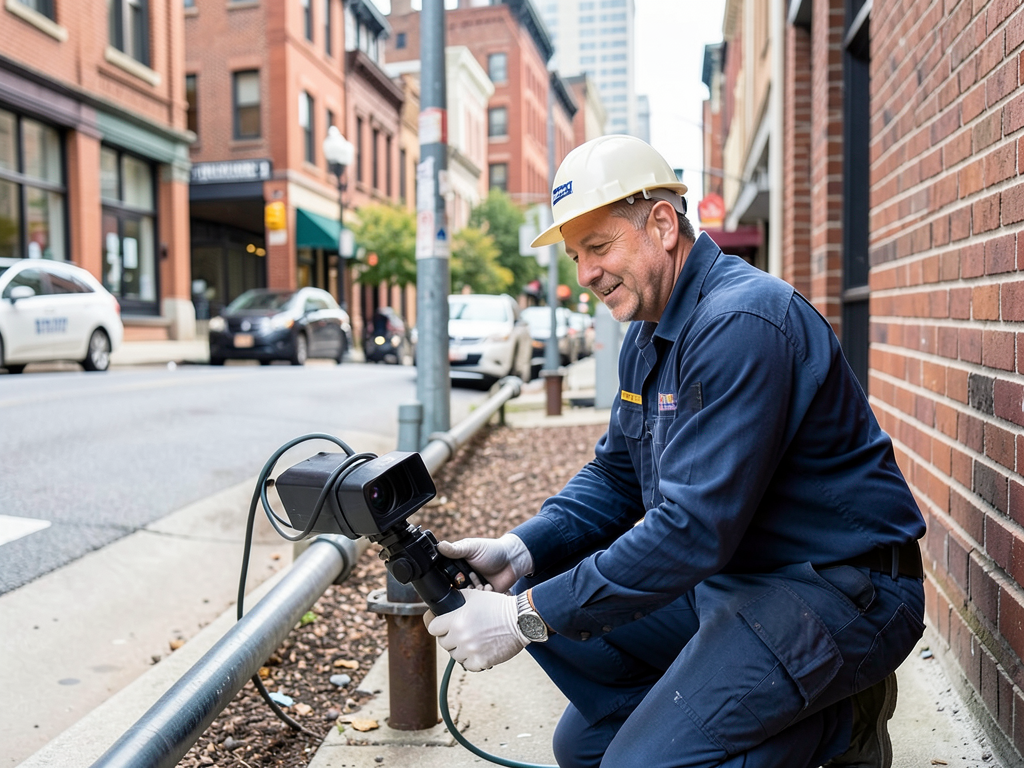
Plumbing Services in The Atlanta Area

Elite Plumbing is conveniently located to serve the greater Atlanta area. Whether you're looking to visit our office, need to understand our service radius, or simply want to know where we're based, our map provides a clear visual. We pride ourselves on being accessible to all our clients, ensuring prompt and efficient service delivery across the region for all your plumbing needs.

Address:
Elite Plumbing Atlanta, 434 Marietta St NW, Atlanta, GA, 30313

Additional Services We Offer

Our news updates

Latest Articles & News from The Blogs

What Every Midtown Homeowner Should Know About Shared Sewer Laterals Living in Midtown Atlanta means enjoying historic charm and vibrant…

What Every Midtown Homeowner Should Know About Shared Sewer Laterals

What Every Midtown Homeowner Should Know About Shared Sewer Laterals Living in Midtown Atlanta means enjoying historic charm and vibrant…

Choosing a High Performance Showerhead That Still Meets Georgia Water Flow Standards

Choosing a High Performance Showerhead That Still Meets Georgia Water Flow Standards Looking for a showerhead that delivers a powerful…

Why Your New Milton Home Needs a Dedicated Backflow Preventer for the Irrigation System

Why Your New Milton Home Needs a Dedicated Backflow Preventer for the Irrigation System Every new home in Milton with…

Contact Us

Call Elite Plumbing Atlanta at (770) 610-5522 to schedule your commercial grease trap pumping. We offer same-week service, flexible scheduling, and compliance documentation. Keep your business running and your permits current.