




Menu

Plumbing Inspection Checklist for Atlanta Homes | Protect Your Investment Before Problems Strike

Our comprehensive plumbing inspection checklist helps Atlanta homeowners identify hidden issues before they become expensive emergencies, covering everything from water heater sediment to slab leak detection in Georgia clay soil.

Slider Image 1
Slider Image 2
Slider Image 3
Slider Image 4
Slider Image 5
Slider Image 7
Slider Image 8
Slider Image 9
Slider Image 10
Slider Image 11

Why Atlanta Homes Need Regular Plumbing Inspections

Atlanta's unique combination of red clay soil and dramatic seasonal swings creates specific plumbing challenges you will not find in other regions. The expansive clay soil shifts during wet and dry cycles, putting constant pressure on underground supply lines and sewer laterals. This movement causes pipe joints to separate, cracks to form, and connections to fail.

High humidity levels during summer months accelerate corrosion on galvanized pipes, while hard water deposits build up faster in water heaters and fixture supply lines. Homes in historic neighborhoods like Grant Park and Virginia Highland often have original cast iron drain lines that are silently deteriorating from the inside out.

A proper home plumbing inspection list addresses these regional threats systematically. Without a preventative plumbing maintenance checklist, small issues compound. A pinhole leak in a crawlspace becomes water damage. A slow drain becomes a backed-up sewer. A rumbling water heater becomes a flooded basement.

The residential plumbing checkup list we provide covers 47 specific inspection points designed for Atlanta conditions. We check things that generic inspections miss: expansion tank functionality in high-pressure zones, hose bib backflow prevention in irrigation-heavy neighborhoods, and sump pump capacity during Georgia's spring downpours.

This plumbing system inspection guide serves one purpose: catch problems while they are still cheap to fix. The average repair we find during routine inspections costs 300 dollars. The average emergency those same problems become? Several thousand dollars in damage plus the repair itself.

Your plumbing maintenance checklist should happen annually, minimum. Homes over 20 years old benefit from semi-annual inspections, especially in areas with known soil movement issues.

Why Atlanta Homes Need Regular Plumbing Inspections
What a Professional Plumbing Inspection Actually Covers

What a Professional Plumbing Inspection Actually Covers

A real plumbing system inspection guide goes far beyond turning on faucets and flushing toilets. We perform diagnostic testing that reveals conditions invisible to the untrained eye.

The inspection starts with water pressure testing at multiple fixtures. Low pressure indicates partially blocked galvanized lines or a failing pressure regulator. Excessive pressure (over 80 PSI) stresses joints and reduces fixture lifespan. We measure static pressure, working pressure, and pressure differential between floors.

We inspect every accessible shut-off valve for functionality and leaks. Gate valves in older homes often seize from mineral buildup. We operate each valve through its full range to verify it will work when you need it during an emergency.

The water heater inspection includes checking the anode rod condition, testing the temperature-pressure relief valve, inspecting the flue draft on gas units, examining the expansion tank pre-charge, and measuring sediment accumulation through drain valve sampling. Atlanta's mineral content destroys water heaters faster than most regions.

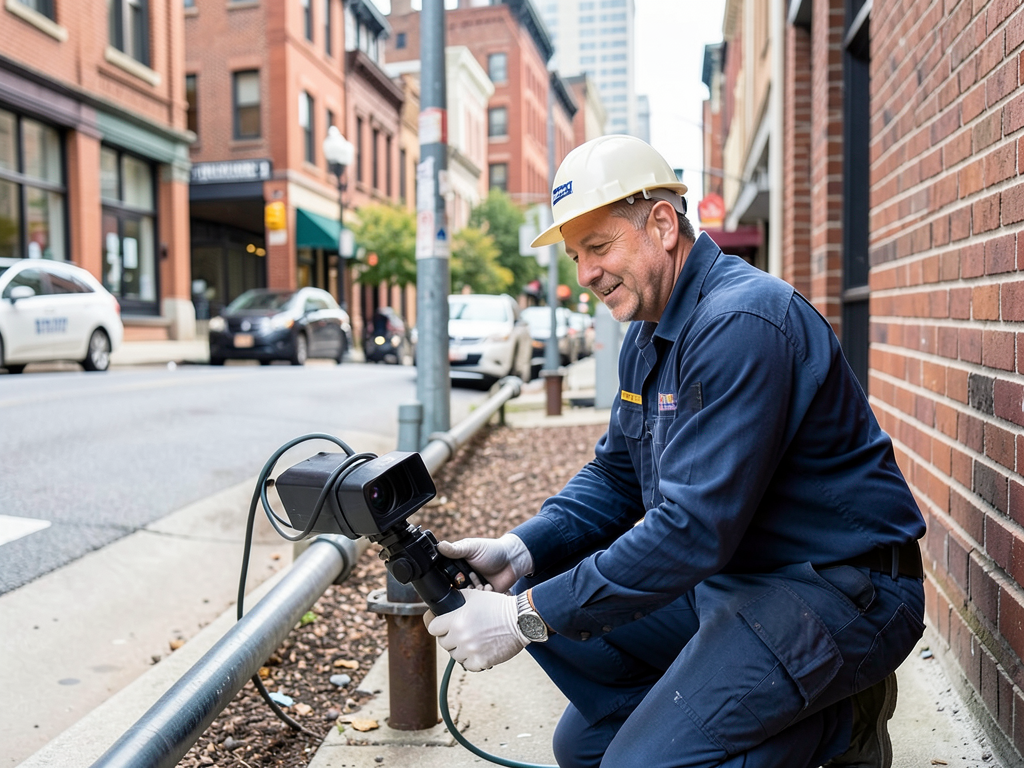
Drain line inspection uses camera technology when warranted. We scope main sewer lines to identify root intrusion, bellied sections, and deteriorating pipe material before backups occur. For homes with cast iron drains, we assess interior pipe condition and remaining wall thickness.

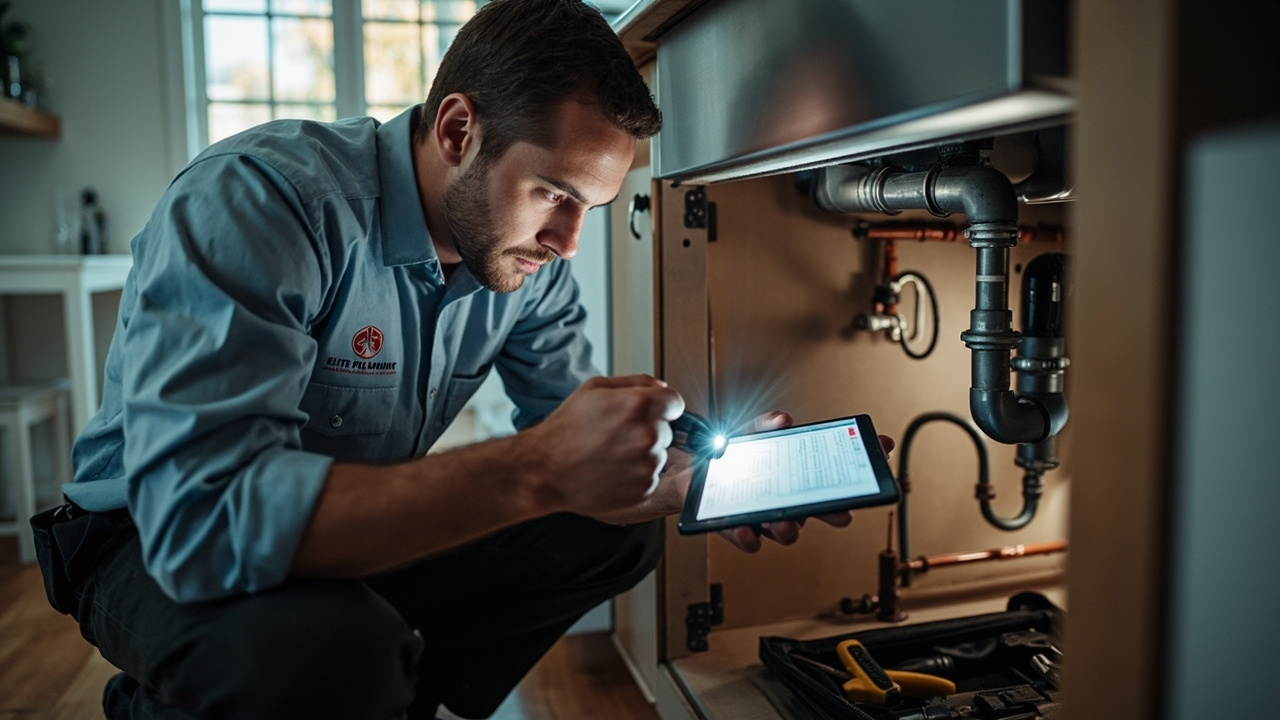
We check all visible supply lines for corrosion, improper support, and stress points. We inspect under sinks for slow drips that cause cabinet damage. We test toilet fill valves and flappers for proper operation and water waste.

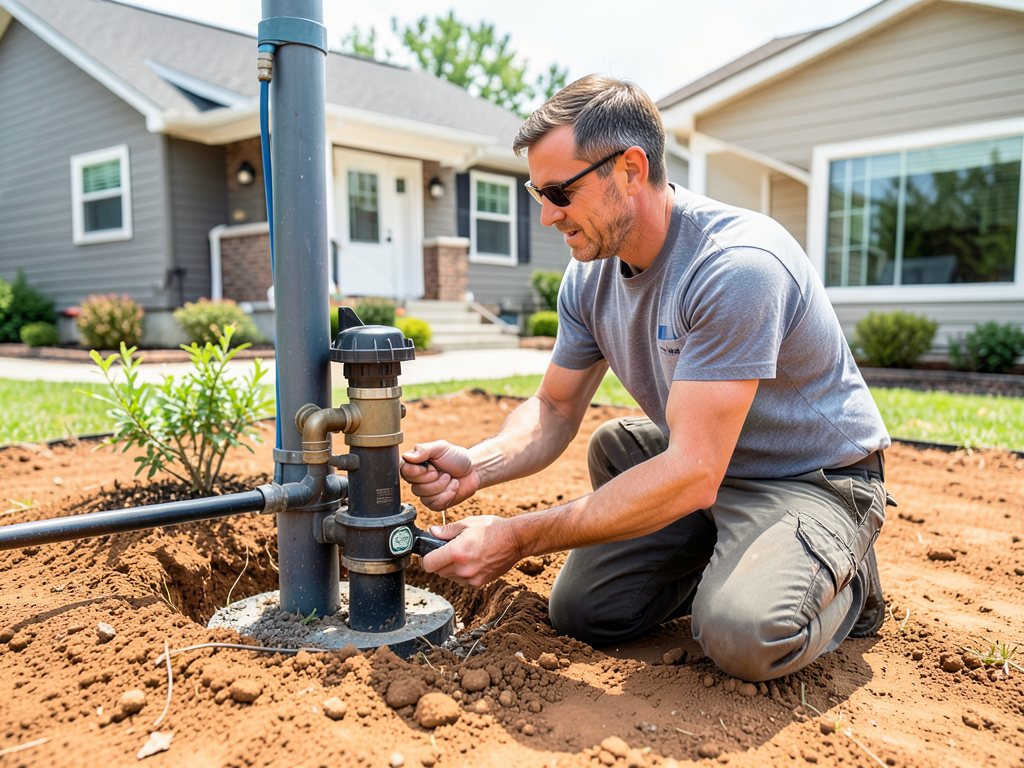
Outdoor inspection covers hose bibs, irrigation connections, main line shut-offs, and cleanout access points. We verify backflow prevention on any cross-connections and check for signs of underground leaks through moisture detection.

Each finding gets documented with photos, severity rating, and recommended action timeline.

How the Inspection Process Works

Plumbing Inspection Checklist for Atlanta Homes | Protect Your Investment Before Problems Strike
01

System Overview Assessment

We begin by documenting your home's plumbing configuration, including the main water line material, shut-off valve location, water heater type and age, and drain system layout. This overview identifies which components need detailed inspection based on age, material, and Atlanta-specific risk factors like soil conditions around your foundation. We note any previous repairs or modifications that affect system performance.
02

Point-by-Point Component Testing

Each plumbing component receives individual testing using diagnostic tools. We measure water pressure at multiple fixtures, test drain flow rates, operate all shut-off valves, inspect exposed piping for corrosion, examine fixture connections for leaks, and assess water heater operation. Problem areas receive camera inspection or moisture detection testing. This systematic approach ensures nothing gets overlooked, even in hard-to-access areas like crawlspaces.
03

Documentation and Recommendations

You receive a detailed report with photos of every issue discovered, ranked by urgency. Critical problems like active leaks get flagged for immediate repair. Moderate concerns like aging supply lines receive timeline recommendations. Minor issues get documented for future monitoring. We explain what each problem means, why it matters, and what happens if you delay the repair. This gives you a clear maintenance roadmap.

Why Elite Plumbing Atlanta Understands Your Home Better

Generic plumbing inspections follow cookie-cutter checklists that ignore regional differences. We inspect homes based on Atlanta-specific failure patterns because we have repaired thousands of local plumbing systems.

We know that homes in East Atlanta and Decatur have aggressive soil that eats through copper ground connections. We know that Buckhead properties built in the 1980s have polybutylene supply lines that are ticking time bombs. We know that Inman Park Victorians have drum traps that create recurring drain issues.

This local knowledge changes how we inspect. When we see galvanized supply lines in a 1950s ranch, we do not just note the age. We check for specific failure points where galvanized connects to copper, where it enters concrete slabs, and where pressure spikes from municipal main flushing cause stress cracks.

When we inspect water heaters in Atlanta, we account for the sediment buildup rate caused by local water chemistry. We adjust our replacement recommendations based on actual local lifespan data, not national averages.

We understand how Georgia's plumbing code has evolved. Homes built before certain code changes lack backflow prevention, proper venting, or adequate clean-outs. We identify these code gaps that create ongoing problems.

Our inspections also consider Atlanta's infrastructure challenges. We note if your property sits in an area with known main line pressure fluctuations, aging municipal infrastructure, or frequent water service interruptions. These factors affect what components need priority attention.

You are not getting a plumber from Phoenix reading off a generic tablet checklist. You are getting technicians who have traced leaks through red clay, replaced burst pipes during ice storms, and scoped thousands of feet of Atlanta sewer lines.

That experience shows up in what we catch during inspections and what we prioritize in our recommendations.

What Happens During Your Inspection Appointment

Scheduling and Timeframe

Inspection appointments typically take 90 minutes to two hours, depending on home size and plumbing complexity. We schedule inspections during business hours when full water system testing is possible. You do not need to be present for the entire inspection, but we recommend staying available for the review period at the end. We can usually schedule your inspection within three to five business days. Homes over 3,000 square feet or properties with separate irrigation systems may require additional time for thorough evaluation.

The Inspection Walk-Through

We start by asking about any known issues, recent repairs, or concerns you have noticed. This focuses our attention on problem areas while we conduct the systematic inspection. You receive explanations as we work if you choose to follow along. We operate fixtures, test shut-offs, examine exposed piping, and use cameras or detection equipment where needed. We access crawlspaces, attics with plumbing, and outdoor components. Every finding gets photographed for your records. The process is non-invasive and requires no demolition or extensive access preparation.

Your Detailed Report

The inspection report breaks down into three priority levels: urgent repairs needed now, maintenance items to address within six months, and monitoring points for future attention. Each issue includes photos, explanation of the problem, potential consequences of delaying repair, and repair scope overview. You receive both a digital copy and printed version. We review the findings with you in person, answer questions, and provide repair estimates for any work you want us to handle. The report remains valuable for insurance documentation and future home sale disclosures.

Ongoing Maintenance Planning

Your inspection report includes a customized maintenance schedule based on your home's specific components and conditions. We note when the water heater will need replacement, when aging supply lines should be budgeted for, and when follow-up camera inspections make sense for older drain lines. We offer annual inspection reminders for homes with elevated risk factors like older plumbing systems or expansive soil conditions. Many clients use their inspection reports to build home maintenance budgets and plan major plumbing updates before emergency failures force rushed, expensive decisions.

Frequently Asked Questions

You Have Questions,
We Have Answers

What does a plumbing inspection consist of? +

A plumbing inspection examines your entire water supply and drainage system. The plumber checks all visible pipes for leaks, corrosion, and proper connections. They test water pressure at fixtures, inspect the water heater for sediment buildup and proper venting, and examine all drains for clogs or slow drainage. In Atlanta homes, inspectors pay special attention to galvanized pipe corrosion common in older neighborhoods and evaluate sump pumps in basements. They also check toilets for leaks, faucets for drips, and shut-off valves for function. The goal is to identify current problems and potential failures before they cause water damage.

What are the 5 main items you should inspect for at a drain detail? +

At a drain detail, inspect the drain cover for damage or missing parts that allow debris entry. Check for proper slope, as Atlanta clay soil can shift and create negative grades that cause standing water. Look for visible clogs, hair buildup, or soap scum accumulation. Test drainage speed by running water and timing how fast it clears. Examine the trap connection for leaks, corrosion, or improper installation. Check for sewer gas odors that indicate venting problems or dry traps. These five items reveal most drain issues before they escalate into backups or water damage.

What should be included in the inspection checklist? +

A comprehensive plumbing inspection checklist includes all water supply lines, drain lines, and fixtures. Document water heater age, capacity, and condition. Check all shut-off valves for operation. Inspect visible pipes for leaks, corrosion, and proper support. Test water pressure at multiple fixtures. Examine all drains for clogs and proper venting. Evaluate the main sewer line condition, particularly important in Atlanta where tree roots from oak and pine can infiltrate clay pipes. Include outdoor hose bibs, sprinkler systems, and check for foundation cracks that indicate slab leaks. Document the main water shut-off location and condition.

How much does it cost to have a plumbing inspection? +

Plumbing inspection costs in the Atlanta metro vary based on home size and scope. A basic visual inspection runs lower than a comprehensive inspection with camera scope of sewer lines. Older homes in areas like Grant Park or Virginia Highland may require more thorough evaluation due to aging pipe materials. Factors affecting cost include property square footage, number of fixtures, accessibility of pipes, and whether you need sewer camera inspection. Many plumbers offer free inspections with repair estimates. For pre-purchase inspections, budget accordingly and consider it insurance against expensive surprises after closing.

What is the biggest red flag in a home inspection? +

The biggest red flag in a home inspection is evidence of active water leaks or previous water damage. Water stains on ceilings, walls, or around fixtures indicate ongoing plumbing failures that can lead to mold growth and structural damage. In Atlanta homes, watch for foundation cracks combined with plumbing issues, which suggest slab leaks. Corroded galvanized pipes, common in pre-1960s homes, signal imminent failure. Improper drainage around the foundation is critical given our clay soil and heavy rainfall. Any sign of sewer backup or sewage odor demands immediate investigation before you commit to purchase.

What is the first thing an inspector wants to see? +

The first thing an inspector wants to see is the main water shut-off valve location and condition. This valve controls your entire water supply and must be accessible and functional for emergencies. Inspectors then check the water heater for age, proper installation, and safety concerns like inadequate venting or temperature settings. They examine visible supply lines for material type, particularly noting galvanized pipes that require replacement. In Atlanta homes with basements or crawl spaces, inspectors immediately look for standing water, moisture, or previous flood damage that indicates chronic drainage problems requiring correction before other issues matter.

What would make a house fail a home inspection? +

A house fails inspection when critical plumbing defects pose safety risks or require immediate repair. Active sewer leaks, gas line leaks, or cross-connections between potable and non-potable water fail inspections. Water heaters with improper venting, missing pressure relief valves, or combustion hazards fail safety checks. Severely corroded pipes ready to burst, major slab leaks causing foundation damage, or sewage backing into the home are deal-breakers. In Atlanta, inadequate drainage causing foundation settlement can fail inspections. Most issues are negotiable, but life-safety concerns and major system failures require resolution before closing or occupancy.

What is a 7 point inspection? +

A seven-point inspection is not a standard plumbing industry term. You may be thinking of a specific inspection protocol used by certain home warranty companies or inspection services. Standard plumbing inspections do not follow a universal seven-point system. Instead, they comprehensively evaluate water supply, drainage, fixtures, water heating, and venting systems. If you received documentation mentioning a seven-point inspection, ask the inspector or service provider to clarify what specific components they examine. Comprehensive plumbing inspections typically cover far more than seven items to properly evaluate your entire system.

How much does a drain inspection cost? +

Drain inspection costs in Atlanta depend on the method and scope. A basic visual inspection and drain test costs less than camera scope inspection of sewer lines. Camera inspections provide video documentation of pipe condition, root intrusion, and bellied sections common in homes with settling clay soil. Main sewer line camera inspection from cleanout to street connection runs higher than individual fixture drain checks. Costs increase if access requires removing toilets or cutting into walls. Many plumbers include basic drain inspection when diagnosing slow drains or clogs, charging separately only for extensive camera work.

What does a full inspection include? +

A full plumbing inspection includes every water-using fixture, appliance, and visible pipe in your home. The plumber examines the water heater, all supply lines, drain lines, and venting systems. They test water pressure, check for leaks, and evaluate fixture operation. The inspection covers toilets, sinks, tubs, showers, washing machine connections, dishwasher hookups, and outdoor hose bibs. In Atlanta homes, this includes sump pump testing if present, main sewer line evaluation for tree root intrusion, and foundation inspection for slab leaks. The plumber documents pipe materials, identifies code violations, and provides repair priority recommendations.

How Atlanta's Red Clay Soil Affects Your Plumbing System

The Piedmont region's distinctive red clay soil creates unique stress on underground plumbing that does not exist in sandy or rocky soil regions. This clay expands when wet and contracts when dry, creating constant movement around water and sewer lines. During drought periods, the clay pulls away from pipes, removing support and creating voids. When rain returns, the expanding clay crushes back against pipes with significant force. This cycle causes joint separation in older cast iron sewer lines and stress cracks in rigid supply lines. Our residential plumbing checkup list specifically examines indicators of soil movement damage: settling foundation cracks near plumbing penetrations, moisture patterns suggesting underground leaks, and drain line bellying from shifted pipe sections.

Elite Plumbing Atlanta has inspected homes across every Atlanta neighborhood, from Midtown high-rises to sprawling Alpharetta subdivisions. We understand how plumbing ages differently in Grant Park's century-old homes versus new construction in Sandy Springs. Our technicians recognize the warning signs of failing polybutylene in East Cobb, the corrosion patterns on galvanized lines in West End, and the root intrusion problems common along tree-lined streets in Druid Hills. This neighborhood-level knowledge ensures your plumbing maintenance checklist addresses the specific threats your home faces based on age, location, and construction type rather than generic national inspection standards.
Plumbing Services in The Atlanta Area

Elite Plumbing is conveniently located to serve the greater Atlanta area. Whether you're looking to visit our office, need to understand our service radius, or simply want to know where we're based, our map provides a clear visual. We pride ourselves on being accessible to all our clients, ensuring prompt and efficient service delivery across the region for all your plumbing needs.

Address:
Elite Plumbing Atlanta, 434 Marietta St NW, Atlanta, GA, 30313

Additional Services We Offer

Our news updates

Latest Articles & News from The Blogs

How Gray Water Recycling Can Help You Maintain a Lush Garden in Palmetto Gray water recycling systems offer Palmetto homeowners…

How Gray Water Recycling Can Help You Maintain a Lush Garden in Palmetto

How Gray Water Recycling Can Help You Maintain a Lush Garden in Palmetto Gray water recycling systems offer Palmetto homeowners…

Comparing Navien and Rinnai Tankless Systems for Large Estates in Canton

Comparing Navien and Rinnai Tankless Systems for Large Estates in Canton Large estates in Canton require high-capacity tankless water heaters…

The Best Ultra-Quiet Toilets for High-Rise Living in Morrow

The Best Ultra-Quiet Toilets for High-Rise Living in Morrow Living in a high-rise apartment in Morrow means sharing walls floors…

Contact Us

Stop wondering about hidden leaks and aging pipes. Get definitive answers with a comprehensive inspection. Call (770) 610-5522 now to schedule your appointment. We will give you a complete picture of your plumbing system's condition and a clear action plan for maintaining it properly.