





Menu

Commercial Kitchen Plumbing in Atlanta – Industrial-Grade Systems That Keep Your Business Running

From high-capacity grease interceptors to NSF-rated fixture installations, we deliver commercial kitchen plumbing that meets Atlanta health codes and handles the demands of high-volume food service operations without costly downtime.

Slider Image 1
Slider Image 2
Slider Image 3
Slider Image 4
Slider Image 5
Slider Image 7
Slider Image 8
Slider Image 9
Slider Image 10
Slider Image 11

Atlanta's Food Service Industry Demands More Than Residential Plumbing

A commercial kitchen is not a residential kitchen scaled up. The volume, temperature extremes, and grease loads in a restaurant or institutional kitchen require industrial kitchen plumbing designed for continuous operation under extreme conditions. A single clogged drain line or failed water heater can shut down service during peak hours, costing you thousands in lost revenue and damaging your reputation.

Atlanta's restaurant scene operates in a climate that compounds these challenges. Summer heat pushes kitchen temperatures past 100 degrees, stressing equipment and accelerating grease buildup in drain lines. Clay soil throughout the metro area shifts constantly, creating stress on underground grease trap lines and sewer connections. The city's aging infrastructure in neighborhoods like Old Fourth Ward and Sweet Auburn means your building's lateral line may be terra cotta or cast iron, prone to root intrusion and collapse under the hydraulic load of commercial dishwashers and pre-rinse spray valves.

Professional kitchen plumbing requires backflow preventers on all potable water connections, proper venting for high-temperature dishwashers, and correctly sized grease interceptors that meet DeKalb, Fulton, or Cobb County specifications. A restaurant plumbing services provider who does not understand these distinctions will cost you failed inspections, fines, and emergency repairs during your busiest shifts.

Food service plumbing is not an area for trial and error. You need a commercial kitchen plumber who understands the difference between a 50-gallon grease trap and a 1,000-gallon interceptor, who can size a hot water recirculation system for a 300-seat venue, and who responds when your three-compartment sink backs up during Saturday dinner service.

Atlanta's Food Service Industry Demands More Than Residential Plumbing
How We Build and Maintain Commercial Kitchen Plumbing Systems

How We Build and Maintain Commercial Kitchen Plumbing Systems

Our approach to industrial kitchen plumbing starts with load calculation. We measure your peak water demand, fixture unit count, and grease production to design systems that handle real-world stress. A typical quick-service restaurant generates 15 to 20 fixture units of drainage demand. A full-service restaurant with a bar adds another 10. Undersized drain lines create backups. Undersized water lines starve equipment. We calculate both to eliminate guesswork.

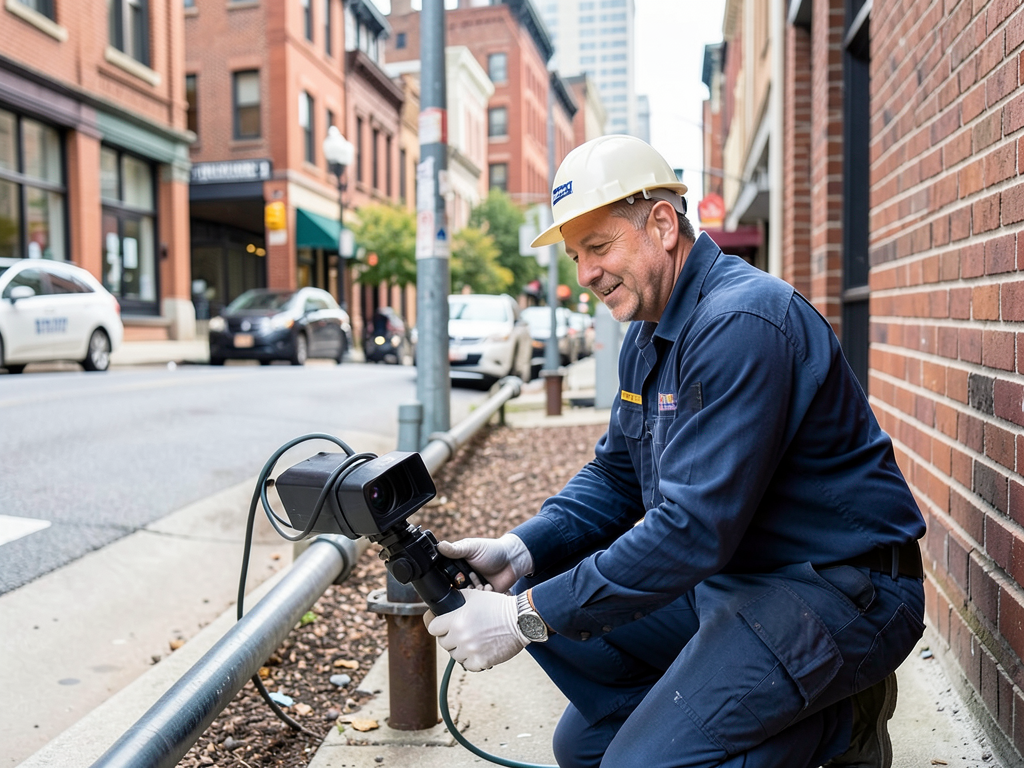
We use schedule 40 PVC for drain, waste, and vent lines in new construction, with proper slope and cleanout access every 50 feet. For existing buildings, we camera-inspect all underground lines before quoting repairs. We have found collapsed clay pipes under dining rooms, root masses blocking interceptor inlet lines, and improperly vented islands that create vacuum locks during peak flow. You cannot fix what you cannot see.

Grease management is the single most important factor in food service plumbing longevity. We size interceptors according to actual flow rates and grease production, not generic rules of thumb. A 20 GPM interceptor works for a coffee shop. A hotel kitchen needs 100 GPM or more. We install sample boxes for easy inspection access and ensure baffles are positioned correctly to maximize separation efficiency.

Hot water delivery in commercial kitchens requires recirculation pumps, mixing valves, and properly insulated lines. A dishwasher demands 180-degree water at the manifold. A handwashing sink requires 110 degrees maximum to prevent scalding. We design multi-temperature systems with dedicated loops and thermostatic control to meet health code and protect your staff.

Elite Plumbing Atlanta maintains service contracts with restaurants across Midtown, Buckhead, and the Westside, responding to emergencies and performing quarterly maintenance to prevent failures before they cost you money.

What Happens When You Call for Commercial Kitchen Plumbing

Commercial Kitchen Plumbing in Atlanta – Industrial-Grade Systems That Keep Your Business Running
01

Site Assessment and Load Analysis

We visit your facility to document equipment, measure flow rates, and inspect existing plumbing infrastructure. We review your menu, seating capacity, and peak service times to understand actual demand. For new construction, we coordinate with your kitchen designer and equipment vendor to confirm fixture specifications and connection requirements. This prevents change orders and delays during buildout.
02

System Design and Permitting

We create a detailed plumbing plan showing drain lines, vent routing, grease interceptor sizing, and water distribution. We submit this to the local jurisdiction for permit approval, addressing plan review comments and coordinating inspections. We understand Atlanta's plumbing code amendments and can navigate reviews in the City of Atlanta, DeKalb County, and surrounding municipalities. Proper permitting protects you during health inspections and sale transactions.
03

Installation and Final Inspection

We install all plumbing during your construction or renovation timeline, coordinating with your general contractor and other trades. We pressure-test all water lines, perform smoke tests on drain and vent systems, and verify backflow preventer operation before calling for inspection. After approval, we provide as-built drawings and maintenance schedules for your grease interceptor, backflow devices, and water heaters. You receive documentation required for business licensing and health permits.

Why Atlanta Restaurant Owners Choose Elite Plumbing Atlanta

Commercial kitchen plumbing failures do not wait for convenient times. A backed-up floor drain during lunch service or a failed water heater before Saturday dinner costs you immediate revenue and long-term customers. You need a commercial kitchen plumber who understands that your business operates on thin margins and zero tolerance for downtime.

We have worked in Atlanta's food service industry long enough to know the difference between a Cobb County grease trap inspection and a City of Atlanta health department visit. We understand that Fulton County requires certain backflow preventer models and that DeKalb has specific requirements for interceptor placement. This local knowledge prevents failed inspections and expensive rework.

Our clients include quick-service franchises, independent fine dining restaurants, hotel kitchens, hospital cafeterias, and catering facilities. We have installed plumbing in historic buildings along the BeltLine where access is limited and in new developments in Chamblee and Sandy Springs where coordination with multiple trades is critical. Each project teaches us how to work faster and smarter on the next one.

We stock parts for commercial kitchen equipment in our trucks. When a pre-rinse spray valve fails or a dishwasher fill valve sticks, we can repair it immediately rather than ordering parts and returning days later. For larger projects, we maintain relationships with suppliers who can deliver same-day when your ice machine water line ruptures or your mop sink faucet breaks.

Elite Plumbing Atlanta does not send apprentices to commercial jobs. You get experienced journeymen who understand the stakes and the timeline. We communicate directly with kitchen managers, general contractors, and health inspectors to keep your project moving. We return calls within an hour and arrive when we say we will. In an industry where time is money, reliability is everything.

What to Expect When You Hire Us for Your Commercial Kitchen

Response Time for Emergencies

We respond to emergency calls from existing commercial clients within two hours during business hours and within four hours after hours. A backed-up drain line or broken water supply can shut down service, so we prioritize these calls above routine work. For planned projects, we schedule around your slow periods to minimize disruption. If you need a water heater replaced, we do it on Monday morning, not Friday night. We understand your schedule and respect your revenue cycle.

Initial Inspection and Diagnosis

Every service call begins with a thorough inspection. We do not guess. If you have a slow drain, we camera the line to identify the blockage location and cause. If you have low water pressure, we test pressure at multiple fixtures and check for valve failures or pipe restrictions. We provide a written diagnosis and a flat-rate quote before starting work. You approve the scope and the number before we proceed. No surprises on the invoice.

Quality of Work and Materials

We use commercial-grade materials rated for high-temperature, high-volume applications. Water heaters are A.O. Smith or Bradford White commercial models with heavy-duty burners and longer tank life. Faucets are Chicago Faucets or T&S Brass, built for constant use. Drain lines are schedule 40 PVC with solvent-welded joints, not push-fit fittings that fail under pressure. We install equipment that lasts and can be serviced by any qualified technician, not proprietary systems that lock you into one vendor.

Preventive Maintenance Programs

We offer quarterly maintenance contracts for commercial kitchens, including grease interceptor pumping coordination, drain line jetting, backflow preventer testing, and water heater flushing. Regular maintenance catches problems before they become emergencies. A small grease buildup cleared in June does not become a backed-up kitchen in December. We keep records of every service visit and alert you when equipment is nearing end of life, so you can budget for replacement rather than paying emergency rates.

Frequently Asked Questions

You Have Questions,
We Have Answers

Are floor drains required in commercial kitchens? +

Yes. Atlanta commercial kitchens must install floor drains per International Plumbing Code and Georgia amendments. Health departments require floor drains in food prep areas, dishwashing zones, and walk-in coolers to handle spills and sanitation runoff. Most jurisdictions mandate at least one drain per 400 square feet of kitchen space. Floor drains prevent standing water that violates health codes and creates slip hazards. They also provide critical drainage during equipment malfunctions or fire suppression activation. Your drain system must include proper grease traps upstream to prevent sewer backups. Non-compliance delays permits and risks failed inspections.

What plumbing is needed for a kitchen? +

Commercial kitchens require hot and cold water supply lines rated for high-volume use, a three-compartment sink with dedicated drains, grease interceptors sized to your wastewater output, floor drains with sediment buckets, gas lines for cooking equipment, and backflow preventers on all potable water connections. Atlanta code mandates separate shut-off valves for each fixture. Dishwashers need their own drain connections. Mop sinks require air gaps. Ice machines need dedicated water filtration. Your system must handle peak demand during rush periods without pressure drops. Undersized plumbing creates bottlenecks that shut down service and cost revenue.

What is considered commercial plumbing? +

Commercial plumbing serves businesses and public facilities rather than single-family homes. It involves larger pipe diameters, higher fixture counts, specialized equipment like grease traps and backflow devices, and stricter code requirements. Commercial systems handle greater daily usage and require materials rated for constant stress. Atlanta commercial projects demand licensed contractors familiar with health department protocols, ADA compliance, and building inspector expectations. The work includes restaurant hood suppression tie-ins, commercial water heaters, pressure-boosting systems, and emergency eyewash stations. Liability exposure is higher because failures disrupt business operations and impact public safety.

What material is used for commercial kitchen drain pipes? +

Commercial kitchen drain pipes use Schedule 40 cast iron or PVC depending on location and local code. Cast iron handles high temperatures from dishwashers and provides superior sound dampening in multi-story buildings. PVC works for cold waste lines and costs less. Atlanta installations often use cast iron for main stacks and PVC for branch lines. Grease-bearing waste requires cast iron or specialty coated pipes because grease degrades standard PVC over time. All drain materials must resist corrosion from cleaning chemicals. Stainless steel appears in exposed areas where aesthetics matter. Your installer must match pipe material to waste type and temperature.

What is the 3x4 kitchen rule? +

The 3x4 rule refers to electrical safety, not plumbing. It requires receptacles every four feet along countertops and within three feet of sinks. For plumbing relevance, some contractors reference a "three feet, four inches" guideline for minimum clearance around equipment for serviceability. Atlanta health codes mandate 18 inches minimum between sinks and cooking surfaces. The key plumbing rule is fixture spacing that allows proper drainage slope and trap venting. Commercial kitchens must provide adequate space for grease trap access and cleanout fittings. Crowded layouts create maintenance problems that violate code and disrupt operations.

Does every outlet in a commercial kitchen need to be GFCI? +

Yes. National Electrical Code requires GFCI protection on all 120-volt, single-phase outlets in commercial kitchens. Atlanta adopts NEC standards with minimal amendments. Every outlet within six feet of sinks needs GFCI protection against shock hazards in wet environments. This includes countertop receptacles, equipment plugs, and even refrigeration circuits if they meet voltage criteria. Older facilities grandfathered under previous codes still need GFCI upgrades during renovations. While this is electrical code rather than plumbing, your plumber coordinates fixture placement to ensure electrical compliance. Wet locations demand proper grounding and circuit protection to prevent shutdowns and liability.

What is the code for kitchen sink drain pipe? +

Kitchen sink drain pipes require 1.5-inch minimum diameter for residential sinks and 2-inch minimum for commercial three-compartment sinks per International Plumbing Code. Atlanta follows IPC with Georgia amendments. Commercial installations often use 3-inch or 4-inch drains to handle high-volume discharge and prevent backups. Drains must slope at least one-quarter inch per foot toward the main line. Every sink needs a properly vented trap no more than 24 inches from the fixture. Grease-bearing sinks require upstream interceptors sized to your projected waste output. Undersized drains cause frequent stoppages that violate health codes and halt operations.

How much does plumbing cost for a kitchen? +

Commercial kitchen plumbing costs vary widely based on square footage, fixture count, grease trap requirements, and existing infrastructure. New construction installations cost more than tenant improvements in spaces with existing rough-ins. Variables include gas line runs, water heater capacity, backflow device complexity, and permit fees. Atlanta projects face higher costs in historic buildings requiring specialized piping methods. Multi-story installations demand pressure-boosting systems. Grease interceptor sizing alone impacts budget significantly. Budget for engineered drawings, health department plan reviews, and inspection fees. Your costs depend on equipment layout and code compliance needs specific to your operation.

What are three types of plumbing? +

The three main plumbing systems are potable water supply, sanitary drainage, and stormwater drainage. Supply systems deliver clean water under pressure to fixtures. Drainage systems remove wastewater through gravity-fed pipes and vented stacks. Stormwater systems handle roof runoff and site drainage separately from sanitary waste. Commercial kitchens add a fourth critical system: grease waste management through interceptors and specialty piping. Atlanta commercial projects must keep these systems completely separate per code. Cross-connections between potable water and waste lines create contamination risks and fail inspections. Each system requires different materials, slopes, and venting strategies.

How Atlanta's Clay Soil and Aging Infrastructure Affect Restaurant Plumbing Systems

Atlanta sits on expansive clay soil that swells when wet and shrinks when dry. This constant movement stresses underground grease interceptor lines and sewer laterals, creating joint separations and pipe misalignment. Restaurants in older neighborhoods like Virginia Highland, Inman Park, and Grant Park often have clay tile or cast iron laterals installed decades ago, now infiltrated by tree roots or collapsed from soil shifting. A high-volume commercial kitchen generates enough hydraulic force to expose these weaknesses quickly. We routinely find that a slow drain in a 20-year-old building is not a grease problem but a broken pipe under the slab.

Atlanta's rapid growth has created a patchwork of plumbing codes and inspection standards across jurisdictions. The City of Atlanta enforces different grease interceptor requirements than Cobb County or Gwinnett County. A restaurant plumbing services provider who works exclusively in one area may not understand the variations that affect your project. Elite Plumbing Atlanta works across the metro area, maintaining relationships with inspectors and staying current on local amendments. We know which jurisdictions require witness testing for backflow preventers and which allow certified test reports. This local knowledge saves you time, money, and failed inspections.
Plumbing Services in The Atlanta Area

Elite Plumbing is conveniently located to serve the greater Atlanta area. Whether you're looking to visit our office, need to understand our service radius, or simply want to know where we're based, our map provides a clear visual. We pride ourselves on being accessible to all our clients, ensuring prompt and efficient service delivery across the region for all your plumbing needs.

Address:
Elite Plumbing Atlanta, 434 Marietta St NW, Atlanta, GA, 30313

Additional Services We Offer

Our news updates

Latest Articles & News from The Blogs

Essential Plumbing Planning for New Pool Houses and Cabanas in Cumming Building a pool house or cabana in Cumming requires…

Essential Plumbing Planning for New Pool Houses and Cabanas in Cumming

Essential Plumbing Planning for New Pool Houses and Cabanas in Cumming Building a pool house or cabana in Cumming requires…

Why Building an Outdoor Shower is the Ultimate Upgrade for Your Scottdale Backyard

Why Building an Outdoor Shower is the Ultimate Upgrade for Your Scottdale Backyard Scottdale homeowners are discovering that outdoor showers…

Deciding Between Gas and Electric Water Heaters for Your New Lawrenceville Home

Deciding Between Gas and Electric Water Heaters for Your New Lawrenceville Home If you’re building or renovating in Lawrenceville, Georgia,…

Contact Us

Do not let plumbing issues shut down your kitchen or delay your opening. Call Elite Plumbing Atlanta at (770) 610-5522 for fast, reliable commercial kitchen plumbing services. We respond quickly, quote fairly, and deliver work that passes inspection the first time.