
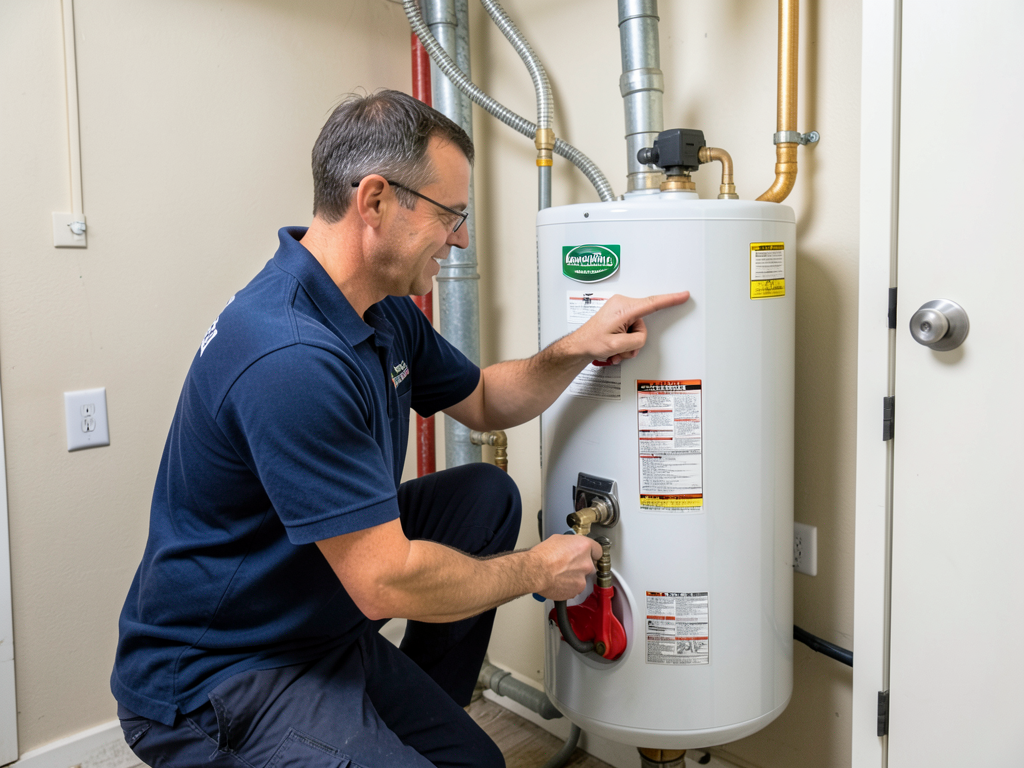
Deciding Between Gas and Electric Water Heaters for Your New Lawrenceville Home
If you’re building or renovating in Lawrenceville, Georgia, one of the first big decisions you’ll face is what type of water heater to install. The right choice depends on more than just price—it’s about long-term efficiency, local energy costs, and how your home uses hot water. This guide breaks down the real differences between gas and electric water heaters so you can make the best decision for your new Lawrenceville home. Georgia Power water heater rebates.
Gas water heaters heat water faster and cost less to operate in Georgia, but require proper venting and a gas line. Electric models are cheaper to buy and install, safer, and work well in smaller homes or condos. With Georgia Power’s rates and Atlanta Gas Light’s availability varying by neighborhood, your utility setup plays a big role in which option saves you more over time. Atlanta Gas Light service information.
Let’s compare both types side by side so you can see exactly what fits your Lawrenceville home’s needs.
Quick Comparison: Gas vs. Electric Water Heaters
| Feature | Gas Water Heater | Electric Water Heater |
|---|---|---|
| Upfront Cost | $1,200 – $2,500 | $600 – $1,200 |
| Monthly Operating Cost | $15 – $25 (GA avg.) | $25 – $40 (GA avg.) |
| Recovery Rate | 40+ gallons/hour | 20-30 gallons/hour |
| Lifespan | 8-12 years | 10-15 years |
| Installation Complexity | Requires gas line & venting | Simpler, no venting needed |
Gas Water Heaters: Pros and Cons for Lawrenceville Homes
Gas water heaters burn natural gas to heat water quickly, making them ideal for larger families or homes with high hot water demand. In Lawrenceville, where Atlanta Gas Light provides service to most neighborhoods, gas units can be a cost-effective choice.. Read more about Is a Heat Pump Water Heater the Right Choice for Your Energy Efficient Decatur Home?.
Pros
- Faster recovery: Gas units can heat 40+ gallons per hour, so you won’t run out during back-to-back showers or laundry loads.
- Lower operating costs: Natural gas prices in Georgia are typically lower than electricity, especially during peak seasons.
- Works during outages: Gas water heaters with pilot lights still function when the power goes out.
Cons
- Higher upfront cost: Installation can run $1,200 – $2,500, including venting and gas line work.
- Venting requirements: Must vent combustion gases outside, which can complicate installation in tight spaces.
- Safety considerations: Requires proper gas line installation and carbon monoxide detectors.
Electric Water Heaters: Pros and Cons for Lawrenceville Homes
Electric water heaters use heating elements to warm water. They’re common in newer Lawrenceville developments and condos where gas lines aren’t available or practical.
Pros
- Lower upfront cost: Units cost $600 – $1,200, and installation is simpler without venting.
- Safer operation: No combustion means no carbon monoxide risk or gas leaks.
- Easy installation: Can be placed almost anywhere with electrical access.
Cons
- Slower recovery: Heats 20-30 gallons per hour, which can be limiting for large households.
- Higher operating costs: Georgia Power’s rates make electric heating more expensive long-term.
- Outage vulnerability: Won’t work during power failures unless you have a backup generator.
Local Financial Factors: Georgia Power vs. Atlanta Gas Light Rates
Your utility provider significantly impacts the cost comparison. In Lawrenceville, most homes are served by either Georgia Power (electric) or Atlanta Gas Light (natural gas).
As of 2026, Georgia Power’s average residential rate is about $0.12 per kWh. A typical electric water heater uses 4,500 watts and runs 3-5 hours daily, costing roughly $25 – $40 per month.
Atlanta Gas Light’s average rate is about $1.10 per therm. A standard gas water heater uses 30-40 therms monthly, costing $15 – $25 to operate.
Golden Nugget: Lawrenceville homes in zip codes 30043, 30044, and 30045 often have both utilities available, letting you choose based on your hot water needs rather than infrastructure limitations.
The Atlanta Factor: Water Quality and Climate Impact
Lawrenceville’s water comes from Lake Lanier and the Chattahoochee River, which means moderate mineral content but not extreme hardness. However, Georgia’s humid climate and seasonal temperature swings affect water heater performance differently than in drier regions.
Golden Nugget: Atlanta’s average groundwater temperature in winter is about 52°F, compared to 65°F in summer. This 13-degree swing means electric units work harder in winter, increasing recovery times and energy use when you need hot water most.
Hard water isn’t a major issue in Lawrenceville, but sediment still builds up over time. Gas units with open combustion chambers can pull in more sediment, while electric elements are sealed but can still accumulate mineral scale.
Diagnostic Tip: If you hear popping or rumbling sounds from your water heater, sediment has built up and is trapping water beneath it. This is more common in gas units due to their higher operating temperatures.
Heat Pump Water Heaters: The Hybrid Option
Heat pump water heaters use electricity to move heat rather than generate it directly, making them up to 3 times more efficient than standard electric models. They work exceptionally well in Georgia’s warm, humid climate.
Golden Nugget: Georgia Power offers rebates up to $300 for qualifying heat pump water heaters, and the federal tax credit covers 30% of the cost (up to $2,000) through 2032.
These units pull heat from the surrounding air, so they actually help dehumidify your home—a bonus during Lawrenceville’s muggy summers. However, they need at least 750 cubic feet of space and work best in temperatures above 40°F.
Installation Permit Requirements in Metro Atlanta
Both gas and electric water heater replacements in Lawrenceville require permits from Gwinnett County. The process ensures proper venting, gas line sizing, and electrical connections meet current safety standards.
Golden Nugget: According to the Georgia State Minimum Standard Plumbing Code (2021 edition), water heater installations must include an expansion tank if your home has a closed plumbing system—common in newer Lawrenceville developments with pressure-reducing valves.
Permits typically cost $75 – $150 and require inspection after installation. Skipping permits can void manufacturer warranties and cause issues when selling your home.
Lifespan Expectations in Humid Climates
Georgia’s humidity accelerates corrosion in water heaters, especially in crawl spaces and basements. While manufacturers rate units for 8-15 years, local conditions often reduce actual lifespan. What to Do When Your Marietta Basement Starts Flooding.
Diagnostic Test: Check your anode rod annually. If it’s less than 1/2 inch thick or heavily corroded, replacement is due. This simple test can add years to your water heater’s life.
Electric units generally last 2-3 years longer than gas in humid areas because they have fewer corrosion points. However, gas units’ faster recovery often makes them the better choice for families despite slightly shorter lifespans.
The Verdict: Which Water Heater Fits Your Lawrenceville Home?
Choose gas if: You have a large family, want lower monthly costs, and need fast recovery. Gas works best in homes where Atlanta Gas Light is available and you have space for proper venting.
Choose electric if: You want lower upfront costs, have limited installation space, or your home doesn’t have gas service. Electric is ideal for condos, townhomes, or smaller households.
Choose heat pump if: You want maximum efficiency, qualify for rebates, and have space for the unit. Heat pumps are perfect for new construction or major renovations in Lawrenceville’s climate.
Golden Nugget: Homes in Lawrenceville’s newer developments (built after 2015) often have plumbing systems designed for either fuel type, making the choice purely about your hot water usage patterns rather than infrastructure limitations.
Ready to Make the Right Choice?
Still unsure which water heater is best for your new Lawrenceville home? Every house has unique needs based on size, occupancy, and local utility setup. A professional assessment can save you hundreds in operating costs over the unit’s lifetime.
Call (770) 610-5522 today to schedule your free water heater consultation. Our Lawrenceville-based technicians will evaluate your home’s specific needs and provide clear recommendations with upfront pricing. Don’t wait until your old unit fails—make the smart choice now and enjoy reliable hot water for years to come.
Frequently Asked Questions
What size water heater do I need for my Lawrenceville home?
Most families of 4 need a 40-50 gallon unit. Larger households or homes with multiple bathrooms may need 65-80 gallons. Our technicians can calculate your exact needs based on your home’s size and usage patterns.
How long does water heater installation take in Lawrenceville?
Standard replacements take 2-4 hours. New installations requiring gas lines or electrical upgrades may take 4-8 hours. We provide same-day service for most Lawrenceville homes.
Are there rebates available for water heaters in Georgia?
Yes. Georgia Power offers rebates for heat pump water heaters, and federal tax credits cover 30% of qualified high-efficiency units through 2032. Atlanta Gas Light occasionally offers rebates for gas unit upgrades.
How often should I replace my water heater?
Replace units every 8-12 years for gas and 10-15 years for electric. Signs you need replacement include rusty water, strange noises, leaks, or inconsistent water temperature.
Can I install a water heater myself in Lawrenceville?
DIY installation is not recommended and may violate local codes. Professional installation ensures proper venting, gas line safety, and warranty protection. Permits are required for all new installations in Gwinnett County.
You may also find this helpful. Comparing Navien and Rinnai Tankless Systems for Large Estates in Canton.