
What to Do When Your Marietta Basement Starts Flooding
Marietta’s combination of heavy seasonal rainfall and Georgia’s dense red clay soil creates a perfect storm for basement flooding. When water starts seeping through your foundation walls or pooling on your basement floor, every minute counts. The first 30 minutes after discovering flooding can mean the difference between a simple cleanup and thousands of dollars in structural damage.
Turn off electricity to the affected area immediately if water reaches electrical outlets or appliances. Remove valuable items from the floor and document everything with photos for insurance purposes. Then call (770) 610-5522 for emergency response. Our team arrives within 60 minutes anywhere in Marietta, equipped to stop the water and prevent further damage.
Immediate Steps to Take When Your Basement Floods
Safety comes first when dealing with basement flooding. Standing water can hide electrical hazards, structural damage, and contaminated water from sewage backups. Before entering the flooded area, check for any signs of electrical danger like sparking outlets or the smell of burning plastic.. Read more about Getting a Sump Pump Installed Before the Next Storm in Grant Park.
Wear rubber boots and gloves if you must enter the water. Use a flashlight instead of turning on lights. If you smell gas or see any structural damage to walls or ceilings, evacuate immediately and call emergency services. Document the flooding with photos from a safe distance before beginning any cleanup.
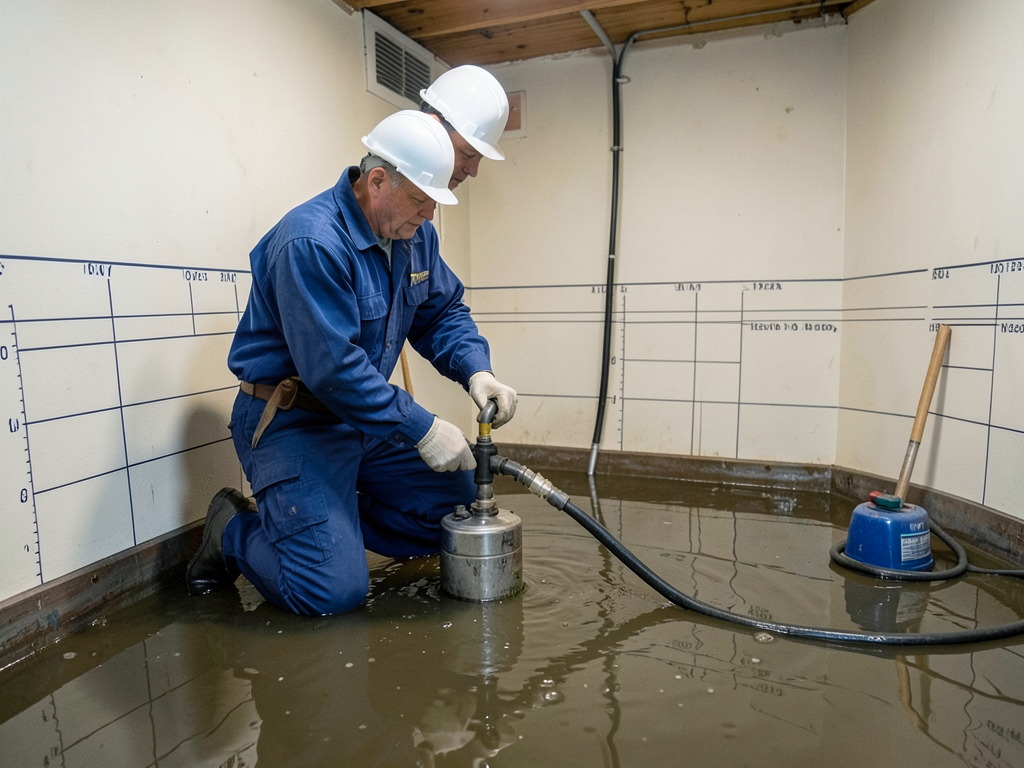
Start removing water with a wet vacuum if the flooding is minimal. For deeper water, use a submersible pump connected to a hose that drains away from your foundation. Never use a regular vacuum cleaner or push water toward your home’s foundation walls.
Common Causes of Basement Flooding in Marietta Homes
Marietta’s location in the upper Chattahoochee River basin means the area receives an average of 52 inches of rainfall annually, nearly 20% above the national average. This excessive precipitation, combined with Georgia’s unique soil conditions, creates specific flooding patterns that homeowners must understand.
The region’s red clay soil expands when wet and contracts when dry, creating pressure against foundation walls. During heavy rains, this soil can hold water against your foundation like a sponge, forcing it through even tiny cracks. Homes built on slopes or near Kennesaw Mountain face additional challenges as water naturally flows downhill toward lower elevations.
Sump pump failures represent the most common single cause of basement flooding in Marietta. When power outages coincide with heavy storms, battery backup systems become critical. Many homes in East Cobb and West Cobb subdivisions were built with undersized primary pumps that cannot handle Marietta’s intense rainfall events.
Understanding Marietta’s Water Table and Soil Conditions
Marietta sits on a complex geological formation where the water table fluctuates dramatically with seasonal rainfall. During wet seasons, the water table can rise to within just a few feet of the surface, especially in low-lying areas near the Chattahoochee River floodplain.
Georgia’s red clay, technically classified as Ultisol soil, has unique properties that affect basement flooding. This soil type has very low permeability, meaning water moves through it extremely slowly. When heavy rain falls, the clay becomes saturated and creates hydrostatic pressure against foundation walls. This pressure can force water through concrete pores and foundation cracks.. Read more about Why Hydro Jetting is the Only Way to Clear Clogs in Roswell.
Older homes in Marietta’s historic districts often lack proper drainage systems. Many were built before modern building codes required foundation waterproofing or French drain installations. These homes are particularly vulnerable during Marietta’s frequent summer thunderstorms when rainfall rates can exceed 2 inches per hour.
Professional Assessment and Repair Process
When our emergency team arrives at your flooded basement, we follow a systematic assessment process based on IICRC S500 standards for water damage restoration. First, we identify the water source and category using moisture meters and thermal imaging cameras to detect hidden moisture in walls and flooring.
Our diagnostic process includes checking your home’s exterior grading, gutter system effectiveness, and foundation drainage. We look for signs of hydrostatic pressure damage such as horizontal cracks in foundation walls or efflorescence (white mineral deposits) indicating water penetration through concrete.
Based on our assessment, we develop a customized repair plan that may include sump pump replacement, French drain installation, foundation crack repair, or exterior waterproofing. All work complies with Cobb County building codes and the Georgia State Minimum Standard Plumbing Code. EPA flood safety guidelines.
Types of Basement Waterproofing Solutions
Interior waterproofing systems capture water that enters your basement and redirect it to a sump pump. These systems typically include a perimeter drain tile installed along the basement floor’s edge, connected to a sump pit with an automatic pump. Modern systems use PVC drain tile instead of the older clay or concrete versions.
Exterior waterproofing prevents water from ever reaching your foundation walls. This involves excavating around your home’s perimeter, applying waterproof membrane coatings to foundation walls, and installing exterior drainage systems. While more expensive, exterior systems provide the most comprehensive protection against Marietta’s heavy rainfall.
Combination systems offer the best protection for homes in high-risk areas. These integrate both interior and exterior waterproofing with redundant sump pump systems including battery backups. Homes near Kennesaw Mountain or in low-lying areas of East Cobb often benefit most from this comprehensive approach.
Preventing Future Basement Flooding
Regular maintenance of your home’s exterior drainage systems prevents most basement flooding issues. Clean gutters and downspouts at least twice yearly, ensuring downspouts extend at least 6 feet from your foundation. Check that soil slopes away from your home at a rate of 6 inches per 10 feet.
Test your sump pump quarterly by pouring water into the pit until the float activates. Replace sump pumps every 5-7 years, even if they appear to work, as their efficiency decreases over time. Install a battery backup system that automatically activates during power outages, which often occur during the storms that cause flooding.
Consider installing water sensors near potential problem areas. Modern smart home systems can alert you to water presence before significant damage occurs. For homes in flood-prone areas of Marietta, a whole-house water alarm system provides early warning of basement flooding.
When to Call for Professional Help
Call immediately if water continues rising despite your efforts, if you suspect sewage contamination, or if structural damage is visible. Signs of sewage backup include foul odors, black or dark gray water, and water backing up through drains. This requires specialized cleanup to prevent health hazards.
Professional help is essential when dealing with water that has been standing for more than 24 hours, as mold can begin growing within this timeframe. Also call if your basement has experienced previous flooding issues, as this indicates an underlying problem requiring expert diagnosis.. Read more about Expert Trenchless Sewer Line Repair for Brookhaven Homeowners.
Our team handles everything from minor water removal to complete basement waterproofing system installations. We work directly with your insurance company, providing detailed documentation of damage and repairs to support your claim.
Cost Factors for Basement Waterproofing
Basement waterproofing costs vary significantly based on the extent of work needed and your home’s specific conditions. Interior drainage systems typically range from $3,000 to $7,000, while exterior waterproofing can cost $8,000 to $15,000 or more depending on excavation requirements and foundation accessibility.
Sump pump replacement costs average $800 to $1,500 installed, with battery backup systems adding $500 to $1,000. Foundation crack repairs range from $500 for minor epoxy injections to $5,000 for major structural repairs. Homes in Marietta’s historic districts may require specialized restoration work that increases costs.
We provide detailed written estimates after our initial assessment, with no hidden fees or surprise charges. Our work includes a satisfaction guarantee and warranty on all installations and repairs.
Emergency Response and Availability
Basement flooding doesn’t wait for business hours, and neither do we. Our emergency response team is available 24/7 throughout Marietta and surrounding Cobb County areas. We guarantee arrival within 60 minutes of your call, with fully stocked service vehicles capable of handling any flooding emergency.
During major storm events when flooding affects multiple homes, we prioritize based on severity and potential for additional damage. Our dispatchers keep you informed of estimated arrival times and what to expect during the initial assessment.
Call (770) 610-5522 now if your basement is flooding. Every minute counts when water threatens your home’s foundation and your family’s safety.
Frequently Asked Questions
How quickly can mold grow after basement flooding?
Mold can begin growing within 24-48 hours after water exposure. The combination of moisture, organic materials like wood and drywall, and Marietta’s warm temperatures creates ideal conditions for rapid mold growth. Quick water removal and drying are essential to prevent mold problems.
Will my homeowner’s insurance cover basement flooding damage?
Coverage depends on the flood source. Sudden pipe bursts or appliance failures are typically covered, while groundwater flooding usually requires separate flood insurance. We can help document damage and work with your insurance company to maximize your claim coverage.
How can I tell if my sump pump is working properly?
Test your sump pump by pouring water into the pit until the float rises. The pump should activate automatically and remove the water. Listen for unusual noises and check that water discharges properly away from your foundation. If the pump doesn’t activate or runs continuously, call for service.
What’s the difference between interior and exterior waterproofing?
Interior waterproofing manages water that enters your basement, while exterior waterproofing prevents water from reaching your foundation. Interior systems are less expensive but don’t address the root cause. Exterior systems provide complete protection but require excavation and higher upfront costs.
How long does basement waterproofing typically last?
Quality waterproofing systems last 10-25 years depending on the type and local conditions. Sump pumps need replacement every 5-7 years. Regular maintenance and prompt repairs of any issues extend system lifespan. Homes in Marietta’s high-rainfall areas may need more frequent maintenance.
Take Action Before the Next Storm Hits
Don’t wait until your basement floods to address water problems. Marietta’s heavy rainfall patterns and red clay soil create conditions that can overwhelm even well-maintained homes. A preventative inspection can identify vulnerabilities before they become emergencies.
During our inspection, we use moisture meters, thermal imaging, and visual assessment to evaluate your home’s flood risk. We check foundation integrity, drainage systems, and sump pump functionality. Based on our findings, we recommend cost-effective solutions tailored to your specific situation.
Call (770) 610-5522 today to schedule your basement waterproofing assessment. Protect your home, your belongings, and your family’s health from the devastating effects of basement flooding. Our Marietta-based team understands the unique challenges our local soil and weather conditions create.
Pick up the phone and call (770) 610-5522 before the next storm hits. Your home deserves protection from Marietta’s heavy rainfall, and your family deserves the peace of mind that comes with a dry, safe basement. For more information, visit FEMA home flood protection tips.
You may also find this helpful. How to Deal with Main Sewer Line Clogs in Your Decatur Bungalow.
You may also find this helpful. Upgrading Your Morningside Home with a New High-Efficiency Water Heater.