




Menu

Discolored or Rusty Water in Atlanta – Expert Diagnosis and Permanent Solutions

Turn your faucet on and see brown, yellow, or reddish water? We identify the exact source of discolored or rusty water in your Atlanta home and fix it correctly the first time.

Slider Image 1
Slider Image 2
Slider Image 3
Slider Image 4
Slider Image 5
Slider Image 7
Slider Image 8
Slider Image 9
Slider Image 10
Slider Image 11

Why Your Atlanta Tap Water Looks Brown, Yellow, or Rusty

You turn on the faucet and brown tap water pours out. Or maybe it starts clear, then shifts to rusty colored water after a few seconds. Sometimes it is just the hot water that looks yellow, while the cold runs clear. Other times, reddish water from pipes shows up only in the morning or after you have been away for a few days.

This is not normal. Discolored water signals a problem inside your plumbing system, and it can pose real health risks if ignored.

Atlanta's aging water infrastructure plays a role. Many homes in neighborhoods like Inman Park, Virginia Highland, and Grant Park still have original galvanized steel pipes from the 1940s and 1950s. These pipes corrode from the inside out. The iron oxide flakes off and mixes with your water, giving you that rusty appearance.

Another common cause is sediment buildup inside your water heater. Atlanta's municipal water supply contains dissolved minerals. Over time, these minerals settle at the bottom of the tank. When you draw hot water, the sediment stirs up and creates discolored hot water that looks orange or brown.

If the discoloration clears after a few seconds, the problem might be in your service line between the street and your home. If it persists, you likely have corroded pipes or a failing water heater. Either way, the discoloration indicates metal contamination, which can affect taste, damage appliances, and create long-term health concerns.

The good news is that discolored water is diagnosable. Once we identify the source, we can fix it permanently.

Why Your Atlanta Tap Water Looks Brown, Yellow, or Rusty
How We Diagnose and Fix Discolored Water at the Source

How We Diagnose and Fix Discolored Water at the Source

Generic plumbers guess. We test.

The first step is isolating the problem. We run both hot and cold water at multiple fixtures throughout your home. If only the hot water is discolored, the issue is almost always your water heater. If both hot and cold water run brown or yellow, the problem is upstream in your supply line or branch piping.

Next, we inspect your water heater. We drain a sample from the tank and check for sediment, rust, and anode rod failure. The anode rod is a sacrificial metal component designed to corrode instead of your tank. When it fails, your tank starts to rust. If the tank lining has failed, replacement is the only option. If the anode rod is the culprit, we replace it and flush the tank.

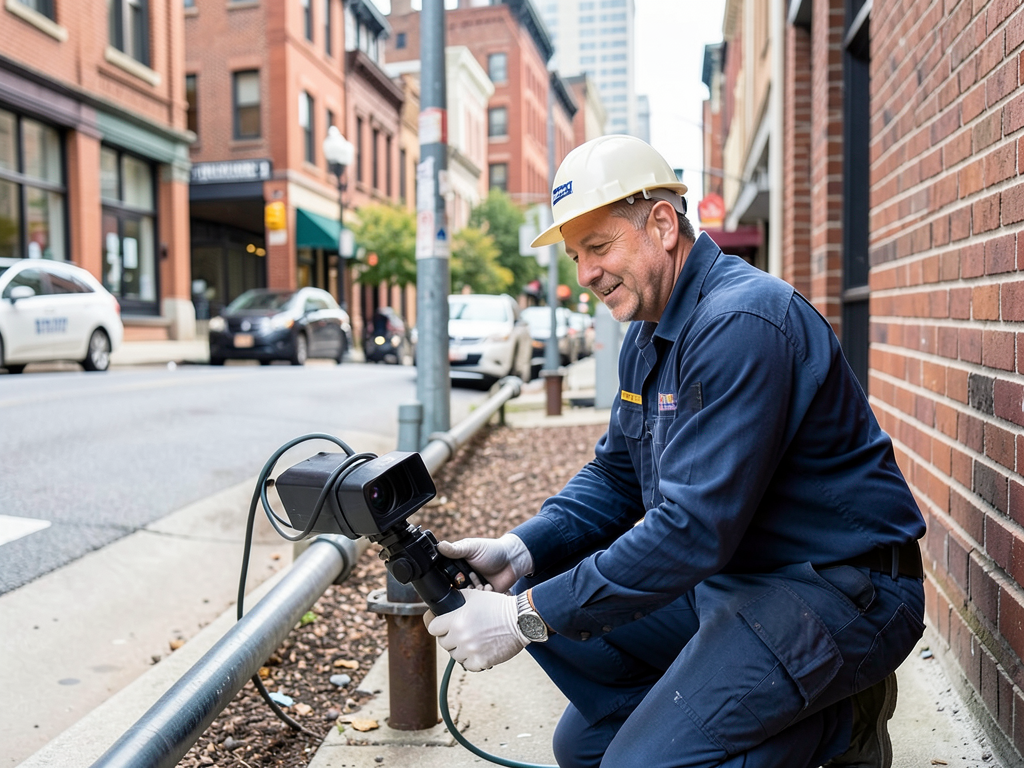
If the water heater is clean, we move to your piping. Galvanized steel pipes are the usual suspect in older Atlanta homes. We inspect accessible sections and use a borescope camera to look inside the pipes when necessary. We also check your pressure-reducing valve. High water pressure accelerates corrosion.

In some cases, the discoloration originates outside your home. The city occasionally flushes hydrants or performs main line repairs, which stirs up sediment in the municipal supply. We contact Atlanta's Department of Watershed Management to confirm recent work in your area before recommending expensive repairs.

Once we identify the cause, we give you options. For sediment issues, a full tank flush and anode replacement can restore clear water. For corroded pipes, we recommend repiping with PEX or copper. For failing water heaters, we provide replacement options that fit your home's demand and budget.

What Happens When You Call Us About Discolored Water

Discolored or Rusty Water in Atlanta – Expert Diagnosis and Permanent Solutions
01

Initial Water Testing

We start by testing water at multiple fixtures to determine if the issue is localized or systemic. We check temperature, flow rate, and visual clarity at sinks, tubs, and outdoor spigots. This tells us whether the problem is in your water heater, branch lines, or main supply. We also ask when you first noticed the discoloration and whether it has worsened over time.
02

System Inspection

We inspect your water heater, shutoff valves, and accessible piping. If needed, we drain your water heater tank to check for sediment and rust. We test your pressure-reducing valve to ensure your system is not running at damaging pressures. For older homes with galvanized piping, we inspect connections and look for visible corrosion. This step reveals the exact source of your discoloration.
03

Repair or Replacement

Once we know the cause, we fix it. For sediment buildup, we flush the tank and replace the anode rod. For corroded pipes, we repipe the affected sections with durable materials like PEX or copper. For failed water heaters, we install a new unit sized to your home's demand. You get clear water again, and the problem does not come back.

Why Atlanta Homeowners Trust Elite Plumbing Atlanta for Water Quality Issues

You need someone who knows the difference between a temporary inconvenience and a system failure. Elite Plumbing Atlanta specializes in diagnosing water quality problems in older Atlanta homes.

We understand the city's infrastructure. Atlanta's water mains were installed in phases over decades. Some neighborhoods have newer PVC mains, while others still rely on cast iron pipes from the mid-20th century. When the city performs maintenance or repairs a main break, sediment can travel downstream and discolor your water temporarily. We know how to differentiate city-side issues from problems inside your home.

We also understand Atlanta's housing stock. Homes in historic districts like Cabbagetown and Candler Park often have original galvanized piping. These pipes were installed before modern corrosion-resistant materials became standard. We have repiped hundreds of these homes and know how to work around plaster walls, tight crawl spaces, and complex layouts without causing unnecessary damage.

Our diagnostic process is thorough. We do not guess at the problem and start tearing out pipes. We test, inspect, and confirm the source before recommending a solution. This saves you money and prevents unnecessary work.

We also prioritize transparency. If the discoloration is temporary and caused by city maintenance, we tell you. If your water heater needs replacement, we explain why and show you the failed components. If repiping is necessary, we walk you through material options, timelines, and costs.

You get honest answers, not upsells. We have built our reputation in Atlanta by doing the work right and treating your home like our own.

What to Expect When We Fix Your Discolored Water Problem

Same-Day Diagnosis

We arrive on time and begin testing immediately. Most water discoloration issues can be diagnosed within an hour. We test at multiple fixtures, inspect your water heater, and check your pressure system. If the problem is sediment in your tank, we can often flush it the same day. If it requires parts or replacement, we provide a detailed estimate before you commit to any work. You get answers fast.

Comprehensive Water Testing

We do not just look at the color. We measure flow rate, test temperature, and check sediment levels. If you have concerns about contaminants, we can arrange lab testing through a certified partner. This gives you a full picture of your water quality and helps us recommend the right filtration or treatment options if needed. Our goal is to identify the exact cause, not just treat the symptom.

Clear Water Restoration

Once we complete the repair, you get clean, clear water immediately. Whether we flush your water heater, replace corroded piping, or install a new tank, the discoloration stops. We test the water again after the work is done to confirm the issue is resolved. You do not have to wait days for the water to clear. The problem is fixed, and your system is restored.

Prevention and Maintenance Plans

We recommend annual water heater flushing for Atlanta homes to prevent sediment buildup. We also offer whole-home repiping for homes with aging galvanized systems. If your water heater is more than ten years old, we provide a replacement timeline so you can plan ahead. Regular maintenance prevents future discoloration and extends the life of your plumbing system. We offer maintenance plans that include annual inspections and priority service.

Frequently Asked Questions

You Have Questions,
We Have Answers

Is discolored water safe to drink? +

Discolored water is usually not safe to drink. Brown or rusty water often signals corroded pipes, sediment buildup, or municipal water main breaks. While iron itself is not toxic in small amounts, the discoloration indicates contamination that may include bacteria, lead, or other harmful particles. Atlanta's older neighborhoods with galvanized steel piping face higher risk. Do not drink, cook with, or give discolored water to children or pets. Run cold water for several minutes. If the color persists, contact a licensed plumber to inspect your piping and water quality. When in doubt, use bottled water until the issue is resolved.

How to tell if water is rusty? +

Rusty water appears brown, orange, or reddish when you turn on the tap. The color intensity varies based on iron concentration and sediment levels. You may also notice a metallic taste or smell. Fill a clear glass and let it sit for a few minutes. If particles settle at the bottom or the water remains cloudy, rust is present. Check both hot and cold taps. If only hot water is rusty, your water heater may be corroding. Atlanta homes with older galvanized piping or well systems are especially prone to rust issues. Document the color and call a plumber for diagnosis.

What does discolored water mean? +

Discolored water signals a problem in your plumbing or municipal supply. Brown or rusty tones point to corroded pipes, sediment in your water heater, or iron bacteria. Yellow water often means rust or manganese. Cloudy white water is usually trapped air and harmless. In Atlanta, sudden discoloration can follow water main work or pipe bursts in aging infrastructure. If only one faucet is affected, the issue is likely in your home's piping. If multiple taps show discoloration, check with Atlanta Water Department for service alerts. Persistent discoloration requires professional plumbing inspection to identify the source.

Is it safe to drink rusty tap water? +

No, you should not drink rusty tap water. While small amounts of iron are not immediately dangerous, rusty water indicates corroded pipes or sediment contamination. This can introduce harmful bacteria, lead particles from pipe solder, or other contaminants into your drinking supply. Atlanta homes built before 1986 may have lead-based solder in copper piping. Ingesting rust-contaminated water can cause stomach upset or expose you to pathogens. Run water until it clears. If discoloration continues, stop using it for drinking or cooking. Contact a plumber to test water quality and inspect your piping system for corrosion or leaks.

Why is my water rust colored? +

Rust-colored water comes from corroded iron or steel pipes in your home or the municipal supply line. Galvanized piping, common in Atlanta homes built before the 1960s, deteriorates over time and sheds rust particles. Water heaters with corroded anode rods also produce rusty hot water. Sudden rusty water after no use suggests sediment stirred up from pipe disturbance or water main work. Atlanta's slightly acidic water can accelerate pipe corrosion. If only hot water is rusty, inspect your water heater. If both hot and cold are affected, your supply piping or the city main may be the source. Call a plumber for diagnosis.

Should I call a plumber for brown water? +

Yes, you should call a plumber if brown water persists after flushing your taps for several minutes. Temporary discoloration after Atlanta Department of Watershed work usually clears quickly. If brown water continues, corroded piping, a failing water heater, or sediment buildup is the likely cause. A licensed plumber can inspect your supply lines, test water quality, and identify whether the issue is in your home or the city connection. Ignoring brown water risks contamination, pipe leaks, or water heater failure. Atlanta's older neighborhoods with galvanized steel piping need professional assessment. Do not wait if discoloration affects multiple fixtures or persists beyond a few hours.

Can rust in water make you ill? +

Rust in water is not highly toxic, but it can make you ill. Iron particles themselves are not poisonous in small amounts, but rusty water often carries bacteria, sediment, and other contaminants from corroded pipes. Drinking rust-contaminated water can cause nausea, stomach cramps, or diarrhea. Atlanta homes with deteriorating galvanized piping may also have lead solder or copper corrosion byproducts. Prolonged exposure to contaminated water poses health risks, especially for children and pregnant women. If you experience stomach issues after drinking discolored water, stop using the tap and consult a doctor. Have a plumber test your water and inspect your piping for corrosion.

How to test your water for rust? +

To test your water for rust, collect a sample in a clear glass and let it sit for 10 minutes. Check for brown or orange sediment settling at the bottom. You can also purchase a home water test kit from a hardware store to measure iron levels and pH. For accurate results, hire a licensed plumber or certified lab to perform a full water quality analysis. This test detects iron, lead, bacteria, and other contaminants. Atlanta residents with older homes should test water if they notice discoloration, metallic taste, or staining on fixtures. Testing identifies whether rust is from your home's piping or the municipal supply.

How do I fix brown water coming out of my faucet? +

To fix brown water, first flush the cold tap for five minutes to clear sediment. If the water clears, the issue was temporary. If brown water persists, the problem is in your piping or water heater. Check if only hot water is brown. If so, your water heater anode rod may be corroded and needs replacement. If both hot and cold water are brown, corroded supply pipes are the cause. Atlanta homes with galvanized piping often need repiping. Contact a licensed plumber to inspect your system, test water quality, and recommend repairs. Do not ignore persistent brown water.

Can you shower in discoloured water? +

You can shower in discolored water, but it is not recommended. While brief skin contact with rusty water is not harmful, it can stain your skin, hair, and towels. The sediment and bacteria in discolored water may irritate sensitive skin or open cuts. Avoid swallowing the water or letting children bathe in it. If your water is brown due to a temporary Atlanta municipal water main break, wait until it clears. If discoloration persists, a plumbing issue is likely. Use bottled water for drinking and cooking. Contact a plumber to inspect your home's piping and water heater before resuming normal use.

How Atlanta's Aging Water Mains Contribute to Rusty Tap Water

Atlanta's water distribution system includes miles of aging cast iron and galvanized steel mains. When the city performs routine maintenance or repairs a main break, sediment trapped inside these pipes gets stirred up and travels downstream to your home. This can cause temporary brown tap water or rusty colored water that clears after a few minutes. If the discoloration persists beyond a day, the problem is likely inside your home, not the city supply. We coordinate with the Department of Watershed Management to confirm recent work in your area before recommending repairs.

Elite Plumbing Atlanta has worked in every Atlanta neighborhood, from Buckhead to East Atlanta. We understand the unique challenges of older homes with original plumbing and newer developments with modern systems. Our team knows local building codes, permitting requirements, and the best materials for long-term performance in Atlanta's climate. When you hire us, you get a plumber who knows your home's history and the city's infrastructure, not a generic contractor learning on the job.
Plumbing Services in The Atlanta Area

Elite Plumbing is conveniently located to serve the greater Atlanta area. Whether you're looking to visit our office, need to understand our service radius, or simply want to know where we're based, our map provides a clear visual. We pride ourselves on being accessible to all our clients, ensuring prompt and efficient service delivery across the region for all your plumbing needs.

Address:
Elite Plumbing Atlanta, 434 Marietta St NW, Atlanta, GA, 30313

Additional Services We Offer

Our news updates

Latest Articles & News from The Blogs

What Every Midtown Homeowner Should Know About Shared Sewer Laterals Living in Midtown Atlanta means enjoying historic charm and vibrant…

What Every Midtown Homeowner Should Know About Shared Sewer Laterals

What Every Midtown Homeowner Should Know About Shared Sewer Laterals Living in Midtown Atlanta means enjoying historic charm and vibrant…

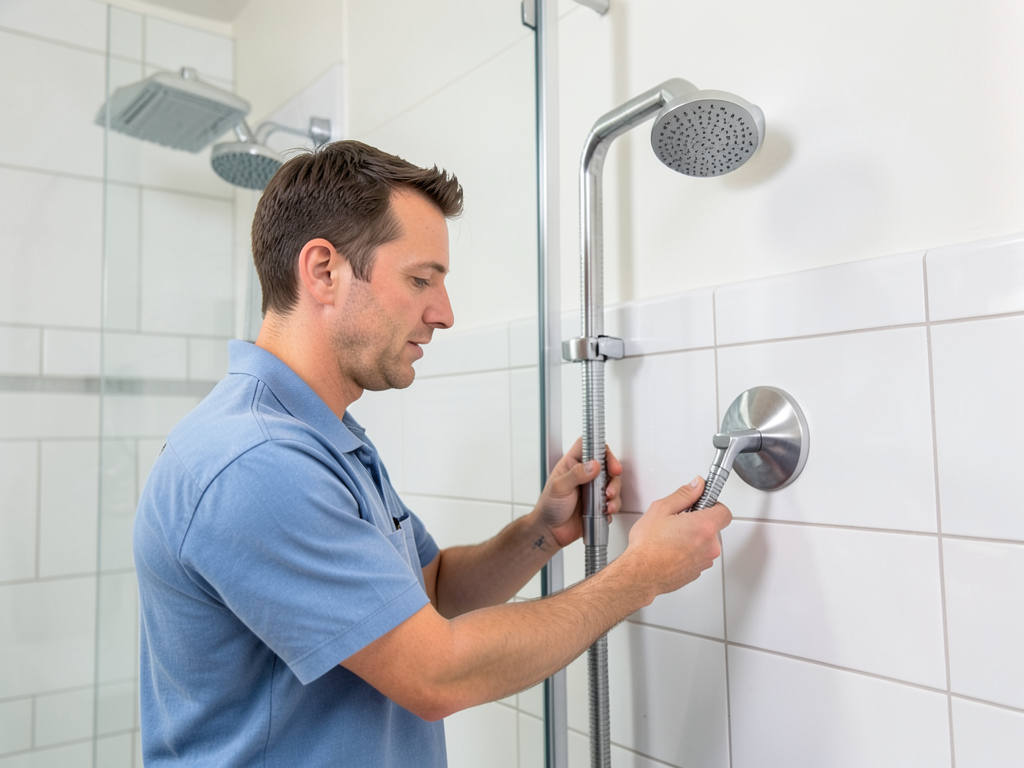
Choosing a High Performance Showerhead That Still Meets Georgia Water Flow Standards

Choosing a High Performance Showerhead That Still Meets Georgia Water Flow Standards Looking for a showerhead that delivers a powerful…

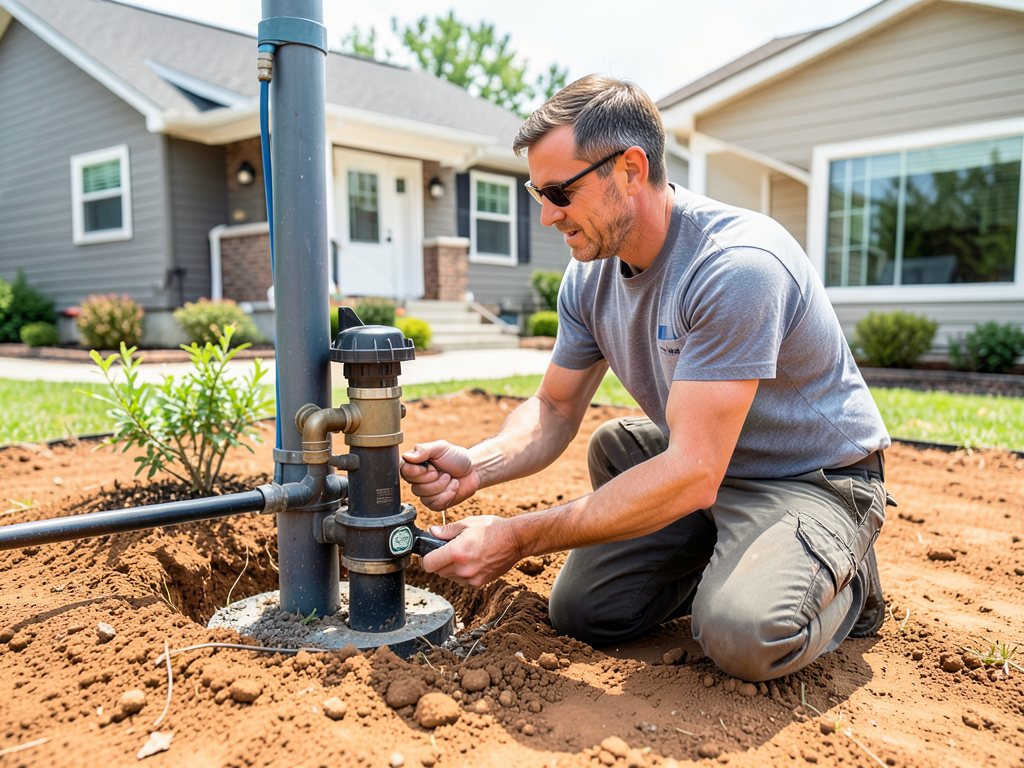
Why Your New Milton Home Needs a Dedicated Backflow Preventer for the Irrigation System

Why Your New Milton Home Needs a Dedicated Backflow Preventer for the Irrigation System Every new home in Milton with…

Contact Us

Stop drinking and bathing in discolored water. Call Elite Plumbing Atlanta now at (770) 610-5522 for same-day diagnosis and permanent solutions. We identify the exact cause and fix it right.