




Menu

Whole Home Repiping in Atlanta – Complete Pipe Replacement for Every System in Your Home

Elite Plumbing Atlanta handles full home repiping for outdated galvanized, polybutylene, and corroded copper systems, restoring water pressure, eliminating leaks, and upgrading your entire plumbing infrastructure to modern PEX or copper.

Slider Image 1
Slider Image 2
Slider Image 3
Slider Image 4
Slider Image 5
Slider Image 7
Slider Image 8
Slider Image 9
Slider Image 10
Slider Image 11

Why Atlanta Homes Need Whole House Repiping More Often Than You Think

Atlanta's aggressive red clay soil shifts constantly with wet and dry cycles. This movement stresses old cast iron and galvanized pipes under slab foundations, causing pinhole leaks, slab leaks, and catastrophic ruptures. Homes built before 1990 often used galvanized steel or polybutylene piping. Galvanized lines corrode from the inside out, turning your water brown and destroying pressure. Polybutylene fails without warning, flooding crawlspaces and finished basements.

The city's slightly acidic water accelerates copper corrosion in neighborhoods like Virginia Highland and Druid Hills, where historic homes still run original plumbing. You notice low water pressure at multiple fixtures. You see rust stains in sinks. Your water heater fails prematurely because sediment and pipe scale clog the inlet valve. These are not isolated problems. They are symptoms of a dying distribution system.

Whole house repiping replaces every supply line from the main shutoff to every fixture. House repiping eliminates the risk of catastrophic failure, restores full pressure, and protects your foundation from future water damage. Replumbing a house is not about patching leaks. It is about replacing a failed network before it floods your home.

If your home was built between 1978 and 1995, you likely have polybutylene. If it was built before 1960, you likely have galvanized steel. Both materials fail predictably. Full home repiping is the permanent fix.

Why Atlanta Homes Need Whole House Repiping More Often Than You Think
How We Execute a Complete House Repipe Without Destroying Your Home

How We Execute a Complete House Repipe Without Destroying Your Home

Whole house pipe replacement is surgical. We do not demo your home to access pipes. We use existing access points, attic runs, and crawlspace routes to minimize wall penetration. The project starts with a complete pressure test and flow analysis. We map every fixture, measure flow rates, and identify pressure drops to confirm the extent of corrosion.

We then design a new distribution system using Type L copper or PEX-A tubing. PEX-A offers superior flexibility and freeze resistance. Type L copper delivers maximum durability and resale value. We size each branch line to match fixture demand, so your shower does not lose pressure when the washing machine fills.

Atlanta's clay soil makes slab leaks common in ranch homes and split-levels. We reroute supply lines through attics and interior walls to eliminate under-slab piping entirely. This removes future risk and makes future repairs accessible. We install individual shutoff valves at each fixture, so a toilet supply failure does not require shutting down the entire home.

Each connection is pressure-tested to 150 PSI before drywall repair. We document the new layout with photos and diagrams, so future plumbers know exactly where every line runs. The process takes three to five days for most single-family homes. We stage the work to keep at least one bathroom functional throughout the project.

Elite Plumbing Atlanta does not subcontract repiping. Our crews handle demolition, installation, pressure testing, and drywall repair. You work with one team from start to finish.

What Happens During Your Full Home Repiping Project

Whole Home Repiping in Atlanta – Complete Pipe Replacement for Every System in Your Home
01

Complete System Inspection

We inspect every visible pipe, test static and dynamic water pressure, and run cameras through drain lines if slab leaks are suspected. We identify pipe material, measure wall thickness on copper lines, and test water chemistry to confirm corrosion patterns. You receive a written report with photos showing exactly what failed and why whole house pipe replacement is necessary.
02

Strategic Pipe Installation

We install new supply lines using the most efficient routing possible. PEX-A tubing runs through attics and interior walls with minimal fittings, reducing leak points by 80 percent. We secure every line to framing with proper spacing to prevent vibration noise. Copper installations use sweat joints with lead-free solder, never compression fittings. Every connection is visually inspected before insulation and drywall closure.
03

Pressure Testing and Restoration

We pressure-test the entire system at 150 PSI for two hours while monitoring every joint. Once the system holds pressure, we restore drywall, texture, and paint to match existing finishes. You receive as-built drawings showing the exact route of every supply line, valve location, and pipe size. This documentation protects you during future remodels and adds transparency for resale.

Why Atlanta Homeowners Trust Elite Plumbing Atlanta for Full Home Repiping

Repiping a house in Atlanta requires knowledge of local soil conditions, foundation types, and building code amendments specific to Fulton and DeKalb Counties. We pull permits for every whole house repipe and coordinate inspections with county building officials. This protects your homeowner's insurance and ensures the work meets resale requirements.

Atlanta's housing stock ranges from 1920s bungalows in Grant Park to 1980s split-levels in Dunwoody. Each era used different pipe materials and routing strategies. We have repiped Craftsman homes with knob-and-tube electrical, mid-century ranches with galvanized supply lines under concrete slabs, and 1990s subdivisions with failing polybutylene. We know how to access pipes in balloon-framed walls, navigate tight crawlspaces over clay soil, and work around HVAC ductwork in finished basements.

We do not upsell you on premium pipe materials you do not need. If your water chemistry supports copper and you plan to stay in the home long-term, we recommend Type L copper. If you need flexibility for future remodels or have acidic well water, we recommend PEX-A. We explain the cost difference, lifespan difference, and resale perception difference so you can make an informed decision.

Our crews arrive on time, protect your floors with ram board, and clean up daily. We do not leave tools in your driveway or drywall dust on your furniture. Replumbing a house is invasive, but it should not be chaotic. We treat your home like it is our own.

What You Can Expect From Your Whole Home Repiping Project

Project Timeline and Scheduling

Most whole house repiping projects take three to five days for single-story homes and five to seven days for two-story homes. We stage the work so you always have access to at least one bathroom and the kitchen sink. We shut off water only during active connection work, typically two to four hours per day. You can remain in the home during the project, though dust and noise are unavoidable during wall access and drywall repair.

Detailed Pre-Work Assessment

We perform a full plumbing audit before starting demo. This includes pressure testing, flow rate measurement at each fixture, water heater inspection, and main line shutoff valve testing. We identify any secondary issues like failing angle stops, corroded hose bibs, or leaking shower valves. You receive a written scope of work with line-item pricing, so there are no surprises. We also discuss pipe material options and explain the performance difference between PEX-A and Type L copper.

Superior Water Pressure and Quality

After a full home repiping, you will notice immediate improvements. Water pressure increases because new piping eliminates scale buildup and corrosion restrictions. Water runs clear because rust and sediment no longer leach from old galvanized lines. Fixtures fill faster, showers deliver consistent temperature, and appliances operate more efficiently. The system is balanced, so running the dishwasher does not affect shower pressure. You also eliminate the metallic taste common with corroded copper or galvanized piping.

Long-Term Performance Protection

We provide documentation showing every pipe route, valve location, and connection point. This protects you during future remodels and helps other contractors avoid cutting into supply lines. PEX-A installations carry a 25-year material warranty from the manufacturer. Copper installations last 50-plus years when installed correctly. We also offer annual plumbing inspections to monitor water heater performance, check expansion tank pressure, and test backflow prevention devices.

Frequently Asked Questions

You Have Questions,
We Have Answers

How much does it cost to repipe a whole house? +

Whole home repiping costs vary based on your home's size, pipe material choice, and accessibility. A typical Atlanta home ranges from $4,000 to $15,000, but every job is different. Homes in historic Inman Park or Druid Hills with plaster walls cost more due to restoration work. Two-story homes require more labor than ranch-style properties. Copper piping costs more than PEX, but lasts longer in Atlanta's humid climate. Most Atlanta repiping projects take 2-5 days. Get a detailed written estimate that breaks down labor, materials, and wall repair costs before starting work.

How much does plumbing cost for a 2000 sq ft house? +

Plumbing a 2,000 square foot house in Atlanta depends on whether you need a full repipe or new construction rough-in. For whole home repiping, expect $6,000 to $12,000 depending on pipe material and wall access. Homes built in the 1970s-1980s with polybutylene pipes need full replacement. Two-bathroom homes cost less than three-bathroom layouts. Atlanta's clay soil can shift foundations, stressing pipes and increasing failure points. PEX flexible piping adapts better to minor settling than rigid copper. Get multiple quotes from licensed Atlanta plumbers who pull proper permits.

Is it worth it to repipe your house? +

Repiping is worth it if you face frequent leaks, low water pressure, or discolored water. Atlanta homes built before 1990 often have failing galvanized steel or polybutylene pipes. One burst pipe can cause $10,000 in water damage to drywall and flooring. Repiping increases home value and prevents insurance claims. Buyers avoid homes with outdated plumbing. If you plan to stay in your Atlanta home over five years and face recurring pipe issues, repiping pays for itself in avoided emergency repairs and peace of mind.

What is a whole home repipe? +

A whole home repipe replaces all water supply lines from your main shutoff valve to every fixture. This includes hot and cold water pipes running through walls, ceilings, and crawlspaces. The job does not typically include drain lines unless specifically damaged. Plumbers cut small access holes in walls, remove old pipes, install new copper or PEX piping, test for leaks, then patch and texture walls. Atlanta homes often need repiping due to corroded galvanized steel pipes or failed polybutylene systems common in 1980s construction. The process takes 2-5 days.

Does repiping lower insurance? +

Repiping can lower homeowners insurance premiums or prevent policy cancellation. Many Atlanta insurers inspect homes over 40 years old and deny coverage if you have polybutylene or galvanized pipes. State Farm and Allstate often require repiping before renewal. Replacing old pipes reduces water damage risk, which makes you a better insurance risk. You may see 5-15% premium reductions after repiping. Get a completion certificate from your plumber showing updated plumbing systems. Submit this to your insurance agent with photos of new pipes for potential discounts.

What is the most expensive plumbing job? +

Whole home repiping and main sewer line replacement are the most expensive plumbing jobs. Repiping costs $4,000 to $15,000 depending on home size and materials. Full sewer line replacement from house to street runs $3,000 to $10,000 in Atlanta, especially in neighborhoods with mature tree roots damaging clay pipes. Water heater replacement and bathroom gut renovations follow. Emergency jobs like burst pipe repairs with extensive drywall damage can exceed standard repiping costs. Complex jobs in multi-story homes or historic properties with limited access cost more due to labor intensity.

How much for a full replumb? +

A full replumb costs $4,000 to $15,000 for most Atlanta homes. Single-story ranch homes with accessible crawlspaces cost less than two-story homes requiring ladder work and ceiling access. Material choice matters. PEX piping runs $2-4 per linear foot installed, while copper costs $4-8 per foot. Atlanta's hard water and chlorine levels favor PEX for longevity. Homes requiring extensive drywall repair add $1,000-3,000 to total costs. Get written estimates from three licensed plumbers. Verify they include permit fees, wall patching, texture matching, and painting.

What are common hidden plumbing costs? +

Hidden plumbing costs include wall and ceiling repair after accessing pipes, texture matching for older Atlanta homes, and paint touch-ups. Asbestos testing may be required in homes built before 1980, adding $500-1,000. Permit fees run $100-300 in Atlanta. If your water main shutoff valve fails during work, replacement adds $300-600. Discovering hidden water damage behind walls increases costs. Some plumbers quote low then upcharge for unforeseen issues. Get detailed written estimates covering wall repair, permits, and potential complications before signing contracts. Verify the quote includes cleanup and debris removal.

What is the most expensive part of building a house? +

Foundation and framing are the most expensive parts of building a house, followed by plumbing and electrical rough-ins. Plumbing accounts for 10-15% of total construction costs. Atlanta's expansive clay soil requires engineered foundations, increasing costs. HVAC systems run close in expense due to Georgia's humidity and heat load requirements. For renovations, structural repairs and plumbing repiping top the cost list. Whole home repiping falls into this high-cost category because it requires wall access, specialized labor, and material costs. Quality plumbing prevents expensive water damage down the line.

What is the 30% rule for renovations? +

The 30% rule states you should not spend more than 30% of your home's current value on renovations unless you plan to stay long-term. For a $300,000 Atlanta home, cap renovations at $90,000 to avoid over-improving for your neighborhood. Whole home repiping at $8,000-12,000 fits well within this guideline and adds value. This rule prevents homeowners from pricing themselves out when selling. In appreciating Atlanta markets like East Atlanta or Decatur, you have more flexibility. Focus spending on critical systems like plumbing, HVAC, and roofing for best return.

How Atlanta's Clay Soil and Humid Climate Accelerate the Need for House Repiping

Atlanta sits on Piedmont clay soil that swells during wet months and contracts during dry months. This constant movement stresses pipes under slab foundations, causing hairline cracks in copper and catastrophic failures in polybutylene. Homes in East Atlanta, Decatur, and older Buckhead neighborhoods experience slab leaks at a higher rate than homes built on crawlspace foundations. High humidity also accelerates exterior corrosion on copper lines in uninsulated crawlspaces and attics. Whole house repiping eliminates these risks by rerouting supply lines to accessible, stable locations.

Atlanta's building codes were updated in 2020 to require pressure regulation on all new supply systems and seismic strapping in specific retrofit scenarios. Elite Plumbing Atlanta pulls permits for every replumbing project and coordinates inspections with county officials in Fulton, DeKalb, Cobb, and Gwinnett. We follow the International Plumbing Code and Georgia amendments, ensuring your repiping work meets resale standards and insurance requirements. Local expertise matters when your home's plumbing infrastructure is being rebuilt from scratch.
Plumbing Services in The Atlanta Area

Elite Plumbing is conveniently located to serve the greater Atlanta area. Whether you're looking to visit our office, need to understand our service radius, or simply want to know where we're based, our map provides a clear visual. We pride ourselves on being accessible to all our clients, ensuring prompt and efficient service delivery across the region for all your plumbing needs.

Address:
Elite Plumbing Atlanta, 434 Marietta St NW, Atlanta, GA, 30313

Additional Services We Offer

Our news updates

Latest Articles & News from The Blogs

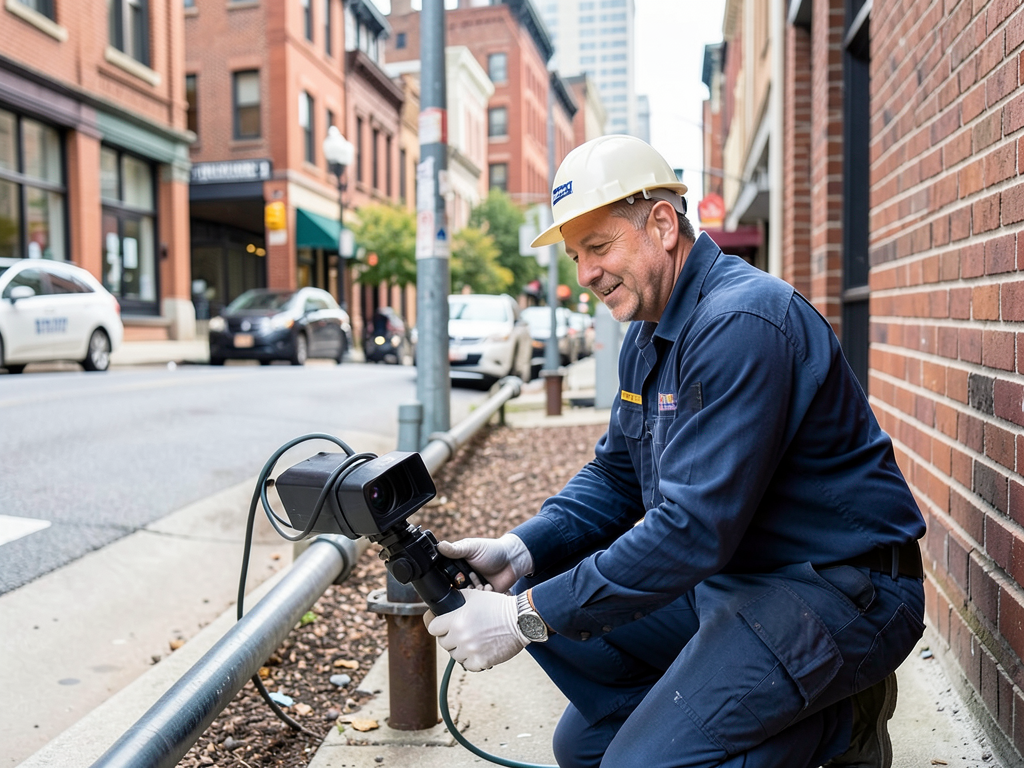
What Every Midtown Homeowner Should Know About Shared Sewer Laterals Living in Midtown Atlanta means enjoying historic charm and vibrant…

What Every Midtown Homeowner Should Know About Shared Sewer Laterals

What Every Midtown Homeowner Should Know About Shared Sewer Laterals Living in Midtown Atlanta means enjoying historic charm and vibrant…

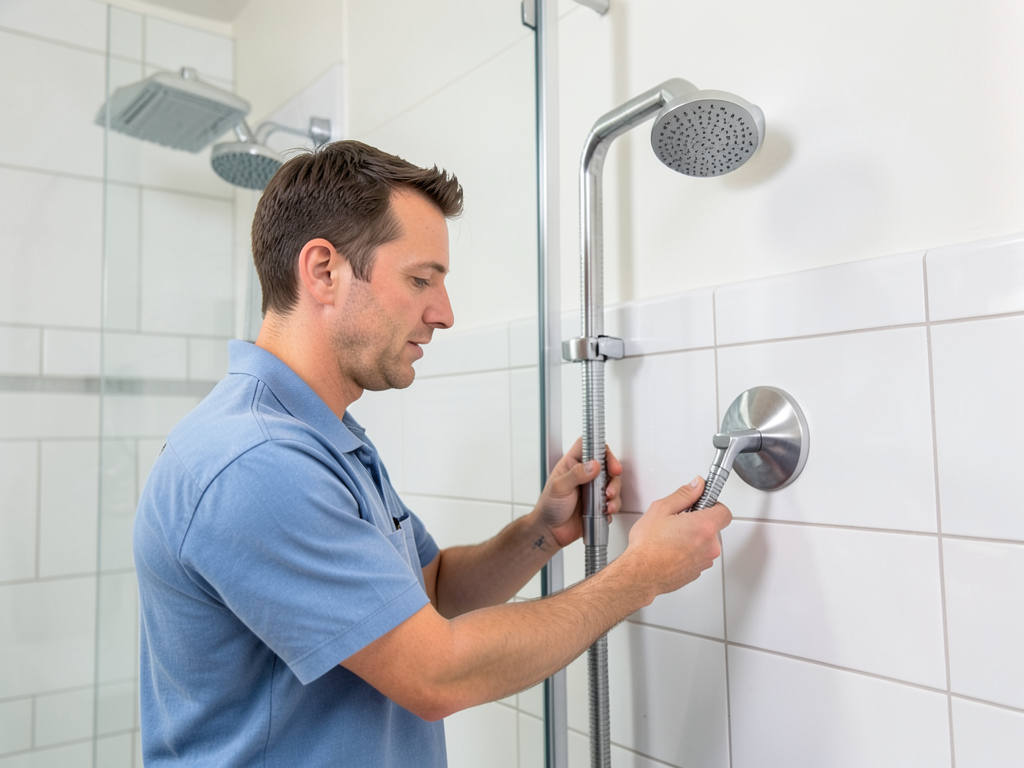
Choosing a High Performance Showerhead That Still Meets Georgia Water Flow Standards

Choosing a High Performance Showerhead That Still Meets Georgia Water Flow Standards Looking for a showerhead that delivers a powerful…

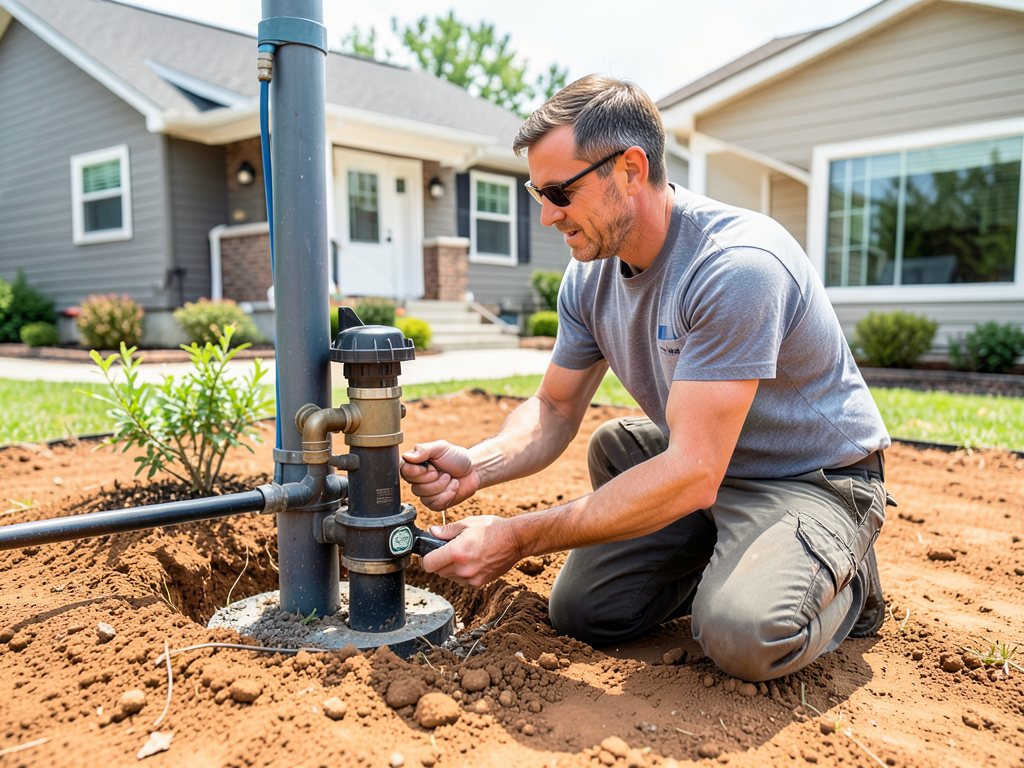
Why Your New Milton Home Needs a Dedicated Backflow Preventer for the Irrigation System

Why Your New Milton Home Needs a Dedicated Backflow Preventer for the Irrigation System Every new home in Milton with…

Contact Us

Stop patching leaks and start rebuilding your plumbing system the right way. Call Elite Plumbing Atlanta at (770) 610-5522 to schedule a full home plumbing assessment. We provide transparent pricing, detailed project timelines, and expert recommendations for PEX or copper installations.