




Johns Creek sits on Georgia red clay soil with significant iron content, which directly impacts your plumbing system. The clay expands during wet seasons and contracts during dry periods, creating pressure on underground water lines and sewer pipes. This soil movement causes more pipe separation and joint failures than you'd see in sandy soil regions.
The Chattahoochee River corridor creates higher humidity levels across Johns Creek neighborhoods like Rivermont and State Bridge Crossing. This moisture accelerates corrosion in older galvanized pipes and creates ideal conditions for pipe scaling. Homes built before 2000 in areas like Shakerag Trace and Findley Chase often have original copper lines experiencing pinhole leaks from decades of mineral-rich water exposure.
Fulton County building codes require specific backflow prevention devices and pressure reduction valves for Johns Creek properties. The municipal water supply delivers water at 70-90 PSI, which exceeds the safe operating pressure for most residential fixtures. Without proper pressure regulation, you'll face premature failure of water heaters, dishwashers, and toilet fill valves. Johns Creek's strict permitting requirements mean any significant plumbing work requires inspection and compliance with current International Plumbing Code standards.
Elite Plumbing Atlanta has served Johns Creek since 2008, building relationships with property owners across neighborhoods from Technology Park to Abbotts Bridge. We maintain three fully-stocked service vehicles in the Johns Creek area, which means faster response times when your water heater fails at midnight or your main line backs up on Saturday morning.
Our plumbers hold Georgia Master Plumber licenses and complete annual training on Fulton County code updates and new fixture technologies. We've worked in hundreds of Johns Creek homes, from original 1990s construction in Rivermont to new builds in State Bridge Crossing. This experience means we know which plumbing systems fail first in your neighborhood and how to fix them permanently.
We price every job with upfront quotes before work begins. You'll never see surprise charges or vague estimates. Our diagnostic fee applies toward any repair you approve, and we guarantee our work for two years on parts and labor. Most competitors offer 90-day warranties.
Elite Plumbing Atlanta answers our phones 24 hours a day with real people, not answering services. When you call (770) 610-5522 at 2 AM with a flooded basement, you speak directly with a dispatcher who sends a licensed plumber to your property. We've built our Johns Creek reputation on this level of accessibility and accountability.

Real plumbers answer your emergency calls around the clock, not voicemail systems. Our Johns Creek service vehicles carry diagnostic equipment and common parts to resolve most emergencies in a single visit. Average response time under 60 minutes for urgent calls.

You see the total cost before any work begins. We diagnose the problem, explain your options, and provide written quotes for each solution. No hidden fees, trip charges, or hourly rate surprises. The price we quote is what you pay.
Every technician carries a Georgia Master Plumber license and maintains liability insurance and workers compensation coverage. We pull permits for all work requiring Fulton County inspection and coordinate with inspectors to ensure code compliance on installations.
We warranty all repairs and installations for 24 months on parts and labor. If the same issue returns within two years, we fix it at no charge. This guarantee covers workmanship and material defects, protecting your investment in plumbing repairs.
Elite Plumbing Atlanta handles every plumbing need for Johns Creek residential and commercial properties. Our service range includes emergency repairs when pipes burst or drains back up, scheduled installations for bathroom and kitchen remodels, and preventive maintenance to avoid expensive failures. We work on systems from main water lines at the street connection through all interior fixtures and appliances.
Johns Creek plumbing contractors often specialize in either emergency repair or new construction, forcing you to call different companies for different needs. We maintain expertise across all service categories because your plumbing system connects as one network. A pressure problem at your water heater affects every fixture in your home. Drain issues in one bathroom often indicate problems throughout your waste system.
Professional plumbers from Elite Plumbing Atlanta assess your complete system during every service call. We identify developing problems before they cause damage and explain which repairs need immediate attention versus which can wait for your next maintenance appointment. This comprehensive approach prevents the repeat visits and incomplete solutions common with plumbing repair services that only address surface symptoms.
Burst pipes, water heater failures, sewer backups, and major leaks require immediate professional response to prevent property damage. Our emergency plumbers arrive equipped to stop water flow, diagnose failure causes, and complete permanent repairs. We handle midnight emergencies, weekend crises, and holiday disasters with the same rapid response. Service includes water extraction coordination, temporary repairs to restore function, and permanent solutions that prevent recurrence.
Bathroom and kitchen remodels require precise fixture installation, proper venting, and code-compliant water supply connections. We install tankless and traditional water heaters, garbage disposals, sump pumps, whole-house water filtration systems, and all plumbing fixtures. Our plumbing contractors coordinate with your remodeling schedule and work directly with Fulton County inspectors to ensure permit approval. Every installation includes pressure testing, leak verification, and operational demonstration.
Slow drains indicate partial blockages that will eventually cause complete backups and potential water damage. Local plumbers from Elite Plumbing Atlanta use professional drain augers and hydro-jetting equipment to remove roots, grease buildup, and debris from your waste lines. We perform video camera inspections to identify pipe damage, bellied sections, and connection problems. This diagnostic approach prevents unnecessary digging and targets repairs to actual problem areas in your sewer system.
Johns Creek's clay soil, hard water, and aging infrastructure create predictable plumbing failures across the area. Homes in established neighborhoods like Rivermont and Shakerag Trace built in the 1990s now face original fixture failures and corroded supply lines. Newer construction in State Bridge Crossing and Abbotts Bridge deals with builder-grade fixtures that fail prematurely under hard water conditions.
The municipal water supply contains dissolved minerals that accumulate inside pipes and water heaters. This scaling reduces water pressure, clogs aerators, and shortens appliance lifespan. Combined with high delivery pressure from the city system, these conditions accelerate wear on internal seals and valves. Most Johns Creek properties experience multiple fixture failures and leak issues within the first 15 years.
Clay soil movement during seasonal wet and dry cycles stresses underground plumbing. Sewer lines and water services installed in the 1990s and early 2000s now show separation at joints and cracking from ground settlement. These problems worsen gradually until they cause sudden backups or foundation leaks.
Johns Creek's mineral-heavy water deposits sediment at the bottom of tank water heaters, reducing efficiency and causing premature failure. Sediment creates hot spots that crack tank linings and corrode heating elements. Most tank heaters fail between years 8 and 12 without annual flushing maintenance.
Tree roots seek water sources and penetrate sewer lines through joints and small cracks. Clay soil movement separates pipe sections at connection points, creating gaps where roots enter. Root masses block waste flow and cause backups into basement drains and lower-level fixtures.
Johns Creek municipal water delivers at 70-90 PSI, well above the 60 PSI maximum recommended for residential plumbing. Excess pressure causes toilet fill valves to leak, faucet cartridges to fail early, and dishwasher seals to rupture. Pressure reducing valves prevent this damage but require professional installation.
Copper pipes in Johns Creek homes built before 2005 develop pinhole leaks from internal corrosion caused by water chemistry and high pressure. These tiny leaks spray water inside walls and ceilings, causing hidden damage before you notice moisture stains. Complete repiping often becomes necessary once multiple pinholes appear.
Your experience with Elite Plumbing Atlanta starts when you call (770) 610-5522 and speak with our dispatch team. We ask specific questions about your plumbing problem to send the right equipment and parts with your technician. Emergency calls receive response within 60 minutes. Scheduled appointments get two-hour arrival windows, and we call 30 minutes before arriving.
Our plumbers arrive in marked vehicles with your technician's name and photo displayed. They wear shoe covers inside your home and lay drop cloths to protect floors. Before touching anything, they explain the diagnostic process and any fees that apply. You'll receive a complete explanation of what failed, why it happened, and what options you have for repair or replacement.
Every quote includes parts, labor, disposal fees, and permit costs where required. We explain which solutions meet code requirements, which options offer the best long-term value, and where you can save money with alternative approaches. You make the final decision on how to proceed. Once you approve the work, we complete most repairs the same day and clean the work area before leaving.
Your plumber explains the problem in plain language without industry jargon or scare tactics. We show you the failed component, explain what caused the failure, and discuss whether similar problems likely exist elsewhere in your system. You receive written quotes for all recommended work with itemized pricing. We answer every question before starting any repair and keep you updated if we discover additional issues during the work.
Elite Plumbing Atlanta technicians treat your home with the same care they expect in their own. We contain mess from drain cleaning and pipe repairs with drop cloths and plastic sheeting. All debris, old fixtures, and packaging leave with our trucks. We sanitize work areas after sewer repairs and test all connections for leaks before calling the job complete. You get a clean, functional result without the hassle of cleanup.
Every repair and installation includes our two-year warranty on parts and labor. If the same problem returns or our work fails within 24 months, we return at no charge to make it right. This guarantee covers workmanship defects and material failures, not damage from freezing or misuse. You receive warranty documentation with every invoice, and we maintain service records for all work completed on your property.
We've refined our service process to eliminate confusion and deliver consistent results across every job. You know what happens next at each stage, from your initial call through final payment and warranty documentation.
Your plumber arrives within your scheduled window, examines the problem area, and tests related components to identify the failure cause. We explain what failed and why, then provide written quotes for recommended solutions. You'll see options from basic repair to complete replacement with honest assessments of which approach delivers the best value. The diagnostic fee applies toward any work you approve.
Once you approve a quote, we complete the work using professional-grade parts and materials that meet or exceed manufacturer specifications. We pull required permits for installations needing Fulton County inspection and coordinate inspector visits. Your plumber explains each step as work progresses and immediately addresses any complications that arise. Most jobs finish the same day.
We test all repairs under normal operating conditions before leaving your property. Water supply repairs run through multiple cycles to verify no leaks exist. Drain repairs get water flow tested to confirm proper drainage. You receive detailed invoices showing all work completed, parts installed, and warranty terms. We maintain permanent service records for your property and provide copies of all permits and inspection approvals.
Johns Creek enforces the International Plumbing Code as adopted by Fulton County with specific amendments for Georgia climate conditions. Any work involving water supply alterations, waste line modifications, gas line installation, or water heater replacement requires permit application and inspection approval. The city maintains strict standards to protect water quality and prevent cross-contamination between potable water and waste systems.
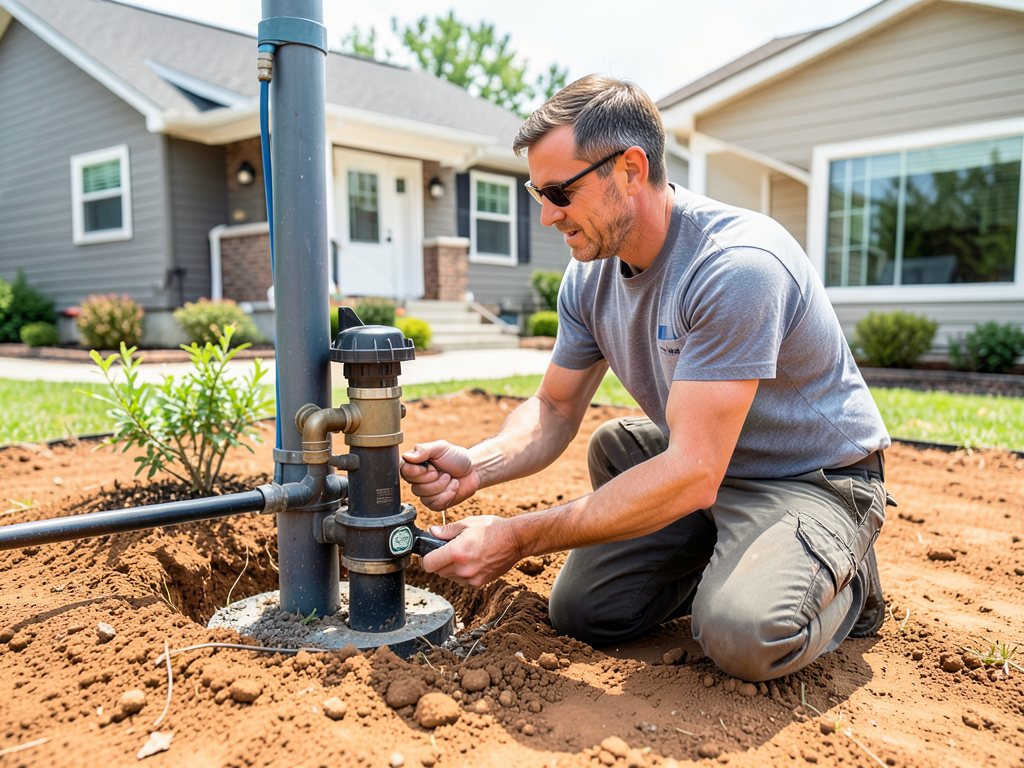
All water supply connections require backflow prevention devices rated for the specific application. Johns Creek sits within the Chattahoochee River watershed, and contamination prevention takes priority in local enforcement. Residential properties need approved backflow assemblies on irrigation systems, any commercial equipment connections, and boiler makeup water lines. Annual testing and certification are mandatory for testable devices.
Pressure reducing valves become required equipment when municipal water pressure exceeds 80 PSI at your property. Most Johns Creek neighborhoods receive water at pressures requiring PRV installation. The code mandates these valves on new construction and requires their addition during significant plumbing renovations. Proper PRV sizing depends on your home's fixture count and peak demand calculations.
Waste and vent systems follow specific slope requirements and sizing standards based on drainage fixture units. Improper venting causes slow drains and sewer gas intrusion. Johns Creek inspectors verify vent termination heights, proper trap installation, and adequate cleanout access before approving installations. Any work connecting to existing waste lines requires camera verification that connections don't create bellied sections or reverse slope conditions.
Material standards specify approved pipe types for different applications. PEX tubing has replaced copper for most water supply installations due to cost and freeze resistance. CPVC remains approved but sees limited use. ABS and PVC serve different waste applications based on temperature exposure and chemical resistance needs. Using incorrect materials or connection methods results in failed inspections and potential system failure.
Johns Creek requires permits for water heater replacement, fixture relocations, new fixture installations, and any work involving supply or waste line modifications. Permits cost between 50 and 200 dollars based on project scope. Inspections occur at rough-in stage before covering work and at final completion. Unpermitted work discovered during home sales requires correction before closing.
Accessibility determines labor costs more than any other factor. Repairs requiring wall or floor demolition cost significantly more than exposed pipe work. Emergency calls outside business hours carry premium rates. Material selection impacts total costs, with brass fixtures and copper pipe costing more than plastic alternatives. Complex installations requiring engineering or multiple inspections increase total investment beyond basic replacements.
Simple repairs like fixture replacement or drain clearing complete in under two hours. Water heater installation takes four to six hours including permit and inspection. Complete bathroom renovations require one to three weeks depending on fixture count and tile work. Whole-house repiping takes three to five days with drywall repair adding another week. Permit approval adds two to five business days before work begins.
Licensed plumbing contractors in Johns Creek carry general liability insurance covering property damage from their work and workers compensation protecting you from injury claims. Minimum coverage amounts are 500,000 dollars for liability and statutory limits for workers compensation. Request certificate of insurance before allowing any contractor to work on your property. Unlicensed plumbers create liability exposure if accidents occur.
This video explains common plumbing problems affecting Johns Creek, Georgia homeowners. Topics include clay soil effects on sewer lines, hard water damage to fixtures, high municipal water pressure issues, and pinhole leaks in copper supply lines. Elite Plumbing Atlanta plumbers demonstrate how local conditions create specific plumbing challenges and explain prevention strategies. Covers water heater maintenance, pressure regulation, drain cleaning, and when to call professional plumbing contractors for repairs.
Elite Plumbing Atlanta maintains service coverage across all Johns Creek neighborhoods and adjacent communities in northeast Fulton County. We respond to calls from established areas like Rivermont and Shakerag Trace where original 1990s plumbing now requires replacement and upgrades. Properties in State Bridge Crossing and Newtown Park call us for new construction warranty work and post-settlement repairs on builder-grade installations.
The Technology Park area and commercial corridor along State Bridge Road require specialized expertise for multi-unit properties and commercial plumbing systems. We handle office buildings, retail locations, and medical facilities with the same responsive service we provide residential customers. Our commercial plumbing contractors understand the unique demands of business operations and schedule work to minimize disruption.
Homes near the Chattahoochee River in neighborhoods like Rivermont and Findley Chase face different challenges than properties on the eastern side near Abbotts Bridge. River corridor homes deal with higher humidity and more aggressive corrosion. The clay soil composition varies across Johns Creek, with areas near McGinnis Ferry Road showing more severe expansion and contraction cycles than western neighborhoods.
We serve surrounding communities including Duluth, Suwanee, and Alpharetta with the same rapid response and quality standards. Properties near the Gwinnett County line in areas around Parsons Road and McGinnis Ferry receive service from our Johns Creek-based trucks. We maintain familiarity with plumbing systems across all major subdivisions built over the past 30 years.
Our service area extends to commercial properties along Medlock Bridge Road and residential communities throughout the 30097 and 30022 ZIP codes. We've worked extensively in Country Club of the South, St Ives Country Club, and the neighborhoods surrounding Autrey Mill Nature Preserve. This local experience means we understand which plumbing problems affect specific areas and building periods across Johns Creek.
Water pressure drops during peak hours happen when multiple homes draw water simultaneously from the municipal supply. Morning showers and evening dishwashing create high demand on your neighborhood's water lines. Johns Creek's growing population puts additional strain on older infrastructure in some areas. Your home's plumbing system might also have internal issues like corroded pipes or a faulty pressure regulator. Check your pressure regulator first. If the problem persists across your neighborhood, contact your water utility. A plumber will diagnose whether you need a booster pump or internal repairs.
Water heater replacement pricing depends on the unit type and your home's specific requirements. Tank models differ from tankless systems in installation complexity. Your existing plumbing configuration affects labor time. Fuel type matters as gas installations require different work than electric units. Permit fees add to the total expense. Tank size influences the final number. Most Johns Creek homes need 40 to 50-gallon tanks. Get multiple quotes from licensed plumbers. They will assess your home and provide accurate estimates based on your needs and local code requirements.
Yes, you need permits for most plumbing work in Johns Creek. The city requires permits for water heater replacements, sewer line repairs, repiping, and new fixture installations. Minor repairs like replacing a faucet or fixing a leak typically do not require permits. Licensed plumbers usually handle permit applications and inspections for you. Working without proper permits risks code violations and complications when selling your home. Permit fees vary based on project scope. Contact Johns Creek's Community Development Department for specific requirements. Permitted work ensures your plumbing meets safety standards and building codes.
Water pressure drops during peak hours happen when multiple homes draw water simultaneously from the municipal supply. Morning showers and evening dishwashing create high demand on your neighborhood's water lines. Johns Creek's growing population puts additional strain on older infrastructure in some areas. Your home's plumbing system might also have internal issues like corroded pipes or a faulty pressure regulator. Check your pressure regulator first. If the problem persists across your neighborhood, contact your water utility. A plumber will diagnose whether you need a booster pump or internal repairs.
Water heater replacement pricing depends on the unit type and your home's specific requirements. Tank models differ from tankless systems in installation complexity. Your existing plumbing configuration affects labor time. Fuel type matters as gas installations require different work than electric units. Permit fees add to the total expense. Tank size influences the final number. Most Johns Creek homes need 40 to 50-gallon tanks. Get multiple quotes from licensed plumbers. They will assess your home and provide accurate estimates based on your needs and local code requirements.
Yes, you need permits for most plumbing work in Johns Creek. The city requires permits for water heater replacements, sewer line repairs, repiping, and new fixture installations. Minor repairs like replacing a faucet or fixing a leak typically do not require permits. Licensed plumbers usually handle permit applications and inspections for you. Working without proper permits risks code violations and complications when selling your home. Permit fees vary based on project scope. Contact Johns Creek's Community Development Department for specific requirements. Permitted work ensures your plumbing meets safety standards and building codes.
Pipes freeze when temperatures drop below 32 degrees Fahrenheit. Johns Creek winters occasionally bring these conditions. Pipes in unheated spaces like crawl spaces, attics, and exterior walls face the highest risk. Poor insulation allows cold air to reach your plumbing. Water inside pipes expands when it freezes, creating pressure. This pressure causes pipes to burst. Prevent freezing by insulating exposed pipes with foam sleeves. Keep cabinet doors open during cold snaps. Let faucets drip slightly overnight. Maintain heat in your home above 55 degrees. Disconnect outdoor hoses before winter arrives.
Sewer line replacement typically takes one to three days for Johns Creek homes. The timeline depends on your line's length, depth, and accessibility. Traditional dig-and-replace methods take longer than trenchless options. Hard soil or rocky ground slows excavation. Permits and inspections add time to the schedule. Weather delays work during heavy rain. Most plumbers complete standard residential replacements in two days. Trenchless pipe bursting or lining finishes faster, often within one day. Your contractor will provide a timeline after inspecting your property. Plan for temporary water service interruptions during active work hours.
Sulfur smell in water comes from hydrogen sulfide gas. This odor resembles rotten eggs. Bacteria in your water heater produce this gas when they react with the magnesium anode rod. Well water in Johns Creek sometimes contains naturally occurring sulfur compounds. The smell might only occur with hot water, indicating a water heater issue. If all water smells, your source or municipal supply might be the cause. Flush your water heater to remove sediment. Replace the anode rod with an aluminum version. Contact your water provider if the issue continues across all taps.
Yes, hard water damages plumbing over time. Johns Creek has moderately hard water with high mineral content. Calcium and magnesium deposits build up inside pipes, reducing water flow. Scale accumulates on faucet aerators and showerheads. Your water heater works harder and loses efficiency as minerals coat heating elements. Appliances like dishwashers and washing machines wear out faster. Fixtures develop white crusty deposits. Install a whole-house water softener to prevent damage. Softeners remove minerals before water enters your plumbing system. This protects your pipes, extends appliance life, and reduces cleaning time.
Your main water shutoff valve is usually near where the water line enters your home. Check your basement, crawl space, or garage first. Look along the foundation wall facing the street. The valve sits on a pipe coming through the wall or floor. In slab homes, check the garage or utility closet. Some Johns Creek homes have outdoor shutoffs near the water meter. The valve has a round or lever-style handle. Turn it clockwise to shut off water. Tag the location for emergencies. Test it yearly to ensure it works properly.
Stop using all water immediately if your sewer backs up. Do not flush toilets or run faucets. This prevents additional sewage from entering your home. Call a licensed plumber right away for emergency service. Sewer backups pose health hazards and require immediate attention. Avoid contact with contaminated water. Keep children and pets away from affected areas. The plumber will snake or hydro-jet your sewer line to clear blockages. Tree roots, grease buildup, or collapsed pipes cause most backups. Protect your health by addressing sewer issues immediately rather than waiting.
Tankless water heaters work well for many Johns Creek homes. They provide endless hot water and last longer than tank models. You save space since they mount on walls. Energy savings occur because they heat water on demand. Upfront investment is higher than traditional tanks. Your home needs adequate gas supply or electrical capacity. Hard water requires regular descaling maintenance. Large families using multiple showers simultaneously might need multiple units. Consider your hot water usage patterns. Tankless systems suit homes with two to three bathrooms. Evaluate your budget and needs before deciding.
Pipes freeze when temperatures drop below 32 degrees Fahrenheit. Johns Creek winters occasionally bring these conditions. Pipes in unheated spaces like crawl spaces, attics, and exterior walls face the highest risk. Poor insulation allows cold air to reach your plumbing. Water inside pipes expands when it freezes, creating pressure. This pressure causes pipes to burst. Prevent freezing by insulating exposed pipes with foam sleeves. Keep cabinet doors open during cold snaps. Let faucets drip slightly overnight. Maintain heat in your home above 55 degrees. Disconnect outdoor hoses before winter arrives.
Sewer line replacement typically takes one to three days for Johns Creek homes. The timeline depends on your line's length, depth, and accessibility. Traditional dig-and-replace methods take longer than trenchless options. Hard soil or rocky ground slows excavation. Permits and inspections add time to the schedule. Weather delays work during heavy rain. Most plumbers complete standard residential replacements in two days. Trenchless pipe bursting or lining finishes faster, often within one day. Your contractor will provide a timeline after inspecting your property. Plan for temporary water service interruptions during active work hours.
Sulfur smell in water comes from hydrogen sulfide gas. This odor resembles rotten eggs. Bacteria in your water heater produce this gas when they react with the magnesium anode rod. Well water in Johns Creek sometimes contains naturally occurring sulfur compounds. The smell might only occur with hot water, indicating a water heater issue. If all water smells, your source or municipal supply might be the cause. Flush your water heater to remove sediment. Replace the anode rod with an aluminum version. Contact your water provider if the issue continues across all taps.
Yes, hard water damages plumbing over time. Johns Creek has moderately hard water with high mineral content. Calcium and magnesium deposits build up inside pipes, reducing water flow. Scale accumulates on faucet aerators and showerheads. Your water heater works harder and loses efficiency as minerals coat heating elements. Appliances like dishwashers and washing machines wear out faster. Fixtures develop white crusty deposits. Install a whole-house water softener to prevent damage. Softeners remove minerals before water enters your plumbing system. This protects your pipes, extends appliance life, and reduces cleaning time.
Your main water shutoff valve is usually near where the water line enters your home. Check your basement, crawl space, or garage first. Look along the foundation wall facing the street. The valve sits on a pipe coming through the wall or floor. In slab homes, check the garage or utility closet. Some Johns Creek homes have outdoor shutoffs near the water meter. The valve has a round or lever-style handle. Turn it clockwise to shut off water. Tag the location for emergencies. Test it yearly to ensure it works properly.
Stop using all water immediately if your sewer backs up. Do not flush toilets or run faucets. This prevents additional sewage from entering your home. Call a licensed plumber right away for emergency service. Sewer backups pose health hazards and require immediate attention. Avoid contact with contaminated water. Keep children and pets away from affected areas. The plumber will snake or hydro-jet your sewer line to clear blockages. Tree roots, grease buildup, or collapsed pipes cause most backups. Protect your health by addressing sewer issues immediately rather than waiting.
Tankless water heaters work well for many Johns Creek homes. They provide endless hot water and last longer than tank models. You save space since they mount on walls. Energy savings occur because they heat water on demand. Upfront investment is higher than traditional tanks. Your home needs adequate gas supply or electrical capacity. Hard water requires regular descaling maintenance. Large families using multiple showers simultaneously might need multiple units. Consider your hot water usage patterns. Tankless systems suit homes with two to three bathrooms. Evaluate your budget and needs before deciding.
Elite Plumbing is conveniently located to serve the greater Atlanta area. Whether you're looking to visit our office, need to understand our service radius, or simply want to know where we're based, our map provides a clear visual. We pride ourselves on being accessible to all our clients, ensuring prompt and efficient service delivery across the region for all your plumbing needs.
Address:
Johns Creek, GA, 30022
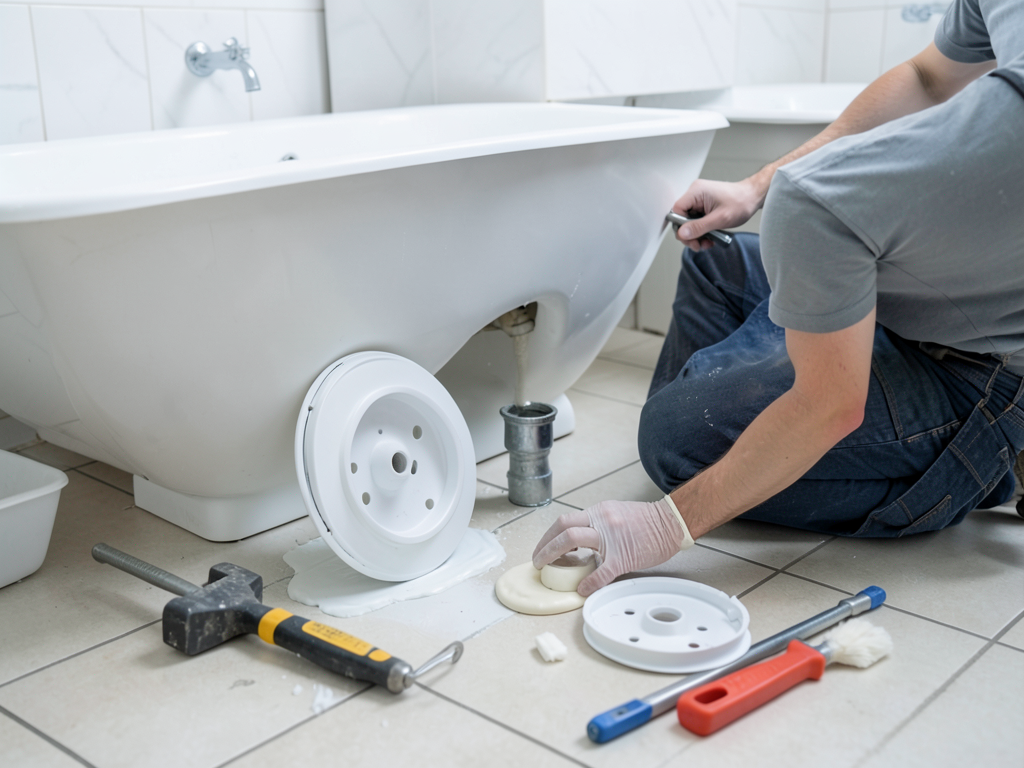
How to Identify and Fix a Leaking Bathtub Overflow Pipe in Your South Fulton Home Water stains on your ceiling below the bathroom usually mean trouble. If you notice peeling paint or a musty smell…
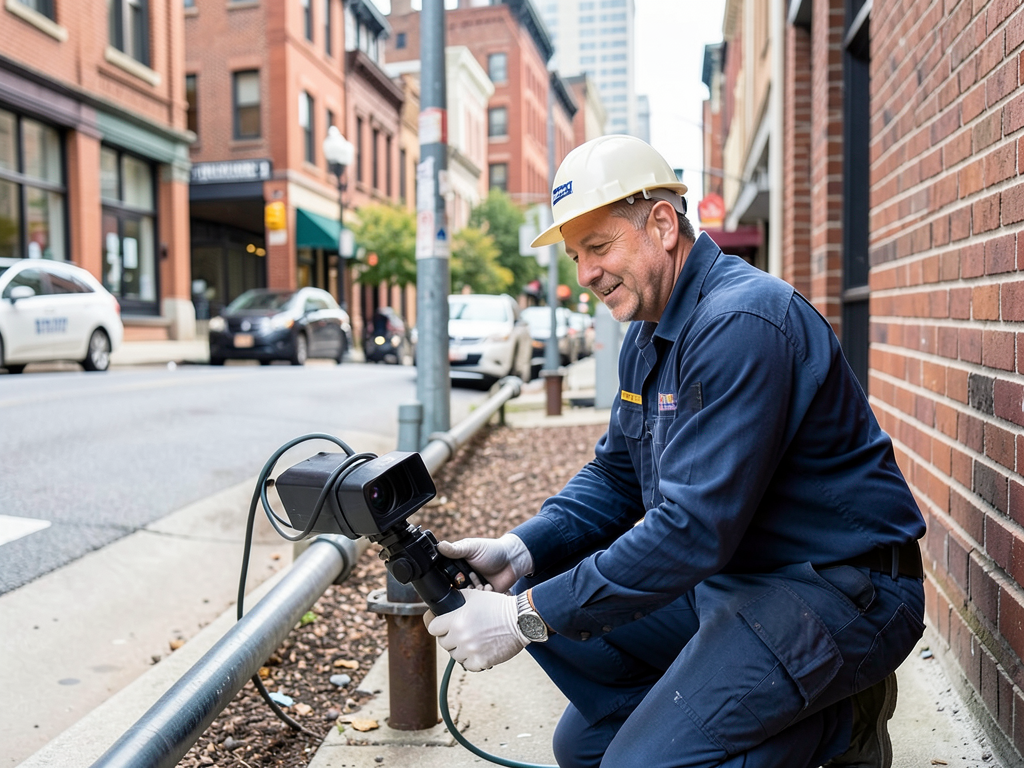
What Every Midtown Homeowner Should Know About Shared Sewer Laterals Living in Midtown Atlanta means…
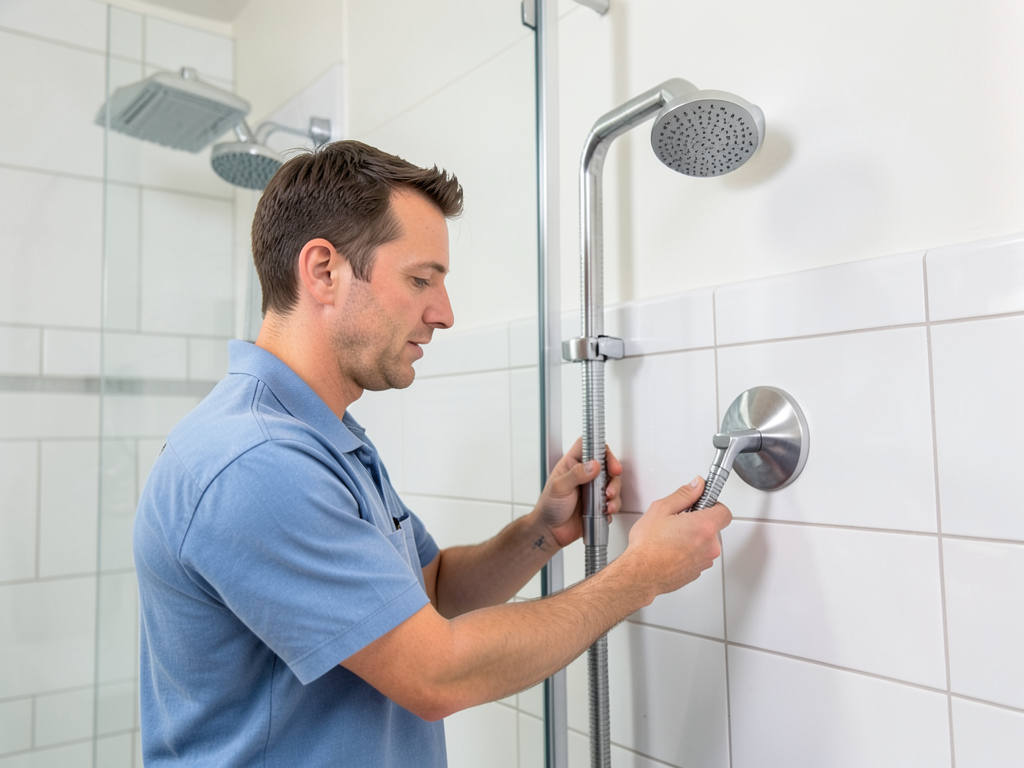
Choosing a High Performance Showerhead That Still Meets Georgia Water Flow Standards Looking for a…
Why Your New Milton Home Needs a Dedicated Backflow Preventer for the Irrigation System Every…
Don't let plumbing problems cause expensive water damage or disrupt your home. Call (770) 610-5522 now for emergency repairs or to schedule service. Our licensed plumbers respond 24/7 with upfront pricing and guaranteed results.