



Menu

Apartment Complex Plumbing in Atlanta – Minimize Downtime and Protect Your Property Investment

Elite Plumbing Atlanta delivers apartment complex plumbing that keeps units occupied and revenue flowing. We handle multi-family emergencies, preventive maintenance, and building-wide retrofits with minimal disruption to your tenants and operations.

Slider Image 1
Slider Image 2
Slider Image 3
Slider Image 4
Slider Image 5
Slider Image 7
Slider Image 8
Slider Image 9
Slider Image 10
Slider Image 11

Why Multi-Family Plumbing Failures Cost Atlanta Property Managers More Than Repairs

A single plumbing failure in a multi-unit residential building cascades into liability exposure, vacancy loss, and tenant complaints. Atlanta's aging infrastructure and aggressive clay soil movement accelerate pipe corrosion and joint separation in older apartment buildings throughout Midtown, Buckhead, and East Atlanta. When a mainline backs up or a riser fails, you face emergency hotel costs, potential mold remediation, and lease terminations.

Commercial plumbing for apartments demands a different approach than single-family work. You need technicians who understand cascading pressure issues across multiple floors, interpret commercial-grade fixtures, and coordinate around tenant schedules. A water heater failure in unit 204 affects units above and below. A sewer lateral blockage can shut down an entire building. Atlanta's rapid temperature swings between humid summers and occasional hard freezes stress aging galvanized lines and create expansion-contraction cycles that fracture joints in buildings constructed before 1980.

Multi-family plumbing services require capacity. When you manage 50 to 200 units, you cannot wait three days for a technician. You need crews who can dispatch multiple trucks, handle simultaneous unit calls, and stock commercial-grade parts. Apartment building plumbing is about systems-level thinking. We map your risers, identify your shut-off valves, and document your infrastructure so emergency response happens in minutes instead of hours.

The financial impact is direct. One flooded unit costs you turnover expenses, lost rent, and potential litigation. Apartment complex plumbing maintenance is not an expense line. It is risk mitigation.

Why Multi-Family Plumbing Failures Cost Atlanta Property Managers More Than Repairs
How We Handle Multi-Unit Residential Plumbing Without Disrupting Operations

How We Handle Multi-Unit Residential Plumbing Without Disrupting Operations

Elite Plumbing Atlanta approaches apartment complex plumbing with a focus on business continuity. We conduct after-hours diagnostics to avoid disturbing occupied units. Our technicians use acoustic leak detection and thermal imaging to pinpoint failures without demolition guesswork. When we identify a problem, we isolate affected zones to keep the rest of your building operational.

We start every relationship with a building systems audit. We document your main shut-offs, your riser configurations, and your water heater locations. We identify your backflow preventers and test your pressure-reducing valves. This mapping creates a response protocol so when you call at 2 a.m. with a flood in Building C, we already know your infrastructure layout.

Our commercial plumbing for apartments includes coordinated scheduling. We batch non-emergency repairs by building or floor to reduce trips and minimize access disruptions. For occupied units, we provide 48-hour advance notice and complete work within agreed windows. For vacant units between tenants, we perform turnover inspections that catch hidden leaks, corroded angle stops, and failing wax rings before your new tenant moves in.

We stock commercial-grade components. Apartment buildings require different parts than residential homes. We carry heavy-duty flush valves, commercial faucet cartridges, and pressure-balancing mixing valves that meet multi-family building codes. When a part fails, we replace it with components designed for high-cycle use.

For planned retrofits or building-wide upgrades, we phase work to maintain partial building operation. We isolate sections, communicate timelines to property managers, and coordinate with your leasing schedules. Multi-family plumbing services require project management discipline, not just wrench skills.

What Happens When You Call Elite Plumbing Atlanta for Multi-Family Service

Apartment Complex Plumbing in Atlanta – Minimize Downtime and Protect Your Property Investment
01

Building Assessment and Mapping

We review your property layout, document your plumbing infrastructure, and identify critical shut-off locations. For emergency calls, we reference existing building maps to deploy the right crew with the correct tools and parts. This assessment eliminates guesswork and reduces downtime. We ask about your tenant schedules, building occupancy rates, and any previous plumbing issues to tailor our response to your operational needs.
02

Targeted Repair and Isolation

We isolate the affected zone or unit to keep the rest of your building functional. Our technicians use zonal shut-offs instead of building-wide shutdowns whenever possible. We perform the repair with commercial-grade materials and test all connections under pressure. For tenant-occupied units, we complete work within the agreed window and clean the work area before leaving. You get documentation of what was repaired and what components were replaced.
03

Documentation and Preventive Planning

After completing repairs, we provide a written report that includes photos, parts used, and recommendations for future maintenance. For recurring issues, we identify root causes like pressure imbalances or aging risers and propose phased solutions that fit your capital budget. We schedule follow-up inspections to catch emerging problems before they become emergencies. This proactive approach reduces your long-term operating costs and protects your property value.

Why Atlanta Property Managers Choose Elite Plumbing Atlanta for Apartment Complex Plumbing

Multi-family properties demand a plumbing partner who understands commercial operations, not just pipe repair. Elite Plumbing Atlanta works with property management companies throughout Atlanta, from Garden Hills to Grant Park, providing apartment building plumbing that prioritizes tenant retention and asset protection.

We understand Atlanta's specific plumbing challenges. The city's transition from older cast iron and galvanized systems to modern PEX and copper creates mixed-material complications. Buildings constructed in the 1970s and 1980s face corroded risers and failing pressure regulators. Properties in areas like Virginia-Highland and Inman Park deal with mature tree root intrusion into clay sewer laterals. We have seen how Atlanta's clay soil shifts foundations and stresses rigid piping connections.

Our technicians respond to your schedule. We perform emergency repairs outside business hours to avoid disrupting your tenants. We coordinate with your leasing team during turnovers to complete unit inspections before move-in dates. For planned maintenance, we work section by section to maintain building functionality.

We carry proper liability coverage for commercial work. Apartment complex plumbing maintenance involves higher risk exposure than single-family service. Our insurance protects your property and your tenants. We pull permits when required by City of Atlanta building codes and coordinate inspections to keep you compliant.

You also get transparent communication. When we identify a problem, we explain the failure mechanism, the repair options, and the cost implications. We prioritize based on urgency and help you make informed decisions about immediate repairs versus planned replacements. Property managers need partners who understand cap-ex budgets and operational realities.

What to Expect When You Partner with Elite Plumbing Atlanta

Rapid Response for Emergencies

When you call with an emergency, we dispatch a crew immediately. For established clients with mapped buildings, response time is typically under 90 minutes across the Atlanta metro. We maintain multiple service vehicles stocked with commercial-grade parts so we can complete most repairs on the first visit. You get a technician who understands multi-family systems and can isolate problems quickly. For after-hours calls, you reach a live person who can assess urgency and deploy resources. We understand that every hour of downtime increases your exposure and costs you revenue.

Comprehensive Building Assessment

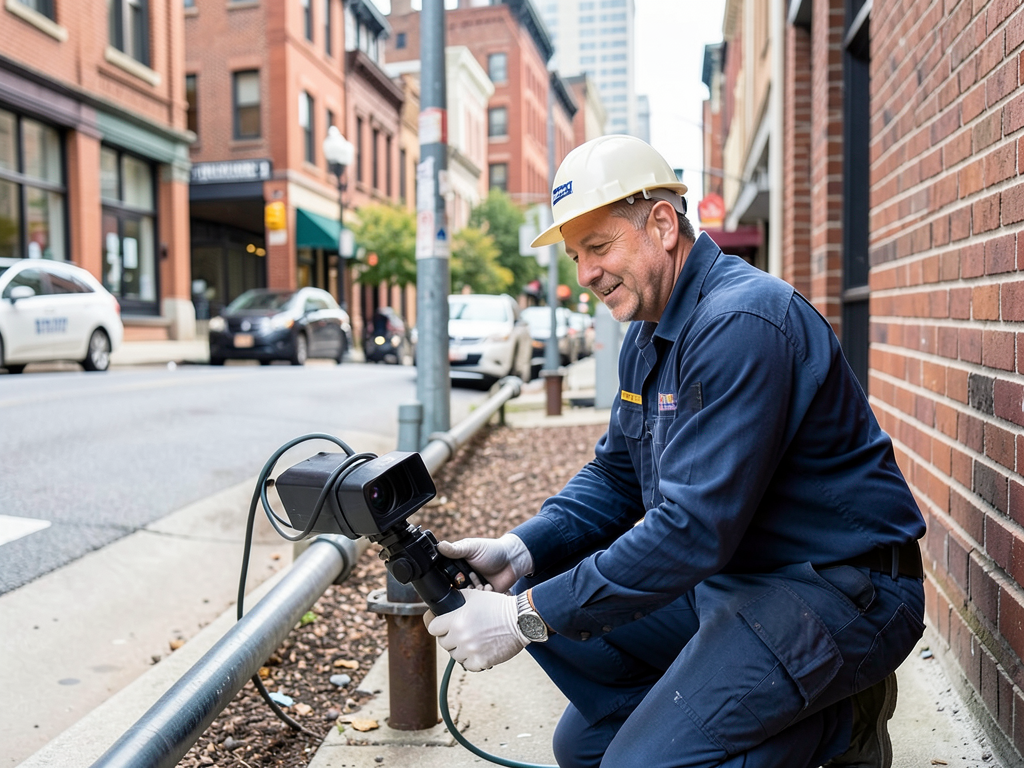
Before we perform any work, we evaluate your entire plumbing infrastructure. We test water pressure at multiple points, inspect visible piping for corrosion, check backflow preventers, and assess water heater conditions. For older buildings, we use camera inspections to evaluate underground sewer lines and identify root intrusion or bellied sections. This diagnostic approach identifies problems before they cause failures. You receive a written report with photos and prioritized recommendations. We separate immediate safety issues from deferred maintenance so you can plan capital expenditures strategically.

Quality Repairs That Last

We use commercial-grade materials designed for high-cycle use and multi-family applications. When we replace a fixture, you get a heavy-duty model built for rental property abuse. When we repair a line, we use approved methods that meet current building codes. All work is pressure-tested before we leave. You get documentation of what was installed, including part numbers and manufacturer specifications. Our repairs are designed to minimize callbacks and extend the service life of your plumbing systems. We do not patch problems. We fix them correctly the first time.

Preventive Maintenance Programs

Elite Plumbing Atlanta offers scheduled maintenance contracts tailored to multi-family properties. We perform quarterly inspections of water heaters, annual backflow testing, and periodic camera inspections of your sewer mains. Preventive maintenance catches problems early when repairs are cheaper and less disruptive. You get consistent service from technicians who know your buildings. Scheduled maintenance reduces emergency calls, extends equipment life, and keeps your properties compliant with local codes. We track service history and provide annual reports that document your maintenance investments for lenders or potential buyers.

Frequently Asked Questions

You Have Questions,
We Have Answers

How does plumbing work in an apartment building? +

Apartment plumbing uses a vertical stack system. Fresh water enters through a main line, then branches to individual units via supply lines. Wastewater drains through vertical stacks that connect all floors to the main sewer line. Each unit has shut-off valves for isolation during repairs. In Atlanta's older complexes, galvanized steel or cast iron pipes are common, while newer builds use PEX or copper. Pressure regulators maintain consistent flow across floors. The system includes vent pipes to prevent siphoning and maintain proper drainage. Property managers must monitor backflow prevention devices to meet city code requirements and protect water quality.

Does apartment maintenance do plumbing? +

Apartment maintenance handles minor plumbing repairs like clogged drains, leaky faucets, or running toilets. These are routine fixes within their skill set. For complex issues like sewer line backups, water heater failures, or pipe replacements, property managers call licensed plumbers. In Atlanta, commercial plumbing work requires proper permits and certification. Liability concerns drive this decision. If maintenance attempts major repairs without proper licensing and causes damage, the property owner faces legal exposure. Multi-unit systems demand specialized knowledge of pressure balancing, cross-connection control, and code compliance that general maintenance staff lack.

What is the most common plumbing issue? +

Clogged drains top the list in apartment complexes. Multiple tenants create constant demand on shared drain lines, leading to buildup from grease, hair, and foreign objects. Leaking fixtures rank second due to wear from high usage. In Atlanta, aging infrastructure in older buildings causes frequent pipe corrosion and joint failures. Hard water deposits reduce flow and damage fixtures. Water heater issues affect multiple units when centralized systems fail. Toilet flapper failures waste thousands of gallons monthly. Running toilets and dripping faucets increase operating costs. Preventive maintenance catches these issues before they escalate into emergency service calls.

How often should plumbing pipes be replaced in an apartment? +

Copper pipes last 50 years. Galvanized steel requires replacement after 20 to 50 years due to corrosion. PEX tubing can last 40 to 50 years. Atlanta's clay soil and seasonal ground movement accelerate wear on underground lines. Inspect supply lines every 10 years and replace at first signs of corrosion or pinhole leaks. Drain lines need replacement when you see repeated clogs or slow drainage across multiple units. Buildings constructed before 1980 often have galvanized pipes nearing end of life. Replace proactively during renovations to avoid tenant disruption and water damage claims.

What is the 135 rule for plumbing? +

The 135 rule prevents sewer gas intrusion through floor drains. Drain traps must maintain a water seal by holding at least one inch of water and having a diameter of three to five inches. Without this seal, toxic gases enter occupied spaces. In Atlanta's commercial buildings, floor drains in mechanical rooms, basements, or unused units lose their water seals through evaporation. This creates health code violations during inspections. Pour water down floor drains quarterly to maintain the trap seal. Install trap primers for automatic filling in low-use areas. Proper trap maintenance protects indoor air quality and tenant health.

What would make you fail an apartment inspection? +

Visible water damage fails inspections immediately. Inspectors look for leaking fixtures, corroded pipes, non-functional shut-off valves, and improper drain venting. Missing or damaged backflow prevention devices violate Atlanta codes. Cross-connections between potable water and non-potable sources create contamination risks. Insufficient water pressure below 20 PSI fails. Gas leaks trigger immediate red tags. Improperly vented water heaters pose carbon monoxide hazards. Outdated piping materials like polybutylene require disclosure. Sewage backups or standing water indicate drainage failures. Missing permits for previous plumbing work can halt closings. Address these issues before scheduling inspections to avoid costly delays.

Do tenants have to pay for plumbing repairs? +

Tenants pay for damage they cause through negligence or misuse. If a tenant flushes foreign objects that clog the line serving only their unit, they cover the repair cost. Normal wear and tear falls on the landlord. Aging pipes, failed water heaters, or corroded fixtures are ownership responsibilities. Georgia law requires landlords to maintain habitable conditions, including functional plumbing. Lease agreements must clearly define responsibilities. Document pre-existing conditions during move-in inspections. When multiple units share a drain line and the clog location is unclear, the property owner typically absorbs the cost to maintain operations and avoid disputes.

What are red flags in an apartment lease? +

Watch for clauses shifting all repair costs to tenants, including structural plumbing issues. This violates Georgia landlord-tenant law. Vague maintenance language creates disputes. Excessive fees for service calls indicate profit-seeking rather than cost recovery. Short notice periods for entry during plumbing emergencies may be reasonable, but routine access requires 24 hours notice. Prohibition of tenant-requested inspections by outside plumbers suggests hidden problems. Automatic lease renewals with rent increases buried in fine print reduce negotiating power. Review who pays for water damage when pipes fail due to age versus tenant negligence. Consult an attorney before signing leases with unusual maintenance provisions.

Who pays for damage caused by tenants? +

Tenants pay for damage they directly cause through actions or negligence. If they break a fixture, cause a flood, or damage pipes during unauthorized modifications, they bear repair costs and any consequential damage to other units. Property owners pay for damage from system failures, aging infrastructure, or poor maintenance. Security deposits cover tenant-caused damage up to the deposit amount. Beyond that, landlords can pursue additional costs through small claims court. Document everything with photos and repair invoices. Georgia law allows landlords to deduct actual damages from deposits but requires itemized statements within 30 days of move-out. Insurance determines coverage for ambiguous situations.

How much does a plumbing check cost? +

Basic plumbing inspections for apartment units start at 150 to 300 dollars per unit. Whole-building assessments for multi-family properties cost 500 to 2,000 dollars depending on unit count and system complexity. Video camera inspections of sewer lines add 300 to 500 dollars. Backflow testing required by Atlanta code runs 75 to 150 dollars per device annually. Costs vary based on building age, system accessibility, and inspection scope. Preventive inspections cost less than emergency diagnostics. Schedule annual system reviews to catch problems early. Factor inspection costs into operating budgets. Request detailed written reports documenting all findings and recommended repairs with priority rankings.

How Atlanta's Clay Soil and Aging Infrastructure Impact Apartment Complex Plumbing

Atlanta sits on expansive clay soil that shrinks during dry periods and swells when saturated. This constant movement stresses rigid underground plumbing connections and can separate joints in cast iron sewer lines. Many apartment buildings in Midtown, Decatur, and East Point were constructed between 1960 and 1985 when galvanized steel and cast iron were standard. These materials corrode from the inside out, creating pressure drops, discolored water, and eventual pinhole leaks. The city's transition to higher water pressure standards in the 1990s also stressed older systems designed for lower pressures. Multi-family buildings face accelerated wear because high tenant turnover increases fixture cycling and abuse.

Choosing a plumbing provider familiar with Atlanta's building stock matters. We have worked on properties across every Atlanta neighborhood and understand the common failure points in different construction eras. We know which buildings likely have polybutylene piping, which properties face root intrusion from mature oak trees, and which areas experience higher mineral content in the water supply. This local knowledge allows us to diagnose problems faster and recommend solutions that address Atlanta-specific conditions. Property managers need partners who understand regional construction practices, local code requirements, and the unique stress factors that Atlanta's climate and infrastructure place on apartment complex plumbing systems.
Plumbing Services in The Atlanta Area

Elite Plumbing is conveniently located to serve the greater Atlanta area. Whether you're looking to visit our office, need to understand our service radius, or simply want to know where we're based, our map provides a clear visual. We pride ourselves on being accessible to all our clients, ensuring prompt and efficient service delivery across the region for all your plumbing needs.

Address:
Elite Plumbing Atlanta, 434 Marietta St NW, Atlanta, GA, 30313

Additional Services We Offer

Our news updates

Latest Articles & News from The Blogs

How Gray Water Recycling Can Help You Maintain a Lush Garden in Palmetto Gray water recycling systems offer Palmetto homeowners…

How Gray Water Recycling Can Help You Maintain a Lush Garden in Palmetto

How Gray Water Recycling Can Help You Maintain a Lush Garden in Palmetto Gray water recycling systems offer Palmetto homeowners…

Comparing Navien and Rinnai Tankless Systems for Large Estates in Canton

Comparing Navien and Rinnai Tankless Systems for Large Estates in Canton Large estates in Canton require high-capacity tankless water heaters…

The Best Ultra-Quiet Toilets for High-Rise Living in Morrow

The Best Ultra-Quiet Toilets for High-Rise Living in Morrow Living in a high-rise apartment in Morrow means sharing walls floors…

Contact Us

Call Elite Plumbing Atlanta at (770) 610-5522 for apartment complex plumbing that minimizes downtime and protects your property value. We respond fast, work clean, and fix problems correctly the first time.