Why Homes in Hilly Areas of Jonesboro Often Experience Fluctuating Water Pressure
Homeowners in Jonesboro’s hilly neighborhoods often deal with frustrating water pressure swings. One minute your shower flows strong. The next it trickles to a drip. These fluctuations happen because elevation changes create pressure differences throughout the municipal water system. Understanding the cause helps you find the right fix.
Water pressure naturally varies based on your home’s height relative to the water tower. Homes uphill from the main supply line experience lower pressure. Homes downhill face higher pressure. When pressure exceeds 80 PSI it can damage fixtures and void warranties. Most Atlanta homes need a pressure reducing valve to maintain safe levels between 40 and 60 PSI.
Jonesboro’s rolling terrain means pressure problems are common. The city’s water infrastructure struggles to maintain consistent pressure across elevation changes. Older homes with galvanized pipes face additional issues from mineral buildup that narrows pipe diameter and restricts flow. Thermal expansion from water heaters also contributes to pressure spikes when water heats and expands inside closed systems.
Several factors cause these frustrating pressure swings. Municipal supply issues create baseline fluctuations. Aging galvanized piping restricts flow. Faulty pressure reducing valves fail to regulate pressure. Water heater thermal expansion causes pressure spikes. Air trapped in lines creates sputtering. Each problem requires a different solution.
Pressure reducing valves wear out over time. A failing PRV allows pressure to spike above safe levels. You might hear banging pipes or see water hammer when turning faucets on and off. Replacing a worn PRV typically costs between $350 and $600 in the Atlanta area. This investment protects your plumbing system from costly damage. Plumbing Decatur.
Thermal expansion happens when water heats inside your water heater. As water temperature rises from 50°F to 120°F it expands by about 2 percent. In a closed system this expansion increases pressure. Without an expansion tank pressure can spike to dangerous levels. Installing a thermal expansion tank costs around $300 to $500 and prevents pressure damage.
Galvanized steel pipes common in homes built before 1980 develop mineral buildup over decades. This buildup reduces pipe diameter and restricts water flow. You might notice pressure drops when multiple fixtures run simultaneously. Repiping with modern PEX or copper costs $4,000 to $10,000 but eliminates pressure problems and prevents future leaks.
Atlanta’s Department of Watershed Management manages water pressure across the metro area. Their system struggles to maintain consistent pressure in hilly areas like Jonesboro. Water main breaks and repairs cause temporary pressure drops. High-demand periods during morning and evening create pressure fluctuations. These municipal issues affect every home on the same supply line. EPA WaterSense.
Water hammer occurs when water flow suddenly stops or changes direction. This creates pressure waves that travel through pipes at 3,000 feet per second. You hear banging or knocking sounds in walls. Water hammer can damage pipe joints and fixtures. Installing water hammer arrestors costs $200 to $400 per fixture and protects your plumbing. Plumbing Roswell.
Air trapped in plumbing lines causes sputtering and pressure fluctuations. This happens after water main repairs or when water sits unused for long periods. Bleeding air from lines requires opening all faucets and letting water run until flow becomes steady. This simple fix takes about 15 minutes but solves many pressure complaints. Plumbing Kennesaw.
Hard water in Jonesboro contains high mineral content. These minerals deposit inside pipes and fixtures over time. Scale buildup reduces pipe diameter and restricts flow. Water heaters develop sediment that reduces efficiency and capacity. Installing a water softener costs $1,200 to $2,500 but prevents scale buildup and extends plumbing life.
Private well systems face different pressure challenges than city water. Well pumps cycle on and off to maintain pressure. Pressure tanks store pressurized water between cycles. A failing pressure tank causes pressure fluctuations. Replacing a pressure tank costs $400 to $800 and stabilizes well water pressure.
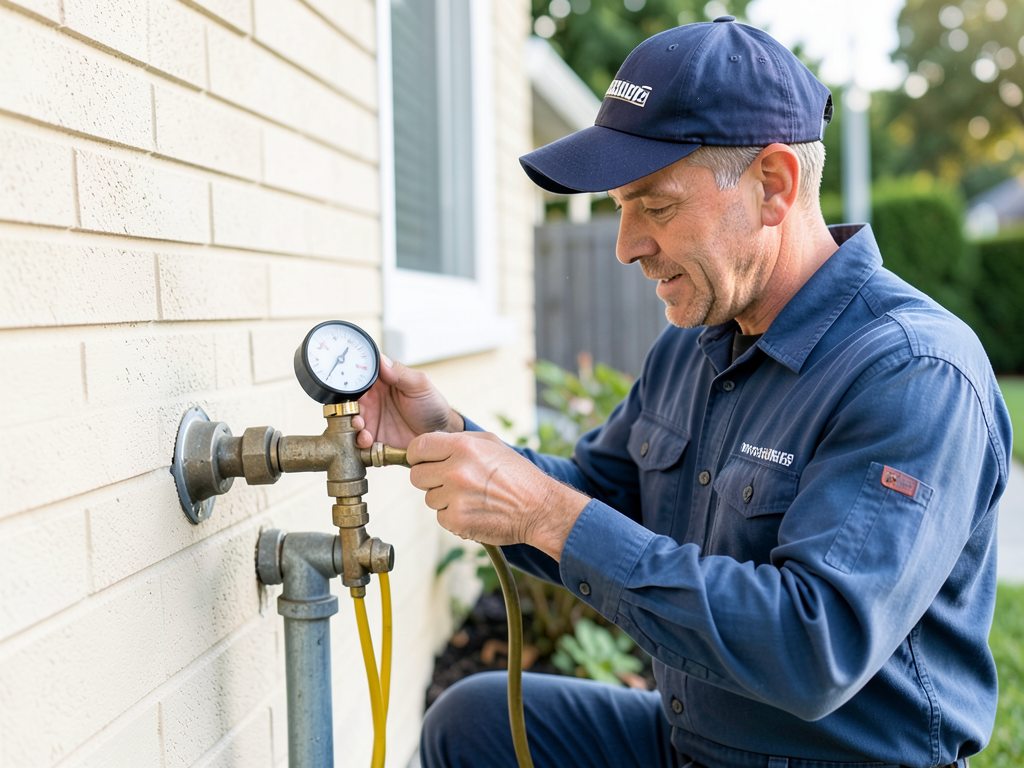
Professional diagnosis starts with pressure testing. A plumber connects a pressure gauge to an outdoor hose bib and monitors pressure over time. Readings above 80 PSI indicate problems. Pressure drops when multiple fixtures run suggest supply line restrictions. Pressure spikes point to thermal expansion or failing PRV issues.
DIY troubleshooting begins with simple checks. Clean faucet aerators and showerheads remove mineral buildup. Check pressure reducing valve settings. Inspect visible pipes for leaks or corrosion. Test pressure with a $10 gauge from the hardware store. These steps identify obvious problems before calling a professional.
Pressure problems affect more than just comfort. High pressure damages washing machines, dishwashers, and water heaters. It causes faucet cartridges to fail prematurely. Low pressure makes showers ineffective and toilets slow to refill. Consistent pressure protects your investment in plumbing fixtures and appliances.
Jonesboro’s specific geography creates unique pressure challenges. Homes on elevated lots experience low pressure during high-demand periods. Homes in valleys face pressure spikes that stress plumbing systems. The solution depends on your home’s elevation relative to the water supply and the age of your plumbing system.
Commercial properties in Jonesboro face additional pressure requirements. Restaurants need consistent pressure for dishwashers and sinks. Medical facilities require reliable pressure for sanitation. Industrial operations depend on stable pressure for processes. Commercial pressure solutions often include booster pumps and complex control systems.
Emergency pressure problems require immediate attention. Sudden pressure drops might indicate a main line break. Pressure spikes can cause pipe bursts and flooding. Unusual sounds from pipes suggest failing components. These situations need professional diagnosis within 24 hours to prevent property damage. Who to Call for an Emergency Pipe Burst in Buckhead.
Preventive maintenance prevents pressure problems. Annual plumbing inspections catch failing components before they cause damage. Water heater maintenance removes sediment and checks expansion controls. Pressure reducing valve testing ensures proper function. These services cost $150 to $300 annually but prevent expensive emergency repairs.
Modern pressure management uses smart technology. Digital pressure monitors track pressure 24/7 and alert you to problems. Variable speed pumps adjust output based on demand. These systems cost $2,000 to $5,000 but provide peace of mind and prevent damage from pressure extremes.
Insurance coverage for pressure damage varies by policy. Sudden pipe bursts from pressure spikes might be covered. Gradual damage from chronic high pressure often isn’t covered. Document pressure problems with photos and pressure readings. This evidence helps with insurance claims if damage occurs.
Environmental factors affect pressure systems. Freezing temperatures can cause pressure drops as water expands in pipes. Summer heat increases water demand and reduces pressure. Seasonal changes require system adjustments to maintain consistent performance year-round.
Water conservation and pressure management work together. Low-flow fixtures reduce demand and stabilize pressure. Smart irrigation systems adjust watering schedules based on pressure. These approaches save water while maintaining system performance.
Professional installation ensures pressure solutions work correctly. Licensed plumbers understand local codes and pressure requirements. They select proper components for your specific situation. DIY pressure modifications can create dangerous conditions and violate building codes.
Call (770) 610-5522 today to schedule your water pressure inspection. Our experienced technicians will diagnose your pressure problems and recommend the right solution for your Jonesboro home. Don’t let pressure fluctuations damage your plumbing or frustrate your family.
Frequently Asked Questions
What causes water pressure to fluctuate in my home?
Pressure fluctuations result from elevation changes, failing pressure reducing valves, thermal expansion from water heaters, mineral buildup in pipes, municipal supply issues, and air trapped in plumbing lines. Each cause requires a different diagnostic approach.
How do I know if my water pressure is too high?
Test pressure with a gauge from a hardware store. Pressure above 80 PSI is too high and can damage fixtures. Signs include banging pipes, water hammer, and premature failure of faucets and appliances. Professional testing provides accurate readings.
Can I fix water pressure problems myself?
Simple fixes include cleaning aerators, checking PRV settings, and bleeding air from lines. However, pressure reducing valve replacement, thermal expansion tank installation, and repiping require professional tools and expertise. DIY modifications can create dangerous conditions.
How much does it cost to fix water pressure problems?
Costs vary by problem. PRV replacement costs $350-$600. Thermal expansion tank installation runs $300-$500. Repiping costs $4,000-$10,000. Professional diagnosis starts at $150. Most pressure problems can be solved for under $1,000.
Is fluctuating water pressure dangerous?
Yes. High pressure can cause pipe bursts and flooding. It damages appliances and voids warranties. Low pressure indicates supply problems that might worsen. Pressure extremes stress plumbing joints and fixtures, leading to leaks and water damage. For more information, visit International Code Council.
You may also find this helpful. Dealing with Cloudy or Milky Tap Water in Your Brookhaven Kitchen.
You may also find this helpful. What to Do When Your Yard is Soggy But It Hasn’t Rained in Sandy Springs.
You may also find this helpful. Why Your New Milton Home Needs a Dedicated Backflow Preventer for the Irrigation System.