What North Buckhead Families Need to Know About Installing a Hot Water Recirculating Pump
Waiting minutes for hot water to reach your master bathroom is a daily frustration in many North Buckhead homes. Large floor plans and multi-story layouts common in neighborhoods like Chastain Park and Kingswood mean water can take 2-3 minutes to travel from the heater to the furthest fixture. A hot water recirculating pump solves this by keeping hot water moving through your pipes so it’s ready when you need it. This guide explains what North Buckhead families need to know before installing one.. Read more about The Best Way to Flush Your Tankless Water Heater in Tuxedo Park.
How a Hot Water Recirculating Pump Works in Atlanta Homes
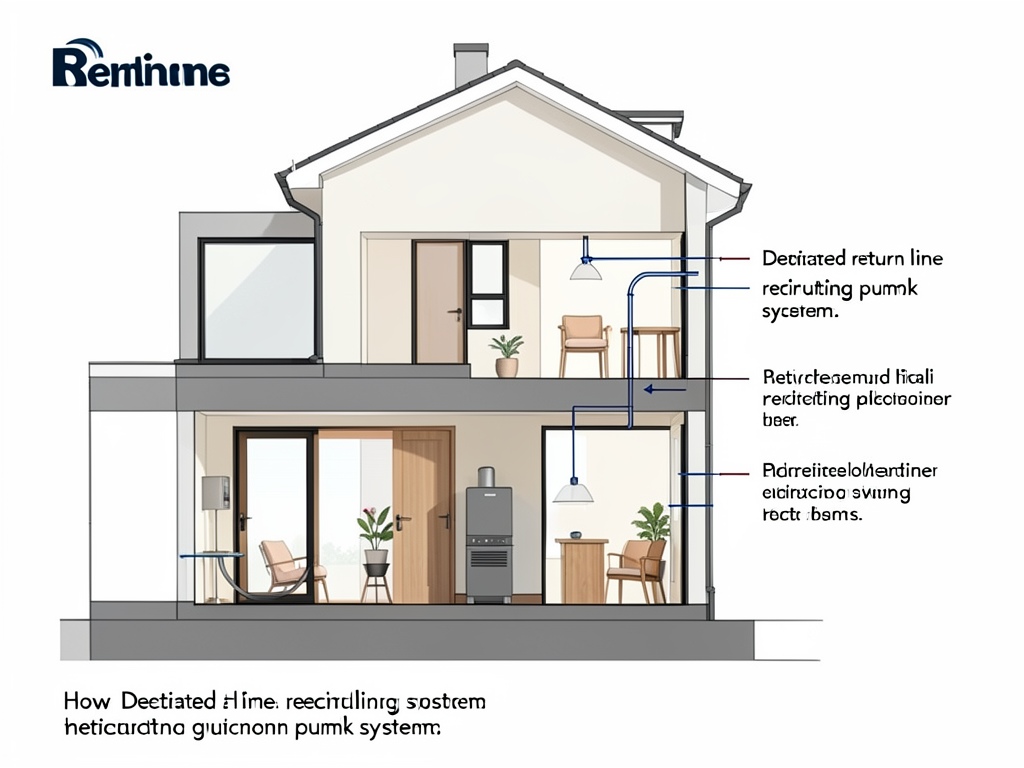
A recirculating pump installs at your water heater and pushes hot water through the pipes on a timer or thermostat control. Without one, cooled water sits in the lines and must be flushed out before fresh hot water arrives. In Atlanta’s hard water conditions, this also means wasting heated water that never reaches the tap. The pump creates a loop that returns unused water back to the heater, keeping the line hot.

Two main system types serve Atlanta homes differently. A dedicated return line requires running a new pipe from the farthest fixture back to the water heater. This works best in new construction or during major remodels common in North Buckhead’s older estates. A comfort valve system retrofits under a sink and uses the cold line as the return path. This avoids new piping but can cause slight temperature mixing in the cold line during pump operation.
Benefits That Matter for North Buckhead Living
Instant hot water eliminates the wait time that disrupts morning routines in busy households. For a family of four, this can save 3-5 gallons of water per day that would otherwise go down the drain while waiting. Over a year, that’s nearly 2,000 gallons conserved. In Atlanta’s tiered water pricing, this translates to measurable savings on utility bills.
Energy use is minimal since the pump only runs when needed. Modern units draw about 25-50 watts during operation – less than a standard light bulb. The bigger energy consideration is heat loss through the pipes. Insulating hot water lines, especially in unconditioned crawl spaces common under North Buckhead homes, prevents this waste.. Read more about Everything You Should Know About Water Heater Expansion Tanks in Collier Hills.
Installation Considerations for Atlanta’s Housing Stock
North Buckhead homes built before 1990 often have galvanized steel pipes that corrode internally. This restricts flow and can damage pump impellers. A professional inspection determines if repiping sections is needed before installation. Homes with tankless water heaters require specific pump models designed for on-demand systems – standard pumps can cause flow sensor errors. Getting Your Tankless Water Heater Fixed Fast in Sandy Springs.
Older homes may lack a convenient electrical outlet near the water heater location. Running a new circuit adds to installation cost but ensures safe, code-compliant operation. The City of Atlanta Department of Watershed Management requires permits for all plumbing modifications, including recirculating pump installations. A licensed plumber handles this process and ensures compliance with Georgia State Minimum Standard Plumbing Code. City of Atlanta Department of Watershed Management.
Choosing the Right System for Your Home
Comparing pump types helps match the solution to your home’s layout and plumbing age. The table below outlines key differences. Plumbing Decatur.
| Pump Type | Installation Complexity | Best For | Water Line Impact |
|---|---|---|---|
| Dedicated Return Line | High – requires new piping | New construction or major remodels | Separate hot/cold lines maintained |
| Comfort Valve (Under-sink) | Low – retrofits existing plumbing | Existing homes wanting minimal disruption | Uses cold line as return path |
| Tankless Compatible | Medium – specific models needed | Homes with on-demand water heaters | Designed for low-flow systems |
Smart controls add convenience by learning your household patterns. Units with programmable timers or motion sensors activate only during typical usage hours, reducing energy consumption. Some integrate with home automation systems for smartphone control – useful for adjusting schedules when traveling or during Atlanta’s frequent power outages.
Local Water Quality Impact on Pump Longevity
Atlanta’s water contains moderate to high levels of calcium carbonate, which forms scale inside pipes and on pump components. This is especially problematic in North Buckhead where many homes have older plumbing systems. Scale buildup reduces pump efficiency and can cause premature failure within 2-3 years if not addressed. Plumbing Roswell.
Installing a scale inhibitor or water softener upstream of the pump extends service life significantly. Phosphate-based filters prevent mineral adhesion without adding sodium to the water. For homes with severe hardness (above 10 grains per gallon), a whole-house softener may be more cost-effective long-term than frequent pump replacements.
Maintenance Requirements for Optimal Performance
Annual maintenance includes checking valve operation, cleaning the pump intake screen, and verifying timer settings. In Atlanta’s humid climate, condensation on cold water pipes can cause corrosion at connection points. Applying dielectric unions where dissimilar metals meet prevents galvanic corrosion that damages both the pump and surrounding plumbing. Plumbing Kennesaw.
Flushing the system removes sediment that accumulates in low-flow areas. This is particularly important after municipal water main work, which stirs up minerals and debris. Signs of needed maintenance include reduced flow rate, unusual pump noises, or lukewarm water at fixtures that previously delivered instant hot water.
Cost Factors and ROI for North Buckhead Homes
Installation costs vary based on home layout and system choice. A basic comfort valve retrofit starts around $400-600 in parts and labor. Dedicated return line systems range from $800-1,500 depending on piping distance and accessibility. Homes requiring electrical work or pipe replacement see higher costs.
Energy savings are modest – typically $10-20 annually. The primary return comes from water conservation and eliminated wait time. For a household paying Atlanta’s highest-tier water rates, the system can pay for itself in 3-5 years through utility savings alone. Added home value and buyer appeal provide additional return on investment.
Common Installation Mistakes to Avoid
Incorrect pump sizing causes problems. A unit too large for the application cycles excessively, wasting energy and wearing components. Too small fails to deliver adequate flow, leaving wait times unchanged. Professional sizing considers pipe diameter, home layout, and fixture count – not just home square footage.
Skipping the permit process risks fines and insurance complications. The City of Atlanta requires inspections for all plumbing alterations. DIY installations void most manufacturer warranties and can create cross-connection hazards if check valves fail. Always verify your plumber carries both general liability and workers’ compensation insurance.. Read more about Sustainable Plumbing Upgrades for Modern Living in Glenwood Park.
Frequently Asked Questions
Will a recirculating pump increase my electric bill significantly?
No. Modern pumps use 25-50 watts when running and typically operate just 2-3 hours daily. Monthly electricity cost is usually under $2. The bigger consideration is heat loss from pipes, which insulation minimizes.
Can I install a recirculating pump myself?
DIY installation is not recommended. Plumbing modifications require permits and inspections in Atlanta. Incorrect installation can cause cross-contamination between hot and cold lines, void warranties, and create safety hazards. Professional installation ensures code compliance and proper system function.
How long do these pumps typically last?
Quality pumps last 7-10 years with proper maintenance. Atlanta’s hard water can reduce lifespan to 3-5 years without scale prevention. Annual maintenance and water treatment extend service life significantly.
Ready to Stop Waiting for Hot Water?
Don’t let another morning start with cold water delays. Elite Plumbing Atlanta installs hot water recirculating pumps throughout North Buckhead, handling everything from system selection to permit acquisition. Our technicians understand Atlanta’s unique plumbing challenges and ensure your installation meets all local codes.
Call (770) 610-5522 today to schedule your inspection and stop wasting water and time. Our team provides upfront pricing and handles all necessary permits so you can enjoy instant hot water without the hassle. The Best Way to Handle a Gas Line Leak in Smyrna.
For more information, visit Georgia State Minimum Standard Plumbing Code.