Why Your Attic HVAC Drain Line Might Be Leaking into Your Hapeville Ceiling
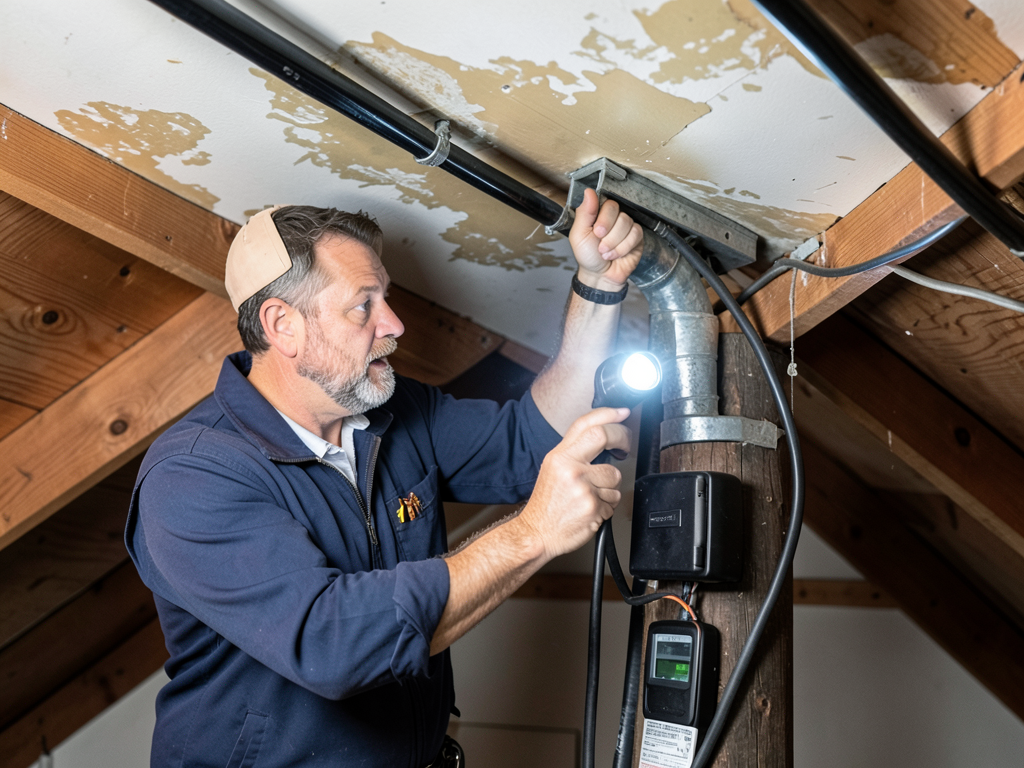
Water dripping from your ceiling in Hapeville often starts with a clogged or cracked condensate drain line from your attic HVAC unit. Atlanta’s high humidity causes algae and sludge to build up quickly in PVC pipes, blocking water flow and forcing it to overflow into your living space. You might notice water stains on ceilings, musty odors, or your AC shutting off unexpectedly. These are warning signs that require immediate attention before mold develops or structural damage occurs. The good news is that most condensate line leaks can be diagnosed and repaired quickly by a licensed plumber familiar with Hapeville’s older bungalow construction and Georgia’s unique climate challenges. EPA mold information.
Signs Your AC Condensate Line is Leaking
Water pooling around your indoor unit indicates the primary drain line is clogged and water is backing up. Musty odors or visible mold growth near your air handler suggest moisture has been present long enough for spores to develop. Your AC unit keeps shutting off because the float switch activated to prevent flooding when the drain pan filled. Water stains on ceilings below attic units often appear as yellow or brown rings that grow larger over time. You might also hear dripping sounds in your attic during peak cooling hours when condensation rates are highest. The Best Way to Handle a Gas Line Leak in Smyrna.
Why Do Condensate Lines Leak? (Common Causes in Georgia)
Algae and sludge build-up happens faster in Atlanta’s humid climate than in drier regions. The warm, moist environment inside drain pipes creates perfect conditions for biological growth that narrows the pipe diameter. Cracked drain pans develop from years of exposure to heat and age-related wear, especially in older Hapeville bungalows built in the 1950s-1970s. Improper installation causes problems when pipes lack the correct pitch toward the drain outlet, allowing water to pool and stagnate. Frozen evaporator coils can burst when ice melts rapidly, overwhelming the drain system. Georgia’s building code requires secondary drain pans for attic installations, but many older homes lack this critical safety feature. Who to Call for an Emergency Pipe Burst in Buckhead.
DIY Fixes: How to Clear a Clogged Line
The wet/dry vac method works by attaching the vacuum to the outdoor drain line and creating suction to pull out the clog. This takes about 15 minutes and requires no special tools beyond a shop vac. The vinegar flush involves pouring distilled white vinegar into the drain line access point to dissolve algae and mineral deposits. This method takes several hours but costs under $5 in materials. Warning signs that indicate you need professional help include visible cracks in PVC joints, standing water in the secondary pan, or if you’ve tried clearing the line twice without success. Bleach should never be used as it can damage pipe seals and create toxic fumes when mixed with other cleaning products.
Professional Solutions and Repair Costs in Atlanta
Typical local cost range for line clearing runs from $150 to $300 depending on accessibility and clog severity. Installing a safety float switch costs $200 to $400 but prevents thousands in water damage by automatically shutting off your AC when the drain pan fills. Annual maintenance plans for Atlanta residents start around $150 and include line cleaning, pan inspection, and system testing. Professional plumbers use specialized tools like video inspection cameras to locate hidden cracks and high-pressure water jets to clear stubborn blockages. Many Hapeville homes benefit from upgrading to larger diameter drain lines that handle Georgia’s heavy condensation loads more effectively.
Preventing Future HVAC Drain Line Leaks
Regular maintenance prevents most condensate line failures before they cause damage. Schedule professional cleaning twice yearly during spring and fall when your HVAC system transitions between heating and cooling modes. Install a secondary drain pan with a water alarm under attic units to provide early warning of leaks. Consider upgrading to a condensate pump if your drain line runs uphill or extends more than 20 feet from your home. Replace flexible drain line connections every 5-7 years as they become brittle and prone to cracking. Keep your air filters clean since restricted airflow causes evaporator coils to ice up and overflow the drain pan when they thaw.
Emergency Water Damage Response
Shut off your AC immediately if you notice water leaking from the ceiling to prevent further damage. Place buckets or towels under active leaks to catch dripping water. Document all water damage with photos for insurance purposes before beginning cleanup. Contact a licensed plumber who can diagnose whether the leak is from your HVAC system or another source like a roof failure. Most Atlanta plumbers offer 24/7 emergency service with response times under two hours for active leaks. Quick action prevents mold growth which can begin within 24-48 hours in Georgia’s humid climate.
Understanding Hapeville’s Unique HVAC Challenges
Hapeville’s older bungalow construction presents specific challenges for HVAC drainage systems. Many homes built before 1980 lack proper secondary drain pans required by current Georgia building codes. The neighborhood’s proximity to Hartsfield-Jackson International Airport means older homes often have inadequate attic ventilation, creating temperature differentials that increase condensation. Hapeville’s clay soil can cause foundation settling that stresses drain line connections over time. Local plumbers familiar with the area know to check for these specific issues during service calls. The combination of Atlanta’s humidity and Hapeville’s aging housing stock makes regular HVAC maintenance especially important for preventing water damage. International Mechanical Code.
DIY vs Professional: When to Call an Expert
Try the vinegar flush or wet/dry vac method if you’re comfortable with basic tools and the leak is minor. Call a professional immediately if you see water actively pouring from ceiling fixtures, notice electrical outlets near the leak, or if your AC won’t turn on. Professional diagnosis is worth the cost when you’ve tried clearing the line twice without success or if you suspect the leak source is something other than the condensate line. Licensed plumbers carry insurance that protects you if repairs cause additional damage. They also understand local building codes and can identify code violations that might affect your home’s safety or insurability.
Long-Term Solutions for Atlanta Homes
Consider whole-home humidity control systems if your family experiences frequent condensate line issues. These systems work with your existing HVAC to maintain optimal indoor humidity levels around 45-55%. Upgrade to PEX piping for drain lines in accessible areas as it resists algae growth better than PVC. Install smart water sensors near your air handler that send alerts to your phone when moisture is detected. Replace old air handlers with newer high-efficiency models that produce less condensation. Many Atlanta homeowners find that investing in these preventive measures saves money compared to repeated emergency repairs and water damage restoration.
Frequently Asked Questions
Why does my AC only leak during hot, humid weather?
Your AC produces more condensation when outdoor humidity is high because the evaporator coil must work harder to cool moist air. The increased condensation volume can overwhelm partially clogged drain lines or undersized piping. This is why many homeowners notice leaks during Georgia’s summer months but not during spring or fall.
Can I use bleach to clean my condensate line?
No, bleach can damage PVC pipe seals and create toxic fumes when mixed with other cleaning products. Use distilled white vinegar instead, which kills algae and dissolves mineral deposits without harming your plumbing system. Vinegar is also safer for your family and pets if any residue remains in the line. Plumbing Decatur.
How often should I have my condensate line cleaned?
Professional cleaning every six months is ideal for Atlanta homes, with additional DIY vinegar flushes every 2-3 months during peak cooling season. Homes with multiple occupants, pets, or in particularly humid areas may need more frequent service. Regular maintenance prevents emergency leaks and extends your HVAC system’s lifespan.
Is a leaking condensate line covered by homeowners insurance?
Most policies cover sudden, accidental water damage but not damage from neglected maintenance. If your leak results from a clogged line you failed to maintain, the repair might not be covered. However, if a drain pan cracks unexpectedly or a new installation fails, you may have coverage for both the repair and resulting damage.
Take Action Before Your Ceiling Suffers More Damage
Water damage from HVAC drain line leaks only gets worse with time. Each day you wait increases the risk of mold growth, structural damage, and higher repair costs. If you’re seeing water stains, hearing dripping sounds, or your AC keeps shutting off, don’t wait for the problem to fix itself. Professional plumbers in Hapeville understand the unique challenges of Atlanta’s climate and older home construction. They can diagnose the issue quickly and provide lasting solutions that protect your home. Call (770) 610-5522 today to schedule your inspection before the next summer storm hits and your ceiling suffers more damage.