
Comparing Bidet Seats and Full Smart Toilets for Your Wildwood Bathroom Upgrade
Upgrading your Wildwood bathroom with modern hygiene technology requires understanding the fundamental differences between bidet seats and full smart toilets. Both options offer enhanced comfort and cleanliness, but they differ significantly in installation complexity, electrical requirements, and long-term maintenance needs. This guide breaks down everything Atlanta homeowners need to know before making this investment.. Read more about Comparing Low-Flow Toilet Options for Your New Duluth Home Renovation.
Understanding Bidet Seats: The Retrofit Solution
Bidet seats represent the most accessible entry point into bathroom technology. These devices replace your existing toilet seat and add features like heated water, adjustable spray patterns, and warm air drying. Installation typically takes under two hours for a licensed plumber, requiring only a standard 120-volt GFCI outlet and connection to your existing water supply line.. Read more about How to Install a Basement Bathroom in Chosewood Park Using an Upflush Toilet System.
The electrical requirements follow National Electrical Code Article 210.8, which mandates GFCI protection for all bathroom receptacles. In Atlanta’s older homes, this often means running new wiring from the electrical panel to the bathroom, adding to the installation cost. Water pressure requirements remain minimal since bidet seats use a small internal pump to boost pressure when needed. National Electrical Code Article 210.8.
Maintenance involves regular cleaning of the nozzle and occasional descaling to prevent mineral buildup from Atlanta’s hard water. The nozzles typically feature self-cleaning functions using electrolyzed water or UV sterilization, extending their lifespan to 5-7 years under normal use.
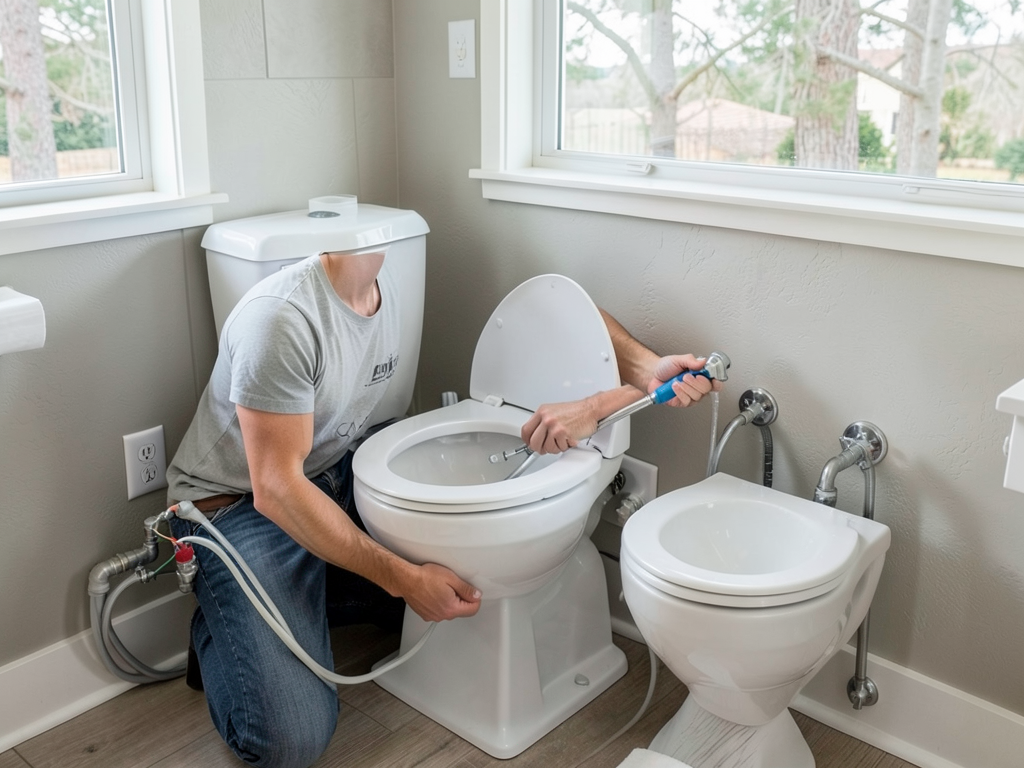
Full Smart Toilets: Integrated Luxury and Performance
Smart toilets integrate bidet functionality directly into the toilet bowl, offering a seamless aesthetic and advanced features like automatic flushing, night lights, and deodorizing systems. These units replace your entire toilet and require more extensive installation, including both electrical and plumbing modifications. Plumbing Decatur.
The installation process involves removing the existing toilet, ensuring proper rough-in dimensions, and connecting both water supply and electrical systems. Atlanta’s building code requires all smart toilets to meet WaterSense certification standards, limiting water usage to 1.28 gallons per flush or less. This aligns with Georgia’s water conservation efforts amid growing population demands.. Read more about The Best Ultra-Quiet Toilets for High-Rise Living in Morrow.
Smart toilets often feature dual-flush technology, allowing users to select between 0.8 and 1.28 gallons per flush. This can reduce household water consumption by 20-30% compared to older toilets, translating to significant savings on Atlanta’s municipal water bills.
Side-by-Side Comparison: Cost, Installation, and Features
| Feature | Bidet Seat | Smart Toilet |
|---|---|---|
| Unit Cost Range | $300-$800 | $1,500-$4,000 |
| Installation Time | 1-2 hours | 3-6 hours |
| Electrical Needs | Standard 120V GFCI outlet | 120V GFCI outlet + dedicated circuit |
| Water Pressure Requirements | 15-80 PSI | 20-80 PSI |
| Lifespan | 5-7 years | 10-15 years |
| Maintenance Complexity | Low | Medium |
| Resale Value Impact | Minimal | Moderate |
The Plumbing Perspective: Atlanta Code Requirements
Georgia plumbing code requires all new toilet installations to include proper backflow prevention devices. For smart toilets, this means installing a reduced pressure zone (RPZ) valve if the unit connects to the home’s hot water system. Atlanta’s Department of Watershed Management enforces these requirements strictly, with inspections required for all new installations. EPA WaterSense certification.
Hard water in North Georgia affects both bidet seats and smart toilets differently. Bidet seats experience faster nozzle clogging due to their smaller spray apertures, while smart toilets use larger nozzles that resist mineral buildup but require more frequent cleaning. Installing a water softener can extend the life of either system by 2-3 years.
Atlanta’s clay soil presents unique challenges for bathroom renovations. The soil’s expansion and contraction can cause subtle shifts in floor level, potentially affecting the proper alignment of smart toilet sensors and bidet seat mounting brackets. Professional installation includes leveling adjustments to prevent these issues.. Read more about Making Your Bathroom Safer as You Age—Essential Plumbing Upgrades for Fayetteville Seniors.
Electrical Requirements: The Hidden Installation Cost
Many Wildwood homeowners underestimate the electrical work required for bathroom technology upgrades. Existing bathrooms often lack the necessary GFCI-protected circuits, requiring licensed electricians to install new wiring. The National Electrical Code mandates that all bathroom receptacles be GFCI-protected, with circuits rated for 20 amps minimum.
For bidet seats, a standard 15-amp circuit suffices, but smart toilets often require dedicated 20-amp circuits due to their higher power consumption. Features like heated seats, warm air dryers, and automatic flushing systems can draw 500-1,500 watts continuously, necessitating proper circuit sizing to prevent breaker trips.
Atlanta’s humid climate increases the importance of proper electrical installation. Moisture can cause corrosion in improperly sealed connections, creating fire hazards. Professional installation includes weatherproof junction boxes and proper strain relief on all wiring connections.
Local Water Quality Considerations
Atlanta’s water hardness, averaging 10-15 grains per gallon, significantly impacts bidet maintenance schedules. Mineral deposits can reduce spray effectiveness by 30% within the first year without proper maintenance. Smart toilets typically include self-cleaning nozzles that use electrolyzed water to dissolve mineral buildup automatically.
The Chattahoochee River watershed, Atlanta’s primary water source, contains varying mineral content throughout the year. Summer months often see higher mineral concentrations, requiring more frequent cleaning of bidet nozzles. Smart toilets with built-in water filtration systems can reduce this maintenance requirement by filtering out larger mineral particles before they reach the spray mechanisms.
Chlorine levels in Atlanta’s municipal water, while safe for consumption, can affect the longevity of rubber seals in both bidet seats and smart toilets. Premium models include chlorine-resistant materials that extend seal life from 2-3 years to 5-7 years under normal conditions.
Choosing Between Bidet Seat and Smart Toilet
Your decision should factor in your Wildwood home’s existing infrastructure, budget constraints, and long-term plans. Bidet seats offer the best value for homeowners seeking basic functionality without major renovations. They work well in rental properties or homes where you might not stay long-term.
Smart toilets make more sense for luxury renovations, new construction, or homeowners planning to stay in their Wildwood home for 10+ years. The higher upfront cost pays off through increased property value, water savings, and reduced maintenance needs over time.
Consider your household’s specific needs. Families with young children benefit from bidet seats’ simplicity and lower cost, while seniors or those with mobility issues might prefer smart toilets’ automatic features and easier cleaning access.
Installation Best Practices for Atlanta Homes
Professional installation ensures proper function and code compliance. Licensed plumbers in Atlanta understand local water pressure variations, soil conditions, and building code requirements. They can identify potential issues like inadequate water pressure or improper electrical circuits before installation begins.
The installation process includes pressure testing the water supply, verifying electrical circuit capacity, and ensuring proper drainage for any overflow scenarios. Smart toilets require additional testing of automatic flushing sensors and water temperature controls to ensure optimal performance.
Post-installation, professional plumbers provide maintenance guidance specific to your model and Atlanta’s water conditions. This includes recommended cleaning schedules, descaling procedures, and troubleshooting common issues before they become major problems.
Maintenance and Long-Term Reliability
Bidet seats require minimal maintenance beyond regular cleaning and occasional descaling. Most models include replaceable filters that should be changed every 6-12 months, depending on water hardness and usage frequency. The electrical components typically last 5-7 years before requiring replacement.
Smart toilets involve more complex maintenance due to their integrated electronics and water systems. Professional servicing every 2-3 years ensures optimal performance and can prevent costly repairs. This includes checking valve seals, testing electrical connections, and cleaning internal water lines.
Atlanta’s climate affects maintenance needs. High humidity can cause condensation on cold water lines, potentially leading to mold growth around bidet seat mounting brackets. Smart toilets with heated seats reduce this issue but require more energy to operate during Atlanta’s mild winters.
Energy Efficiency and Operating Costs
Bidet seats consume minimal electricity, typically $5-15 annually for basic models. Heated seat and warm air dryer functions increase consumption to $25-50 annually. Smart toilets use more energy due to their integrated systems, costing $50-150 annually depending on usage patterns and feature selection.
Water savings offset some of these costs. A family of four switching from a 3.5-gallon toilet to a smart toilet can save 12,000-15,000 gallons annually. At Atlanta’s current water rates, this translates to $60-90 in annual savings, partially offsetting the higher operating costs.
Solar-ready electrical circuits can further reduce operating costs for both systems. While not common in older Wildwood homes, new construction often includes solar capacity, making the energy consumption less of a concern for environmentally conscious homeowners.
Resale Value and Market Appeal
Smart toilets can increase home resale value by 1-3% in Atlanta’s luxury market, particularly in neighborhoods like Wildwood where modern amenities are expected. Bidet seats offer minimal direct value but signal to buyers that the home has been well-maintained and updated.
Real estate agents report that smart toilets are increasingly common in new construction and major renovations in Atlanta’s northern suburbs. They appeal to tech-savvy buyers and those interested in water conservation, making them a worthwhile investment in competitive markets.
The age of your home influences the value proposition. Older Wildwood homes benefit more from smart toilet installations due to the comprehensive upgrade they provide, while newer homes might see better returns from bidet seats that preserve the existing aesthetic.
Making Your Decision
Evaluate your specific situation by considering these factors: your budget for both purchase and installation, your home’s existing electrical and plumbing infrastructure, your plans for staying in the home, and your household’s specific needs. Professional consultation can help identify the best option for your Wildwood bathroom. Plumbing Roswell.
Both bidet seats and smart toilets represent significant improvements over traditional toilet setups. The right choice depends on balancing initial costs against long-term benefits, installation complexity, and your personal preferences for bathroom technology.
Remember that professional installation ensures proper function, code compliance, and warranty protection. DIY installation might save money initially but can lead to costly repairs and voided warranties if not done correctly.
Ready to upgrade your Wildwood bathroom with modern hygiene technology? Call (770) 610-5522 today to schedule a consultation with Elite Plumbing Atlanta’s experienced team. We’ll evaluate your specific needs, assess your home’s infrastructure, and recommend the perfect solution for your budget and lifestyle. Plumbing Kennesaw.
Frequently Asked Questions
Can I install a bidet seat or smart toilet myself?
While DIY installation is possible, professional installation ensures proper electrical connections, water pressure optimization, and code compliance. Atlanta’s building codes require licensed professionals for both electrical and plumbing modifications, and improper installation can void warranties and create safety hazards.
How long does installation take for each option?
Bidet seat installation typically takes 1-2 hours for a licensed plumber, while smart toilet installation requires 3-6 hours due to the more complex electrical and plumbing work involved. Both installations include testing and adjustment to ensure optimal performance.
Will these systems work during power outages?
Bidet seats lose heated water and drying functions during outages but maintain basic spray functionality. Smart toilets typically retain manual flushing capabilities but lose automatic features and heated functions. Battery backup options are available for critical features in both systems.
What’s the typical return on investment for these upgrades?
Bidet seats offer immediate comfort benefits with minimal financial return. Smart toilets can increase property value by 1-3% in Atlanta’s luxury market and provide water savings that offset operating costs over 5-7 years, making them a better long-term investment for homeowners planning to stay in their homes.
- Assess Your Bathroom Infrastructure
Check for existing GFCI outlets, water pressure levels, and available space. Older Wildwood homes may need electrical upgrades before installation.
- Determine Your Budget
Factor in both unit costs and installation fees. Bidet seats cost $300-$800 plus installation, while smart toilets range from $1,500-$4,000 plus more complex installation.
- Consider Your Long-Term Plans
Homeowners planning to stay 5+ years benefit more from smart toilet investments through increased property value and water savings.
- Evaluate Household Needs
Consider factors like mobility issues, family size, and personal preferences for automated features versus manual control.