Comparing Reverse Osmosis and Carbon Filters for the Best Drinking Water in Suwanee
Choosing between a reverse osmosis system and a carbon filter comes down to what contaminants you want to remove from your Suwanee home’s water. Atlanta’s water supply comes from the Chattahoochee River and Lake Lanier and is treated with chlorine and other disinfectants. While this makes it safe to drink, it can leave behind chemicals and dissolved solids that affect taste and odor. Reverse osmosis systems remove up to 99% of total dissolved solids and most contaminants including lead, arsenic, and PFAS chemicals. Carbon filters excel at removing chlorine, sediment, and volatile organic compounds but leave most dissolved solids untouched. Your choice depends on your water quality goals and whether you want to treat all your water or just the water you drink. PFAS contamination in Georgia water supplies.
How Each System Works
Reverse osmosis forces water through a semipermeable membrane that blocks particles larger than 0.0001 microns. This process removes dissolved salts, heavy metals, bacteria, and most chemical contaminants. The system includes pre-filters to catch sediment and protect the membrane and a post-filter to polish the water before it reaches your tap. Carbon filters use activated carbon to trap contaminants through adsorption. The carbon’s porous structure captures chlorine, sediment, and organic compounds as water passes through. Some carbon filters use catalytic carbon which works better for chloramine removal than standard activated carbon.. Read more about Why Your Dunwoody Home Water Suddenly Smells Like Chlorine.
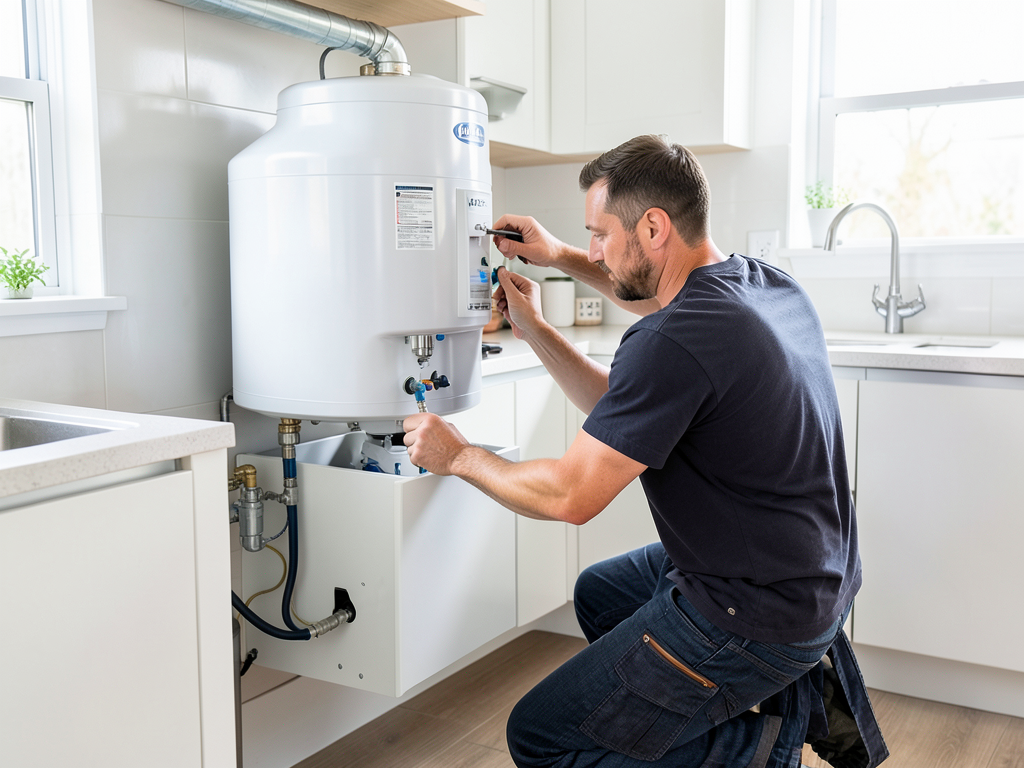
Water flows through multiple stages in both systems. RO systems typically include three to five stages with sediment pre-filters, carbon pre-filters, the RO membrane, and a final polishing filter. Carbon systems range from simple faucet attachments to whole-house units with multiple carbon blocks and sediment filters. The main difference is the RO membrane which gives reverse osmosis its superior contaminant removal capability.
What Each System Removes
Reverse osmosis systems remove dissolved solids, lead, arsenic, fluoride, nitrates, PFAS chemicals, bacteria, and viruses. They reduce total dissolved solids by 95 to 99 percent. Carbon filters remove chlorine, chloramine, sediment, volatile organic compounds, pesticides, herbicides, and improve taste and odor. They do not remove dissolved solids, fluoride, or most heavy metals.
Suwanee’s water typically contains chlorine levels between 0.5 and 2.0 parts per million from municipal treatment. The water also carries dissolved minerals from the Chattahoochee River watershed. Testing shows TDS levels between 100 and 200 parts per million in most Atlanta-area homes. Carbon filters handle the chlorine taste but leave the minerals. RO systems remove both. The Best Way to Handle a Gas Line Leak in Smyrna.
PFAS chemicals have become a growing concern in Georgia water supplies. These synthetic compounds used in non-stick cookware and firefighting foam resist breakdown in the environment. Carbon filters reduce some PFAS compounds while RO membranes block most of them. The EPA has set health advisory levels for several PFAS chemicals at 70 parts per trillion combined. EPA health advisory levels for PFAS.
Installation and Space Requirements
Reverse osmosis systems require space under the sink for the storage tank and filtration unit. The tank holds three to four gallons of filtered water and refills automatically. The system needs a dedicated faucet mounted on the sink or countertop. Installation includes drilling a hole for the faucet and connecting to the cold water line. The system produces wastewater at a ratio of three to four gallons wasted for every gallon of drinking water produced.
Carbon filters offer more flexibility in installation. Faucet-mounted units attach directly to the existing faucet with no drilling required. Under-sink systems connect to a dedicated faucet like RO systems but without the storage tank. Whole-house carbon filters install on the main water line where it enters the home. These systems treat all water including showers, laundry, and outdoor spigots.
Suwanee homes typically have 1.5 to 2.5 bathrooms and average 2,500 square feet. Under-sink space varies but most RO systems fit in standard 30-inch base cabinets. The storage tank measures about 16 inches tall and 11 inches in diameter. Whole-house systems require more space, often in a garage or utility room, with dimensions around 20 inches wide and 48 inches tall.. Read more about Why Homes in Hilly Areas of Jonesboro Often Experience Fluctuating Water Pressure.
Maintenance and Operating Costs
Reverse osmosis systems need filter changes every six to twelve months depending on water quality and usage. The RO membrane lasts two to five years. Annual maintenance costs range from $80 to $150. The system uses electricity to operate the permeate pump in some models and to power the automatic shut-off valve. Water waste adds to the cost with typical households using 150 to 300 gallons of wastewater monthly.
Carbon filters require more frequent changes. Faucet-mounted units need new cartridges every two to three months. Under-sink systems typically change filters every six months. Whole-house systems last six to twelve months depending on water volume. Annual costs range from $50 to $200 depending on the system type. Carbon filters use no electricity and produce no wastewater.
Local water conditions affect maintenance schedules. Suwanee’s water contains moderate hardness around three to five grains per gallon. This level does not cause scaling problems but does affect filter life. Chlorine levels remain consistent year-round but can spike during main line flushing. These factors mean carbon filters may need more frequent changes than manufacturer estimates suggest.
Pros and Cons Comparison
| Feature | Reverse Osmosis | Carbon Filter |
|---|---|---|
| Contaminant Removal | 95-99% of TDS, lead, arsenic, PFAS | Chlorine, VOCs, sediment, taste/odor |
| Water Waste | 3-4 gallons wasted per gallon purified | No wastewater |
| Installation | Under sink, dedicated faucet, drilling | Under sink or whole house, no drilling |
| Annual Cost | $80-150 plus wastewater | $50-200 |
| Space Required | Storage tank plus filters | Minimal to moderate |
| Water Pressure | May reduce pressure slightly | No pressure reduction |
| Maintenance | Every 6-12 months | Every 2-12 months |
Georgia Plumbing Code Requirements
Georgia plumbing installations must follow the Georgia State Minimum Standard Plumbing Code based on the International Plumbing Code. Cross-connection control devices prevent contamination of the public water supply. RO systems require an air gap faucet to prevent backflow. The air gap maintains a physical separation between the RO drain line and the sink drain. Plumbing Decatur.
Installation must comply with local Suwanee permits for plumbing modifications. The Georgia Plumbing Code requires licensed plumbers to install water treatment systems that connect to the potable water supply. Systems must have accessible shut-off valves and meet NSF/ANSI Standard 58 for RO systems or Standard 42 for carbon filters. Plumbing Roswell.
Water hammer arrestors may be required when installing quick-closing valves like those in RO systems. The code limits water pressure to 80 psi maximum. Pressure reducing valves are required when municipal pressure exceeds this level. Suwanee’s water pressure typically ranges from 40 to 70 psi but can spike during high-demand periods.
Which System Fits Your Home
Reverse osmosis works best for families concerned about dissolved solids, heavy metals, or specific contaminants like PFAS. The system provides bottled-water quality drinking water from the tap. It suits households with infants, elderly members, or health concerns about water quality. The wastewater production makes it less ideal for homes with water conservation priorities.
Carbon filters fit homes wanting better-tasting water without the complexity of RO systems. They work well for removing chlorine taste and odor from all household water. Whole-house systems benefit homes with municipal water where chlorine removal improves skin and hair health. The lower maintenance suits busy households wanting simple operation.
Suwanee’s water quality falls in the moderate range for Atlanta suburbs. The Chattahoochee River provides relatively clean source water that receives standard treatment. This means neither system faces extreme conditions but both can improve water quality. Testing your water helps determine which contaminants concern you most.

Testing Your Water Quality
Water testing reveals what contaminants actually exist in your supply. Home test kits check basic parameters like pH, hardness, chlorine, and some metals. Laboratory testing provides comprehensive analysis including lead, arsenic, bacteria, and chemical contaminants. The DeKalb County water department offers free basic testing for residents.
Test results guide system selection. High TDS readings suggest RO systems provide the most benefit. Elevated chlorine levels indicate carbon filtration will improve taste. Lead presence requires systems certified to remove it. The testing also establishes baseline levels to compare against future results.
Testing should occur after any system installation to verify performance. RO systems typically reduce TDS by 90 percent or more. Carbon filters should eliminate chlorine taste and odor. Results outside expected ranges indicate maintenance needs or installation issues.
Cost Considerations Beyond Equipment
Installation costs vary by system complexity. Simple faucet-mounted carbon filters install in minutes with no tools. Under-sink systems take one to two hours for professional installation. Whole-house systems require main line access and can take four to eight hours. Professional installation ensures code compliance and warranty protection.
Operating costs extend beyond filter replacements. RO systems use electricity in many models. Wastewater increases sewer charges in some areas. Carbon filters have no electrical costs but may require more frequent changes in high-chlorine areas. Factor these ongoing costs into your budget over the system’s expected lifespan of five to fifteen years. How to Deal with Main Sewer Line Clogs in Your Decatur Bungalow.
Tax credits or rebates may apply for water-efficient systems. Some utilities offer incentives for reducing wastewater or installing water treatment. Check with the Suwanee water department about current programs. The initial investment often pays back through improved water quality and reduced bottled water purchases.
Frequently Asked Questions
Does reverse osmosis remove healthy minerals from water?
Yes, RO systems remove most minerals including calcium and magnesium. However, these minerals contribute minimally to daily intake compared to food sources. The system’s contaminant removal benefits typically outweigh mineral loss concerns. Some RO systems include remineralization filters that add back beneficial minerals.
How long does it take to get filtered water from an RO system?
The storage tank provides immediate access to filtered water. The system refills continuously but slowly, producing about two to three gallons per hour. Heavy simultaneous use can deplete the tank temporarily. Most households never notice delays due to the tank’s capacity.
Can I install these systems myself?
Simple carbon filters install without special tools or knowledge. RO systems and whole-house units require plumbing skills, proper tools, and code knowledge. DIY installation may void warranties and create code violations. Professional installation ensures proper function and protects your home’s plumbing system. Plumbing Kennesaw.
How do I know if my water needs treatment?
Water testing provides the most accurate answer. However, signs like chlorine taste, scale buildup, cloudy water, or staining indicate treatment needs. Municipal water reports show detected contaminants but may not reflect your home’s specific conditions due to pipe age and local factors.. Read more about Dealing with Cloudy or Milky Tap Water in Your Brookhaven Kitchen.
What maintenance do these systems need?
Carbon filters need cartridge changes every two to twelve months depending on type and usage. RO systems need pre-filter changes every six to twelve months and membrane replacement every two to five years. Sanitizing the system annually prevents bacterial growth in filters and tanks.
Making Your Decision
Start with water testing to identify specific contaminants. Consider your priorities: contaminant removal, taste improvement, whole-house treatment, or water conservation. Factor in installation space, maintenance willingness, and budget for both equipment and ongoing costs. Professional water quality analysis helps match the right system to your needs.
Both systems improve water quality but in different ways. RO systems provide maximum contaminant removal for drinking water. Carbon filters improve all household water at lower cost and complexity. Your choice depends on which benefits matter most for your Suwanee home.
Next Steps for Better Water Quality
Professional water testing provides the foundation for system selection. A licensed plumber can test your water, explain the results, and recommend appropriate treatment options. They ensure proper system sizing, code-compliant installation, and optimal performance. The right system improves your water quality and protects your family’s health.
Call (770) 610-5522 today to schedule your water quality consultation. Elite Plumbing Atlanta serves Suwanee homeowners with expert water treatment system installation and maintenance. Our licensed plumbers test your water, explain your options, and install the right system for your home’s specific needs. Stop wondering about your water quality and start enjoying cleaner, better-tasting water today.