How to Keep Your Guest Bathroom Plumbing Healthy When It’s Rarely Used in Roswell
Your guest bathroom in Roswell might sit empty for weeks or months at a time but that doesn’t mean its plumbing should be ignored. Dry P-traps allow sewer gas to seep into your home while stagnant water in pipes can breed bacteria and mineral deposits can clog fixtures. This guide shows you how to prevent costly damage and keep your rarely used bathroom fresh and safe. How to Deal with Main Sewer Line Clogs in Your Decatur Bungalow.
The Risks of a ‘Guest’ Bathroom: What Happens When Pipes Sit Idle?
When water doesn’t flow through your guest bathroom plumbing regularly several problems develop quickly. The most immediate issue is P-trap evaporation. These curved pipes under sinks toilets and showers hold water to block sewer gases but they can dry out in as little as two weeks especially during Atlanta’s dry winter months. Without that water seal methane and other gases from the sewer line can enter your home through the drains. Plumbing Decatur.
Beyond sewer gas Atlanta’s high summer humidity creates another risk. Moisture in unused pipes combined with warm temperatures promotes mold and mildew growth inside the plumbing. This biofilm can cause foul odors and potentially release spores into your bathroom air. The Georgia Department of Public Health notes that stagnant water in plumbing systems can harbor bacteria including Legionella which causes Legionnaires’ disease. EPA WaterSense program.
Another hidden danger is valve corrosion. Shut-off valves under sinks and behind toilets contain rubber seals that dry out when unused. These seals can crack allowing small leaks that may go unnoticed until significant water damage occurs. Atlanta’s hard water which contains high levels of calcium and magnesium also leaves mineral deposits that can seize valve stems making them impossible to turn when you need them.
Finally toilet components deteriorate without regular use. The rubber flapper dries out and becomes brittle causing phantom flushes or complete failure. Wax rings under toilets can compress unevenly when weight isn’t applied regularly potentially leading to leaks around the base.
Step-by-Step Maintenance Checklist (Weekly & Monthly)
Consistent maintenance prevents most problems in unused bathrooms. Follow this schedule to keep your guest bathroom plumbing healthy. Plumbing Roswell.
- Weekly Flush Test
Run water in each fixture for 30 seconds. Flush the toilet and let it refill completely. This keeps P-traps full and moves stagnant water out of supply lines.
- Monthly Deep Clean
Remove aerators from faucets and clean sediment buildup. Check showerheads for mineral deposits. Run hot water for two minutes to flush water heater pipes.. Read more about How to Remove Tough Limescale Buildup from Your Marietta Shower Heads.
- Quarterly Valve Exercise
Turn each shut-off valve under sinks and behind toilets fully clockwise then counterclockwise. This prevents mineral buildup from seizing the valves.
- Bi-Annual Inspection
Check for moisture under sinks and around toilet bases. Look for rust on supply lines. Test toilet flush mechanism and listen for unusual sounds.
The Science of the P-Trap: Preventing Sewer Gas Entry
The P-trap is your first line of defense against sewer gases. This U-shaped pipe holds approximately two cups of water that creates an airtight seal between your home and the sewer system. When properly filled it blocks gases like methane hydrogen sulfide and ammonia from entering through drains.
Evaporation rates depend on several factors. In Roswell’s climate P-traps typically lose 50% of their water volume in 10-14 days during normal conditions. High indoor temperatures or HVAC systems running in vacant homes can accelerate this to just 3-5 days. Bathrooms with exhaust fans or those near HVAC vents experience faster evaporation.
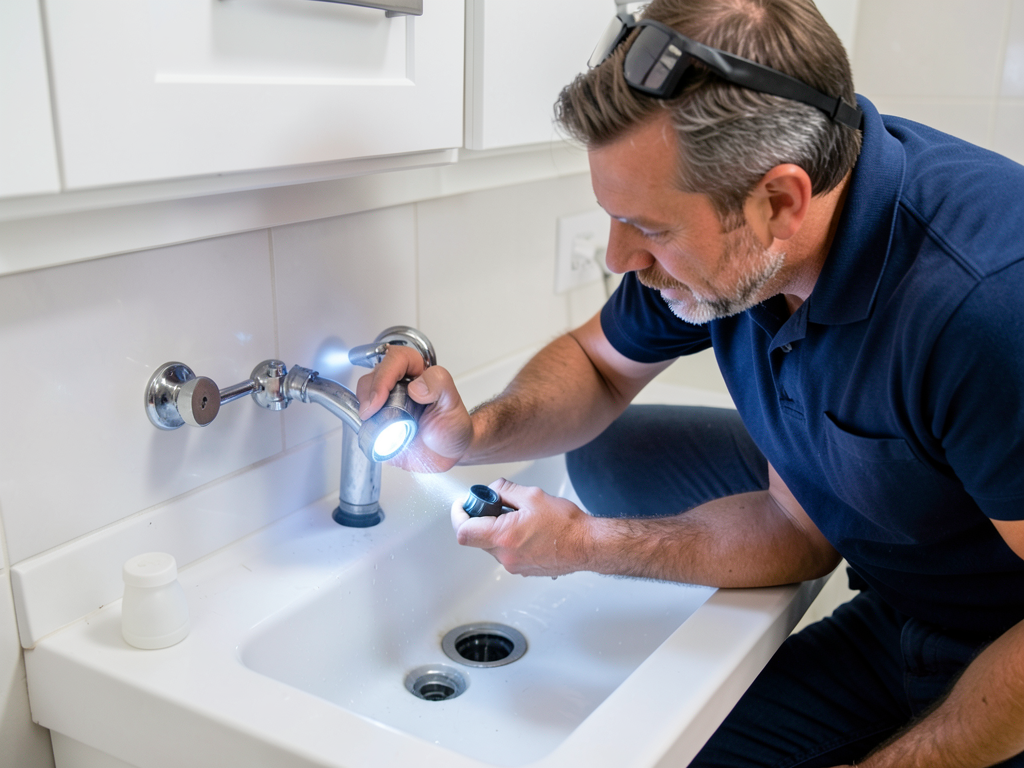
To test your P-traps shine a flashlight down the drain. You should see standing water in the curve. If the trap appears dry pour two cups of water down each drain. For rarely used bathrooms consider adding mineral oil to the water. A thin layer of oil slows evaporation without affecting the seal.
Some Atlanta homes built before 1990 may have older drum traps instead of P-traps. These larger cylinders hold more water but can accumulate sediment. If you have drum traps schedule professional cleaning every two years to prevent blockages and ensure proper gas sealing.
Atlanta-Specific Concerns: Humidity, Sediment, and Seasonal Changes
Roswell’s location along the Chattahoochee River corridor means your home experiences unique plumbing challenges. The river’s influence creates microclimates with higher humidity than surrounding areas. This moisture accelerates pipe corrosion and mold growth in unused bathrooms.. Read more about Plumbing Maintenance Checklist for Frequent Travelers Living in Alpharetta.
Atlanta’s water from the Chattahoochee contains dissolved minerals that leave scale deposits inside pipes. In rarely used bathrooms this scale builds up faster because water sits stagnant allowing minerals to precipitate out. Over time this narrows pipe diameters reducing water flow and creating pressure issues.
Seasonal temperature swings in North Georgia also affect plumbing. While Roswell rarely sees sustained freezing temperatures occasional cold snaps in January or February can cause trapped water in exterior wall pipes to freeze and burst. Guest bathrooms in bonus rooms or over garages are particularly vulnerable because these spaces often lack adequate insulation. Georgia Department of Natural Resources.
Heavy summer rains common in Roswell can overwhelm municipal sewer systems. During these events negative pressure in sewer lines can actually pull water from P-traps creating gas entry points. Homes near low-lying areas or with older plumbing are most susceptible to this phenomenon.
According to the Georgia Environmental Protection Division Atlanta’s water hardness averages 100-150 parts per million. This moderate hardness means scale buildup occurs gradually but consistently. In rarely used bathrooms you might notice white crusty deposits around faucet bases or showerheads within six months of non-use.
Signs of Damage: When to Call an Atlanta Plumbing Professional
Some plumbing issues require professional diagnosis and repair. Watch for these warning signs that indicate your guest bathroom needs expert attention.
Sewer odors are the most obvious indicator of P-trap failure. If you smell rotten eggs or musty odors when entering the guest bathroom the water seal has likely evaporated. This requires immediate attention as sewer gases can be both unpleasant and hazardous to your health.
Water stains on ceilings below guest bathrooms suggest supply line leaks. These often occur at connection points where rubber washers have deteriorated. Atlanta’s building code requires accessible shut-off valves for all fixtures making it easier for plumbers to isolate and repair these leaks.
Gurgling sounds from drains when other fixtures are used indicate partial blockages or venting issues. This happens when air can’t escape through the plumbing vent system properly. In older Roswell homes built before modern venting requirements this is a common problem.
Visible mold growth around fixtures or on walls signals excessive moisture. In Atlanta’s climate mold can establish in 24-48 hours given the right conditions. Black spots around sink bases or green growth in toilet bowls indicate ongoing moisture problems that need professional assessment.
If you notice reduced water pressure when you do use the guest bathroom mineral scale may be restricting flow. A professional plumber can descale pipes and restore proper water flow without the need for costly replacements.
The Atlanta Department of Watershed Management recommends annual inspections for homes with rarely used plumbing fixtures. This inspection should include pressure testing supply lines checking valve operation and inspecting drain systems for proper venting.
Pro Tip: Maintaining the Water Heater and Shut-off Valves
Guest bathrooms often connect to a home’s main water heater even when unused. This creates sediment accumulation that can reduce efficiency and cause premature failure. Atlanta’s hard water means sediment builds up faster than in areas with softer water.
Drain one gallon from your water heater every six months to remove sediment. This simple maintenance task can extend your heater’s life by several years. For tankless water heaters used infrequently run hot water through the guest bathroom fixtures for five minutes monthly to prevent scale buildup in the heat exchanger. Getting Your Tankless Water Heater Fixed Fast in Sandy Springs.
Shut-off valves require special attention in rarely used bathrooms. These quarter-turn valves contain rubber components that degrade without regular use. Exercise each valve monthly by turning it fully clockwise then counterclockwise. If a valve feels gritty or sticks don’t force it as this can break internal components.
Consider installing ball valves instead of standard gate valves in guest bathrooms. Ball valves have fewer moving parts and resist mineral buildup better. They also provide more reliable shut-off when you need to make repairs.
For ultimate protection install water leak detectors near toilets sinks and water heaters. Modern smart detectors can send alerts to your phone if they sense moisture. This early warning system can prevent thousands in water damage from slow leaks that might otherwise go unnoticed for months.
Elite Plumbing Atlanta recommends a comprehensive plumbing inspection for homes with multiple unused bathrooms. Our technicians check for code compliance inspect venting systems and identify potential failure points specific to your home’s age and construction. Call (770) 610-5522 to schedule your inspection before small problems become expensive emergencies.
Frequently Asked Questions
How often should I run water in my unused guest bathroom?
Run water in each fixture for at least 30 seconds weekly. Flush the toilet and let it complete a full cycle. This keeps P-traps full and prevents sewer gas entry.
What causes that musty smell in my guest bathroom?
Musty odors typically indicate mold growth from stagnant water in pipes or P-trap evaporation allowing sewer gases to enter. Both require different solutions so proper diagnosis is important.
Can I use antifreeze in my guest bathroom P-traps during winter?
Never use automotive antifreeze in plumbing systems. If you need freeze protection during extended absences use non-toxic RV antifreeze specifically designed for plumbing applications.
How do I know if my shut-off valves are failing?
Test valves monthly by turning them fully open and closed. Signs of failure include difficulty turning visible corrosion or water seepage when the valve is open.
Should I turn off the water supply to my unused guest bathroom?
Turning off supply lines can prevent major leaks but also causes P-traps to dry out faster. If you choose this option flush all drains with water before turning supply back on.
What’s the best way to prevent mold in an unused bathroom?
Run exhaust fans during and after fixture use keep humidity below 50% and clean surfaces regularly with mold-inhibiting products. Consider a small dehumidifier for very humid periods.
How long can P-traps go without water before sewer gas enters?
In typical conditions P-traps begin losing effectiveness after 10-14 days. In very dry or hot conditions this can reduce to just 3-5 days. Atlanta’s humidity generally extends this timeframe slightly.
Is it worth installing smart water monitors in a guest bathroom?
Yes. Smart water monitors provide early leak detection and can prevent costly water damage. They’re particularly valuable in rarely used spaces where problems might go unnoticed for extended periods.
What building codes apply to guest bathroom plumbing in Roswell?
Roswell follows the Georgia State Minimum Standard Plumbing Code which adopts the International Plumbing Code with Georgia amendments. This requires proper P-trap installation venting and accessible shut-off valves for all fixtures.
How can I tell if my guest bathroom has drum traps instead of P-traps?
Drum traps are larger cylindrical pipes typically 4-6 inches in diameter located under fixtures. They’re common in homes built before 1960. A plumber can confirm your trap type during an inspection.
Don’t wait for plumbing problems to become emergencies. Call (770) 610-5522 today to schedule your guest bathroom plumbing inspection with Elite Plumbing Atlanta. Our experienced technicians will identify potential issues and recommend solutions specific to your home’s needs. Whether you need routine maintenance or emergency repairs we’re ready to protect your Roswell home’s plumbing system. Who to Call for an Emergency Pipe Burst in Buckhead.