
Is a Kitchen Pot Filler Actually Worth the Investment for Your Woodstock Remodel?
A pot filler is one of those kitchen features that looks impressive in a showroom but raises serious questions once you understand the plumbing realities. As an Atlanta plumber who’s installed dozens of these fixtures, I can tell you they’re not a simple luxury upgrade. Plumbing Decatur.
The short answer: pot fillers make sense for serious cooks who regularly prepare large meals, but they come with specific risks every homeowner should understand before committing to the installation. EPA WaterSense program.
How Pot Fillers Work in Real Kitchens
A pot filler is a wall-mounted faucet installed above your stovetop that swings out to fill pots directly on the burners. The concept seems straightforward, but the execution requires careful planning.
The fixture connects to a cold water line through the wall, typically requiring a 1/2-inch supply line with a dedicated shut-off valve. Most residential pot fillers deliver 2.2 to 2.5 gallons per minute, which means filling a large stockpot takes several minutes of running water.
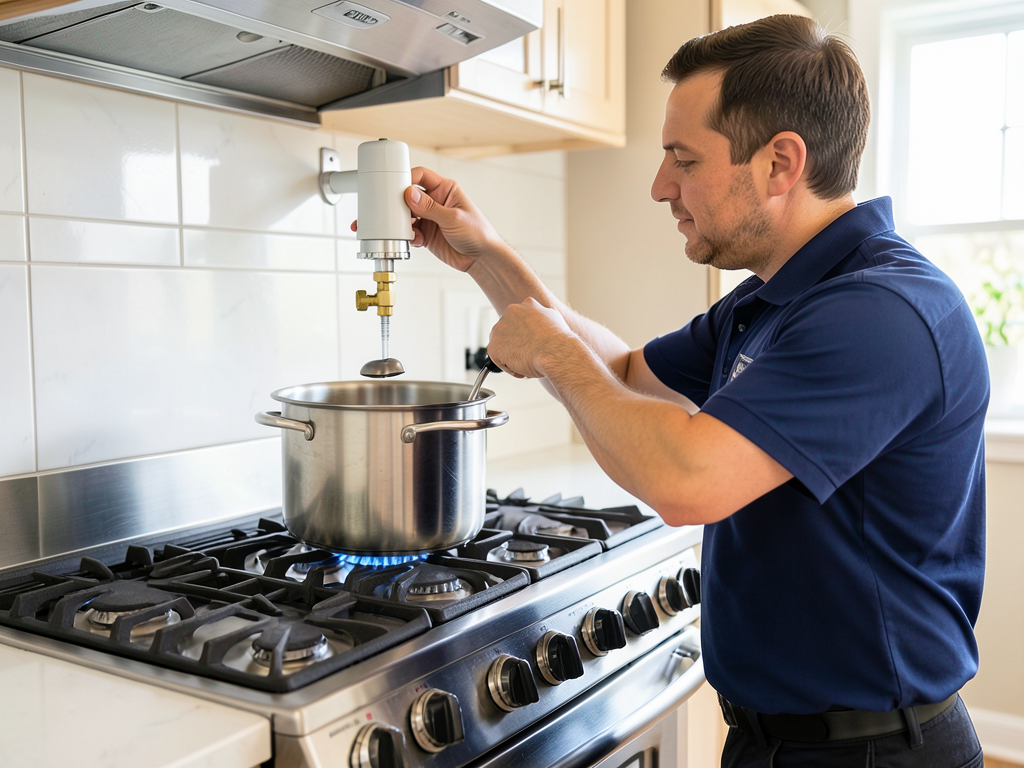
Diagram showing pot filler mounting height, shut-off valve location, and water line routing through wall cavity
The Real Benefits Beyond the Wow Factor
Let me be clear about what pot fillers actually deliver in a working kitchen:. Read more about The Hidden Cost of Moving a Kitchen Sink to a Center Island in Your Buckhead Remodel.
- Reduced heavy lifting – Moving a 20-quart pot filled with water from sink to stove can weigh over 40 pounds. A pot filler eliminates this dangerous transfer.
- Time efficiency – Serious cooks can start water boiling while prepping other ingredients, not walking back and forth to the sink.
- Professional kitchen feel – The visual impact adds to the premium kitchen aesthetic that many Woodstock homeowners want.
- Resale value – In Atlanta’s competitive housing market, high-end kitchen features can differentiate your property.
However, these benefits come with specific considerations that most designers don’t mention.
The Hidden Risks Every Homeowner Should Know
Water damage from a leaking pot filler can cost thousands in repairs, especially when it’s mounted over expensive cabinetry or appliances.
The biggest risk is what plumbers call the “single point of failure.” Unlike a sink faucet that drains into a basin, a pot filler has no secondary containment. If the valve fails while you’re away, water runs directly onto your stovetop and potentially into wall cavities.
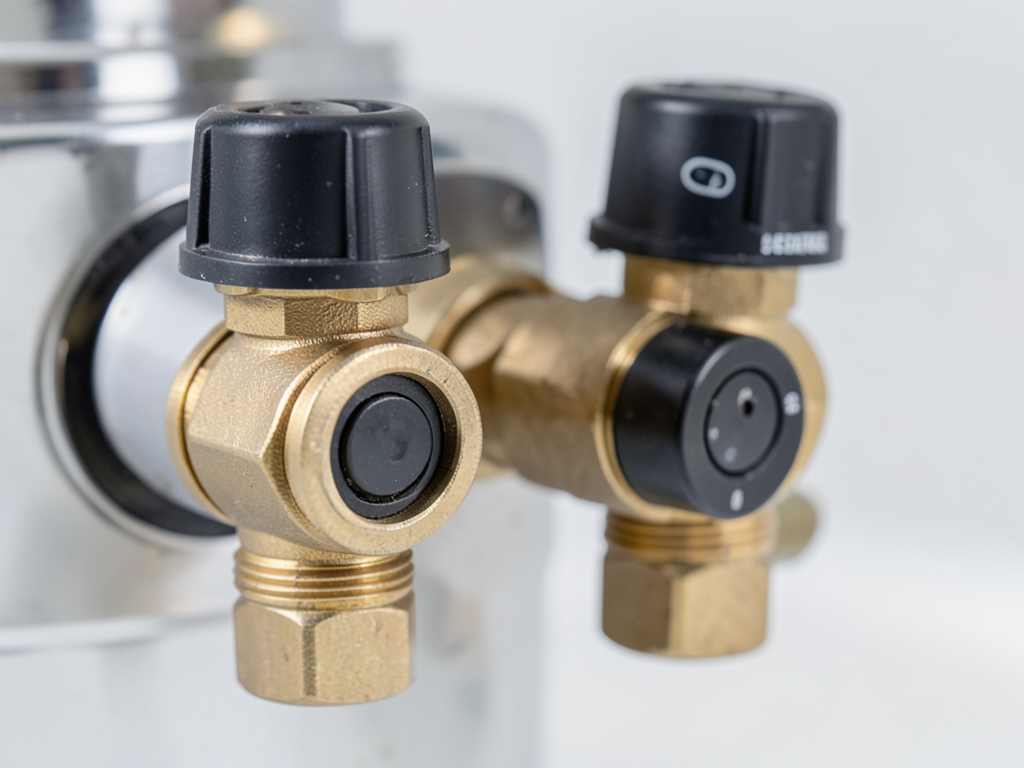
Close-up showing dual shut-off valve configuration and leak detection sensor installation
Based on Georgia plumbing code requirements, we always install a secondary shut-off valve within 6 feet of the fixture. This allows you to isolate the pot filler without shutting off water to your entire kitchen. Plumbing Roswell.
Another overlooked issue is cleaning. The wall-mounted arm collects grease and steam over time, requiring regular maintenance to prevent mineral buildup and maintain appearance.
Atlanta-Specific Installation Requirements
Installing a pot filler in Woodstock requires navigating specific local conditions:
North Georgia’s water contains moderate to high mineral content, which affects valve longevity. We recommend brass construction over cheaper zinc alloys, as the Atlanta water can cause premature corrosion in lower-quality fixtures.. Read more about The Real Difference Between Cheap and Expensive Kitchen Faucets for Your Smyrna Home.
The Georgia State Minimum Standard Plumbing Code requires all wall-mounted kitchen fixtures to have accessible shut-off valves. This means the valve must be reachable without removing wall panels or climbing into attic spaces. Plumbing Kennesaw.
Woodstock homes built before 2000 often have 1/2-inch water supply lines that may not support additional fixtures without pressure drops. We test the existing system pressure before recommending installation.
Cost Breakdown for Woodstock Homeowners
Installation costs in the Atlanta metro area vary significantly based on your home’s existing plumbing configuration:
| Installation Component | Typical Cost Range | Notes |
|---|---|---|
| Premium brass pot filler fixture | $300 – $800 | Higher-end brands with ceramic valves |
| Plumbing rough-in and water line | $450 – $900 | Depends on wall access and distance |
| Secondary shut-off valve installation | $150 – $300 | Code-required safety feature |
| Mounting bracket and wall reinforcement | $100 – $250 | Required for heavy fixtures |
| Total installation cost | $1,000 – $2,250 | Average for typical Woodstock kitchen |
Hidden costs often include backsplash repair if the installation requires cutting into tile, and potential water pressure upgrades if your existing system is marginal.
Who Should Actually Get a Pot Filler
After 15 years installing kitchen fixtures across Atlanta, I can identify when a pot filler makes practical sense:
- Large families who cook pasta, steam vegetables, or prepare soups multiple times per week
- Home chefs who entertain frequently and need efficient meal preparation
- Kitchen remodelers already opening walls for other upgrades, reducing installation complexity
- High-end property owners in Woodstock’s luxury home market where kitchen features impact resale value
You should skip this feature if you rarely cook large meals, have limited kitchen counter space, or cannot afford the potential water damage mitigation costs.
Maintenance and Longevity Considerations
A quality pot filler should last 10-15 years with proper maintenance, but several factors affect longevity in Atlanta homes:
Hard water deposits can seize the swing joint mechanism within 3-5 years without regular cleaning. We recommend monthly wipe-downs with vinegar solution to prevent mineral buildup.
The ceramic cartridge valves in premium fixtures typically last 8-10 years, but cheaper models may need replacement every 3-5 years. The cost difference between fixtures often reflects valve quality, not just finish appearance.
During Atlanta’s occasional winter freezes, the wall cavity where the pot filler mounts can drop below freezing. We install heat tape on supply lines in homes where temperatures regularly fall below 25°F.
Installation Best Practices from Atlanta Plumbers
Over the years, we’ve developed specific protocols for pot filler installations that prevent common failures:
- Mount height verification – We measure your tallest stockpot and add 6 inches to determine optimal mounting height.
- Wall cavity inspection – Before cutting, we use inspection cameras to check for electrical wiring or existing plumbing that could complicate installation.
- Shut-off valve accessibility – We locate the secondary valve where you can reach it without tools, typically inside a nearby cabinet.
- Leak testing protocol – We run the fixture for 15 minutes at full pressure, checking all connections with moisture meters before completing the job.
Technician using moisture meter to test wall cavity after pot filler installation
The Atlanta Verdict: Worth It or Not?
For Woodstock homeowners undergoing kitchen remodels, a pot filler is worth the investment if you meet these criteria:
- You cook meals requiring 6+ quarts of water at least twice weekly
- Your kitchen remodel budget exceeds $30,000
- You’re already modifying plumbing or wall structures
- You understand and accept the maintenance requirements
If these don’t apply, you’re better off investing in a high-quality pot with built-in strainer or a more versatile kitchen upgrade.
The key is understanding that this isn’t just a faucet installation—it’s adding a water outlet in a vulnerable location that requires professional installation and ongoing attention.
Ready to Make Your Decision?
Before you commit to a pot filler installation, let’s discuss your specific kitchen layout and cooking habits. We’ll provide a detailed assessment of your plumbing system’s capacity and identify any potential code compliance issues.
Call (770) 610-5522 today to schedule your kitchen plumbing consultation. We’ll help you determine if a pot filler is the right investment for your Woodstock home or if there are better ways to upgrade your kitchen functionality.
Don’t let an impulse purchase lead to expensive repairs down the road. A professional assessment now can save you thousands in potential water damage and ensure your kitchen remodel meets all local requirements.
Frequently Asked Questions
Does a pot filler need a hot or cold water line?
Most pot fillers connect to cold water lines only. Hot water takes time to reach the fixture, so you’d be running cold water while waiting for hot to arrive. Starting with cold water and heating on the stove is actually more efficient.
How much does it cost to install a pot filler in Atlanta?
Installation costs in the Atlanta metro area typically range from $1,000 to $2,250, depending on your home’s existing plumbing configuration and the quality of the fixture you select. This includes the fixture, plumbing work, and required shut-off valves.
Can I install a pot filler myself?
DIY installation is not recommended due to the risk of water damage and code compliance issues. Professional installation ensures proper shut-off valve placement, leak testing, and adherence to Georgia plumbing codes. The cost of professional installation is minimal compared to potential repair costs from improper installation.
How do I maintain a pot filler to prevent leaks?
Regular maintenance includes monthly cleaning with vinegar solution to prevent mineral buildup, checking valve operation every 6 months, and inspecting supply lines annually for signs of corrosion. Professional inspection every 2-3 years can identify potential issues before they cause damage.
Will a pot filler increase my home’s resale value?
In Atlanta’s luxury home market, high-end kitchen features like pot fillers can differentiate your property and potentially increase resale value. However, the return on investment varies significantly based on your neighborhood, the quality of the installation, and current market conditions. It’s one factor among many that buyers consider. For more information, visit Ohio Plumbing Code requirements.