
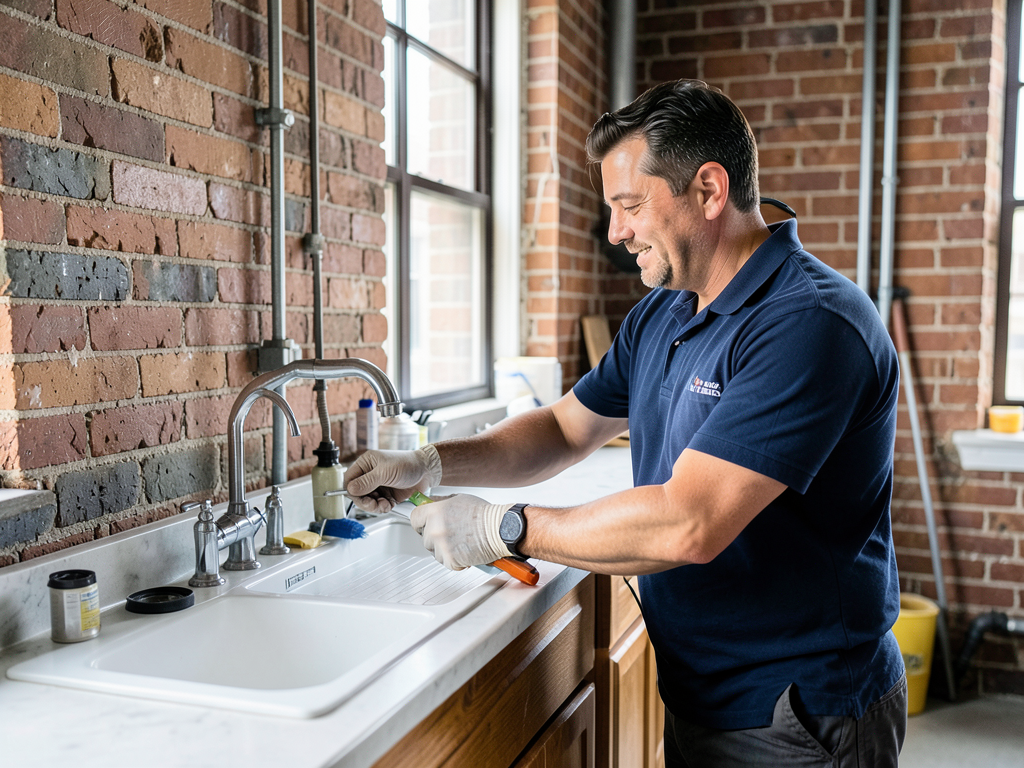
Stopping That Constant Faucet Leak in Your Old Fourth Ward Loft
That persistent drip from your kitchen faucet wastes water and drives up your utility bill. In Old Fourth Ward lofts the combination of older plumbing infrastructure and modern fixtures creates unique challenges that require specific expertise to fix properly. Plumbing Decatur.
The most common cause of constant leaks in loft faucets involves worn internal components. The ceramic disc cartridges found in modern single-handle faucets degrade over time especially when exposed to Atlanta’s mineral-rich water. Another frequent culprit involves the O-ring seal at the base of the spout which hardens and cracks with age. Low Water Pressure Issues.
Old Fourth Ward buildings often contain a mix of original plumbing and newer additions. This creates pressure fluctuations that stress faucet components. The area’s aging galvanized supply lines can also introduce sediment that accelerates wear on moving parts inside your faucet. Plumbing Roswell.
Before attempting any repair identify your faucet type. Most loft kitchens contain either single-handle pull-down or two-handle widespread designs. Each requires different repair approaches and specific replacement parts. Using the wrong cartridge or seal will only lead to another leak in a few weeks.
Common Faucet Leak Types in Old Fourth Ward Lofts
Understanding what type of leak you have helps determine the repair approach. Here are the most frequent issues we see in the neighborhood:
- Drip from the spout when handles are off – usually indicates worn cartridge or valve seat
- Leak at the base of the spout – typically a failed O-ring or worn seal
- Drip from the handle when water is on – suggests loose packing nut or worn stem assembly
- Leak under the sink at supply connections – points to loose fittings or deteriorated supply lines
Old Fourth Ward’s historic buildings many converted from warehouses and factories often have plumbing modifications that create these specific failure patterns. The age of the infrastructure combined with modern water pressure creates stress points that newer construction doesn’t experience. Plumbing Kennesaw.
DIY Quick Fix vs. Professional Repair
Many loft owners attempt DIY repairs to save money. While tightening a loose handle or replacing a visible O-ring proves straightforward deeper issues require professional attention. Here’s when to call for help:
- Simple Visual Issues
If you can see the problem – like a loose handle or visible O-ring – a DIY fix might work. Turn off water supply disassemble carefully and replace the worn part. ASSE International.
- Hidden Internal Problems
When the leak source isn’t visible you’re likely dealing with internal valve issues. These require specific tools and experience to diagnose correctly.
- Multiple Faucet Issues
If several faucets in your loft drip or if you’ve had repeated repairs the problem may involve your water pressure or supply lines. Water Heater Maintenance Tips.
Professional plumbers bring specialized tools like cartridge pullers and seat wrenches that make repairs faster and more reliable. They also carry a wide range of common replacement parts eliminating multiple trips to the hardware store.
Why Old Fourth Ward Faucets Need Special Attention
Old Fourth Ward’s unique building stock creates specific plumbing challenges. Many lofts occupy converted industrial spaces with mixed-age plumbing systems. The neighborhood’s location near downtown Atlanta means higher water pressure than suburban areas which accelerates wear on faucet components.
The area’s clay soil and older foundation types can cause subtle building shifts over time. These movements stress plumbing connections particularly in multi-story loft buildings where supply lines run vertically through walls.
Local water chemistry also plays a role. Atlanta’s water contains minerals that build up on internal faucet components reducing their effectiveness and causing premature wear. This proves especially problematic in buildings with older galvanized pipes that can shed rust particles into the water supply.
According to the Georgia State Minimum Standard Plumbing Code Section 604.1 all plumbing repairs must use materials and methods that meet current standards. This means simply replacing a worn part with another worn part proves insufficient – the repair must bring the installation up to code. Georgia State Minimum Standard Plumbing Code Section 604.1.
Professional Repair Process for Loft Faucets
When you call a professional plumber for your leaking loft faucet here’s what to expect:
- Initial Assessment
The plumber will identify your faucet brand and model check water pressure and inspect visible components for wear or damage.
- Water Supply Shutoff
Before any work begins the water supply to the affected fixture gets shut off at the nearest valve.
- Disassembly and Diagnosis
The faucet gets carefully disassembled to identify the exact cause of the leak. This step often reveals additional issues not visible from the outside.
- Part Replacement
Worn components get replaced with new code-compliant parts. For older faucets this might mean replacing the entire cartridge assembly.
- Testing and Adjustment
After reassembly the plumber tests for leaks checks handle operation and makes any necessary adjustments.
The entire process typically takes 30-90 minutes for a standard repair though complex issues in older loft buildings may require more time.
Cost Factors for Faucet Repair in Old Fourth Ward
Several factors affect the cost of fixing a leaking faucet in your Old Fourth Ward loft:
| Factor | Impact on Cost | Typical Range |
|---|---|---|
| Faucet Brand/Complexity | Higher-end brands need specific parts | $50-200 |
| Access Difficulty | Tight spaces or hard-to-reach valves increase labor | $25-75 |
| Underlying Issues | Water pressure problems or supply line issues add costs | $100-300 |
| Emergency Service | After-hours calls cost more | $75-150 premium |
Most basic faucet repairs in Old Fourth Ward lofts range from $150-350 including parts and labor. This investment prevents water waste and potential water damage to your cabinetry and flooring.
Preventing Future Faucet Leaks
After fixing your current leak take these steps to prevent future issues:
- Install a pressure-reducing valve if your water pressure exceeds 80 psi
- Use a water softener or scale inhibitor to reduce mineral buildup
- Clean aerators every six months to remove sediment
- Address any supply line corrosion before it causes pressure problems
Regular maintenance extends the life of your faucet components and prevents the inconvenience of unexpected leaks. Most manufacturers recommend professional inspection every two years for optimal performance.
When to Replace vs. Repair
Sometimes replacement makes more sense than repair. Consider these factors:
| Factor | Repair | Replace |
|---|---|---|
| Age of Faucet | Under 10 years | Over 15 years |
| Frequency of Issues | First-time problem | Multiple repairs in 2 years |
| Style/Finish | Matches your decor | Outdated or damaged finish |
| Water Efficiency | Meets current standards | Uses excess water |
Modern faucets offer improved water efficiency and better reliability than older models. If your current faucet is over 15 years old replacement might save money long-term through reduced water usage and fewer repairs.
Choosing a Local Plumber for Your Loft
When selecting a plumber for your Old Fourth Ward loft look for these qualifications:
- Georgia Master Plumber license with current credentials
- Experience with loft and historic building plumbing
- Knowledge of local building codes and permit requirements
- Availability for emergency service when needed
Local plumbers understand the specific challenges of Old Fourth Ward’s building stock and can provide solutions tailored to your situation. They’re also familiar with the area’s water supply characteristics and common failure patterns.
Don’t wait for a small drip to become a major problem. Water damage can affect your cabinetry flooring and even the structure of your loft. A quick repair now prevents costly restoration later.
Ready to stop that constant drip? Call (770) 610-5522 today to schedule your faucet repair. Our experienced technicians serve Old Fourth Ward and understand the unique plumbing needs of loft buildings. We’ll diagnose the problem quickly and provide a lasting solution so you can enjoy peace and quiet in your home again.
Frequently Asked Questions
How long does a typical faucet repair take?
Most standard faucet repairs take 30-90 minutes once the plumber arrives. Complex issues or hard-to-access valves may require additional time.
Can I fix a leaky faucet myself?
Simple issues like tightening a handle or replacing a visible O-ring prove DIY-friendly. Internal valve problems require specialized tools and experience for proper repair.
What causes faucets to leak in Old Fourth Ward specifically?
High water pressure mineral-rich water and the age of many loft buildings’ plumbing systems create conditions that accelerate faucet wear in this neighborhood.
Is a dripping faucet really that wasteful?
Yes. A faucet dripping once per second wastes over 3000 gallons per year – enough for 180 showers. Fixing leaks saves water and money.. Read more about Repairing Luxury Shower Fixtures in Ansley Park Homes.
Do you need a permit to repair a faucet?
Simple repairs typically don’t require permits. However if the repair involves modifying supply lines or valves a permit may be required under Georgia plumbing code.