




East Point sits in the red clay belt of Georgia, where expansive soil shifts with seasonal moisture changes. This movement stresses underground sewer lines and creates constant foundation settlement issues. Homes built before 1980 throughout neighborhoods like Ben Hill and Washington Park still contain galvanized steel pipes that corrode from the inside out, reducing water pressure and contaminating water supply.
The city's humid subtropical climate accelerates pipe corrosion and creates ideal conditions for mold growth after even minor leaks. Summer humidity stays above 70 percent for months, meaning any moisture intrusion from leaking supply lines or drain pipes becomes a biological hazard within 48 hours. East Point's position in the Chattahoochee River watershed also means many homes were built on floodplain-adjacent lots where groundwater sits high, creating hydrostatic pressure against basement foundations and floor drains.
Local building codes require backflow prevention devices on all irrigation systems and specific venting configurations for multi-story buildings, but many older East Point properties were grandfathered in before these requirements existed. Professional plumbers familiar with East Point's housing stock understand which systems need upgrading to prevent contamination and maintain proper drainage in Georgia's challenging soil conditions.
Elite Plumbing Atlanta has served Fulton County homes since our founding, building a reputation for honest diagnostics and permanent repairs. We refuse the industry practice of temporary fixes that generate repeat service calls. When we replace a section of corroded pipe, we replace the entire compromised run. When we diagnose a water heater issue, we give you the actual remaining lifespan based on anode rod condition and tank integrity, not a sales pitch.
Our technicians carry commercial-grade video inspection equipment on every truck. Before we excavate your yard or cut into walls, we know exactly what we're dealing with. This saves East Point homeowners thousands in unnecessary demolition and restoration costs. We document everything with timestamped photos and video footage you can keep for insurance claims or future reference.
We maintain relationships with local inspectors and understand Fulton County permit requirements inside out. Our work passes inspection the first time because we follow International Plumbing Code standards and Georgia amendments exactly as written. We pull permits for water heater replacements, gas line installations, and sewer line repairs because cutting corners puts your home and family at risk.
East Point's housing diversity means we work on everything from 1920s bungalows near downtown to new construction near Camp Creek Marketplace. Our training covers traditional plumbing systems and modern PEX installations, cast iron repair and trenchless sewer rehabilitation. We stock parts for American Standard, Kohler, Delta, Moen, and Rheem because those are what we find in East Point homes daily. No waiting days for special orders when your toilet won't stop running or your kitchen sink won't drain.

Our emergency line routes to on-call technicians, not an answering service. When you call about a burst pipe or sewer backup, you speak directly with the plumber who will arrive at your East Point home. Average response time is under 90 minutes for emergencies. We carry pump-out equipment, emergency shutoff tools, and water extraction gear to stop damage immediately.

We show you what we find. Video inspection footage plays on our tablets so you see the root intrusion blocking your sewer line or the corrosion eating through your galvanized pipes. We explain what needs immediate repair versus what can wait. No pressure tactics or manufactured urgency. Just honest assessment of your plumbing system's condition and clear options.
Every installation meets or exceeds International Plumbing Code requirements and Georgia state amendments. We pull proper permits for water heater replacements, gas line work, and sewer repairs. Our technicians maintain current licensing and complete annual continuing education on code updates. Inspectors know our work passes the first time because we follow specifications exactly.
We understand the specific challenges of East Point's housing stock. The cast iron drains in pre-1970 homes corrode differently than modern PVC. The galvanized supply lines in post-war construction fail in predictable patterns. We have replaced hundreds of sewer laterals in red clay soil and know how tree roots from the area's mature oaks infiltrate even small cracks in terra cotta pipes.
Elite Plumbing Atlanta provides full-scope plumbing services from emergency repairs to complete system installations. Our service range covers immediate crisis response for burst pipes and backed-up sewers, routine maintenance to prevent failures, and planned upgrades that improve water quality and efficiency. East Point homes need different approaches depending on age, construction type, and system condition.
Older properties require specialists who understand how galvanized pipes corrode, how cast iron drains fail, and which repairs actually solve problems versus creating new ones. Newer homes need technicians familiar with PEX manifold systems, tankless water heaters, and modern fixture installations. We handle both because East Point contains everything from 1920s Craftsman bungalows to 2020s new construction.
Our service categories reflect how homeowners actually need plumbing contractors. Emergency situations require immediate response and damage control. Scheduled repairs and upgrades allow for planning and proper material selection. System maintenance prevents catastrophic failures and extends equipment lifespan. We structure our services around these natural divisions so you get the right response for your specific situation.
Burst pipes, sewer backups, water heater failures, and gas leaks require immediate professional response. We dispatch within the hour for true emergencies. Our trucks carry pump-out equipment, emergency shutoff tools, pipe repair materials, and water extraction gear. We stop the immediate damage, then develop a permanent repair plan. Common emergency calls include frozen pipe bursts in January cold snaps, main line stoppages during heavy rain events, pressure relief valve failures on aging water heaters, and supply line ruptures in crawlspaces.
East Point's mature tree canopy means root intrusion affects nearly every home with clay or cast iron sewer lines. We use professional drain machines with root-cutting heads, not cheap cable snakes. Video inspection shows exactly where the blockage exists and what caused it. Hydro-jetting removes decades of grease buildup and soap scum that accumulates in older pipes. We clear kitchen drains, bathroom stoppages, main sewer lines, and floor drains. Every drain cleaning includes video documentation showing line condition before and after service.
Aging plumbing systems eventually need complete replacement, not endless repairs. We install new water heaters, replace corroded supply lines, rehabilitate sewer laterals, and upgrade fixtures throughout your home. Repiping projects use PEX or copper depending on your preference and budget. Sewer line replacements include traditional excavation or trenchless pipe bursting depending on site conditions. Water heater installations include proper venting, code-compliant temperature and pressure relief valve placement, and expansion tank installation where required. Every installation includes permit acquisition and final inspection coordination.
East Point's combination of older housing stock, expansive red clay soil, and humid climate creates predictable plumbing failures. Homes built before 1970 contain materials that corrode and fail in specific patterns. The seasonal soil movement from wet winters and dry summers stresses underground pipes. High groundwater levels in low-lying areas near Utoy Creek create constant hydrostatic pressure against basement foundations and floor drains.
Georgia's red clay expands when wet and contracts when dry, shifting by several inches seasonally. This movement cracks rigid sewer lines and pulls apart coupling joints in underground supply lines. Tree roots from East Point's mature oaks and pines seek out moisture, infiltrating even hairline cracks in terra cotta and cast iron pipes. Once roots establish inside drain lines, they trap toilet paper and waste, creating chronic backups that worsen over time.
The area's humidity accelerates corrosion of galvanized steel pipes still present in thousands of East Point homes. These pipes corrode from the inside out, restricting water flow and contaminating water with rust and mineral deposits. Cast iron drain lines develop pinhole leaks and separation at hubbed joints after 50-70 years of service. These are not maintenance issues but end-of-life failures requiring replacement.
Homes built before 1970 throughout East Point contain galvanized steel supply pipes that corrode internally after 40-50 years. Rust accumulation restricts water flow, causing weak pressure at fixtures. The corrosion process releases iron and zinc into your water supply, creating brown discoloration and metallic taste. Complete repiping with PEX or copper is the only permanent solution once galvanized pipes start failing.
Oak and pine roots infiltrate terra cotta and cast iron sewer lines through joints and cracks, seeking moisture and nutrients. Once established, roots trap waste and toilet paper, creating recurring blockages. Temporary drain cleaning provides brief relief but roots regrow within months. Video inspection shows the extent of root infiltration and whether pipe repair or full replacement is necessary to solve the problem permanently.
Georgia's hard water accelerates sediment buildup inside water heater tanks, reducing efficiency and causing premature failure. Most tank-style heaters last 8-12 years before developing leaks or losing heating capacity. Warning signs include rusty water from hot taps, rumbling sounds during heating cycles, and moisture around the tank base. Proactive replacement before catastrophic failure prevents water damage to flooring and adjacent walls.
Homes built on concrete slabs throughout East Point develop supply line leaks beneath the foundation when copper pipes corrode or connections fail. Symptoms include unexplained water bills, warm spots on floors, or the sound of running water when all fixtures are off. Professional leak detection using acoustic equipment and thermal imaging locates the exact failure point, minimizing demolition and repair costs for this serious problem.
Your experience with Elite Plumbing Atlanta starts with direct communication and ends with verified system performance. We answer emergency calls immediately and schedule routine work within your availability. Our technicians arrive in marked trucks with your scheduled service details already loaded on their tablets. They wear shoe covers in your home and lay protective coverings in work areas.
Every service call starts with clear diagnosis. We explain what we find, show you evidence through photos or video, and outline your options with transparent pricing. You decide which repairs to authorize based on complete information, not sales pressure. Emergency situations require immediate action, but we still explain what failed and why before we start repairs.
Our work meets code requirements and passes inspection the first time. We clean up completely, removing all debris and materials from your property. Before we leave, we verify proper system operation and explain what we did. You receive itemized documentation showing parts used, labor performed, and warranty coverage. For major installations requiring permits, we coordinate all inspections and provide final approval documentation for your records.
Our emergency line connects you directly to on-call technicians, not answering services or call centers. When you describe your plumbing problem, you speak with the licensed plumber who will arrive at your home. We provide accurate arrival time estimates and text you when our truck is 15 minutes away. For scheduled appointments, we confirm the day before and call when we are en route. No vague four-hour windows or no-shows.
We investigate the root cause, not just symptoms. Slow drains get video inspection to determine if the problem is a localized clog or deteriorated pipe. Low water pressure triggers testing to differentiate between restricted fixtures and corroded supply lines. We show you what our cameras and testing reveal, then explain which repairs actually solve your problem. You receive options ranging from temporary fixes to permanent solutions with honest pros and cons for each approach.
We test every repair under operating conditions. Drain cleaning includes running water through the line to verify complete clearance. Water heater installations include full heat cycle testing and temperature verification. Leak repairs undergo pressure testing before we close walls or backfill excavations. You watch the system operate correctly before we pack our tools. If something does not perform as expected after we leave, we return immediately to make it right.
We structure our service process around efficiency and transparency. You know what to expect at each phase from initial contact through completed repair and system verification.
Emergency calls trigger immediate technician notification. Our dispatcher contacts the closest available plumber and provides your address and problem description. You receive a text with technician name, truck number, and estimated arrival time. For scheduled work, we confirm your appointment window and arrive within that timeframe. We call 15 minutes before arrival so you are not waiting by the door.
Our technician assesses your plumbing system using appropriate diagnostic tools including video cameras, pressure gauges, and leak detection equipment. We show you exactly what we found and explain the problem in plain language. You receive written estimates for recommended repairs with parts and labor itemized separately. We answer your questions and start work only after you approve the scope and cost.
Repairs proceed according to code requirements using quality materials. We test everything under operating conditions before declaring work complete. You receive documentation showing what we did, what parts we installed, and warranty coverage details. For permitted work, we coordinate inspection scheduling and provide final approval documents. Your system operates correctly when we leave, or we stay until it does.
East Point enforces the International Plumbing Code as amended by Georgia state regulations and Fulton County modifications. These codes govern everything from minimum pipe sizing to proper venting configurations, water heater installation requirements, and backflow prevention standards. Understanding code requirements matters because non-compliant work creates liability during home sales and puts your family at risk.
Water heater installations require temperature and pressure relief valve discharge piping terminating within six inches of floor level or draining to an approved location. The discharge pipe must be rigid material like copper or CPVC, sized to match the relief valve outlet, and terminate where discharge will not create injury or property damage. Expansion tanks are required on closed water systems where a pressure-reducing valve or backflow preventer prevents thermal expansion relief back into the municipal supply.
Drain, waste, and vent systems follow specific sizing and slope requirements. Main building drains must maintain minimum quarter-inch-per-foot slope to prevent solids accumulation. Vent pipes must terminate through the roof at least six inches above the surface and ten feet horizontally from any window, door, or air intake. Every plumbing fixture requires proper venting to prevent trap siphonage and allow drainage at design flow rates.
Gas line installations in East Point require permits and pressure testing before activation. Black iron or corrugated stainless steel tubing are approved materials, sized according to total BTU load and pipe length. All installations require sediment traps immediately upstream of appliances and proper appliance connector selection based on whether the installation is in conditioned or unconditioned space. We test every gas installation to 15 PSI for 15 minutes minimum before requesting inspection approval.
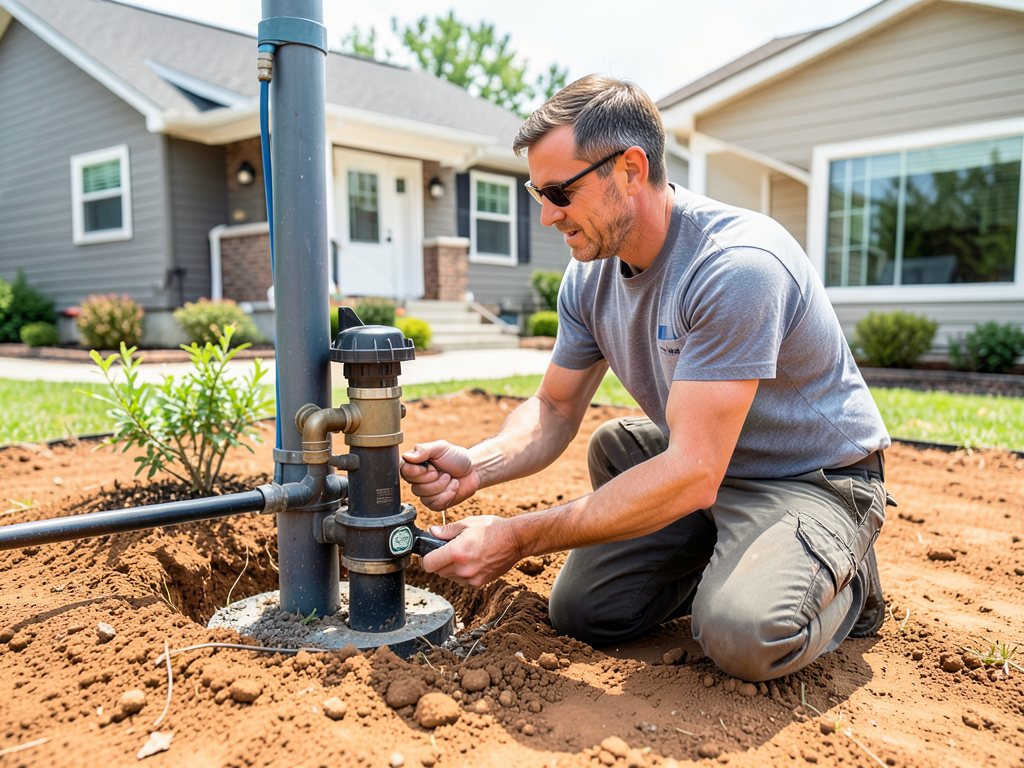
Backflow prevention requirements depend on usage. All irrigation systems require atmospheric vacuum breakers or pressure vacuum breakers depending on whether they are under constant pressure. Commercial properties and multi-family buildings often require reduced pressure zone devices on main water services. Swimming pool fill lines need specific backflow prevention based on pool chemistry management methods.
Fulton County requires permits for water heater replacements, gas line installations, sewer line repairs, and complete repiping projects. Permit applications include materials specifications, installation diagrams, and contractor license verification. Inspections occur at rough-in stage before concealment and at final completion. Non-permitted work discovered during home sales must be brought to code compliance before closing, often at significant expense.
Supply line materials include copper, PEX, and CPVC. Copper provides 50-plus year lifespan but costs more and requires skilled soldering. PEX offers easier installation, fewer joints, and similar longevity at lower cost. CPVC is code-compliant but brittle in cold weather. Drain line materials include PVC, cast iron, and ABS. PVC dominates modern installations for its durability, cost-effectiveness, and ease of installation.
Emergency repairs typically complete same-day once parts are sourced. Water heater replacements take four to six hours including permit acquisition and installation. Complete repiping requires three to five days depending on home size and access conditions. Sewer line replacements take two to four days for traditional excavation, one to two days for trenchless methods. All timelines assume normal site conditions and material availability.
Manufacturer warranties cover water heaters, fixtures, and components according to each manufacturer's terms. Our labor warranty covers workmanship for a minimum of one year from installation date. Drain cleaning carries a 30-day guarantee against recurrence of the same blockage at the same location. Any failure of materials or workmanship during warranty periods receives immediate attention at no additional charge.
Licensed plumbers explain common plumbing problems affecting East Point, Georgia homes including corroded galvanized pipes, root-damaged sewer lines, and water heater failures. Video includes inspection footage from local properties, code requirements for Fulton County, and diagnostic techniques for identifying hidden leaks. Covers material options for repiping, sewer rehabilitation methods, and realistic repair timelines for East Point's housing stock.
Elite Plumbing Atlanta serves every neighborhood throughout East Point and adjacent Fulton County communities. Our service area extends from the historic downtown district near Main Street and White Way through the residential areas surrounding Jefferson Park and Sykes Park. We regularly work in Ben Hill, Washington Park, and the neighborhoods along Headland Drive where mid-century ranch homes contain aging plumbing systems requiring attention.
The older housing stock near East Point MARTA station and throughout the Jefferson Park area includes many homes built in the 1940s and 1950s with original galvanized supply lines and cast iron drains. These properties require specialists familiar with repiping techniques that minimize wall damage while replacing corroded pipes. We have completed hundreds of replumb projects in these neighborhoods and understand the typical layouts and challenges.
Properties near Camp Creek Marketplace and along Washington Road represent newer construction with modern PEX plumbing and PVC drains. These homes face different issues including installation defects, settling foundation stress on rigid connections, and fixture failures from builder-grade components. Our technicians handle warranty work and post-construction issues that arise in East Point's newer developments.
The College Park border area along Conley Road and Dodson Drive contains a mix of commercial and residential properties where we service everything from single-family homes to small apartment complexes. Multi-family buildings require different approaches for drain cleaning, water heater sizing, and emergency repairs that minimize impact on multiple residents.
East Point's position near Hartsfield-Jackson Atlanta International Airport means many properties sit in areas with high water tables and soil that stays saturated during rainy periods. Homes near Utoy Creek and other drainage corridors face chronic challenges with groundwater infiltration into sewer lines and hydrostatic pressure against basement foundations. We use trenchless repair methods where appropriate to rehabilitate sewer laterals without extensive excavation in these challenging soil conditions.
Our service extends beyond East Point proper into adjacent communities including College Park, Hapeville, and southwest Atlanta neighborhoods. This coverage area means we stay busy in your immediate area daily. When you call, we are already working nearby and can respond faster than companies dispatching from across the metro area.
Local plumbers in East Point typically charge between $75 and $150 per hour, depending on the complexity of the job and the time of day. Emergency calls after hours, weekends, or holidays often carry premium rates. Experienced master plumbers command higher rates than apprentices. The cost also varies based on whether it's a simple repair like a leaky faucet or a complex installation requiring permits. Always ask for the hourly rate upfront and whether there's a minimum charge. Most East Point plumbers bill in 15-minute increments after the first hour.
Most plumbers in East Point charge a service call fee ranging from $50 to $150 just to show up and diagnose the problem. This fee typically covers the first 30 minutes to an hour and includes the initial assessment. Many plumbers waive this fee if you proceed with the repair. The charge accounts for fuel, vehicle maintenance, and diagnostic time. Emergency callouts during nights or weekends often double this base fee. Always confirm whether the service call fee applies toward the total repair cost before scheduling.
Watch for these red flags in East Point. A plumber who refuses to provide a written estimate before starting work may inflate costs later. Be cautious if they push unnecessary replacements instead of repairs or diagnose problems without proper inspection. Legitimate plumbers explain what they found and why specific work is needed. Check if their quote includes itemized parts and labor. Compare quotes from multiple plumbers. If someone quotes significantly higher than others without clear justification, ask questions. Reputable plumbers carry proper licensing and insurance documentation.
Local plumbers in East Point typically charge between $75 and $150 per hour, depending on the complexity of the job and the time of day. Emergency calls after hours, weekends, or holidays often carry premium rates. Experienced master plumbers command higher rates than apprentices. The cost also varies based on whether it's a simple repair like a leaky faucet or a complex installation requiring permits. Always ask for the hourly rate upfront and whether there's a minimum charge. Most East Point plumbers bill in 15-minute increments after the first hour.
Most plumbers in East Point charge a service call fee ranging from $50 to $150 just to show up and diagnose the problem. This fee typically covers the first 30 minutes to an hour and includes the initial assessment. Many plumbers waive this fee if you proceed with the repair. The charge accounts for fuel, vehicle maintenance, and diagnostic time. Emergency callouts during nights or weekends often double this base fee. Always confirm whether the service call fee applies toward the total repair cost before scheduling.
Watch for these red flags in East Point. A plumber who refuses to provide a written estimate before starting work may inflate costs later. Be cautious if they push unnecessary replacements instead of repairs or diagnose problems without proper inspection. Legitimate plumbers explain what they found and why specific work is needed. Check if their quote includes itemized parts and labor. Compare quotes from multiple plumbers. If someone quotes significantly higher than others without clear justification, ask questions. Reputable plumbers carry proper licensing and insurance documentation.
A good plumber in East Point shows up on time, carries proper licensing, and provides references from local customers. They explain the problem clearly without using scare tactics and offer options rather than pushing the most expensive solution. Check online reviews on Google and verify they carry liability insurance. Quality plumbers diagnose before quoting, use clean drop cloths, and clean up after finishing. They should answer your questions patiently and provide warranties on their work. Ask neighbors in your East Point neighborhood for recommendations based on actual experience.
Hidden costs often surprise East Point homeowners. Permit fees for major work can add several hundred dollars. If your plumber discovers corroded pipes behind walls during a simple repair, opening drywall and patching adds expense. Older homes may require code upgrades when doing any major plumbing work. Weekend and after-hours emergency rates typically cost 50 to 100 percent more. Some plumbers charge separately for disposal fees, especially during water heater replacements. Always ask for a complete written estimate that includes potential additional costs before work begins.
Get at least three written quotes from East Point plumbers for comparison leverage. Ask if they offer senior or military discounts. Bundling multiple repairs in one visit often reduces the per-job cost. Consider scheduling non-emergency work during regular business hours to avoid premium rates. Some plumbers offer seasonal promotions or financing options. Be direct about your budget constraints and ask if they can suggest cost-saving alternatives. However, choosing solely based on the lowest price often backfires. Focus on fair value rather than rock-bottom pricing to ensure quality work.
Plumbing a new 2000 square foot house in East Point typically costs between $8,000 and $15,000, depending on the number of bathrooms, fixture quality, and layout complexity. Homes with multiple stories or complex designs cost more due to additional labor and materials. This estimate includes rough-in plumbing, water lines, drain lines, vent stacks, and fixture installation. Luxury fixtures, gas lines, or outdoor irrigation systems increase costs significantly. East Point building codes may require specific materials or backflow prevention devices. Get detailed quotes from licensed plumbers familiar with local permit requirements.
Practices vary among East Point plumbers. Some charge a flat diagnostic fee that applies toward the repair if you hire them. Others provide free quotes for straightforward jobs but charge for complex diagnostics requiring specialized equipment or extensive time. Emergency visits almost always include a service call fee. For major projects like whole-house repiping or bathroom renovations, most plumbers offer free estimates. Always clarify the quote policy when scheduling. Paying for a thorough diagnostic from an experienced plumber often prevents costly misdiagnoses and ensures accurate repair estimates.
Dripping faucets and running toilets top the list in East Point homes. These simple repairs waste hundreds of gallons monthly and drive up water bills. Clogged drains rank second, often caused by hair, grease, or foreign objects. Leaky pipe joints under sinks are extremely common, especially in older homes where connections corrode or loosen over time. Water heater issues, including sediment buildup and faulty pressure relief valves, frequently require professional attention. The high mineral content in some East Point water supplies accelerates fixture wear and mineral deposits in pipes and appliances.
It depends on the pipe's age, material, and damage extent. Repairing a small section of accessible pipe costs less initially but may be temporary if surrounding pipes are deteriorating. Older galvanized or polybutylene pipes throughout your East Point home often justify full replacement to prevent recurring failures. Replacing visible sections while leaving corroded pipes behind walls just delays inevitable problems. For homes over 50 years old, full replacement often proves more cost-effective long-term. A reputable plumber will inspect your entire system and recommend the most practical solution based on your home's specific condition and your budget.
A good plumber in East Point shows up on time, carries proper licensing, and provides references from local customers. They explain the problem clearly without using scare tactics and offer options rather than pushing the most expensive solution. Check online reviews on Google and verify they carry liability insurance. Quality plumbers diagnose before quoting, use clean drop cloths, and clean up after finishing. They should answer your questions patiently and provide warranties on their work. Ask neighbors in your East Point neighborhood for recommendations based on actual experience.
Hidden costs often surprise East Point homeowners. Permit fees for major work can add several hundred dollars. If your plumber discovers corroded pipes behind walls during a simple repair, opening drywall and patching adds expense. Older homes may require code upgrades when doing any major plumbing work. Weekend and after-hours emergency rates typically cost 50 to 100 percent more. Some plumbers charge separately for disposal fees, especially during water heater replacements. Always ask for a complete written estimate that includes potential additional costs before work begins.
Get at least three written quotes from East Point plumbers for comparison leverage. Ask if they offer senior or military discounts. Bundling multiple repairs in one visit often reduces the per-job cost. Consider scheduling non-emergency work during regular business hours to avoid premium rates. Some plumbers offer seasonal promotions or financing options. Be direct about your budget constraints and ask if they can suggest cost-saving alternatives. However, choosing solely based on the lowest price often backfires. Focus on fair value rather than rock-bottom pricing to ensure quality work.
Plumbing a new 2000 square foot house in East Point typically costs between $8,000 and $15,000, depending on the number of bathrooms, fixture quality, and layout complexity. Homes with multiple stories or complex designs cost more due to additional labor and materials. This estimate includes rough-in plumbing, water lines, drain lines, vent stacks, and fixture installation. Luxury fixtures, gas lines, or outdoor irrigation systems increase costs significantly. East Point building codes may require specific materials or backflow prevention devices. Get detailed quotes from licensed plumbers familiar with local permit requirements.
Practices vary among East Point plumbers. Some charge a flat diagnostic fee that applies toward the repair if you hire them. Others provide free quotes for straightforward jobs but charge for complex diagnostics requiring specialized equipment or extensive time. Emergency visits almost always include a service call fee. For major projects like whole-house repiping or bathroom renovations, most plumbers offer free estimates. Always clarify the quote policy when scheduling. Paying for a thorough diagnostic from an experienced plumber often prevents costly misdiagnoses and ensures accurate repair estimates.
Dripping faucets and running toilets top the list in East Point homes. These simple repairs waste hundreds of gallons monthly and drive up water bills. Clogged drains rank second, often caused by hair, grease, or foreign objects. Leaky pipe joints under sinks are extremely common, especially in older homes where connections corrode or loosen over time. Water heater issues, including sediment buildup and faulty pressure relief valves, frequently require professional attention. The high mineral content in some East Point water supplies accelerates fixture wear and mineral deposits in pipes and appliances.
It depends on the pipe's age, material, and damage extent. Repairing a small section of accessible pipe costs less initially but may be temporary if surrounding pipes are deteriorating. Older galvanized or polybutylene pipes throughout your East Point home often justify full replacement to prevent recurring failures. Replacing visible sections while leaving corroded pipes behind walls just delays inevitable problems. For homes over 50 years old, full replacement often proves more cost-effective long-term. A reputable plumber will inspect your entire system and recommend the most practical solution based on your home's specific condition and your budget.
Elite Plumbing is conveniently located to serve the greater Atlanta area. Whether you're looking to visit our office, need to understand our service radius, or simply want to know where we're based, our map provides a clear visual. We pride ourselves on being accessible to all our clients, ensuring prompt and efficient service delivery across the region for all your plumbing needs.
Address:
East Point, GA, 30344
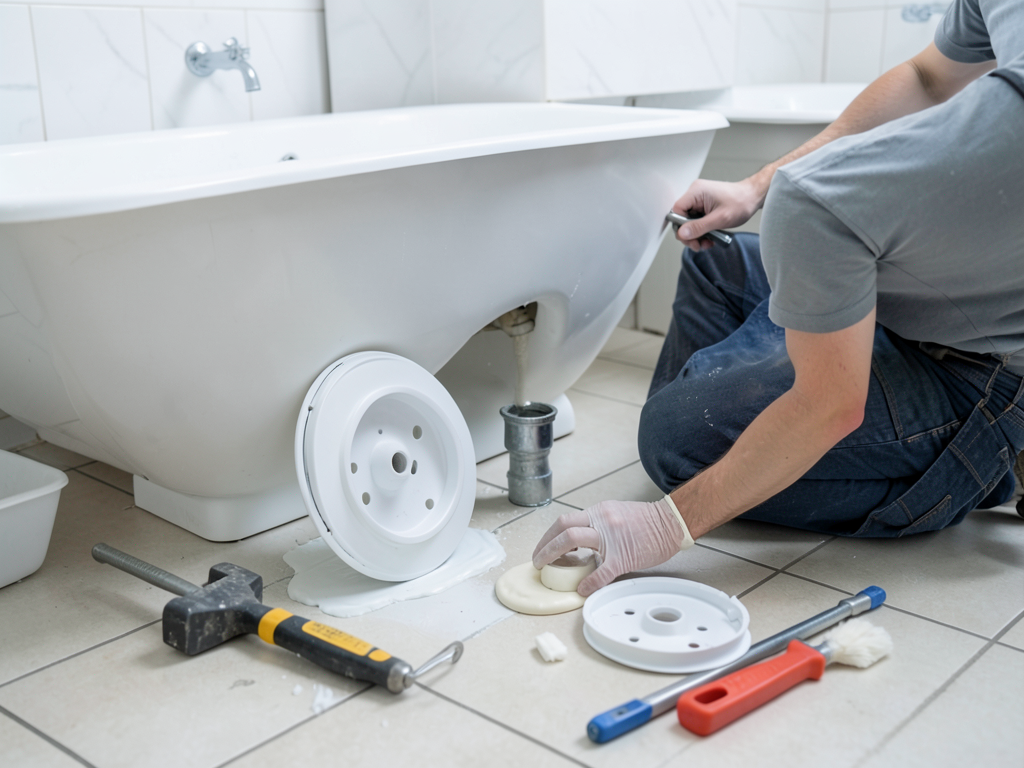
How to Identify and Fix a Leaking Bathtub Overflow Pipe in Your South Fulton Home Water stains on your ceiling below the bathroom usually mean trouble. If you notice peeling paint or a musty smell…
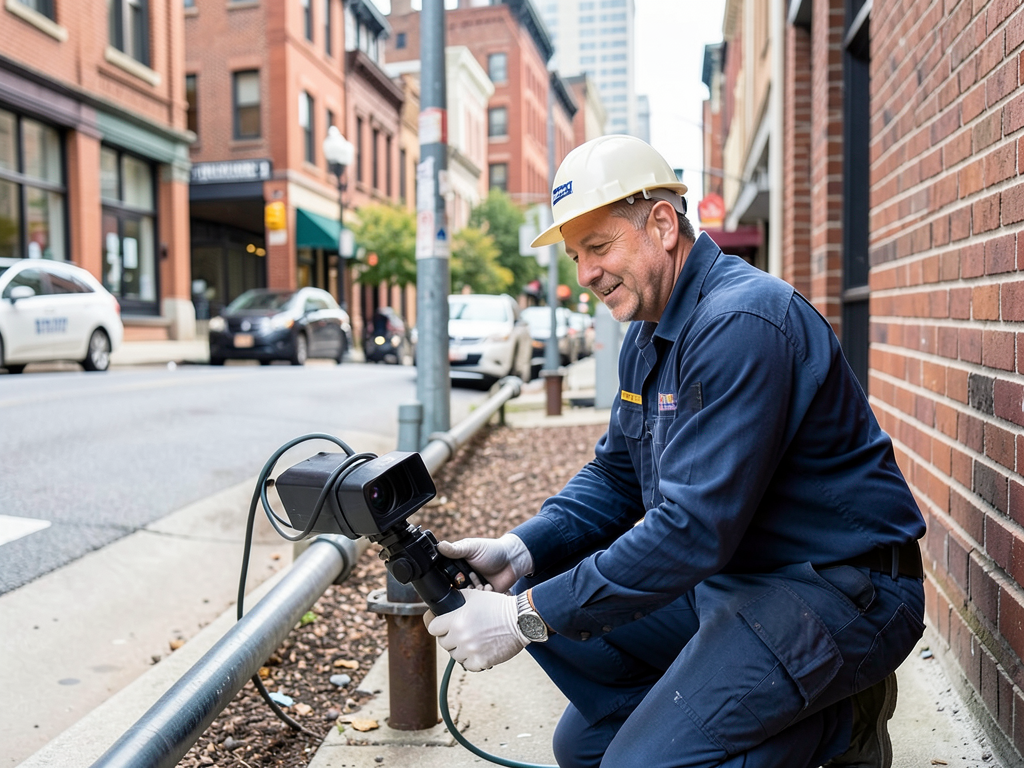
What Every Midtown Homeowner Should Know About Shared Sewer Laterals Living in Midtown Atlanta means…
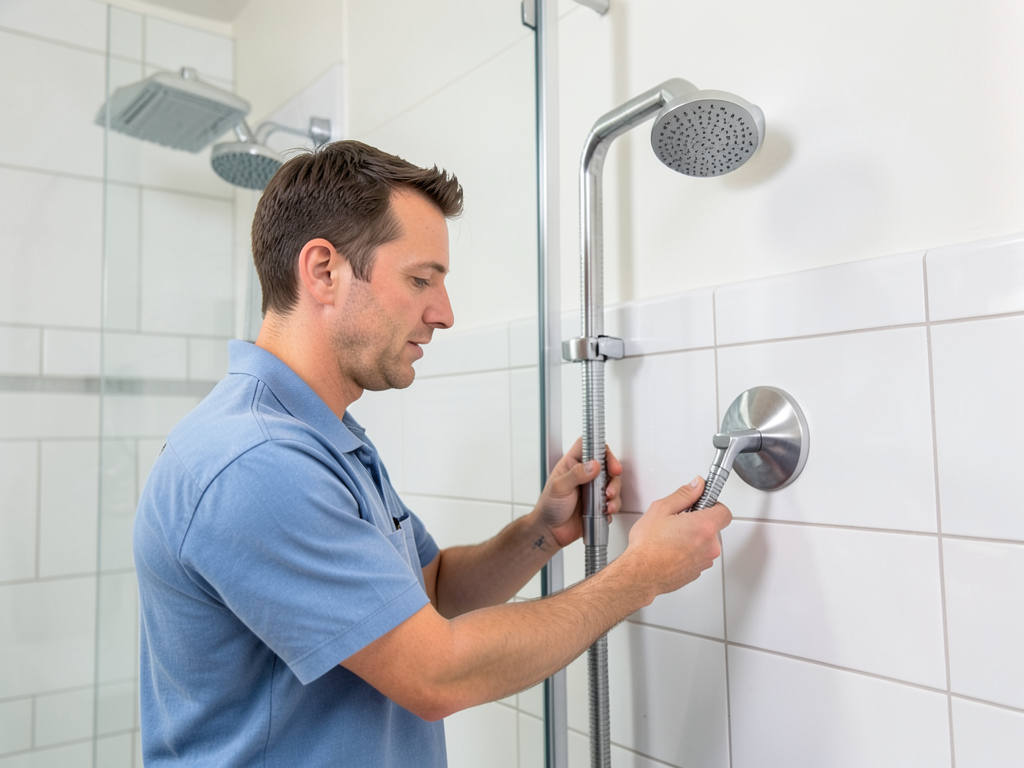
Choosing a High Performance Showerhead That Still Meets Georgia Water Flow Standards Looking for a…
Why Your New Milton Home Needs a Dedicated Backflow Preventer for the Irrigation System Every…
Plumbing problems get worse when you wait. Elite Plumbing Atlanta responds immediately to emergency calls and schedules routine work at your convenience. Call (770) 610-5522 now for same-day service throughout East Point.