



Menu

Storm Drain Cleaning & Repair in Atlanta – Prevent Flooding and Keep Your Business Operating

Professional commercial catch basin cleaning and parking lot drain repair that minimizes downtime and protects your property from stormwater damage in the greater Atlanta metro area.

Slider Image 1
Slider Image 2
Slider Image 3
Slider Image 4
Slider Image 5
Slider Image 7
Slider Image 8
Slider Image 9
Slider Image 10
Slider Image 11

Why Atlanta's Heavy Rainfall Makes Storm Drain Maintenance Critical for Commercial Properties

Atlanta receives an average of 50 inches of rain annually, with intense summer thunderstorms delivering several inches in just hours. When your commercial property's storm drains fail, the consequences hit your bottom line immediately. Flooded parking lots turn away customers. Standing water creates slip hazards that expose you to liability. Water infiltration damages inventory and equipment.

The red clay soil common throughout the metro area compounds the problem. This dense, erosion-prone material washes into catch basins during heavy rain, creating stubborn blockages that standard maintenance overlooks. Add in the leaves from Atlanta's tree canopy and debris from high-traffic areas, and you have a perfect recipe for system failure.

Commercial properties face unique drainage challenges. Shopping centers, office complexes, and industrial facilities generate runoff from thousands of square feet of impervious surfaces. Your storm sewer maintenance cannot follow a residential schedule. A clogged catch basin at a retail location on a Saturday means lost revenue. A flooded loading dock halts operations.

Many property managers discover drainage problems only after water backs up during a storm. By then, you are managing an emergency instead of preventing one. Sediment accumulation reduces drain capacity gradually. Tree roots infiltrate underground lines. Structural damage from shifting soil goes undetected until collapse occurs.

Regular stormwater drain cleaning services prevent these scenarios. Professional parking lot drain repair addresses problems before they escalate into business interruptions. The question is not whether your drainage system needs attention, but whether you will address it proactively or reactively.

Why Atlanta's Heavy Rainfall Makes Storm Drain Maintenance Critical for Commercial Properties
How Professional Storm Drain Cleaning Protects Your Commercial Investment

How Professional Storm Drain Cleaning Protects Your Commercial Investment

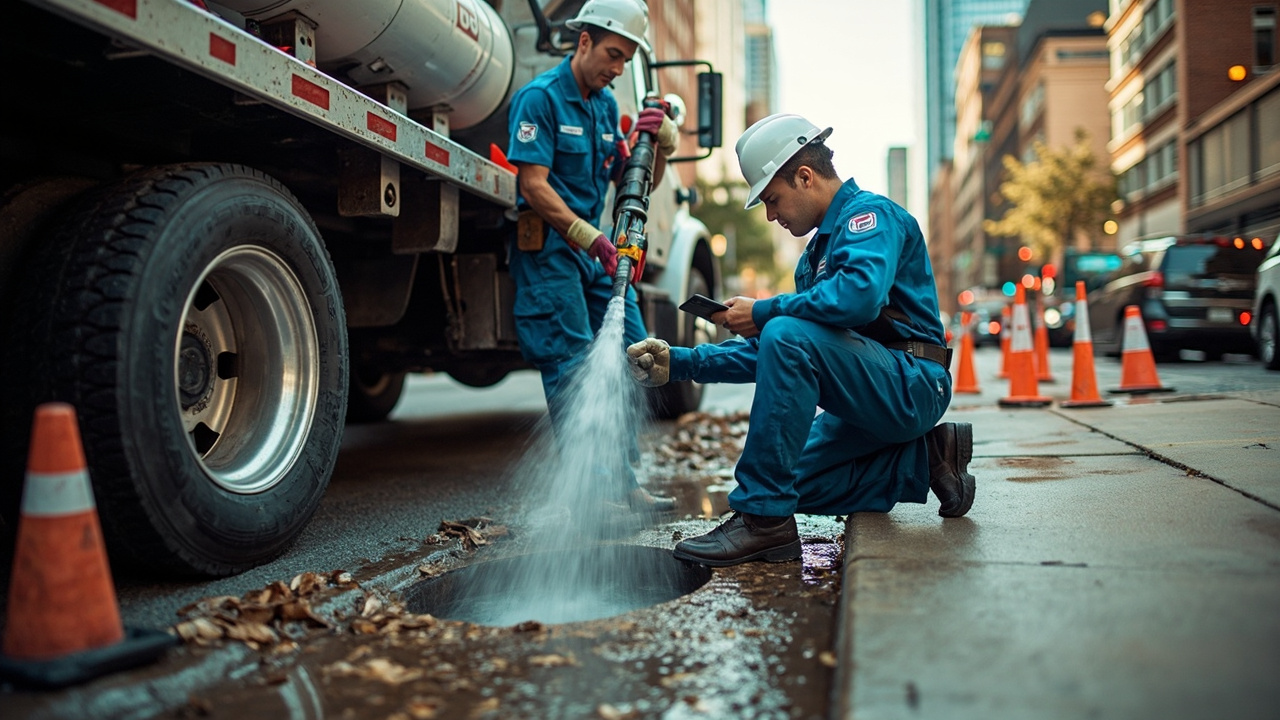
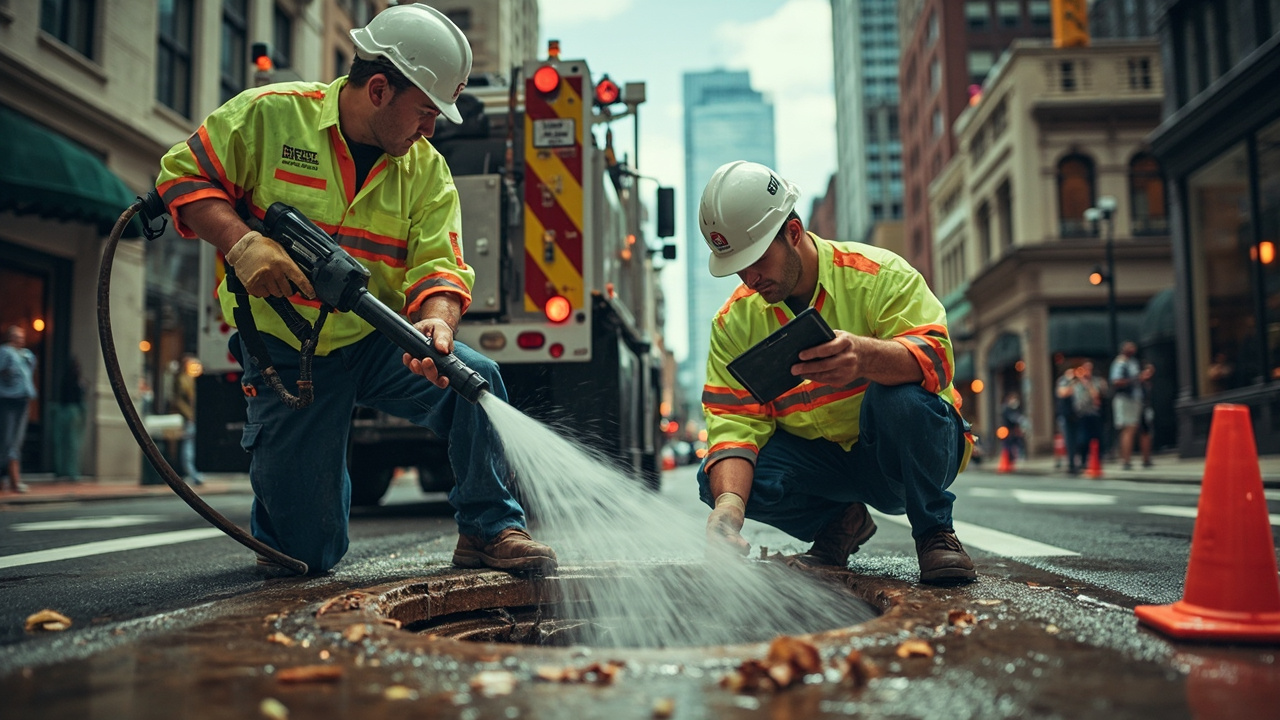
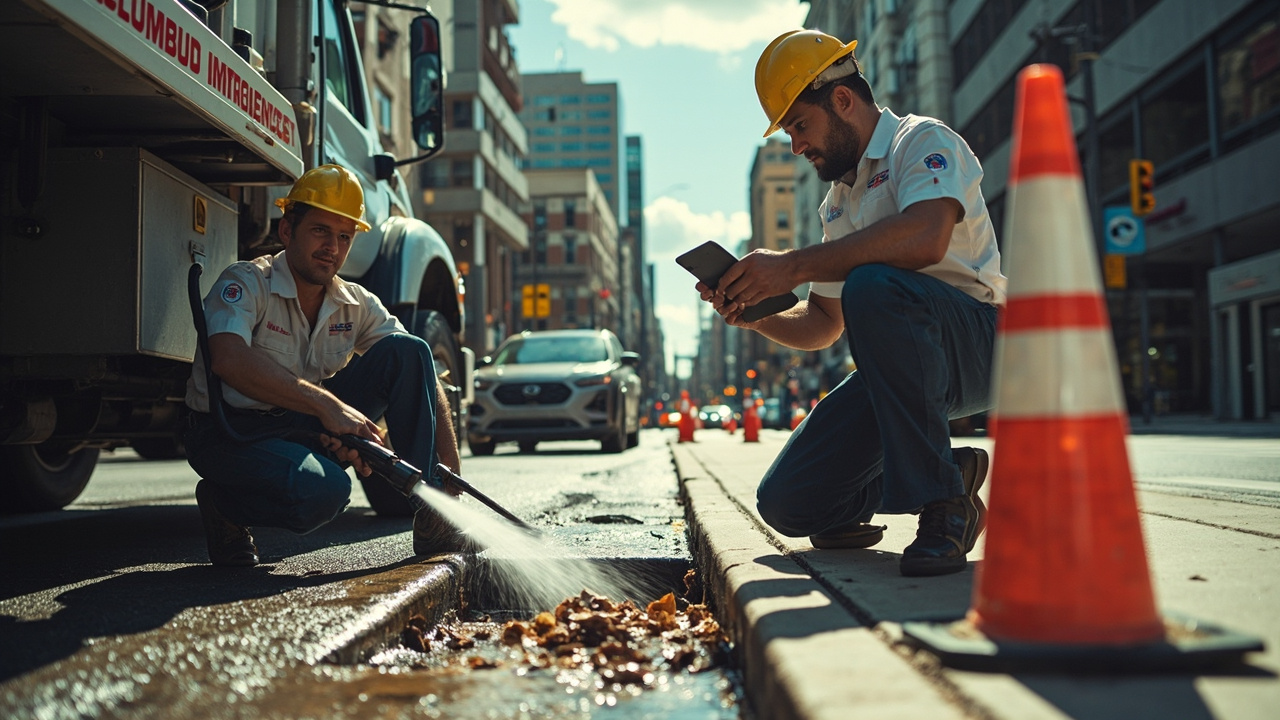
Effective commercial catch basin cleaning requires specialized equipment and technical knowledge. We deploy truck-mounted hydro-jetting systems that deliver up to 4000 PSI of pressurized water to scour pipes clean. This removes the compacted clay sediment and organic debris that clogs Atlanta storm drains, not just the surface material.

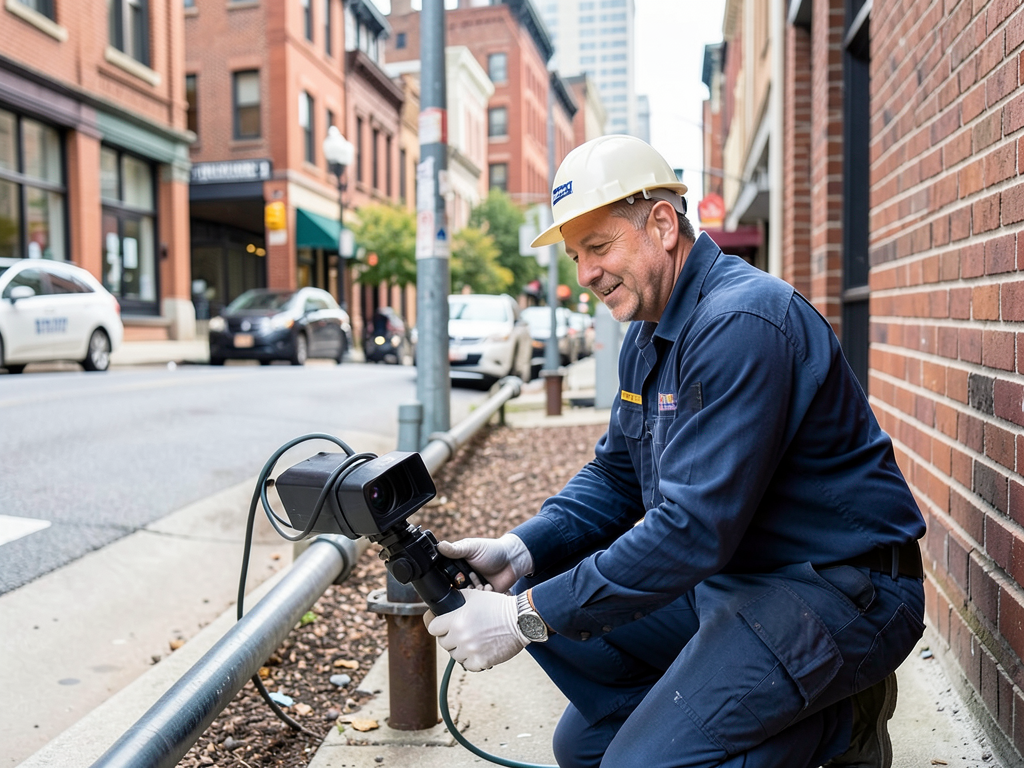
Video inspection technology identifies problems you cannot see from the surface. We insert waterproof cameras into your storm sewer lines to document blockages, root intrusion, pipe separation, and structural damage. This diagnostic approach eliminates guesswork. You see exactly what needs repair and why.

Catch basin repair often reveals issues that cleaning alone cannot fix. Damaged grates allow large debris into the system. Cracked basin walls let soil infiltrate and contaminate the drainage network. Settling or heaving from clay soil movement throws inlet and outlet pipes out of alignment. We address these structural problems to restore proper function.

The scope of work depends on your system's condition and configuration. Light maintenance involves vacuuming accumulated sediment from basin sumps and flushing connecting lines. Comprehensive service includes structural repairs, pipe replacement, and grade adjustments to correct drainage flow.

We schedule service during off-peak hours to minimize disruption to your operations. Most routine cleaning occurs overnight or on weekends. Emergency repairs receive immediate attention regardless of schedule because we understand flooded parking lots cannot wait.

Documentation matters for commercial clients. You receive detailed reports with photos, video footage, and technical findings. This creates a maintenance record for insurance purposes and helps you budget for future work. Property managers use these reports to demonstrate due diligence and proper facility maintenance to owners and tenants.

What Happens During Commercial Storm Drain Service

Storm Drain Cleaning & Repair in Atlanta – Prevent Flooding and Keep Your Business Operating
01

System Assessment

We inspect all visible drainage components including catch basins, grates, and surface conditions. Video camera inspection documents the interior condition of underground pipes. This diagnostic phase identifies blockages, structural damage, and maintenance needs. You receive a detailed assessment before any work begins, allowing you to prioritize repairs based on urgency and budget. Emergency situations receive immediate attention to prevent property damage.
02

Cleaning and Clearing

High-pressure hydro-jetting removes accumulated sediment, debris, and blockages from storm lines. We vacuum catch basin sumps to eliminate standing water and sludge. Root intrusion receives mechanical cutting treatment followed by chemical application to prevent regrowth. The cleaning process restores full drainage capacity to your system. Stubborn blockages from compacted clay or hardened debris require multiple passes to achieve complete removal.
03

Repair and Prevention

Structural repairs address damaged basins, broken pipes, and misaligned connections. We replace worn grates and repair concrete collars to prevent surface erosion. Grade corrections improve water flow to catch basins. You receive documentation of all work performed including before and after video footage. We recommend a maintenance schedule based on your property's drainage load and local rainfall patterns to prevent future emergencies.

Why Atlanta Business Owners Choose Elite Plumbing Atlanta for Storm Drain Service

Commercial drainage work demands a different level of capability than residential service. Elite Plumbing Atlanta maintains the equipment and staffing to handle large-scale projects without delays. Our truck-mounted systems process high volumes of material efficiently. We coordinate multi-day projects around your business schedule to minimize operational impact.

Atlanta's stormwater regulations require proper disposal of sediment and debris removed from drainage systems. We handle all compliance requirements and documentation. You avoid environmental violations and associated penalties. This matters especially for properties in designated watersheds or near protected waterways.

Experience with Atlanta's clay soil conditions separates competent service providers from mediocre ones. We understand how this soil behaves, how it infiltrates drainage systems, and what it takes to remove compacted clay from pipes. Technicians who learned their trade in other regions often underestimate the challenge this soil presents.

Response time determines whether a drainage problem becomes a business catastrophe. We dispatch emergency service within hours, not days. Flooded parking lots, backed-up storm drains, and water intrusion receive immediate attention. You get technicians on-site with the equipment needed to address the problem, not an estimator who schedules work for next week.

Long-term client relationships drive our approach to commercial service. We maintain detailed records of your drainage system including maps, inspection reports, and service history. This institutional knowledge speeds future service and helps you plan capital improvements. Property managers appreciate working with a provider who understands their facility instead of starting from scratch each time.

The metro Atlanta area presents unique drainage challenges from Midtown's dense urban infrastructure to sprawling suburban office parks. We have worked throughout the region and understand local variations in soil, topography, and stormwater management requirements.

What to Expect from Commercial Storm Drain Service

Rapid Response for Business Continuity

Emergency drainage failures receive same-day or next-day response depending on severity and time of contact. Routine maintenance typically schedules within one week. We coordinate service timing around your business hours to minimize disruption. Most cleaning work occurs during off-peak periods. Complex repairs requiring equipment access or surface work happen on weekends or overnight when traffic is minimal. You receive advance notice of crew arrival times and projected completion. Weather delays occasionally extend timelines for outdoor work, but we maintain communication throughout the process.

Thorough Diagnostic Evaluation

Video inspection reveals the true condition of your underground storm sewer system. You see exactly what we see on a monitor or tablet as cameras travel through your pipes. Technicians explain findings in practical terms focused on operational impact and liability exposure. The written assessment prioritizes problems by urgency. Critical issues that threaten immediate flooding or property damage receive top priority. Maintenance items that can wait appear separately. This allows rational budget decisions instead of panic spending. Detailed measurements and location data help you understand the scope of recommended work.

Complete System Restoration

Proper storm drain service restores full flow capacity to your drainage system. Water evacuates quickly during heavy rain instead of ponding in parking areas. Catch basins handle their designed volume without overflow. You see the difference immediately during the next significant rainfall. Documentation includes before and after video showing cleaned pipes and repaired components. Flow testing verifies proper drainage function. Surface restoration returns affected areas to original condition. Concrete work receives proper finishing. Asphalt patches match existing pavement grade. Your property shows no evidence of excavation beyond necessary access points.

Preventive Maintenance Planning

A customized maintenance schedule prevents future drainage emergencies. Recommendations account for your property's specific conditions including parking lot size, tree coverage, and traffic volume. High-debris areas need more frequent attention. Properties with mature trees require regular inspection for root intrusion. We track service dates and maintain records of work performed. Annual or semi-annual cleaning keeps systems functioning properly. Scheduled maintenance costs less than emergency repairs and prevents business disruptions. You budget drainage work as a predictable operating expense instead of reacting to failures with unplanned capital expenditures.

Frequently Asked Questions

You Have Questions,
We Have Answers

How much does it cost to clean a storm drain? +

Commercial storm drain cleaning costs vary based on drain size, blockage severity, and access difficulty. For Atlanta properties, expect baseline service calls to start around several hundred dollars for routine maintenance. Heavy debris removal, root intrusion, or sediment buildup increases costs. Properties in areas with mature tree canopies or clay soil face higher maintenance frequency. Commercial complexes with multiple catch basins require comprehensive assessments. Pricing factors include equipment needed, linear footage, and frequency of service contracts. Annual maintenance agreements reduce per-visit costs and prevent expensive emergency calls during Atlanta's heavy storm seasons.

How much does it cost to clear an outside drain? +

Clearing outside drains for commercial properties depends on the drain type and blockage location. Surface drains with grate access cost less than buried lateral lines. Atlanta's red clay soil and seasonal pollen create unique clogging patterns that affect pricing. Simple debris removal runs lower than root infiltration or structural damage. Commercial sites often need camera inspection to identify blockage points before clearing. Properties near wooded areas or parking lots with runoff issues require more intensive work. Service providers price based on drain diameter, depth, and whether excavation is necessary. Regular maintenance contracts lower emergency service rates.

How often do storm drains need to be cleaned? +

Commercial storm drains in Atlanta require cleaning at minimum twice yearly due to heavy pollen in spring and leaf debris in fall. Properties with significant tree cover or high-traffic parking areas need quarterly service. Atlanta's clay soil and intense summer storms accelerate sediment buildup in catch basins. Retail centers, industrial parks, and office complexes should inspect drains before peak storm seasons. High-volume sites may need monthly monitoring. Compliance with local stormwater management regulations often dictates minimum cleaning frequency. Preventive maintenance reduces liability risks from standing water and prevents costly emergency repairs during severe weather events.

How to clear a blocked stormwater drain? +

Clearing a blocked stormwater drain on commercial property requires professional assessment. Start with camera inspection to locate the blockage and identify the cause. High-pressure hydro jetting removes most organic debris, sediment, and minor root intrusion. Mechanical augering handles solid obstructions. Atlanta properties often face clay soil compaction and root systems from pine and oak trees. Surface grates should be cleared first. If water backs up during Atlanta's frequent storms, immediate professional service prevents property damage and liability issues. Do not attempt chemical clearing on commercial systems as it violates environmental regulations and damages infrastructure.

Is hydro jetting worth the cost? +

Hydro jetting delivers measurable ROI for commercial properties in Atlanta. The process removes 100 percent of pipe buildup including grease, sediment, and roots using high-pressure water streams. For properties facing recurring blockages, hydro jetting eliminates problems that snaking only temporarily fixes. Atlanta's clay soil and organic debris require thorough cleaning to prevent rapid re-clogging. The method extends pipe lifespan, reduces emergency service calls, and maintains proper drainage during storm events. Commercial properties benefit from annual hydro jetting as preventive maintenance. The upfront cost prevents expensive repairs, property damage, and business interruption from failed drainage systems.

Does homeowners insurance cover sewer line repair? +

Homeowners insurance covers sewer line repair only under specific circumstances. Standard commercial property policies exclude gradual deterioration, lack of maintenance, or root damage. Coverage applies when sudden, accidental events like vehicle impact or vandalism cause damage. Storm drain systems fall under different regulations than sanitary sewers. Atlanta commercial properties should verify coverage details and maintain documentation of regular maintenance. Many policies require proof of preventive care to honor claims. Separate sewer backup endorsements exist but focus on sanitary systems. Commercial properties need specialized policies addressing stormwater infrastructure. Consult your carrier before assuming coverage for drain repairs.

What not to put down an outside drain? +

Outside drains must never receive grease, oils, chemicals, construction debris, landscape waste, or trash. Commercial properties face strict EPA and Georgia EPD regulations on stormwater discharge. Fertilizers, pesticides, and wash water from vehicle cleaning violate clean water standards. Atlanta properties near streams feeding the Chattahoochee River face additional scrutiny. Sediment from construction sites requires separate containment. Paint, solvents, and industrial waste create environmental violations and expensive fines. Even biodegradable materials like grass clippings cause blockages and oxygen depletion in waterways. Train staff to recognize illegal dumping. Storm drains connect directly to natural waterways without treatment.

Does hydro jetting have any disadvantages? +

Hydro jetting has limitations for commercial applications. The high-pressure water can damage older pipes with existing cracks, corrosion, or weakened joints common in Atlanta's aging infrastructure. Clay pipes or deteriorated cast iron require camera inspection before jetting. The process needs significant water volume and proper disposal of debris-laden wastewater. Roots require follow-up treatment as jetting cuts but does not kill them. In confined spaces or near building foundations, pressure control becomes critical. Commercial properties need experienced operators who adjust pressure based on pipe material and condition. When used correctly on structurally sound pipes, disadvantages are minimal compared to thorough cleaning benefits.

Who is responsible for unblocking outside drains? +

Responsibility for outside drain blockages depends on drain location and ownership. Commercial property owners maintain private storm drains, catch basins, and laterals up to the public right-of-way connection. Atlanta requires property owners to keep private drainage systems functional under city code. Drains in parking lots, service drives, and on-site infrastructure fall to the property owner. Public street drains and main storm sewer lines belong to the City of Atlanta or county jurisdiction. Shared access drives create gray areas requiring legal review. Commercial leases should clearly define maintenance responsibility. Neglecting private drain maintenance creates liability for property damage and code violations.

What happens when a storm drain gets clogged? +

Clogged storm drains create immediate liability and property damage risks for commercial sites. Water backs up onto parking lots, sidewalks, and building entries during Atlanta's intense thunderstorms. Standing water damages pavement, creates slip hazards, and violates ADA accessibility requirements. Flooding can enter buildings causing inventory loss and business interruption. Mosquito breeding in stagnant water creates health code violations. Overflow water carries pollutants to adjacent properties, triggering environmental complaints. Atlanta's clay soil becomes saturated quickly, compounding drainage failure. Structural damage to foundations and landscaping follows repeated flooding. Regular maintenance prevents these cascading failures and protects your commercial investment.

How Atlanta's Red Clay Soil and Summer Storms Impact Commercial Drainage Systems

The Piedmont region's distinctive red clay soil creates unique challenges for stormwater management. This dense, erosion-prone material washes into catch basins during Atlanta's intense summer thunderstorms, forming stubborn blockages that standard flushing cannot remove. The clay particles compact when wet, creating cement-like plugs in storm drain lines. Properties in areas like Buckhead, Midtown, and the Perimeter Center experience particularly aggressive sediment accumulation due to ongoing construction activity that disturbs soil. Winter freeze-thaw cycles, though mild compared to northern climates, still cause ground movement that can misalign storm sewer connections and crack basin walls.

Atlanta's rapid development has increased impervious surface coverage throughout the metro area, placing greater demand on existing drainage infrastructure. Many commercial properties built during the expansion of the 1980s and 1990s now face aging storm sewer systems that require rehabilitation. Local stormwater ordinances have become stricter, requiring property owners to maintain functional drainage that meets current standards. Elite Plumbing Atlanta understands these evolving requirements and helps commercial clients maintain compliance while avoiding costly violations. Our familiarity with metro Atlanta's drainage patterns, soil conditions, and municipal regulations makes us the logical choice for businesses that need reliable storm drain maintenance.
Plumbing Services in The Atlanta Area

Elite Plumbing is conveniently located to serve the greater Atlanta area. Whether you're looking to visit our office, need to understand our service radius, or simply want to know where we're based, our map provides a clear visual. We pride ourselves on being accessible to all our clients, ensuring prompt and efficient service delivery across the region for all your plumbing needs.

Address:
Elite Plumbing Atlanta, 434 Marietta St NW, Atlanta, GA, 30313

Additional Services We Offer

Our news updates

Latest Articles & News from The Blogs

Essential Plumbing Planning for New Pool Houses and Cabanas in Cumming Building a pool house or cabana in Cumming requires…

Essential Plumbing Planning for New Pool Houses and Cabanas in Cumming

Essential Plumbing Planning for New Pool Houses and Cabanas in Cumming Building a pool house or cabana in Cumming requires…

Why Building an Outdoor Shower is the Ultimate Upgrade for Your Scottdale Backyard

Why Building an Outdoor Shower is the Ultimate Upgrade for Your Scottdale Backyard Scottdale homeowners are discovering that outdoor showers…

Deciding Between Gas and Electric Water Heaters for Your New Lawrenceville Home

Deciding Between Gas and Electric Water Heaters for Your New Lawrenceville Home If you’re building or renovating in Lawrenceville, Georgia,…

Contact Us

Do not wait for the next heavy rain to reveal drainage problems. Call Elite Plumbing Atlanta at (770) 610-5522 for professional storm drain inspection and cleaning. We provide same-day emergency service and flexible scheduling for routine maintenance throughout the Atlanta metro area.