



Menu

Preventative Commercial Maintenance in Atlanta – Minimize Downtime, Protect Your Operations

Elite Plumbing Atlanta delivers scheduled commercial plumbing upkeep designed to prevent costly system failures, reduce emergency repair expenses, and keep your business running without interruption.

Slider Image 1
Slider Image 2
Slider Image 3
Slider Image 4
Slider Image 5
Slider Image 7
Slider Image 8
Slider Image 9
Slider Image 10
Slider Image 11

Why Atlanta Commercial Properties Cannot Afford Reactive Plumbing

Atlanta's commercial buildings face plumbing stress points most operators ignore until failure occurs. The city's aggressive water chemistry, with elevated chlorine levels and mineral content, accelerates corrosion in cast iron waste lines and copper supply piping. High-rise structures in Midtown and Buckhead experience differential pressure issues that cause fixture seal failures and backflow contamination risks.

Summer humidity compounds these problems. Commercial HVAC condensate lines clog with biofilm growth, leading to ceiling water damage in retail spaces and office environments. Restaurant operations in the Old Fourth Ward and West Midtown deal with grease interceptor failures that trigger sewage backups during peak service hours.

Preventive commercial plumbing services address these vulnerabilities before they halt operations. Commercial plumbing maintenance plans identify deteriorating components during scheduled inspections, not during business hours when a slab leak floods your warehouse or a backflow preventer fails during a health inspection.

The cost structure is simple. Routine commercial plumbing inspections cost less than one emergency service call. A ruptured water heater that forces you to close for two days costs more than five years of commercial plumbing service agreements. The math favors prevention every time.

Atlanta's clay soil adds another variable. Seasonal expansion and contraction shift building foundations, stressing underground supply and waste lines. Commercial properties near the BeltLine or in areas with poor soil drainage see accelerated pipe joint failures. Scheduled commercial plumbing upkeep catches these stress fractures before they become complete line failures.

Why Atlanta Commercial Properties Cannot Afford Reactive Plumbing
How Commercial Maintenance Plans Eliminate Surprise Failures

How Commercial Maintenance Plans Eliminate Surprise Failures

Elite Plumbing Atlanta structures commercial plumbing maintenance plans around system vulnerability zones, not arbitrary calendar intervals. We map your facility's plumbing infrastructure, identifying high-risk components based on age, material composition, usage patterns, and water quality impacts.

Inspection protocols target failure-prone systems first. We pressure-test backflow preventers before annual certification deadlines, not during them. Hydrojetting schedules for kitchen drain lines align with your business cycles to avoid disrupting service. Water heater anode rod inspections happen before tank corrosion creates leaks, not after.

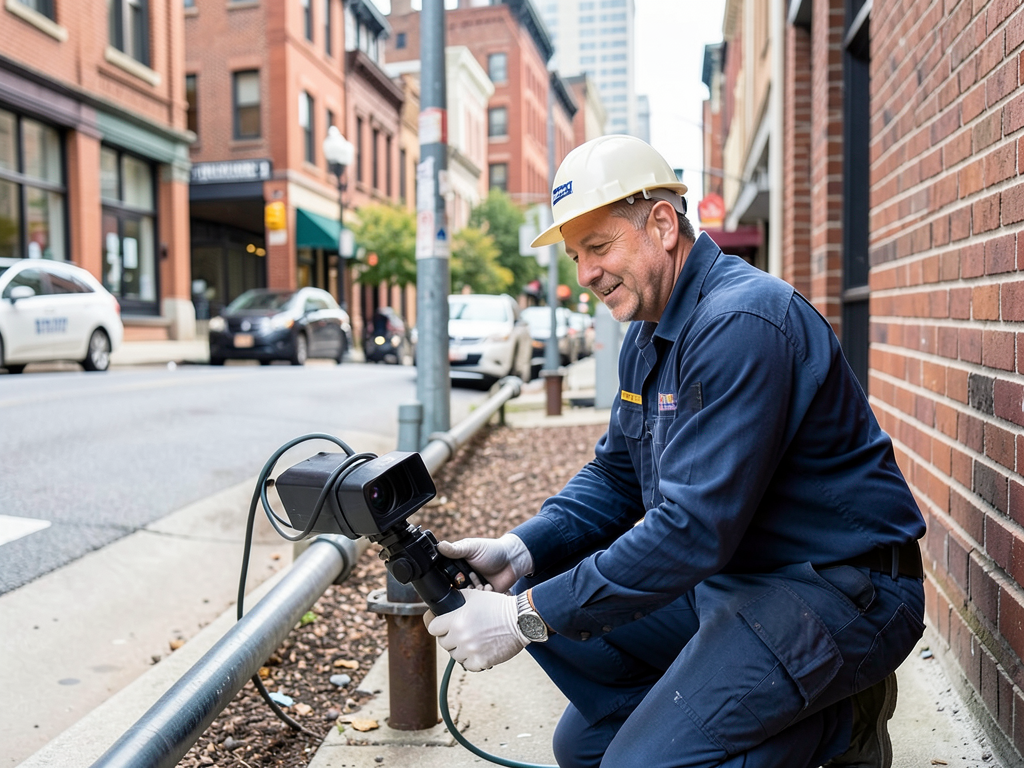
Our diagnostic approach uses calibrated instruments, not assumptions. Thermal imaging identifies hot spots in circulating pump systems that signal bearing failure. Ultrasonic leak detection finds pinhole leaks in concealed piping before they saturate drywall. Video pipeline inspection documents root intrusion in sewer laterals before they cause backups into your facility.

We track system performance over time. Pressure readings, flow rates, and temperature differentials create a performance baseline that reveals degradation patterns. A gradual pressure drop in your fire suppression system riser signals a developing problem weeks before the system fails inspection.

Commercial plumbing service agreements include priority response windows. If a component we have been monitoring fails outside normal maintenance intervals, you receive expedited service that minimizes downtime. Your maintenance history lets technicians arrive with the correct parts and equipment, eliminating multiple trips.

Documentation matters for compliance and insurance. Every inspection generates a detailed report with photographs, measurements, and recommended actions. This record proves due diligence if you face liability claims or need to substantiate insurance submissions after a loss.

How Your Maintenance Program Works

Preventative Commercial Maintenance in Atlanta – Minimize Downtime, Protect Your Operations
01

Facility Assessment and Risk Mapping

We conduct a comprehensive plumbing system audit of your commercial property, documenting all fixtures, water heaters, backflow devices, sewage ejector pumps, and underground piping. This creates a maintenance roadmap specific to your building's age, occupancy type, and usage patterns. We identify code compliance gaps and prioritize components by failure risk and business impact.
02

Scheduled Inspection and Testing

Technicians perform quarterly or semi-annual inspections based on your facility's needs. Each visit includes pressure testing, visual inspection of accessible piping, fixture operation checks, water heater combustion analysis, and drain line flow testing. We use video inspection for main sewer lines and hydrostatic testing for closed-loop systems. All findings are documented with photographs and measurements.
03

Repair Coordination and Documentation

When inspections reveal components approaching failure thresholds, we provide detailed repair estimates with priority rankings. You decide which repairs to authorize and when to schedule them around your business operations. All maintenance activities are logged in a digital service history that tracks component lifecycles, replacement dates, and warranty periods for future reference and compliance verification.

Why Atlanta Property Managers Choose Elite Plumbing Atlanta

Atlanta's commercial plumbing environment requires specific expertise that generalist contractors lack. We understand how the city's water treatment methods affect different pipe materials. The chloramine disinfection process Atlanta Water Services uses accelerates elastomer degradation in fixture seals and valve diaphragms. We replace these components on a schedule that prevents failures, not after they leak.

Local code knowledge prevents costly retrofits. Atlanta's plumbing code amendments regarding backflow prevention, grease interceptor sizing, and water heater seismic restraints differ from standard International Plumbing Code provisions. Our maintenance inspections verify ongoing compliance, so you avoid violation notices during routine inspections or tenant improvement permit reviews.

We recognize building-specific challenges across Atlanta's commercial districts. High-rise properties in Downtown and Midtown face different maintenance needs than suburban office parks in Perimeter Center or industrial facilities near Hartsfield-Jackson. A 30-story office tower requires pressure-reducing valve maintenance and booster pump testing that a strip mall does not need.

Our response structure supports business continuity. Commercial maintenance plan clients receive priority scheduling and guaranteed response windows. If a critical failure occurs, we dispatch technicians within contracted timeframes, not when we have an opening. This commitment matters when a restroom flood threatens to close your restaurant during dinner service or a broken supply line forces you to evacuate office workers.

Elite Plumbing Atlanta maintains relationships with commercial property insurers, facility management companies, and Atlanta's building inspection department. This network streamlines emergency permitting, coordinates insurance claims documentation, and ensures that all work meets the standards your stakeholders expect.

What Your Maintenance Agreement Includes

Inspection Frequency and Scheduling Flexibility

Most Atlanta commercial properties benefit from quarterly inspections, though high-use facilities like restaurants, medical offices, and hospitality properties often require monthly service. We schedule inspections during your slow periods to avoid disrupting operations. Evening and weekend appointments are available for businesses that cannot accommodate service during operating hours. Each inspection takes between two and four hours depending on facility size and system complexity. You receive 48-hour advance notice before each scheduled visit, with the flexibility to reschedule if business needs change.

Comprehensive System Diagnostics

Every inspection includes fixture-by-fixture testing, water pressure measurements at multiple locations, water heater temperature and combustion efficiency checks, backflow preventer operation verification, and drain line flow testing. We inspect accessible piping for corrosion, leaks, and improper support. Sewer laterals receive annual video inspection to document condition and identify developing blockages. All findings are compiled in a detailed report with photographs, pressure readings, and prioritized repair recommendations. You receive digital copies within 24 hours of each inspection.

Predictable Maintenance Outcomes

Preventive maintenance reduces emergency service calls by identifying failing components before they disrupt operations. You gain budget predictability because major repairs are planned and scheduled during off-peak periods, not handled as urgent crisis response. System reliability improves as we replace wear components before they fail. Water efficiency increases when we identify and repair leaks early, reducing utility expenses. Most clients see 40 to 60 percent reductions in emergency plumbing costs within the first year of implementing routine commercial plumbing inspections.

Priority Service and Performance Tracking

Commercial plumbing service agreements include guaranteed response times for emergency calls. Most contracts provide two-hour response windows during business hours and four-hour response after hours. You receive priority scheduling for non-emergency repairs ahead of non-contract customers. We maintain a complete digital service history for your property, tracking all inspections, repairs, and component replacements. This documentation supports insurance claims, facilitates property sales, and demonstrates due diligence for liability protection. Annual performance reviews identify trends and recommend system upgrades or replacements based on lifecycle data.

Frequently Asked Questions

You Have Questions,
We Have Answers

What are the 5 types of preventive maintenance? +

The five types of preventive maintenance are time-based maintenance (scheduled at regular intervals), usage-based maintenance (triggered by equipment runtime hours), predictive maintenance (using sensors and diagnostics to forecast failures), condition-based maintenance (performed when inspections reveal specific wear), and risk-based maintenance (prioritizing assets by failure impact). For commercial properties in Atlanta, time-based and predictive strategies work best due to high cooling demands from humid summers and variable spring weather that stress HVAC systems. Each type reduces downtime and extends equipment life when properly implemented.

How much does preventive maintenance cost for commercial HVAC? +

Commercial HVAC preventive maintenance costs vary based on system size, equipment age, and service frequency. Quarterly service agreements typically represent the most cost-effective approach for Atlanta properties. Factors affecting price include tonnage, number of rooftop units, and system complexity. Larger office buildings or retail centers pay more than small storefronts. The investment typically returns through reduced emergency repairs, lower utility bills, and extended equipment lifespan. Atlanta's humidity and heat place extra strain on compressors and coils, making regular maintenance particularly valuable for avoiding expensive mid-season breakdowns.

What are examples of preventative maintenance? +

Preventative maintenance examples include filter replacements, coil cleaning, refrigerant level checks, belt inspections, thermostat calibration, drain line clearing, electrical connection tightening, and lubrication of moving parts. In Atlanta commercial settings, condenser coil cleaning proves critical due to pollen and humidity buildup. Other tasks include inspecting ductwork for leaks, testing safety controls, checking compressor amp draw, and verifying proper airflow across evaporator coils. These routine tasks prevent costly failures during peak cooling season when Atlanta temperatures climb and business operations depend on reliable climate control.

What is considered commercial maintenance? +

Commercial maintenance encompasses all planned upkeep for business property systems and equipment. This includes HVAC, plumbing, electrical, roofing, and building envelope work performed on retail spaces, office buildings, warehouses, restaurants, and multi-tenant properties. Unlike residential service, commercial maintenance focuses on minimizing business disruption, meeting code requirements, and protecting liability exposure. For Atlanta properties, this means addressing humidity control in warehouses, grease trap maintenance for restaurants, and ensuring rooftop units withstand summer heat loads. Service contracts typically cover multiple locations and require after-hours scheduling to avoid interrupting operations.

What are the 4 P's of maintenance? +

The four P's of maintenance are Preservation (protecting equipment from deterioration), Prediction (forecasting failures before they occur), Prevention (scheduled tasks to avoid breakdowns), and Performance (optimizing efficiency and output). For Atlanta commercial operators, Prevention and Prediction deliver the highest ROI. Prevention stops failures during summer peak demand when replacement parts become scarce and service calls expensive. Prediction uses data from building management systems to identify declining compressor performance or refrigerant loss before total failure. This framework reduces emergency service needs and extends capital equipment life in demanding commercial environments.

What is the 10% rule of preventive maintenance? +

The 10% rule states that preventive maintenance should consume roughly 10% of total maintenance budget and staff time, with the remaining 90% available for other operational needs. This benchmark helps commercial property managers allocate resources appropriately without over-maintaining equipment or neglecting critical tasks. In Atlanta's commercial market, properties that follow this ratio typically experience fewer emergency calls and better tenant satisfaction. The rule applies across industries but requires adjustment based on equipment age, criticality, and operating environment. Older buildings or those with legacy systems may need higher preventive maintenance investment initially.

What is the $5000 AC rule? +

The $5,000 AC rule refers to IRS guidelines allowing businesses to immediately expense (rather than depreciate) equipment repairs or improvements costing $5,000 or less per invoice. This threshold helps commercial operators manage tax treatment of HVAC maintenance and repairs. For Atlanta businesses, this means routine maintenance, compressor replacements, or control board upgrades under this amount can be fully deducted in the current tax year. The rule encourages proactive repairs rather than delaying service. Consult your tax professional about applying this threshold to your specific commercial property maintenance expenses.

What is the 3 minute rule for AC? +

The three-minute rule requires waiting at least three minutes between HVAC system shutdowns and restarts to protect the compressor. This delay allows refrigerant pressures to equalize, preventing liquid slugging that damages compressor valves and bearings. Commercial building managers in Atlanta should ensure this delay gets programmed into building automation systems and communicated to staff who manually control rooftop units. Ignoring this rule during thermostat adjustments or power interruptions shortens compressor life significantly. Modern commercial units often include built-in anti-short-cycle timers, but older equipment requires manual observation of this critical protection interval.

How often should a commercial HVAC system be serviced? +

Commercial HVAC systems require professional service quarterly at minimum, with monthly inspections recommended for critical environments or high-use facilities. Atlanta's extended cooling season and high humidity demand more frequent attention than moderate climates. Spring and fall tune-ups prepare systems for peak summer and winter loads. Monthly filter changes, coil inspections, and refrigerant checks prevent mid-season failures when service technicians are overbooked. Restaurants, data centers, and medical facilities need monthly service due to continuous operation and liability concerns. Retail and office properties typically operate on quarterly schedules unless equipment age or tenant complaints warrant increased frequency.

What qualifies as preventative maintenance? +

Preventative maintenance qualifies as any planned, scheduled service performed before equipment fails. This includes inspections, adjustments, cleaning, lubrication, and component replacement at predetermined intervals based on manufacturer recommendations or operational hours. Tasks must be documented and follow established procedures. For Atlanta commercial properties, qualified preventative maintenance includes filter changes, coil cleaning, refrigerant checks, belt replacements, and electrical testing performed on schedule regardless of whether problems exist. Reactive repairs after failure do not qualify. Proper documentation proves compliance for warranty claims, insurance requirements, and building code inspections.

How Atlanta's Water Chemistry Accelerates Commercial Plumbing Deterioration

Atlanta's municipal water supply contains elevated chloramine levels that degrade rubber gaskets, O-rings, and toilet flapper valves faster than chlorine-treated water. Commercial properties connected to the Chattahoochee River water system experience higher mineral content that causes scale buildup in tankless water heaters and boiler heat exchangers. Buildings in areas served by older distribution infrastructure see iron and manganese staining that clogs fixture aerators and damages solenoid valves in commercial equipment. Routine commercial plumbing inspections identify these water quality impacts before they cause fixture failures or equipment damage that disrupts business operations.

Atlanta's commercial plumbing code enforcement has intensified in recent years, particularly regarding backflow prevention and grease interceptor compliance. Properties that lack documented maintenance records face steeper penalties and more frequent follow-up inspections. Elite Plumbing Atlanta's commercial plumbing maintenance plans generate the compliance documentation that satisfies Atlanta's Department of Watershed Management inspection requirements. Our technicians understand local inspector expectations and ensure that all backflow devices, grease traps, and sewage ejector systems meet current code standards. This local expertise protects you from violations that can force business closures or trigger expensive emergency retrofits.
Plumbing Services in The Atlanta Area

Elite Plumbing is conveniently located to serve the greater Atlanta area. Whether you're looking to visit our office, need to understand our service radius, or simply want to know where we're based, our map provides a clear visual. We pride ourselves on being accessible to all our clients, ensuring prompt and efficient service delivery across the region for all your plumbing needs.

Address:
Elite Plumbing Atlanta, 434 Marietta St NW, Atlanta, GA, 30313

Additional Services We Offer

Our news updates

Latest Articles & News from The Blogs

What Every Midtown Homeowner Should Know About Shared Sewer Laterals Living in Midtown Atlanta means enjoying historic charm and vibrant…

What Every Midtown Homeowner Should Know About Shared Sewer Laterals

What Every Midtown Homeowner Should Know About Shared Sewer Laterals Living in Midtown Atlanta means enjoying historic charm and vibrant…

Choosing a High Performance Showerhead That Still Meets Georgia Water Flow Standards

Choosing a High Performance Showerhead That Still Meets Georgia Water Flow Standards Looking for a showerhead that delivers a powerful…

Why Your New Milton Home Needs a Dedicated Backflow Preventer for the Irrigation System

Why Your New Milton Home Needs a Dedicated Backflow Preventer for the Irrigation System Every new home in Milton with…

Contact Us

Stop gambling with reactive repairs. Elite Plumbing Atlanta builds commercial plumbing maintenance plans that prevent system failures and protect your operations. Call (770) 610-5522 now to schedule your facility assessment and receive a customized maintenance proposal.