



Menu

Smelly Drains & Sewer Odors in Atlanta – Expert Diagnosis and Permanent Odor Elimination

We identify the root cause of foul sewer gas odors, stinky bathroom drains, and rotten egg smells in Atlanta homes, then fix it right the first time with proven plumbing solutions that eliminate odors for good.

Slider Image 1
Slider Image 2
Slider Image 3
Slider Image 4
Slider Image 5
Slider Image 7
Slider Image 8
Slider Image 9
Slider Image 10
Slider Image 11

Why Atlanta Homes Battle Persistent Drain and Sewer Odors

You walk into your bathroom and hit a wall of sewage smell. You pour bleach down the drain, run the water, light a candle. Two hours later, the rotten egg smell from plumbing is back. You are not imagining it, and you are not alone.

Atlanta's unique combination of red clay soil, high humidity, and aging sewer infrastructure creates perfect conditions for persistent drain odor problems. The clay soil shifts with seasonal rain cycles, putting stress on underground drain lines and creating cracks where sewer gas escapes. Our humidity accelerates biofilm growth inside drain pipes, the slimy bacterial layer that produces hydrogen sulfide, the gas responsible for that unmistakable rotten egg stench.

Stinky bathroom drains often signal a dried-out P-trap, the U-shaped pipe section designed to hold standing water and block sewer gas from entering your home. In guest bathrooms or basement drains that sit unused for weeks, water evaporates quickly in our climate, leaving a direct pathway for foul sewer gas odors to invade living spaces.

Unpleasant drain odors in kitchens usually point to food debris trapped in the garbage disposal or drain line, decomposing in the warm, moist environment. But when the sewage smell in house persists across multiple fixtures, you are likely dealing with a venting issue, cracked drain line, or failed wax ring at a toilet base.

The smell is not just unpleasant. Sewer gas contains methane, ammonia, and hydrogen sulfide. Prolonged exposure causes headaches, nausea, and respiratory irritation. If you smell it, you need to fix it.

Why Atlanta Homes Battle Persistent Drain and Sewer Odors
How We Locate and Eliminate Sewer Odor Sources

How We Locate and Eliminate Sewer Odor Sources

Most plumbers pour enzyme cleaner down the drain and hope for the best. We diagnose first, then fix the actual problem.

We start with a systematic odor investigation. Every drain fixture gets tested. We check P-trap water levels, inspect cleanout access points, and run smoke tests through your drain-waste-vent system. Smoke testing reveals hidden cracks in drain lines, failed seals at fixture connections, and blocked vent pipes that prevent proper air circulation. If smoke appears where it should not, we have found your leak point.

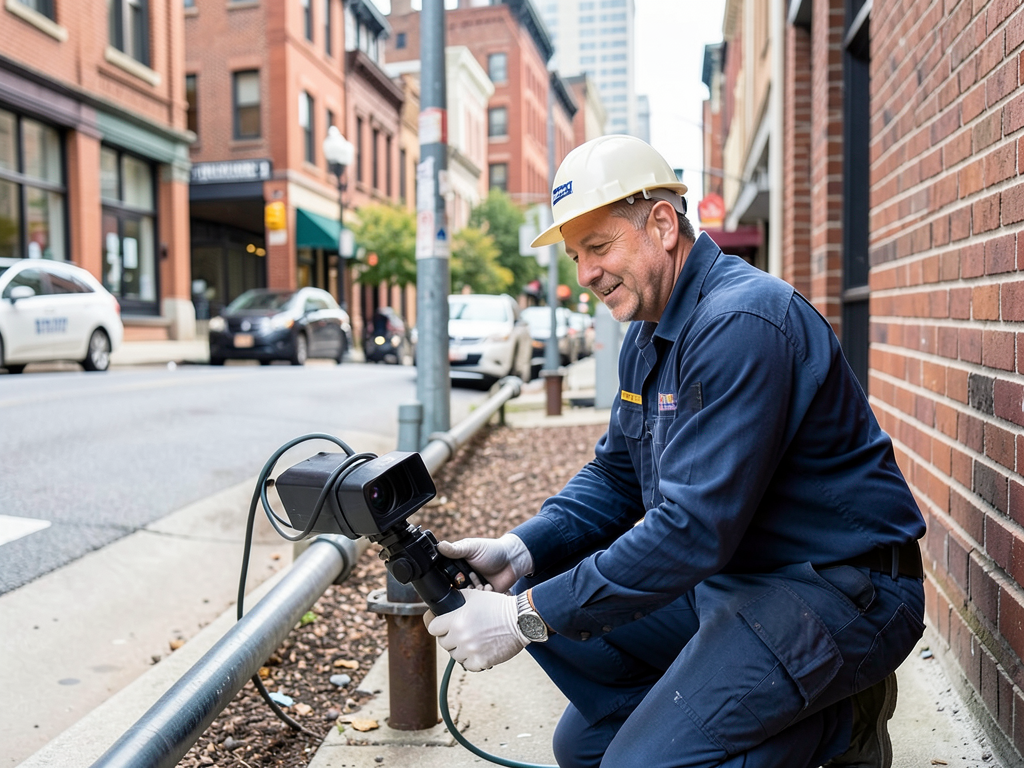
For persistent odors with no visible source, we deploy a high-resolution sewer camera inspection. This flexible camera snake travels through your drain lines, transmitting live video that reveals biofilm buildup, partial blockages, root intrusion, or pipe deterioration. We can see exactly where the problem exists, how severe it is, and what repair method will work.

Vent pipe issues are common in older Atlanta homes built before modern plumbing codes. Your drain system needs air to function correctly. Blocked or improperly installed vent pipes create negative pressure that siphons water out of P-traps, opening a direct path for sewer gas. We inspect vent terminations on your roof, check for obstructions like bird nests or debris, and verify proper vent sizing and slope.

Once we identify the source, we execute the appropriate fix. Dry P-traps get refilled and monitored. Cracked drain lines get repaired or replaced using trenchless methods when possible to minimize yard disruption. Failed wax rings at toilets get replaced with new seals. Biofilm gets mechanically removed with hydro-jetting, a high-pressure water system that scours pipe interiors clean without damaging the pipe material.

We do not mask odors. We eliminate their source.

What Happens During Your Odor Diagnosis Appointment

Smelly Drains & Sewer Odors in Atlanta – Expert Diagnosis and Permanent Odor Elimination
01

Complete System Assessment

Our technician arrives and conducts a room-by-room odor investigation, testing every plumbing fixture and drain opening. We document which drains produce odors, note their intensity and frequency, and check P-trap water levels. We inspect visible drain connections, cleanout access points, and vent terminations. This initial assessment usually takes 20 to 30 minutes and identifies obvious issues like dry traps or failed seals before we move to advanced diagnostics.
02

Diagnostic Testing Protocol

If the source remains unclear, we run targeted diagnostic tests. Smoke testing pushes non-toxic theatrical smoke through your drain system to reveal hidden cracks or leaks. Camera inspection provides visual confirmation of interior pipe conditions, blockages, or structural failures. We test vent pipe airflow and measure negative pressure indicators. Each test gives us specific data points that triangulate the exact failure point in your plumbing system, eliminating guesswork from the repair process.
03

Repair Plan and Execution

Once we identify the source, we explain what failed, why it failed, and how we will fix it. You get a detailed estimate before any repair work begins. Most odor repairs are completed the same day, from simple P-trap refills to wax ring replacements. More extensive issues like cracked drain lines or vent pipe repairs may require scheduling a follow-up appointment. We verify odor elimination before we leave and provide maintenance guidance to prevent recurrence.

Why Atlanta Homeowners Trust Elite Plumbing Atlanta for Odor Problems

You need someone who understands how Atlanta's environment affects your plumbing. Our technicians know how red clay soil movement stresses drain lines, why humidity accelerates biofilm growth, and how older homes in neighborhoods like Virginia-Highland and Inman Park were plumbed before modern venting codes existed.

We have diagnosed hundreds of sewer odor cases across metro Atlanta. We know the difference between a simple dry trap and a cracked drain line under your foundation. We know when to refill a P-trap, when to replace a wax ring, and when to recommend hydro-jetting to remove biofilm buildup. This experience means we fix your problem faster with fewer return trips.

Our camera inspection equipment is professional-grade. We can navigate complex drain routing in multi-story homes, inspect cast iron drain stacks common in pre-1980 construction, and locate problems in drain lines buried under concrete slabs. You get to watch the live video feed and see exactly what we see, so you understand the problem and the proposed solution.

We do not upsell. If your problem is a dried-out P-trap, we refill it and show you how to maintain it. If you need a wax ring replacement, we replace the wax ring. We explain cost factors upfront and give you options when multiple repair approaches exist.

Elite Plumbing Atlanta operates throughout Atlanta and surrounding areas. We are familiar with local plumbing permit requirements for major drain line repairs, and we coordinate inspections when code compliance is required. We have working relationships with local suppliers, which means we can source parts quickly and keep your project moving.

When you call us about sewer odors, you get a diagnostic expert who will find the real problem and fix it correctly.

What You Can Expect When You Schedule an Odor Diagnosis

Same-Day and Next-Day Availability

We understand that living with sewer odors is miserable and potentially unhealthy. We offer same-day appointments when you call before noon on weekdays, and next-day service for calls received later in the day. Weekend appointments are available for urgent situations. Our scheduling team provides two-hour arrival windows, and your technician calls 20 minutes before arrival so you know exactly when to expect us. Most diagnostic appointments take 45 minutes to 90 minutes depending on the complexity of your plumbing layout and the nature of the odor issue.

Thorough Diagnostic Investigation

Your technician arrives with professional diagnostic equipment, including smoke testing apparatus, sewer cameras, and moisture detection tools. We perform a complete system assessment before recommending any repairs. You get a clear explanation of what we find, why the problem exists, and what options you have for fixing it. We show you camera footage when relevant so you can see the interior condition of your drain lines. Our goal is diagnostic accuracy, not speed. We take the time needed to identify the actual source of your odor problem, whether it is a simple fix or a more complex system failure.

Complete Odor Elimination

We do not leave until the odor source is identified and, when possible, repaired. Simple fixes like refilling P-traps, replacing wax rings, or clearing vent obstructions are completed during the initial visit. More complex repairs like drain line replacement or vent pipe installation may require a follow-up appointment for proper execution. We verify odor elimination before we consider the job complete. You get detailed documentation of what we found, what we fixed, and any maintenance recommendations to prevent future odor issues. Our work is clean and methodical, with full cleanup of any mess created during the diagnostic or repair process.

Prevention and Maintenance Guidance

After we eliminate your odor problem, we provide specific maintenance guidance tailored to your plumbing system and the issue we corrected. For homes with infrequently used drains, we show you how to maintain P-trap water levels. For properties with biofilm issues, we recommend maintenance hydro-jetting schedules to prevent buildup. For older drain systems showing early signs of deterioration, we outline monitoring steps and replacement timelines. We want you to understand how to keep your drains odor-free long after we leave. Our team is always available by phone if odors return or if you have questions about maintaining your system.

Frequently Asked Questions

You Have Questions,
We Have Answers

How to get rid of sewer smell coming from drains? +

Start by checking your P-traps. Pour water down rarely used drains to refill dried-out traps that let sewer gas escape. If the smell persists, clean the drain with hot water and dish soap. Avoid chemical drain cleaners that damage pipes. In Atlanta's humid climate, biofilm buildup happens fast in drains, creating rotten smells. If the odor continues after flushing traps, you may have a broken vent pipe, cracked drain line, or failing wax ring on a toilet. These problems need professional diagnosis. A sewer camera inspection quickly identifies the source and saves you from guessing.

What is the hardest smell to get rid of? +

Decomposing organic matter trapped in drain pipes creates the most stubborn odors. In Atlanta, biofilm and grease buildup in kitchen drains accelerate due to high humidity. When bacteria digest this material, they produce hydrogen sulfide gas, the rotten egg smell that clings to porous surfaces. Simple cleaning does not remove it if the source remains in the pipe. Sewer gas contains multiple compounds that penetrate drywall, grout, and fabric. Professional drain cleaning with hydrojetting removes the organic buildup causing the smell. Masking odors with sprays or baking soda only delays proper treatment.

How to find where sewer smell is coming from? +

Walk through your home and identify which drains smell worst. Check under sinks for leaking P-traps or loose connections. Inspect toilets for rocking, which indicates a failed wax ring. Go outside and locate your sewer vent pipes on the roof. Blocked or damaged vents cause sewer gas to backflow into drains. In Atlanta homes with crawl spaces, check for standing water or visible sewage under the house. Clay soil shifting can crack old drain lines. If you cannot pinpoint the source, a plumber can perform a smoke test or camera inspection to locate hidden leaks or breaks.

Why does my drain smell bad but no blockage? +

A dry P-trap is the most common cause. Every drain has a U-shaped pipe that holds water to block sewer gas. When drains sit unused, especially in Atlanta's heat, water evaporates and gas enters your home. Guest bathrooms and basement floor drains often dry out. Pour a gallon of water down the drain. If the smell returns quickly, you have a different problem. Biofilm buildup on pipe walls also creates odor without blocking water flow. Broken vent pipes prevent proper drainage airflow, causing gas to bubble back through traps even when full.

Can I fix a sewage smell myself? +

You can fix simple problems like dry P-traps by pouring water down drains. Clean visible drain grates and stoppers. Check for loose connections under sinks and tighten them. If these steps eliminate the smell, you solved it. If the odor persists or returns within days, you need professional help. Broken vent pipes, cracked sewer lines, and failed wax rings require proper tools and expertise. Attempting repairs without plumbing knowledge can worsen the problem and create health hazards. Sewer gas contains methane and hydrogen sulfide, both dangerous in enclosed spaces. Professional diagnosis protects your home and family.

What are signs of a serious plumbing problem? +

Persistent sewer odors signal serious problems. Multiple slow drains indicate main line blockage. Water backing up through floor drains or toilets means your sewer line is compromised. Gurgling sounds when flushing toilets or draining sinks show venting issues. In Atlanta, foundation cracks from clay soil movement can break sewer pipes. Look for wet spots in your yard, especially near the main line. Sudden increases in your water bill suggest hidden leaks. Mold growth near drains indicates chronic moisture from leaking pipes. Any of these signs require immediate professional inspection to prevent costly damage.

What is the most powerful odor eliminator? +

No odor eliminator works if the source remains. Hydrogen sulfide and other sewer gases require removal of the organic material producing them. Enzyme-based drain treatments break down biofilm but take days and only work on minor buildup. Professional hydrojetting physically removes all pipe buildup at high pressure, eliminating the bacterial source. For immediate temporary relief, white vinegar neutralizes some odor compounds without damaging pipes. Baking soda absorbs airborne smells but does not fix the problem. Commercial odor neutralizers mask smells without addressing pipe issues. Fix the source first, then clean affected areas.

What is the old lady's smell called? +

The musty smell associated with older homes is called nonenal. Your question does not relate to plumbing or sewer odors. If you smell mustiness near drains or bathrooms, you likely have mold growth from chronic moisture exposure. Atlanta's humidity accelerates mold development around leaking pipes and fixtures. Check under sinks, behind toilets, and inside vanity cabinets. Persistent dampness indicates a plumbing leak that needs repair. Mold remediation requires eliminating the moisture source first. If the smell accompanies sewer odors, you may have a broken drain line inside a wall allowing sewage exposure.

What are the top 5 worst smells? +

This question does not relate to plumbing issues. If you want to know about problematic drain and sewer odors, the worst include hydrogen sulfide (rotten eggs), methane (swamp gas), ammonia (sharp and burning), skatole (fecal odor), and putrescine (decaying flesh). All indicate sewage or organic decomposition in your plumbing system. In Atlanta homes, these smells often come from broken sewer lines in crawl spaces, failed wax rings, or blocked vent pipes. Each smell points to specific bacterial activity. Professional diagnosis identifies the exact cause and required repairs to protect your indoor air quality.

What's the average cost to fix a sewer smell? +

Costs vary based on the cause. Refilling a dry P-trap costs nothing. Replacing a wax ring or cleaning a single drain line is inexpensive. Repairing broken vent pipes or replacing sections of sewer line costs more due to labor and access requirements. In Atlanta, clay soil movement often cracks older cast iron or clay sewer pipes, requiring excavation. Main line repairs involving yard work increase costs. Camera inspections identify problems without guessing, saving money on unnecessary repairs. Get a diagnosis before accepting estimates. Addressing problems early prevents escalation into major repairs requiring permits and restoration work.

How Atlanta's Red Clay Soil and Humidity Intensify Drain Odor Problems

Atlanta sits on expansive red clay soil that swells when saturated and contracts during dry periods. This constant movement stresses underground drain lines, creating hairline cracks and separated joints where sewer gas escapes into the surrounding soil and migrates into basements and crawl spaces. Our humid subtropical climate accelerates biofilm formation inside drain pipes, creating thick bacterial colonies that produce hydrogen sulfide gas even when drains are flowing properly. Summer temperatures above 90 degrees combined with 70 percent humidity create ideal conditions for rapid organic decomposition in kitchen drains and garbage disposals, intensifying unpleasant drain odors throughout the home.

Elite Plumbing Atlanta has served metro Atlanta homeowners for years, building deep expertise in how local soil conditions and climate patterns affect residential plumbing systems. We understand how older homes in established neighborhoods like Decatur, Brookhaven, and Buckhead were plumbed before modern drain-waste-vent codes, creating vulnerability to odor problems that newer construction avoids. Our technicians stay current on Atlanta building codes and permit requirements for major drain line repairs, ensuring all work meets local standards. When you choose a local plumbing company for odor diagnosis, you get someone who understands the specific challenges your home faces in this environment.
Plumbing Services in The Atlanta Area

Elite Plumbing is conveniently located to serve the greater Atlanta area. Whether you're looking to visit our office, need to understand our service radius, or simply want to know where we're based, our map provides a clear visual. We pride ourselves on being accessible to all our clients, ensuring prompt and efficient service delivery across the region for all your plumbing needs.

Address:
Elite Plumbing Atlanta, 434 Marietta St NW, Atlanta, GA, 30313

Additional Services We Offer

Our news updates

Latest Articles & News from The Blogs

What Every Midtown Homeowner Should Know About Shared Sewer Laterals Living in Midtown Atlanta means enjoying historic charm and vibrant…

What Every Midtown Homeowner Should Know About Shared Sewer Laterals

What Every Midtown Homeowner Should Know About Shared Sewer Laterals Living in Midtown Atlanta means enjoying historic charm and vibrant…

Choosing a High Performance Showerhead That Still Meets Georgia Water Flow Standards

Choosing a High Performance Showerhead That Still Meets Georgia Water Flow Standards Looking for a showerhead that delivers a powerful…

Why Your New Milton Home Needs a Dedicated Backflow Preventer for the Irrigation System

Why Your New Milton Home Needs a Dedicated Backflow Preventer for the Irrigation System Every new home in Milton with…

Contact Us

Call Elite Plumbing Atlanta at (770) 610-5522 right now for same-day odor diagnosis. We will find the source, explain the fix, and eliminate the smell for good. Your home should smell clean, not like a sewer.