




Menu

No Hot Water Diagnosis in Atlanta – Expert Troubleshooting That Identifies the Real Problem Fast

Elite Plumbing Atlanta uses systematic diagnostic testing to identify water heater issues accurately the first time, preventing misdiagnosis and unnecessary repairs that waste your time and money.

Slider Image 1
Slider Image 2
Slider Image 3
Slider Image 4
Slider Image 5
Slider Image 7
Slider Image 8
Slider Image 9
Slider Image 10
Slider Image 11

Why Your Water Heater Stopped Working in Atlanta

You turned on the shower expecting hot water. Instead, you got an ice-cold blast that sent you jumping back. Now you are standing there confused, frustrated, and wondering what broke.

Water heaters fail for dozens of reasons, and guessing wastes money. The symptoms look similar, but the causes are completely different. A tripped breaker looks like a failed heating element. A closed gas valve mimics a dead pilot light. Sediment buildup can mask thermostat failure.

Atlanta's municipal water supply carries high mineral content, particularly calcium and magnesium. This hard water accelerates sediment accumulation inside tank-style heaters. Over time, mineral deposits form a barrier between the heating element and the water itself. Your heater works harder, heats slower, and eventually stops producing hot water entirely.

Diagnosing lack of hot water requires methodical testing, not hunches. You need to identify water heater issues by checking electrical connections, testing thermostats, inspecting heating elements, measuring gas pressure, and examining anode rods. Each component tells part of the story.

Homeowners throughout Buckhead, Midtown, and Decatur face this problem daily. The causes of no hot water range from simple fixes like a tripped circuit to major failures like a cracked heat exchanger. Water heater malfunction symptoms can include strange noises, discolored water, inconsistent temperatures, or complete loss of heating capacity.

Proper diagnosis prevents expensive mistakes. Replacing a heating element when the real problem is a faulty thermostat wastes money and leaves you still without hot water. You need systematic troubleshooting that identifies the actual failure point.

Why Your Water Heater Stopped Working in Atlanta
How We Troubleshoot Water Heater Problems the Right Way

How We Troubleshoot Water Heater Problems the Right Way

Elite Plumbing Atlanta follows a diagnostic protocol that eliminates guesswork. We start with the power source. For electric heaters, we test voltage at the breaker panel, check for tripped circuits, and verify continuity through the high-temperature cutoff switch. For gas units, we confirm gas flow, inspect the pilot assembly, and test the thermocouple output.

Next, we measure actual water temperature at multiple draw points. This tells us whether you have zero hot water or just insufficient heating capacity. The difference matters because the repair path splits completely based on that finding.

We drain a sample from the tank drain valve. Sediment-laden water indicates buildup that reduces heating efficiency. Clear water with rusty color points to anode rod depletion and potential tank corrosion. Each observation narrows the diagnosis.

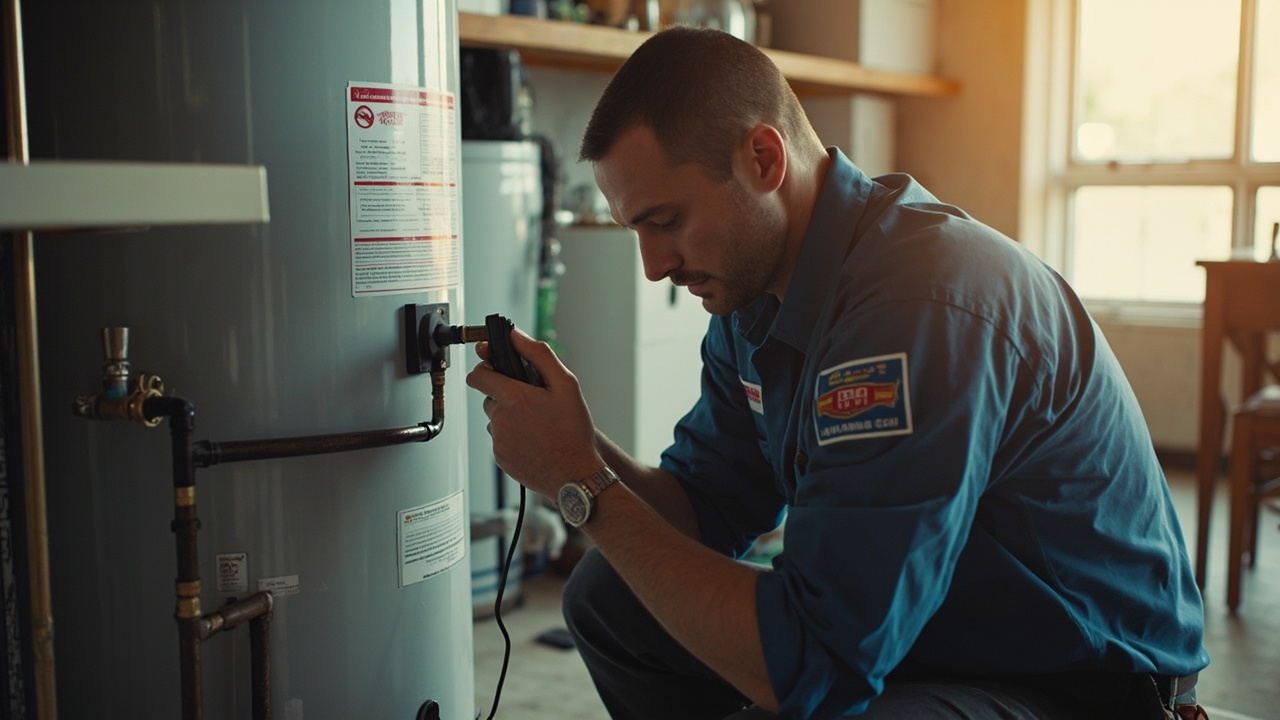
For electric heaters, we test each heating element with a multimeter. We check resistance values against manufacturer specifications. A reading of infinity means the element has an open circuit and failed. We also test both thermostats under load conditions because thermostats can test fine when cold but fail under operating temperature.

On gas heaters, we inspect the burner flame pattern. A proper flame burns blue with minimal yellow tipping. Excessive yellow indicates improper combustion from a dirty burner or incorrect gas-air mixture. We check draft hood operation and flue venting to rule out backdrafting that trips the thermal cutoff.

We inspect the temperature and pressure relief valve for calcification. A stuck T&P valve creates dangerous pressure buildup. We examine all water connections for hidden leaks that might trigger the high-limit switch.

This systematic approach identifies the real problem, not just the obvious symptom.

What Happens During Your Water Heater Diagnosis

No Hot Water Diagnosis in Atlanta – Expert Troubleshooting That Identifies the Real Problem Fast
01

Initial System Assessment

We start by gathering information about when the hot water stopped, any unusual sounds or smells, and recent changes to your plumbing system. We inspect the installation environment, check for visible leaks or corrosion, and verify proper venting and clearances. We test your hot water at multiple fixtures to establish baseline temperature and pressure readings that guide the diagnostic process.
02

Component Testing

We systematically test each component that affects water heating. This includes electrical testing of thermostats, heating elements, and control circuits, or gas system checks of the pilot assembly, gas valve, and burner operation. We measure inlet and outlet temperatures, test pressure relief valve operation, and inspect the anode rod condition. Each test either confirms proper function or identifies the failed component.
03

Diagnosis Report and Options

We explain exactly what caused your hot water failure in clear terms you can understand. You receive a detailed breakdown of the problem, available repair options, and honest guidance about whether repair or replacement makes financial sense. We provide transparent pricing for each option so you can make an informed decision. No pressure, no upselling, just the facts about your water heater.

Why Atlanta Homeowners Trust Elite Plumbing for Water Heater Diagnosis

Water heater diagnosis requires actual knowledge, not YouTube tutorials and hope. Elite Plumbing Atlanta brings factory-level training on every major water heater brand sold in Georgia. We know the common failure points on Bradford White, Rheem, AO Smith, and Navien units because we work on them daily.

Atlanta's building codes require specific installation standards for water heaters, including proper venting, seismic strapping in certain applications, and expansion tank installation on closed plumbing systems. We know these requirements because we work with City of Atlanta and DeKalb County inspectors regularly. When we diagnose your system, we also verify code compliance that affects safety and function.

The mineral content in Atlanta's water creates specific failure patterns. We see accelerated anode rod depletion in areas served by certain treatment plants. We recognize the symptoms of hard water damage versus age-related component failure. This local knowledge matters because the repair strategy changes based on the underlying cause.

Many plumbing companies send generalists who know basic troubleshooting but lack deep diagnostic skills. They swap parts until something works. That approach costs you money and extends your time without hot water.

We invest in diagnostic equipment that most companies skip. We carry digital multimeters, combustion analyzers, and thermal imaging cameras that reveal problems invisible to the naked eye. We can spot a failing heating element before it completely dies, identify hot spots that indicate internal tank damage, and detect gas leaks that pose safety risks.

Our technicians receive ongoing training on new water heater technology, including tankless systems, heat pump hybrids, and condensing gas models. The equipment evolves, and so does our knowledge base.

When we diagnose your water heater, you get certainty, not guesses.

What to Expect During Your Diagnosis Appointment

Same-Day Diagnostic Availability

We know cold showers and dirty dishes pile up fast when hot water disappears. Elite Plumbing Atlanta offers same-day diagnostic appointments for most Atlanta neighborhoods. We stock our trucks with common repair parts so if the diagnosis reveals a simple fix like a tripped high-limit switch or failed heating element, we can often complete the repair immediately. Call before noon and we can typically arrive the same afternoon. Our diagnostic service runs seven days a week because water heaters do not respect weekends.

Comprehensive Testing Process

Plan on 45 to 90 minutes for a complete water heater diagnosis. We do not rush through testing because missed problems lead to repeat service calls. You will see us test voltage, measure resistance, check gas pressure, inspect venting, drain sample water, and verify safety device operation. We explain what we are testing and why it matters. You get photos of any damage or wear we discover. The diagnostic fee applies toward same-day repairs, so the testing costs you nothing if you proceed with our recommended fix.

Clear Diagnosis and Repair Options

You receive a written diagnosis that explains the failure in plain language, not plumber jargon. We present all available options, from simple repairs to full replacement, with honest guidance about which path makes financial sense. If your 15-year-old water heater needs a third repair, we will tell you replacement offers better value. If your two-year-old unit just needs a thermostat, we will recommend the repair. Our goal is solving your problem efficiently, not maximizing our ticket size. You decide how to proceed with complete information.

Post-Diagnosis Support

After diagnosis and any repair work, we provide maintenance recommendations specific to your water heater and Atlanta's water conditions. You learn how often to flush your tank, when to replace the anode rod, and what warning signs indicate developing problems. We offer annual maintenance plans that catch small issues before they become complete failures. All our repair work includes parts and labor coverage, and we stand behind every diagnosis. If we misidentify the problem, we make it right at no additional charge.

Frequently Asked Questions

You Have Questions,
We Have Answers

What is the most common cause of no hot water? +

The most common cause is a failed heating element in electric water heaters or a malfunctioning gas burner in gas units. In Atlanta homes, sediment buildup from hard water accelerates element failure. Other frequent culprits include tripped circuit breakers, blown fuses, or extinguished pilot lights. Older water heaters (10-plus years) often suffer component wear. For tankless units, mineral deposits clog heat exchangers, particularly in areas with Atlanta's moderately hard water. If your breaker panel shows no trips and the pilot light is lit, you likely have a failed heating element or thermostat requiring professional diagnosis.

How to diagnose no hot water? +

Start at the water heater. Check if the pilot light is lit on gas units or if the circuit breaker has tripped on electric models. Feel the tank's exterior. If cold, the heating system has failed. For electric heaters, test both thermostats with a multimeter to verify power flow. Inspect the pressure relief valve for leaks. Check for error codes on digital displays. In Atlanta homes, inspect the gas supply line for interruptions or the electrical disconnect switch position. Listen for unusual sounds like popping or rumbling, which signal sediment buildup. If basic checks fail, call a licensed plumber for advanced diagnostics.

What would cause hot water to not work? +

Hot water failure stems from power supply issues, failed heating components, or fuel delivery problems. Electric water heaters lose function when heating elements burn out or thermostats fail. Gas models stop working when pilot lights extinguish, gas valves malfunction, or thermocouples fail. Sediment accumulation, common in Atlanta due to mineral-heavy water, insulates heating elements and reduces efficiency. Dip tube deterioration sends cold water to your fixtures instead of the tank bottom. Tripped high-limit switches shut down overheated systems. For tankless models, blocked vents or failed ignition systems stop heat production. Proper diagnosis identifies the specific failure point.

Why have I suddenly got no hot water? +

Sudden hot water loss typically indicates component failure or power interruption. Your heating element may have burned out, or the thermostat failed. Check your electrical panel for tripped breakers or blown fuses. Gas water heaters lose hot water when pilot lights extinguish due to drafts or thermocouple failure. Atlanta's seasonal temperature swings stress water heater components, accelerating wear. A broken dip tube causes cold and hot water mixing. Sediment buildup can suddenly insulate heating elements enough to stop function. If you recently experienced power fluctuations or storms, electrical components may need replacement. Professional diagnosis pinpoints the exact cause.

Why am I getting hot water in my kitchen but not my bathroom? +

This pattern suggests a circulation or piping issue rather than water heater failure. The kitchen is typically closer to the water heater, so hot water reaches it faster. Your bathroom may have a blocked hot water supply line, a failed fixture valve, or sediment clogging the pipe. In older Atlanta homes, galvanized pipes corrode internally and restrict flow. A malfunctioning mixing valve at the bathroom fixture can block hot water. Check if other bathrooms have hot water to isolate the problem. If only one fixture fails, the issue is localized. If multiple distant fixtures fail, you may need a recirculation system or pipe repair.

Is it an emergency if you have no heating or hot water? +

It depends on the season and your household situation. In Atlanta's winter months, lack of hot water and heat creates health risks, particularly for young children, elderly residents, or those with medical conditions. Frozen pipes can burst when temperatures drop overnight, causing thousands in water damage. If your heating system and water heater share components or fuel sources, simultaneous failure may indicate a dangerous gas leak or electrical fault requiring immediate attention. During mild weather, it is less urgent but still needs prompt repair. Call a plumber immediately if you smell gas, see water pooling, or temperatures will drop below freezing overnight.

When should I call a plumber for no hot water? +

Call a plumber immediately if you smell gas, see water leaking from the tank, hear hissing sounds, or notice rust-colored water. Contact a professional when basic troubleshooting (checking breakers, relighting pilot lights) fails to restore hot water. If your water heater is over 10 years old and stops working, replacement may be more cost-effective than repairs. In Atlanta homes, call when you suspect sediment buildup is damaging components or when error codes display on tankless units. Same-day service is necessary if you have no backup hot water source and need bathing facilities. Schedule service within 24 hours for complete hot water loss affecting your household.

How to reset boiler for hot water? +

Most modern boilers have a reset button on the control panel, typically red or black. Press and hold for three seconds, then release. Wait five minutes for the system to restart. If the boiler does not fire, check the thermostat setting and verify it is calling for heat. Ensure gas supply valves are fully open and the electrical disconnect switch is on. Low water pressure prevents boiler operation, so check the pressure gauge. It should read between 12 and 15 PSI when cold. In Atlanta homes with older boilers, consult your manual for model-specific reset procedures. If repeated resets are needed, call a plumber to diagnose the underlying fault.

How do I test if my hot water heater is bad? +

Test for hot water at multiple faucets. If none produce heat, the heater has failed. For electric units, flip the circuit breaker off and on. If it trips immediately, the heating element has shorted. Listen for the burner igniting on gas models. No ignition sound indicates burner failure. Check the temperature setting. If maxed out but water stays cold, the thermostat or heating element has failed. Inspect the pressure relief valve for constant dripping, which signals overheating or excess pressure. In Atlanta, rust-colored water or metallic smells indicate internal tank corrosion. Age is critical. Water heaters over 12 years old with these symptoms need replacement, not repair.

Why does my cold water work but not my hot water? +

Cold water operates on direct line pressure from the municipal supply, while hot water requires your water heater to function. This symptom confirms your cold water plumbing and main supply are intact. The problem is isolated to the water heater or hot water distribution system. Check if the water heater has power (electric) or gas supply. A failed heating element, extinguished pilot light, or tripped high-limit switch stops heat production. In Atlanta homes, check for a closed hot water shutoff valve at the heater or along the hot water lines. Sediment buildup or a broken dip tube can also prevent hot water circulation while cold water flows normally.

How Atlanta's Hard Water Complicates Water Heater Diagnosis

Atlanta's municipal water contains 80 to 120 milligrams per liter of dissolved minerals, placing it in the moderately hard to hard category. This mineral content creates diagnostic challenges because sediment buildup mimics other failures. A water heater that seems to have a dead lower heating element might actually have 6 inches of calcium carbonate sediment insulating the element from the water. The element tests fine electrically but cannot transfer heat. Proper diagnosis requires draining the tank and physically inspecting for buildup, not just electrical testing. Areas served by the Chattahoochee Water Treatment Plant see particularly high calcium levels that accelerate this problem.

Elite Plumbing Atlanta has diagnosed water heater failures across every Atlanta neighborhood from Virginia Highland to East Point. We understand the specific challenges created by local water chemistry, the mix of old and new housing stock, and the variety of installation conditions found in everything from 1920s bungalows to new Inman Park condos. This local experience matters because water heater problems in a crawlspace installation differ from basement installations, and the repair approach changes based on access and environmental factors. We maintain relationships with Atlanta Building and Inspections departments, ensuring our work meets current code even when diagnosing systems installed under older standards.
Plumbing Services in The Atlanta Area

Elite Plumbing is conveniently located to serve the greater Atlanta area. Whether you're looking to visit our office, need to understand our service radius, or simply want to know where we're based, our map provides a clear visual. We pride ourselves on being accessible to all our clients, ensuring prompt and efficient service delivery across the region for all your plumbing needs.

Address:
Elite Plumbing Atlanta, 434 Marietta St NW, Atlanta, GA, 30313

Additional Services We Offer

Our news updates

Latest Articles & News from The Blogs

What Every Midtown Homeowner Should Know About Shared Sewer Laterals Living in Midtown Atlanta means enjoying historic charm and vibrant…

What Every Midtown Homeowner Should Know About Shared Sewer Laterals

What Every Midtown Homeowner Should Know About Shared Sewer Laterals Living in Midtown Atlanta means enjoying historic charm and vibrant…

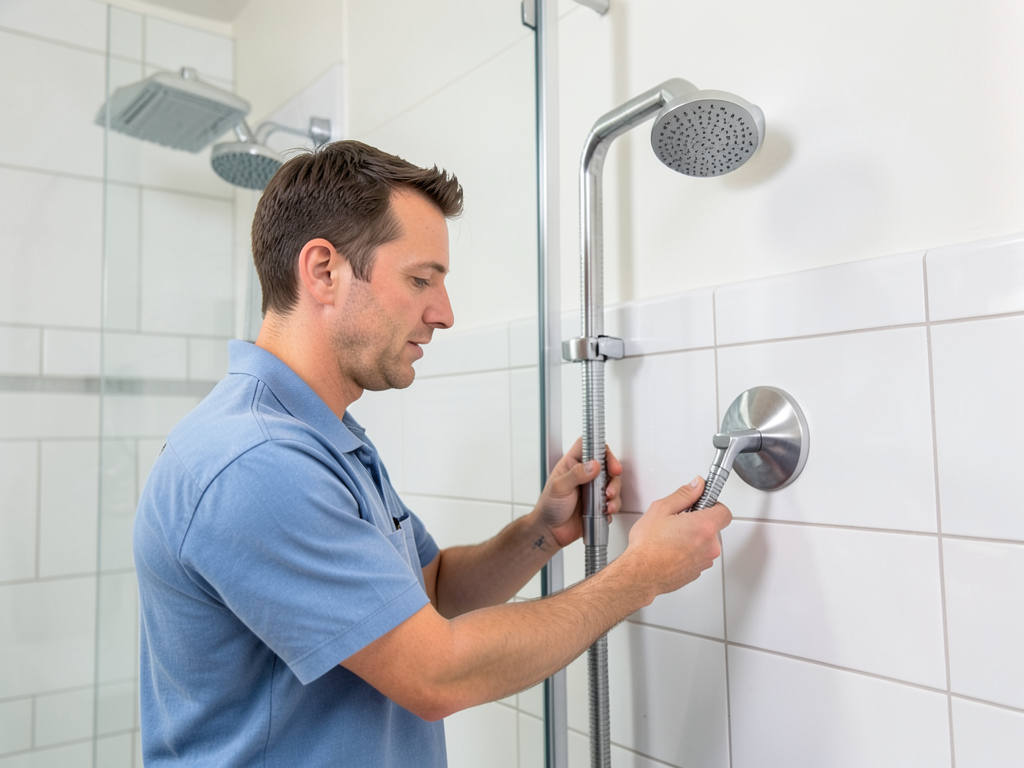
Choosing a High Performance Showerhead That Still Meets Georgia Water Flow Standards

Choosing a High Performance Showerhead That Still Meets Georgia Water Flow Standards Looking for a showerhead that delivers a powerful…

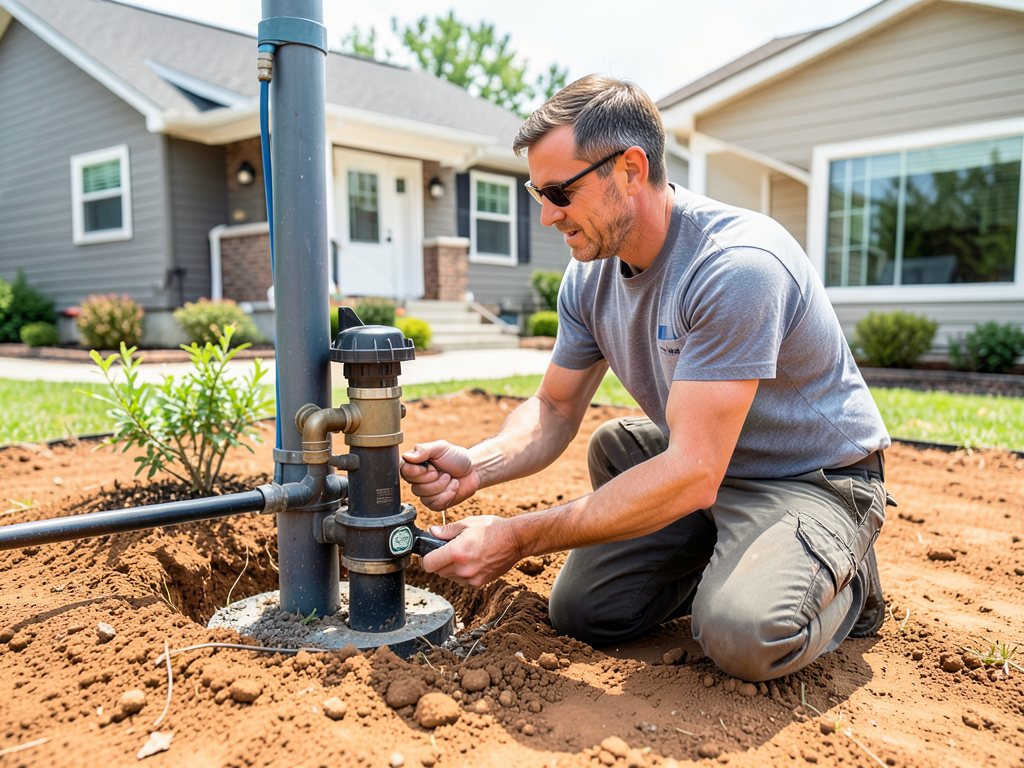
Why Your New Milton Home Needs a Dedicated Backflow Preventer for the Irrigation System

Why Your New Milton Home Needs a Dedicated Backflow Preventer for the Irrigation System Every new home in Milton with…

Contact Us

Stop guessing about your water heater problem. Call Elite Plumbing Atlanta at (770) 610-5522 for accurate diagnosis that identifies the real issue. Same-day appointments available across metro Atlanta. We find the problem, explain your options, and get your hot water running again.