




Menu

Wet Spots in Yard in Atlanta – Expert Diagnosis and Permanent Underground Leak Repair

When you notice wet spots in your yard that won't dry out, you're likely dealing with a hidden leak in your water or sewer line. Elite Plumbing Atlanta uses precision leak detection to find the source fast and repair it right the first time.

Slider Image 1
Slider Image 2
Slider Image 3
Slider Image 4
Slider Image 5
Slider Image 7
Slider Image 8
Slider Image 9
Slider Image 10
Slider Image 11

Why Your Atlanta Yard Stays Wet Even When It Hasn't Rained

You walk outside and see soggy patches in lawn that never seem to dry. The grass is greener in one spot. There's unexplained standing water near your foundation or along the driveway. You haven't watered. It hasn't rained in days. Something underground is leaking.

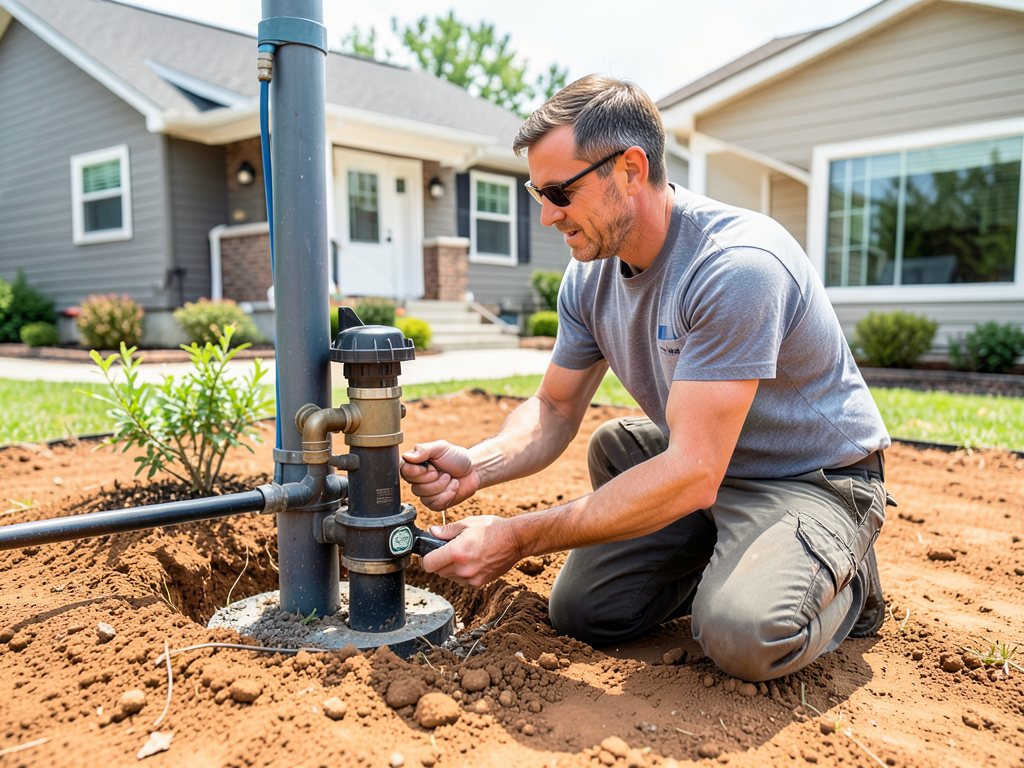
Atlanta's clay soil makes this problem worse. When water from a broken pipe saturates the dense clay beneath your yard, it spreads slowly. The soil holds moisture like a sponge, creating pooling water in yard areas that seem random. You might see saturated areas in grass near the street where your main water line runs, or damp spots in lawn closer to your home where sewer laterals connect.

These wet spots are not cosmetic problems. They signal underground pipe failure. The longer water leaks beneath your property, the more soil erosion occurs. Foundations shift. Driveways crack. Water bills spike. If the leak is on the sewer side, you're also dealing with contamination risks that affect your family and neighbors.

Most homeowners assume soggy ground means poor drainage or a sprinkler issue. They add mulch or adjust irrigation schedules. The problem persists because the real cause is six feet underground. A corroded galvanized pipe. A cracked PVC joint. Tree roots that punctured a clay sewer line. You cannot fix what you cannot see.

The clay soil common in Metro Atlanta creates another challenge. It swells when wet and shrinks when dry. This constant expansion and contraction puts pressure on aging underground pipes. A pipe that was fine five years ago can develop a hairline crack that turns into a full break. That break floods the soil above it. You see the result as a wet spot that won't go away.

Why Your Atlanta Yard Stays Wet Even When It Hasn't Rained
How We Pinpoint Hidden Leaks Without Destroying Your Yard

How We Pinpoint Hidden Leaks Without Destroying Your Yard

We do not guess. We do not dig randomly. We use electronic leak detection equipment to locate the exact point of failure before we ever touch a shovel.

Our process starts with a pressure test on your water lines. We isolate sections of your plumbing system to determine whether the leak is on the supply side or the waste side. If your water meter is running when all fixtures are off, we know you have a pressurized line break. If you see wet spots but the meter is static, we look at your sewer lateral.

Once we narrow the system, we deploy acoustic listening devices. These sensors pick up the sound of water escaping a pressurized pipe underground. We can hear it through six feet of soil and clay. We mark the location with spray paint. This is where we dig.

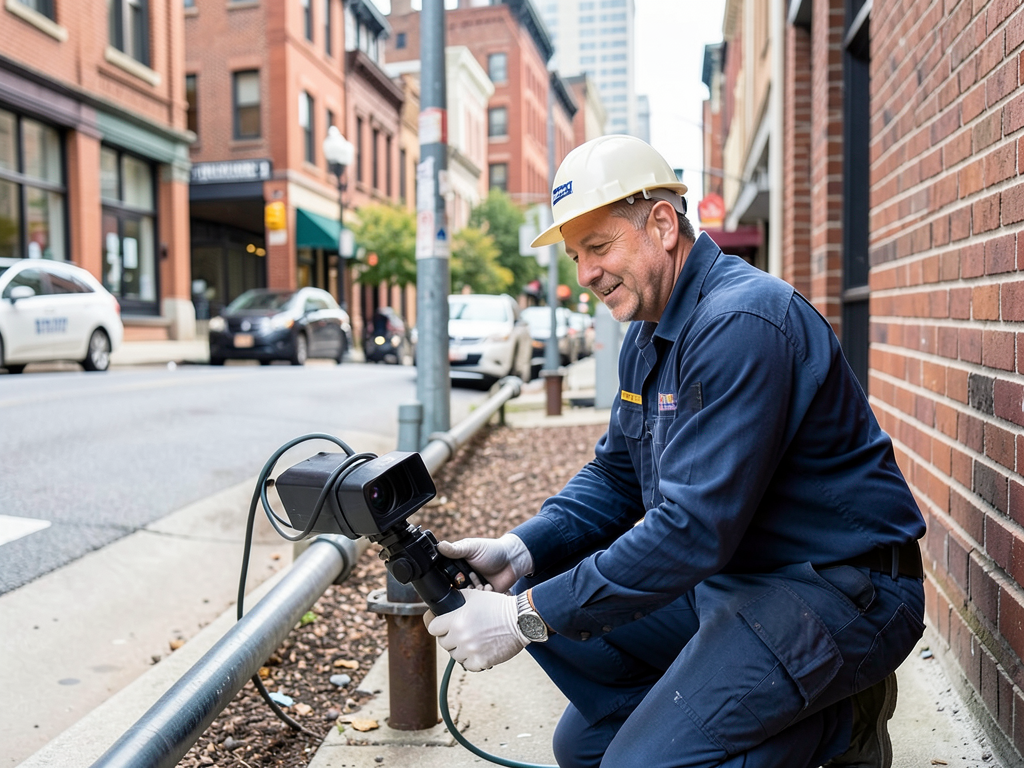
For sewer line leaks, we use video camera inspection. We feed a waterproof camera through your cleanout access and record the interior condition of your drain lines. We can see root intrusion, offset joints, and collapsed sections in real time. The camera has a locator beacon. We track it from above ground and mark the exact spot where the pipe is broken.

This technology saves you money. Instead of excavating your entire front yard to find a leak, we open a targeted repair zone. We dig one small access point, replace the damaged section, backfill with compacted soil, and restore your landscaping. The repair is surgical, not destructive.

We also test for cross-contamination. If your sewer line is leaking into the same soil where your water line runs, there is a risk of backflow contamination. We verify your backflow prevention devices are functioning and recommend upgrades if needed. This is not optional in Atlanta. It is a code requirement and a health safeguard.

What Happens When You Call Us About Wet Spots

Wet Spots in Yard in Atlanta – Expert Diagnosis and Permanent Underground Leak Repair
01

Initial Site Assessment

We walk your property and examine the wet areas. We check your water meter for movement. We look at the location of your main water line, irrigation lines, and sewer lateral. We ask about recent water bills and how long the wet spot has been visible. This gives us a baseline before we deploy detection equipment.
02

Leak Detection and Confirmation

We use acoustic sensors, pressure testing, and video camera inspection to locate the source. We confirm whether the leak is on the water supply side or sewer side. We mark the exact location and explain what we found before we begin excavation. You see the video footage. You understand the scope of the repair.
03

Excavation and Permanent Repair

We dig only where needed. We expose the broken section, cut out the damaged pipe, and install a new section with updated materials. We pressure test the repair to confirm it holds before backfilling. We compact the soil in layers to prevent future settling. Your yard is restored and the wet spot is gone for good.

Why Atlanta Homeowners Trust Local Plumbers Who Understand Clay Soil

You need a plumber who knows how Metro Atlanta's soil behaves. The red clay that defines this region is not like the sandy loam you find in coastal areas or the rocky substrates common in other parts of Georgia. Clay soil is plastic when wet and hard as concrete when dry. It moves. It shifts. It cracks pipes that were installed correctly but cannot withstand decades of expansion and contraction.

We have repaired underground leaks in every Atlanta neighborhood. We know where the oldest water mains are located. We know which subdivisions were built in the 1970s with galvanized steel that is now corroded through. We know which areas have mature oak trees with root systems that infiltrate sewer lines. This local knowledge allows us to diagnose faster and recommend the right repair method the first time.

We also understand Atlanta's building codes and permit requirements. If your repair involves a main sewer line that connects to the city system, we pull the permits and coordinate inspections. If your leak is near a right of way or easement, we verify property boundaries before we dig. This protects you from fines and ensures the work is compliant.

Elite Plumbing Atlanta operates with transparency. We show you the video footage of your broken pipe. We explain your repair options. We provide written estimates before we start work. If you need to file a homeowner's insurance claim for the damage, we document everything with photos and detailed invoices. We have worked with every major insurance carrier in Georgia. We know what they require.

We do not upsell unnecessary services. If your wet spot is caused by a single cracked joint, we replace that joint. If the entire lateral needs replacement, we explain why and show you the evidence. You make informed decisions because we give you the facts.

What You Can Expect When We Repair Your Underground Leak

Response Time and Scheduling

We respond to wet spot concerns within 24 hours. If your water bill has doubled or you suspect a major line break, we prioritize same-day service. Most leak detection appointments take two to three hours. If we find a problem, we provide a repair estimate on site. We can schedule excavation work within 48 hours in most cases. If your leak is causing foundation concerns or flooding your crawlspace, we treat it as an emergency and mobilize immediately.

Leak Detection Process

We start with a visual inspection and water meter test. If the meter confirms a leak, we use acoustic listening devices to trace the sound of escaping water. For sewer line issues, we insert a camera through your cleanout and record the entire lateral. You watch the video with us. We pause at the problem area and explain what you are seeing. We mark the location with high-accuracy GPS coordinates and spray paint. This eliminates guesswork and reduces excavation costs.

Quality of Repair Work

We use Schedule 40 PVC for water line repairs and Schedule 40 or SDR35 PVC for sewer laterals, depending on depth and load requirements. All joints are solvent-welded or compression-fitted to manufacturer specifications. We pressure test water line repairs to 150 PSI before backfilling. Sewer line repairs are tested with a camera reinspection to confirm proper slope and alignment. We compact soil in six-inch lifts and restore grass or landscaping to match the surrounding area.

Post-Repair Monitoring and Support

After we complete the repair, we recommend monitoring your water meter for 48 hours to confirm the leak is resolved. We provide a detailed invoice that includes photos of the excavation, the damaged pipe, and the completed repair. If you experience any settling in the repair area within 30 days, we return to re-compact and top-dress the soil at no charge. We also offer annual camera inspections for sewer lines to catch future problems before they cause wet spots.

Frequently Asked Questions

You Have Questions,
We Have Answers

How do I fix a wet spot in my yard? +

First, identify the source. Check for broken sprinkler heads, leaking outdoor faucets, or underground pipe damage. If the wet spot persists after dry weather, you likely have a plumbing leak. Turn off your water main and watch your meter. If it keeps spinning, you have a leak. For surface drainage issues common in Atlanta's clay soil, install a French drain or regrade the area to direct water away. Persistent wetness can signal a sewer line break, which requires professional camera inspection and excavation to repair properly.

What causes wet spots in the yard? +

Wet spots form from underground pipe leaks, broken sewer lines, damaged sprinkler systems, or poor drainage. Atlanta's heavy clay soil compounds the problem because it drains slowly and traps water near the surface. Broken water supply lines create constant saturation. Cracked sewer pipes allow wastewater to seep into the soil. Downspouts dumping too close to your foundation can create pooling. Tree roots often puncture aging clay or cast iron pipes. If the wet area smells foul or has greener grass, suspect a sewer leak requiring immediate attention.

How to fix muddy spots in yard? +

Stop watering the area and let it dry for several days. Remove the muddy topsoil down to firm ground. Install a four-inch perforated drain pipe in a gravel-filled trench to redirect water. Backfill with coarse sand mixed with compost to improve drainage. Atlanta's red clay holds water, so amending the soil is critical. If mud returns quickly after rain, you may have a leaking underground pipe. Check your water bill for unexplained increases. A plumber can run a pressure test to confirm pipe integrity before you invest in landscaping repairs.

How to dry up swampy land? +

Install a comprehensive drainage system with French drains and catch basins. Dig trenches sloped at one inch per eight feet, line with landscape fabric, fill with gravel, and add perforated pipe. Direct runoff to a lower area or storm drain. For large swampy zones in Atlanta yards, consider a dry well or rain garden. Amend the soil with sand to break up clay. If the swamp sits over a leaking sewer or water line, drainage alone will not fix it. Get a leak detection survey before spending money on earthwork.

How to dry up a wet yard fast without drainage? +

Aerate the lawn with a core aerator to create channels for water absorption. Spread a half-inch layer of coarse sand or compost over the wet area and work it into the aeration holes. This breaks up Atlanta's dense clay soil. Redirect downspouts and use sandbags to channel surface water away temporarily. If the yard stays wet despite no recent rain, you have a leak. Check your water meter for movement when all fixtures are off. Fast fixes only work for surface water, not underground pipe breaks.

Can I just put topsoil over grass and reseed? +

No. Grass needs sunlight and air to germinate. Topsoil over existing grass smothers it and creates a spongy, unstable surface. For wet areas, you must fix the drainage issue first. Remove the existing grass, grade the soil away from structures, and amend Atlanta's clay with sand or compost. Seed or sod after the soil drains properly. If wetness comes from a leaking pipe, topsoil will turn into a muddy mess within weeks. Address the leak, repair the ground, then replant correctly for lasting results.

How to dry out a very wet lawn? +

Stop all irrigation immediately. Aerate deeply to punch holes through Atlanta's clay layer and allow water to percolate down. Apply gypsum to help break up compacted clay soil. Spread a quarter-inch layer of coarse sand over the lawn to improve surface drainage. If the wetness does not improve in three to five dry days, suspect a broken pipe. Check your water meter. If it moves with all taps off, call a plumber for leak detection. You cannot dry a lawn sitting over an active water or sewer leak.

What is the best fill for wet areas? +

Use coarse sand or pea gravel for wet areas. These materials drain fast and resist compaction. Avoid fine sand or topsoil, which turn to mud in Atlanta's clay conditions. For low spots, use a sand and compost mix to encourage grass growth while improving drainage. For French drain trenches, use three-quarter-inch washed gravel around perforated pipe. If the wet area results from a repaired pipe leak, backfill the trench with gravel first, then sand, then topsoil to prevent future settling and pooling.

How to detect water leaks in a yard? +

Walk your property after two dry days. Wet spots, unusually green patches, or sunken areas indicate leaks. Listen for hissing sounds near the water meter or along pipe routes. Turn off all water inside and outside, then check if your meter dial is spinning. If it moves, you have a leak. For precise location, hire a plumber with electronic leak detection equipment. They use acoustic sensors and ground-penetrating tools to pinpoint breaks without digging up your entire yard. Atlanta's clay soil often hides leaks until significant damage occurs.

What dries up mud quickly? +

Spread sand, sawdust, or kitty litter over the mud to absorb moisture. For larger areas, use hydrated lime, which pulls water from the soil and firms the surface within hours. Ventilate the area by aerating or turning the mud with a garden fork to expose more surface area to air. In Atlanta's humid climate, drying takes longer. If mud reappears quickly, you have a leak. Check your water meter and inspect nearby pipes. Temporary fixes will not work over an active water or sewer line break that keeps saturating the ground.

How Atlanta's Clay Soil and Aging Infrastructure Create Chronic Wet Spots

Atlanta sits on a foundation of Piedmont clay. This soil type retains moisture longer than sandy or loamy soils, which means wet spots caused by underground leaks stay visible for weeks. Many Atlanta homes were built between 1950 and 1980, when galvanized steel and clay pipe were standard materials. These pipes are now reaching end of life. Combine corroded pipes with expansive clay soil, and you get saturated areas in grass that signal underground failure. The seasonal rain patterns in Atlanta make this worse. Heavy spring storms saturate the soil, putting pressure on already weakened pipes. When they fail, the wet spot appears and persists through summer.

Elite Plumbing Atlanta has served Metro Atlanta homeowners for years. We understand the unique challenges of working in neighborhoods with mature tree canopies, aging sewer laterals, and strict city permitting requirements. We know which areas are served by DeKalb County water, which are on Fulton County systems, and which homes rely on private wells. This local knowledge allows us to diagnose wet spots faster and recommend repairs that comply with local codes. When you call a plumber who knows Atlanta's infrastructure, you get accurate answers and lasting solutions.
Plumbing Services in The Atlanta Area

Elite Plumbing is conveniently located to serve the greater Atlanta area. Whether you're looking to visit our office, need to understand our service radius, or simply want to know where we're based, our map provides a clear visual. We pride ourselves on being accessible to all our clients, ensuring prompt and efficient service delivery across the region for all your plumbing needs.

Address:
Elite Plumbing Atlanta, 434 Marietta St NW, Atlanta, GA, 30313

Additional Services We Offer

Our news updates

Latest Articles & News from The Blogs

What Every Midtown Homeowner Should Know About Shared Sewer Laterals Living in Midtown Atlanta means enjoying historic charm and vibrant…

What Every Midtown Homeowner Should Know About Shared Sewer Laterals

What Every Midtown Homeowner Should Know About Shared Sewer Laterals Living in Midtown Atlanta means enjoying historic charm and vibrant…

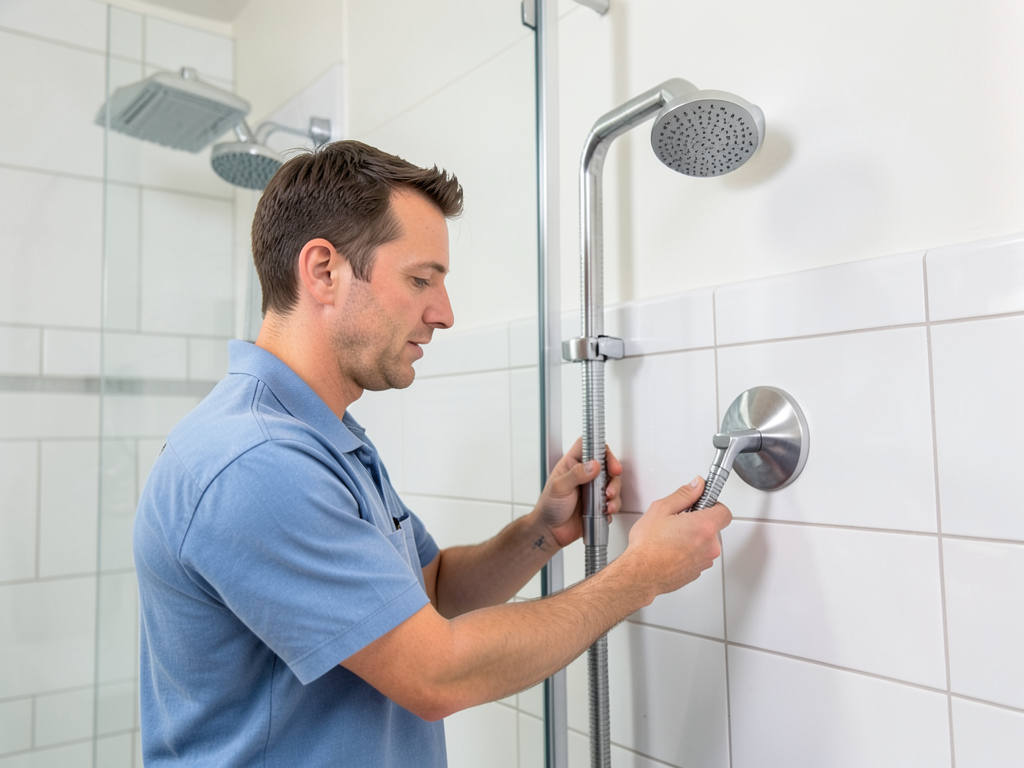
Choosing a High Performance Showerhead That Still Meets Georgia Water Flow Standards

Choosing a High Performance Showerhead That Still Meets Georgia Water Flow Standards Looking for a showerhead that delivers a powerful…

Why Your New Milton Home Needs a Dedicated Backflow Preventer for the Irrigation System

Why Your New Milton Home Needs a Dedicated Backflow Preventer for the Irrigation System Every new home in Milton with…

Contact Us

Wet spots do not fix themselves. Call Elite Plumbing Atlanta at (770) 610-5522 for fast, accurate leak detection and permanent underground pipe repair. We serve all of Metro Atlanta and respond within 24 hours.