




Menu

High Water Bills in Atlanta – Expert Leak Detection Saves You Hundreds

When your water bill suddenly spikes, hidden leaks are often the culprit. Elite Plumbing Atlanta uses advanced leak detection technology to pinpoint excessive water usage and stop the drain on your wallet.

Slider Image 1
Slider Image 2
Slider Image 3
Slider Image 4
Slider Image 5
Slider Image 7
Slider Image 8
Slider Image 9
Slider Image 10
Slider Image 11

Why Atlanta Homeowners Face Unexpected Water Bill Increases

You open your water bill and freeze. The number is double what you paid last month, yet you have not changed your water habits. This sudden spike in water bill is not random. Something in your plumbing system is quietly wasting thousands of gallons.

Atlanta's unique challenges make high water bills especially common. The city's clay soil shifts constantly with seasonal rain patterns. When the ground moves, it stresses your underground water lines. Small cracks form in the pipe joints. You never see the leak because it is buried three feet under your lawn. The water just keeps running, and your bill keeps climbing.

Inside your home, Atlanta's hard water accelerates wear on fixtures and supply lines. Toilet flappers deteriorate faster. Faucet washers crack sooner. A worn flapper can waste 200 gallons per day without making a sound. That is 6,000 gallons per month, which explains the skyrocketing water bill that appeared out of nowhere.

Many homeowners assume the meter is wrong or blame the utility company. They are rarely the problem. The unexplained high water bill almost always traces back to a physical leak in your system. The leak might be obvious, like a dripping outdoor spigot everyone ignores. More often, it is hidden behind a wall, under a slab, or in your irrigation system.

Excessive water usage from leaks compounds quickly. A pinhole leak in a pressurized supply line can lose 10 gallons per hour. Over 30 days, that is 7,200 gallons. In Atlanta, where water and sewer charges combine, you pay twice for every gallon wasted. The financial impact adds up fast, turning a small plumbing issue into a budget crisis.

Why Atlanta Homeowners Face Unexpected Water Bill Increases
How We Track Down Hidden Leaks Causing High Bills

How We Track Down Hidden Leaks Causing High Bills

Generic plumbers guess. We measure. When you call Elite Plumbing Atlanta for a high water bill investigation, we start with your meter. We shut off every fixture and appliance in your home, then watch the meter. If the dial still moves, water is escaping somewhere. This confirms a leak exists before we even enter your house.

Next, we isolate the problem zone. Your plumbing divides into sections: interior supply lines, exterior hose bibbs, irrigation systems, water heater connections, and sewer laterals. We test each zone systematically using pressure gauges and flow meters. This method eliminates guesswork and prevents unnecessary demolition.

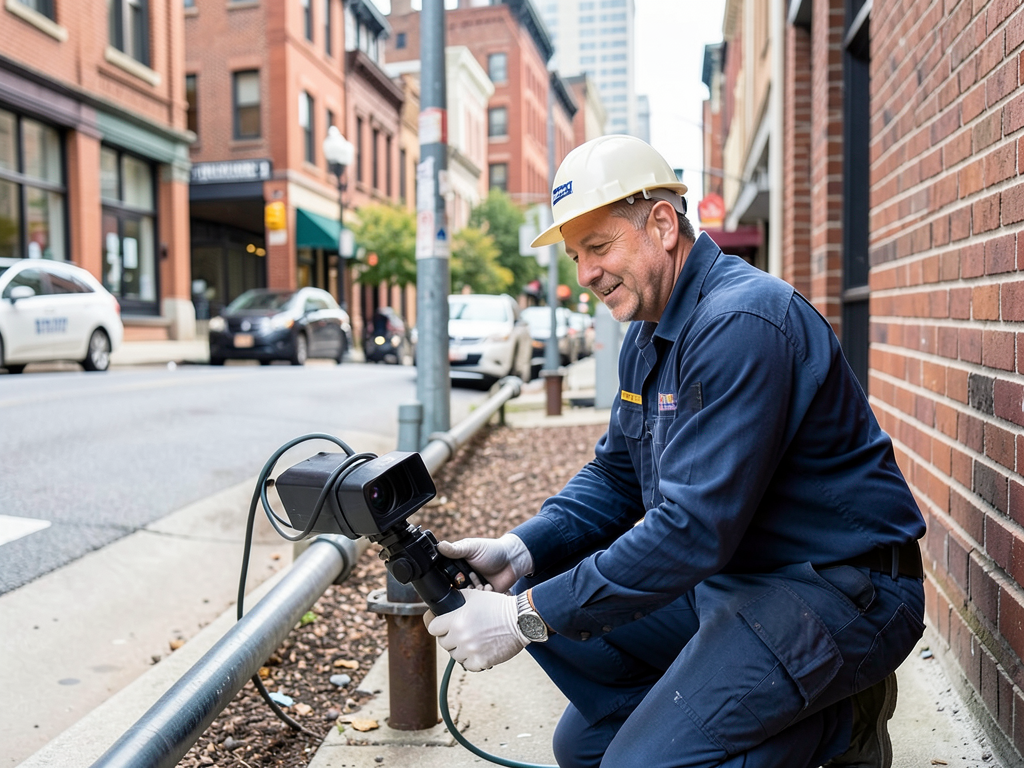
For concealed leaks in walls or under slabs, we deploy acoustic leak detection equipment. These sensors pick up the high-frequency sound of water escaping under pressure. We can locate a leak within inches without breaking concrete or cutting drywall. This technology is especially valuable in Atlanta's older homes where supply lines run through finished spaces.

Slab leaks deserve special attention. Atlanta builders poured thousands of homes on concrete slabs in the 1960s through 1990s. The copper supply lines embedded in those slabs are now aging out. When they fail, water seeps into your foundation. You might notice warm spots on the floor or hear water running when everything is off. We use thermal imaging cameras to map the leak location precisely before any jackhammering begins.

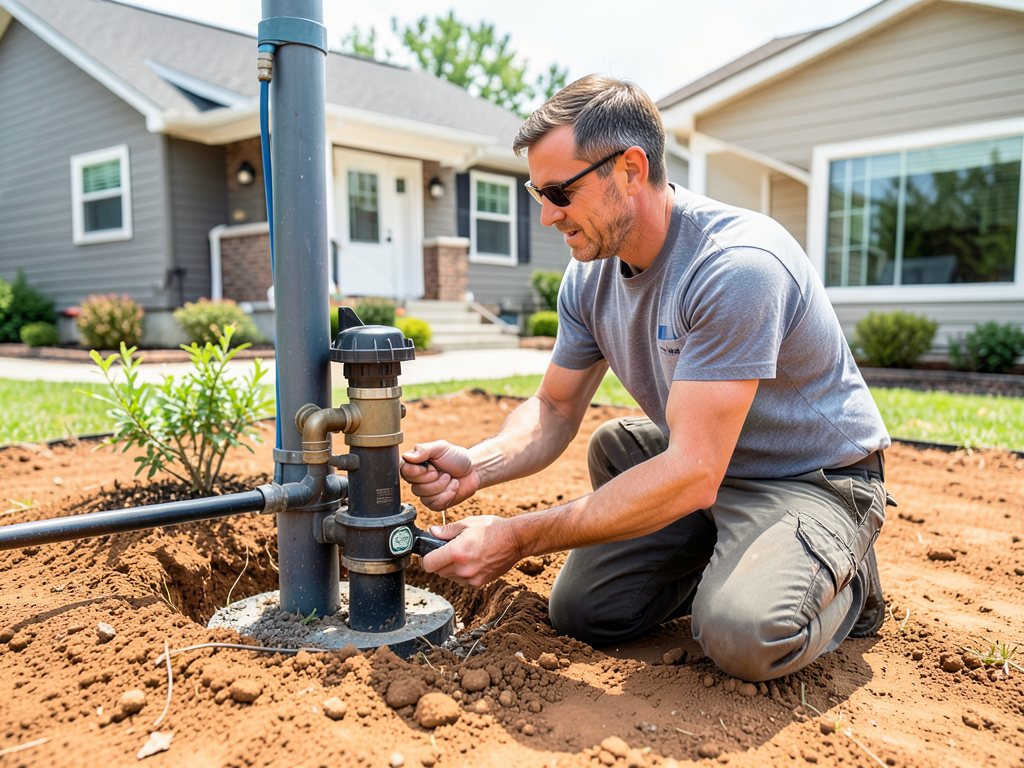
Irrigation systems are the most overlooked cause of sudden bill spikes. A single broken sprinkler head or a valve stuck open can dump hundreds of gallons overnight. We pressure-test each zone of your system independently and inspect every head for proper operation. Most homeowners never check their systems between seasons, which is when problems develop.

Our High Water Bill Investigation Process

High Water Bills in Atlanta – Expert Leak Detection Saves You Hundreds
01

Meter Analysis and Leak Confirmation

We start at your water meter with all fixtures shut off. If the meter continues registering flow, we have confirmed active water loss. We measure the flow rate to estimate leak severity. This baseline data tells us whether you are dealing with a minor drip or a major line failure that needs immediate attention.
02

Zone Isolation and Detection

We systematically test each section of your plumbing using pressure gauges, acoustic sensors, and thermal imaging. This narrows the leak location to a specific area without invasive exploratory work. We identify the exact pipe, fixture, or valve responsible for your excessive water usage before any repairs begin.
03

Repair and Verification

Once we locate the leak, we present repair options and complete the fix using quality materials rated for Atlanta water conditions. After the repair, we verify the meter stops moving with fixtures off and conduct a final pressure test. You get documentation of the repair for your records and insurance claims.

Why Atlanta Trusts Elite Plumbing Atlanta for Leak Detection

High water bill investigations require patience and precision. Many plumbing companies lack the diagnostic equipment to find hidden leaks accurately. They rely on visual inspection and educated guesses. When those guesses are wrong, you pay for repairs that do not solve the problem. Your bill stays high and frustration builds.

Elite Plumbing Atlanta invested in professional-grade leak detection technology because Atlanta's housing stock demands it. We serve neighborhoods filled with mid-century homes built on slabs. We work in Buckhead where irrigation systems water large properties. We handle emergencies in Midtown high-rises with complex vertical plumbing. Each situation needs different tools and expertise.

Our technicians train specifically on Atlanta's plumbing challenges. They understand how the local clay soil behaves during wet springs and dry summers. They recognize the common failure points in homes built during different decades. When we arrive at your property, we are not learning on your dime. We already know what typically causes sudden bill spikes in your type of home.

We also understand Atlanta's water billing structure. The city combines water and sewer charges, which means you pay roughly double for every gallon wasted. We factor this into our recommendations. Sometimes a small leak does not justify major excavation. Other times, a moderate leak will cost you more in six months of high bills than the repair itself. We help you make the financially smart decision.

Local expertise matters when your money is disappearing into the ground. We know which Atlanta neighborhoods have aging infrastructure. We understand when tree roots are likely culprits versus when pipe corrosion is the issue. We work with local utility departments and understand their procedures for disputed bills and leak adjustments. This knowledge protects you and speeds resolution.

What to Expect During Your Leak Investigation

Response Time and Scheduling

We understand that every day of delay costs you money. We typically schedule leak investigations within 24 to 48 hours of your call. Emergency situations where water is actively flooding get same-day response. The investigation itself takes two to four hours depending on your property size and system complexity. We arrive with all necessary diagnostic equipment so we can complete the assessment in a single visit. You will have answers the same day, not vague promises to return later with different tools.

The Diagnostic Evaluation

Our technician will ask about your recent water usage patterns and any changes you have noticed around your property. We need access to your meter, your main shut-off valve, and all plumbing fixtures. For outdoor investigations, we walk your entire property looking for soft spots, unusual vegetation growth, or signs of water accumulation. We test your irrigation system if you have one. The evaluation is thorough but non-destructive. We only cut into walls or concrete after we have pinpointed the exact leak location using our detection equipment.

Repair Quality and Materials

We use repair methods and materials suited to Atlanta water conditions. This means corrosion-resistant fittings, proper pipe bedding for clay soil installations, and backflow prevention where required by city code. We do not use temporary fixes that fail in six months. If your situation allows options, such as rerouting a line versus repairing under a slab, we explain the tradeoffs clearly. You make the final decision with full information about longevity and cost. All work meets or exceeds Atlanta building codes.

Documentation and Bill Adjustment Help

After completing repairs, we provide detailed documentation of the leak location, cause, and repair performed. This paperwork is critical if you plan to request a billing adjustment from Atlanta's Department of Watershed Management. The city offers leak adjustments under specific conditions, but you must prove the leak was underground and has been permanently repaired. We have helped dozens of customers recover hundreds of dollars through proper documentation. We also advise you on realistic expectations for adjustment eligibility based on your specific situation.

Frequently Asked Questions

You Have Questions,
We Have Answers

What runs your water bill up the most? +

Toilet leaks run your water bill up the most. A running toilet wastes 200 gallons per day. Irrigation systems and outdoor hose bibs rank second, especially in Atlanta's dry summer months when homeowners overwater lawns. Long showers and older, inefficient fixtures also spike usage. Atlanta homes built before 1994 often have 3.5-gallon-per-flush toilets instead of modern 1.6-gallon models. A dripping faucet seems minor but wastes 3,000 gallons yearly. Check your toilet flapper first. Drop food coloring in the tank. If color appears in the bowl without flushing, you have a leak.

What can cause a really high water bill? +

A slab leak causes a really high water bill. Water pipes buried under your foundation crack due to Atlanta's shifting clay soil or corroded galvanized lines in older homes. You pay for water pooling under concrete. Running toilets, broken irrigation zone valves, and leaking water heaters also cause spikes. A family member taking longer showers or a malfunctioning softener stuck in regeneration mode can double usage. Seasonal changes matter too. Atlanta residents often see higher bills in July and August from filling pools or watering drought-stressed landscaping. Check your meter reading history to spot sudden jumps.

How to tell if you have a water leak on the meter? +

Turn off every faucet, appliance, and irrigation system inside and outside your home. Locate your water meter near the street or sidewalk. Lift the cover and watch the small triangle dial or sweep hand. If it moves at all, you have a leak. Atlanta Water Department meters are sensitive. Even slow movement confirms water flowing somewhere. Write down the numbers, wait one hour without using water, then recheck. If the reading changed, you are losing water. The leak could be underground, in a wall, or at a fixture. A plumber can pinpoint the source.

How much should a normal water bill be per month? +

A normal water bill for an Atlanta household averages 50 to 80 dollars per month. This assumes a family of four using roughly 6,000 to 8,000 gallons monthly. Your bill includes water, sewer, and stormwater fees. Homes in unincorporated DeKalb or Fulton counties may see different rate structures. Older homes with outdated fixtures or properties with irrigation systems often run higher. Atlanta Department of Watershed Management charges tiered rates. Usage over 9,000 gallons pushes you into a higher bracket. If your bill exceeds 100 dollars without irrigation or a pool, investigate leaks or phantom usage from running toilets.

Why did my water bill go up $400? +

A 400-dollar spike signals a major leak or meter misread. A slab leak, broken main line, or ruptured water heater can dump thousands of gallons daily. Atlanta's clay soil shifts, cracking pipes under foundations. A stuck irrigation valve or forgotten hose left running for days also causes this. Contact Atlanta Water Department immediately to verify the meter reading. Request a meter test. If confirmed accurate, hire a licensed plumber to perform a pressure test and acoustic leak detection. Many homeowners discover toilet flappers stuck open or PRV valves failing. You may qualify for a leak adjustment credit on your bill.

How do I check for hidden leaks? +

Check your water meter with all fixtures off. If the dial moves, you have a hidden leak. Inspect under sinks, around water heaters, and behind toilets for moisture or stains. Atlanta homes with crawl spaces should check for pooling water or damp insulation. Listen for hissing sounds near walls or floors. Drop food coloring in toilet tanks. Color in the bowl without flushing means a flapper leak. Check your irrigation controller. A stuck zone valve bleeds water underground. Examine your water bill for sudden usage spikes. Many leaks hide in walls or under slabs, requiring professional detection equipment.

How can I check for water leaks? +

Shut off all water inside and outside your home. Check the water meter. A spinning dial confirms a leak. Inspect visible pipes under sinks, behind toilets, and near your water heater for drips or corrosion. Walk your property looking for soggy spots, unusually green grass, or sinking pavement. These signal underground leaks common in Atlanta due to shifting clay soil. Test toilets with food coloring in the tank. Listen for running water sounds in walls. Check your irrigation system for broken sprinkler heads or stuck valves. Professional plumbers use thermal imaging and acoustic sensors to locate hidden leaks.

Is $100 a lot for a water bill? +

One hundred dollars is high for basic water usage in Atlanta. The average household pays 50 to 80 dollars monthly. If you run irrigation, have a pool, or own a larger home with multiple bathrooms, 100 dollars may be normal. Atlanta Water Department rates increase with volume. Heavy usage pushes you into higher tiers. Older homes with inefficient toilets and fixtures use more water. Compare your bill to previous months. A sudden jump to 100 dollars suggests a leak or usage change. Check for running toilets, dripping faucets, or irrigation problems. Consider a water audit to identify waste.

What uses the most water in a house? +

Toilets use the most water in a house, accounting for 30 percent of indoor consumption. A family of four flushes 12 to 16 times daily. Older Atlanta homes with pre-1994 toilets use 3.5 gallons per flush versus modern 1.6-gallon models. Showers rank second at 20 percent, followed by faucets and washing machines. Outdoor irrigation dominates total household use in summer months. A single broken sprinkler head or leaking toilet wastes more than all your showers combined. Upgrading to WaterSense-labeled fixtures cuts usage significantly. Check toilets first if your bill spikes unexpectedly.

How do plumbers test for water leaks? +

Plumbers test for water leaks using pressure testing, acoustic listening devices, and thermal imaging cameras. A pressure test isolates sections of your plumbing and monitors for pressure drops, confirming a leak exists. Acoustic equipment detects the sound of water escaping pipes, even through concrete slabs common in Atlanta homes. Thermal cameras reveal temperature changes from water pooling in walls or under foundations. Plumbers also use tracer gas or dye tests for sewer line leaks. Video pipe inspection identifies cracks inside drains. These methods pinpoint exact leak locations without unnecessary demolition, saving you time and repair costs.

How Atlanta's Expansive Clay Soil Creates Hidden Plumbing Leaks

Atlanta sits on Piedmont clay soil that swells when wet and shrinks when dry. This constant expansion and contraction shifts the ground beneath your home throughout the year. Underground water lines experience stress at every joint and connection point. Over time, these joints separate slightly or develop hairline cracks. The leak starts small but grows as soil movement continues. This is why high water bills in Atlanta often appear suddenly after heavy spring rains or during summer droughts when the ground shifts most dramatically.

Elite Plumbing Atlanta has diagnosed leak issues in every Atlanta neighborhood, from historic Virginia Highland bungalows to new construction in Sandy Springs. We understand how different eras of construction respond to local soil conditions. Homes built before 1980 often have galvanized supply lines that corrode from the inside out. Properties from the 1980s and 1990s may have polybutylene pipes that are now failing system-wide. Newer homes are not immune either. Improper backfill during construction accelerates pipe stress. Local knowledge prevents misdiagnosis and wasted repair dollars.
Plumbing Services in The Atlanta Area

Elite Plumbing is conveniently located to serve the greater Atlanta area. Whether you're looking to visit our office, need to understand our service radius, or simply want to know where we're based, our map provides a clear visual. We pride ourselves on being accessible to all our clients, ensuring prompt and efficient service delivery across the region for all your plumbing needs.

Address:
Elite Plumbing Atlanta, 434 Marietta St NW, Atlanta, GA, 30313

Additional Services We Offer

Our news updates

Latest Articles & News from The Blogs

What Every Midtown Homeowner Should Know About Shared Sewer Laterals Living in Midtown Atlanta means enjoying historic charm and vibrant…

What Every Midtown Homeowner Should Know About Shared Sewer Laterals

What Every Midtown Homeowner Should Know About Shared Sewer Laterals Living in Midtown Atlanta means enjoying historic charm and vibrant…

Choosing a High Performance Showerhead That Still Meets Georgia Water Flow Standards

Choosing a High Performance Showerhead That Still Meets Georgia Water Flow Standards Looking for a showerhead that delivers a powerful…

Why Your New Milton Home Needs a Dedicated Backflow Preventer for the Irrigation System

Why Your New Milton Home Needs a Dedicated Backflow Preventer for the Irrigation System Every new home in Milton with…

Contact Us

Every month you wait costs you money. Call Elite Plumbing Atlanta at (770) 610-5522 right now to schedule your leak investigation. We will find the problem, fix it properly, and help you document everything for a potential bill adjustment.