Why Your Adair Park Bathroom Smells Like Rotten Eggs and How to Fix It
That rotten egg smell coming from your bathroom isn’t just unpleasant—it’s a warning sign. Sewer gas contains hydrogen sulfide and methane, both toxic and potentially explosive. If you’re in Adair Park and noticing this odor, you need to act fast. The good news? Many causes are simple fixes. The bad news? Some require immediate professional attention. How to Deal with Main Sewer Line Clogs in Your Decatur Bungalow.
Within the first 100 words, here’s what you need to know: Sewer gas smells in Adair Park bathrooms typically come from dry P-traps, damaged wax rings, or clogged vent stacks. These issues are common in Atlanta’s older homes, especially those built before the 1980s. Some fixes you can handle yourself, but if the smell persists or you notice other symptoms like gurgling drains, call (770) 610-5522 immediately. Atlanta Department of Watershed Management.
Immediate Safety Check: Is It Dangerous?
Before troubleshooting, understand the risks. Hydrogen sulfide (H2S) at high concentrations can cause headaches, nausea, eye irritation, and in extreme cases, unconsciousness or death. Methane is flammable and can create explosion hazards. If the smell is strong, you feel dizzy, or multiple drains are affected, evacuate the area and call for professional help.. Read more about Professional Well Pump Repair Services for Families in Fairburn.
Quick diagnostic test: Run water in all bathroom fixtures for 30 seconds. If the smell disappears, you likely had a dry P-trap. If it persists, you may have a more serious issue like a cracked vent pipe or sewer line problem.
5 Common Causes of Sewer Gas Smells in Adair Park Bathrooms
1. Evaporated P-trap Water
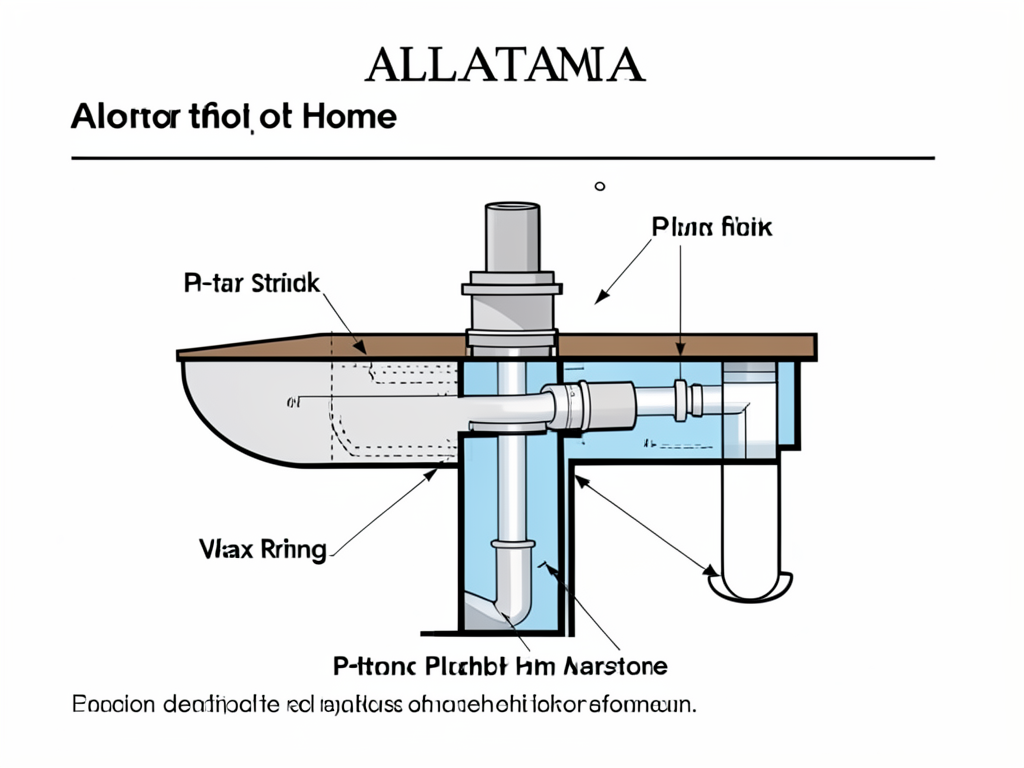
The most common culprit in Adair Park homes is a dry P-trap. These U-shaped pipes under sinks and showers hold water that blocks sewer gas from rising. In Atlanta’s humid climate, bathroom fixtures used infrequently (like guest bathrooms or basement showers) can dry out in as little as two weeks. What to Do When Your Marietta Basement Starts Flooding.
DIY fix: Run water in all fixtures for 30-60 seconds. This refills the P-traps and should eliminate the odor immediately. This works about 70% of the time for isolated bathroom smells.
2. Damaged or Worn Toilet Wax Rings
Adair Park features many historic homes built between 1900-1940 with original plumbing. Over decades, toilet wax rings deteriorate, creating gaps that allow sewer gas to escape. You’ll often notice this smell strongest near the toilet base. Plumbing Decatur.
Diagnostic test: Press on the toilet bowl. If it rocks even slightly, the wax ring has likely failed. Another sign: water pooling around the base after flushing.
3. Clogged Plumbing Vent Stacks
Atlanta’s mature tree canopy creates unique challenges. Leaves, debris, and even animal nests can block roof vent stacks, preventing proper sewer gas ventilation. This is especially common in Adair Park’s tree-lined streets where many homes back up to wooded areas.
Symptoms: Gurgling sounds when flushing, slow drains throughout the house, or the smell worsening during rainy weather when vents are more likely to be blocked.
4. Pipes with Cracks or Loose Connections
Georgia’s clay soil expands and contracts with moisture changes, putting stress on underground pipes. In Adair Park, many homes have cast iron or clay sewer lines that can crack over time. Even small cracks release sewer gas into wall cavities and crawl spaces.
Professional diagnostic: Smoke testing can identify these leaks. A non-toxic smoke is pumped into the plumbing system—if it escapes through walls or floors, you’ve found your problem area. Plumbing Roswell.
5. Biofilm and Drain Buildup
Not all bathroom odors are sewer gas. Biofilm—a slimy layer of bacteria and organic matter—can build up in drains, overflow holes, and P-traps. While it smells bad, it’s different from the sharp, chemical odor of hydrogen sulfide.
Distinguishing factor: Biofilm smells like rotten food or mildew. Sewer gas has that distinctive rotten egg chemical smell. If you’re unsure, clean the drains first with enzyme-based cleaner. If the smell returns within days, it’s likely sewer gas.
How We Diagnose Sewer Smells in Atlanta Homes
Professional plumbers use several diagnostic methods specific to Atlanta’s housing stock:
- Visual Inspection
We check for obvious signs: water damage, mold growth, loose toilets, and standing water around fixtures.
- Smoke Testing
Non-toxic smoke is introduced into the plumbing system. Escaping smoke reveals cracks, loose connections, or failed seals.
- Camera Inspection
A waterproof camera snakes through drain lines to identify cracks, root intrusion, or collapsed pipes common in Adair Park’s older infrastructure.
- Pressure Testing
We test the integrity of vent stacks and drain lines to identify where gas might be escaping.. Read more about Why Your Mableton Property Might Need a Better Water Filtration System for Well Water.
- Wax Ring Assessment
Each toilet is checked for movement and seal integrity, particularly important in Adair Park’s historic homes.
Atlanta-Specific Plumbing Concerns
Adair Park’s location in southwest Atlanta presents unique plumbing challenges. The neighborhood sits on Georgia red clay, which expands when wet and contracts when dry. This constant movement stresses plumbing connections and can cause microscopic cracks that leak sewer gas.
Many Adair Park homes were built between 1900-1950 with cast iron drain lines. These pipes have a lifespan of 50-75 years, meaning much of the neighborhood’s plumbing is at or beyond its expected service life. The Atlanta Department of Watershed Management reports that cast iron pipes in older neighborhoods like Adair Park are 3-4 times more likely to fail than modern PVC systems. EPA information on sewer gas hazards.
Another factor: Adair Park’s proximity to the BeltLine construction has caused minor ground shifts in some areas, potentially affecting underground plumbing connections. If you’ve noticed the smell since nearby construction began, this could be the cause.
Frequently Asked Questions
Can sewer gas make you sick?
Yes. Hydrogen sulfide exposure can cause headaches, dizziness, nausea, eye irritation, and respiratory issues. Long-term exposure to low levels may cause fatigue and difficulty concentrating. If you experience these symptoms along with the smell, evacuate and call for professional help immediately.
How much does it cost to fix a sewer leak?
Costs vary widely based on the cause. A simple P-trap refill or wax ring replacement costs $150-300. Vent stack clearing runs $200-500. Cracked pipe repairs range from $500-2,000 depending on accessibility. Complete sewer line replacement can cost $3,000-7,000. Most Adair Park homes fall in the $300-1,500 range for common fixes.
Does homeowners insurance cover sewer gas issues?
Standard policies typically don’t cover wear-and-tear plumbing problems. However, if the issue results from a sudden, accidental event (like tree root damage or construction-related shifting), you might have coverage. Check your policy or call your insurance provider for specifics.
How can I prevent sewer gas smells in the future?
Run water in unused fixtures weekly, especially in guest bathrooms or basements. Install drain covers to prevent debris from entering vent stacks. Consider annual plumbing inspections for older Adair Park homes. For vacation properties, pour mineral oil down drains before leaving—it forms a barrier that slows evaporation.
When to Call a Professional
DIY fixes work for about 70% of cases, but certain situations demand professional attention:
- The smell persists after refilling P-traps and cleaning drains
- You notice multiple drains gurgling or backing up
- The odor is strong throughout the house, not isolated to one bathroom
- You see water damage, mold, or moisture around plumbing fixtures
- You’ve had recent foundation work, construction, or severe weather events
Adair Park homes built before 1980 should have professional plumbing inspections every 3-5 years as preventative maintenance. The cost of inspection ($150-300) is minimal compared to emergency repairs or health issues from prolonged exposure. Who to Call for an Emergency Pipe Burst in Buckhead.
Local Resources and Compliance
All plumbing work in Adair Park must comply with the Georgia State Minimum Standard Plumbing Code, which adopts the International Plumbing Code with Georgia amendments. This code requires proper venting, trap seals, and backflow prevention devices.
For sewer line issues affecting the main line, contact the Atlanta Department of Watershed Management. They maintain records of sewer line locations and can provide guidance on whether the issue is on your property or in the city’s right-of-way.
According to Georgia plumbing code Section 305.4, all vent stacks must extend at least 6 inches above the roof and be protected from clogging by screens or other approved methods. Many Adair Park homes lack these protections, making them vulnerable to the very issues described in this article.

Take Action Today
Sewer gas isn’t just a nuisance—it’s a health hazard that demands immediate attention. If you’ve tried the simple fixes and the smell persists, don’t wait. The problem will only worsen, potentially leading to more expensive repairs and health risks.
Pick up the phone and call (770) 610-5522 before the next storm hits. Our Adair Park plumbing specialists can diagnose and fix the problem quickly, often on the same day. We serve the entire Adair Park area, including homes near the Adair Park Recreation Center and along the Metropolitan Parkway corridor.
Don’t let that rotten egg smell linger another day. Call (770) 610-5522 now for fast, professional service you can trust.