Dealing with Failing Cast Iron Sewer Pipes in Your Avondale Estates Property
Cast iron sewer pipes in Avondale Estates homes built before 1980 are reaching the end of their service life. The combination of Georgia’s acidic red clay soil and the age of these systems creates a perfect storm for corrosion and failure. If you’re noticing sewage odors, slow drains, or soggy patches in your yard, your cast iron pipes may be deteriorating from the inside out. How to Deal with Main Sewer Line Clogs in Your Decatur Bungalow.
The first sign of trouble often appears as a sewage smell near floor drains or in the basement. As cast iron corrodes, it creates rough surfaces that catch debris and cause recurring clogs. Tree roots find their way through hairline cracks, creating blockages that worsen over time. These symptoms indicate the pipe walls have thinned to the point where replacement becomes necessary. What to Do When Your Marietta Basement Starts Flooding.
Avondale Estates sits on Georgia’s red clay, which holds moisture and creates an acidic environment that accelerates cast iron corrosion. The soil’s high mineral content and poor drainage mean pipes stay wet for extended periods, speeding up the oxidation process. Homes near Lullwater Park or in the historic district face higher risks due to older infrastructure and mature tree root systems.
Replacement Methods: Trenchless vs. Traditional Excavation

When cast iron pipes fail, homeowners face two main replacement options. Traditional excavation involves digging a trench from your home to the street, removing the old pipe, and installing new PVC. This method provides complete access to the damaged line but requires significant yard disruption and restoration work.
Trenchless technology offers alternatives that minimize surface damage. Cured-in-place pipe lining creates a new pipe within the old one using epoxy resin. The process involves inserting a flexible liner coated with resin, then curing it with hot water or steam to form a jointless pipe inside the existing line.
Pipe bursting represents another trenchless option. A cone-shaped bursting head breaks apart the old cast iron while simultaneously pulling a new HDPE pipe through the space. This method works well for severely damaged pipes and can increase pipe diameter for better flow capacity. Who to Call for an Emergency Pipe Burst in Buckhead.
Cured-in-Place Pipe (CIPP) Lining Explained
CIPP lining works best for pipes with minor to moderate damage. The process begins with a thorough cleaning using hydro-jetting to remove scale and debris. A camera inspection follows to identify cracks, offsets, or areas of complete collapse that would prevent successful lining.
The liner installation requires precise measurements and custom fabrication. Technicians invert the resin-saturated felt liner into the existing pipe using air pressure or water. The curing process takes several hours, during which the resin hardens to form a new pipe within the old one. The finished product has a smooth interior surface that resists root intrusion and improves flow.
Avondale Estates homeowners should note that CIPP lining typically provides 50-year service life when installed correctly. The epoxy resin used meets ASTM F1216 standards for structural rehabilitation of existing pipelines. However, pipes with significant structural damage or complete sections of missing material cannot be lined successfully. ASTM F1216 standard for pipe rehabilitation.
Pipe Bursting: The Modern Alternative
Pipe bursting proves ideal for cast iron pipes with extensive corrosion or those that have collapsed in sections. The process requires access pits at both ends of the pipe run. A hydraulic bursting tool pulls a hardened steel cone through the existing pipe, breaking it apart while simultaneously installing a new high-density polyethylene pipe.
The new HDPE pipe offers several advantages over cast iron. It resists corrosion, tree root intrusion, and ground movement. The material’s flexibility allows it to withstand soil shifting common in Georgia’s red clay. Bursting can also increase pipe diameter from the original 4-inch cast iron to 6-inch HDPE, improving drainage capacity.
Avondale Estates properties near the Avondale MARTA station or along College Avenue may benefit from pipe bursting due to the mature tree canopy in these areas. The bursting process handles root intrusion effectively by breaking through roots and creating a new barrier against future growth. The Best Way to Handle a Gas Line Leak in Smyrna.
How Much Does Sewer Line Replacement Cost in Atlanta?
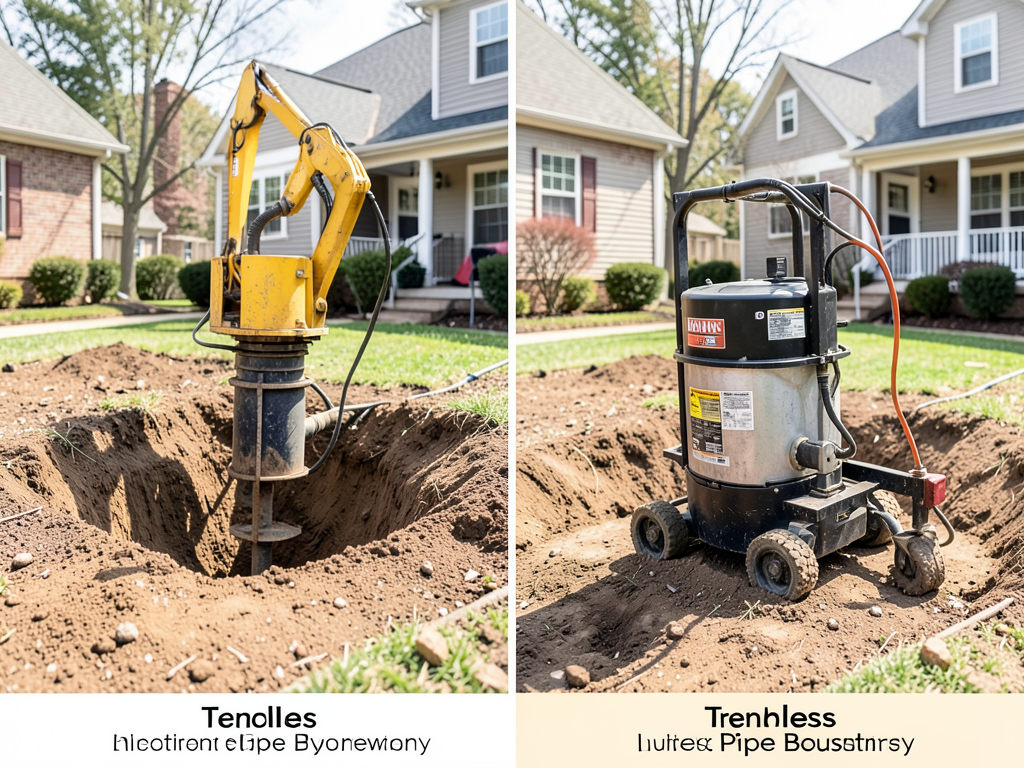
Sewer line replacement costs vary based on method, pipe length, and site conditions. Traditional excavation typically ranges from $50 to $250 per linear foot, with most Avondale Estates homes requiring 50 to 100 feet of replacement. This translates to total costs between $2,500 and $25,000, depending on depth and obstacles.
Trenchless methods offer different pricing structures. CIPP lining costs approximately $60 to $200 per linear foot, with total project costs ranging from $3,000 to $20,000. Pipe bursting falls between $80 to $250 per linear foot, with most projects costing $4,000 to $25,000.
Several factors influence final pricing in Avondale Estates. Deep excavation increases costs due to safety requirements and equipment needs. Rock or heavily compacted soil extends project duration. Multiple repair points or pipe offsets add complexity. Properties with extensive landscaping or hardscaping face higher restoration costs after excavation. EPA guidelines on sewer line repair.
The City of Avondale Estates requires permits for all sewer line work, with fees typically ranging from $200 to $500. The DeKalb County Department of Watershed Management oversees inspections to ensure compliance with local codes. These permits ensure proper installation and protect homeowners from future liability issues.
Our Process: From Camera Inspection to Permitting
Professional diagnosis starts with a sewer camera inspection. Technicians insert a waterproof camera through an access point to examine the pipe’s interior condition. The camera reveals corrosion patterns, root intrusion, cracks, and pipe offsets. This inspection typically costs $200 to $500 and provides crucial information for determining the appropriate repair method.
Following the inspection, we develop a detailed scope of work. The report includes video footage, still images of problem areas, and recommendations for repair methods. For Avondale Estates homes, we consider factors like pipe age, soil conditions, and proximity to trees when recommending solutions.
Permit acquisition represents a critical step often overlooked by homeowners. The DeKalb County Department of Watershed Management requires detailed plans showing the proposed work, pipe routing, and connection points. Our team handles permit applications, ensuring all work meets current plumbing codes and environmental regulations. Plumbing Decatur.
Installation begins only after permit approval. For trenchless methods, we schedule work during favorable weather conditions to prevent soil collapse or water infiltration. Traditional excavation requires additional planning for traffic control if street access becomes necessary. Most residential projects complete within one to three days, depending on method and conditions.
Frequently Asked Questions About Sewer Replacement
How long do cast iron sewer pipes typically last?
Cast iron sewer pipes installed in the 1950s through 1970s have an average lifespan of 50 to 75 years. Pipes in acidic soils or areas with heavy tree root intrusion may fail earlier. Regular maintenance can extend service life, but replacement becomes necessary once corrosion reaches critical levels.
Can I repair just one section of damaged pipe?
Spot repairs work for isolated damage but often prove temporary solutions. Once one section fails, surrounding areas likely show similar deterioration. We typically recommend full line replacement for pipes over 50 years old, as the cost difference between partial and complete replacement often proves minimal.
How do I know if my pipes need replacement versus cleaning?
Recurring clogs, sewage odors, and slow drains indicate potential pipe failure. A camera inspection reveals internal pipe condition. Minor scale buildup responds to cleaning, while cracks, corrosion, or missing sections require replacement. The presence of standing water in the pipe or complete blockages usually indicates replacement necessity.
Will my homeowners insurance cover sewer line replacement?
Standard homeowners policies typically exclude sewer line replacement due to age or wear. Coverage may apply for damage caused by specific events like tree root invasion of newer pipes or sudden pipe collapse. Check your policy details or consult with your insurance provider about available coverage options.
How long does the replacement process take?
Trenchless methods like CIPP lining or pipe bursting typically complete within one to two days. Traditional excavation requires three to five days, plus additional time for yard restoration. Weather conditions, permit processing, and site accessibility can extend timelines. We provide detailed schedules before beginning any work.
What happens to my yard during replacement?
Trenchless methods minimize yard disruption, often requiring only small access pits. Traditional excavation creates trenches that may extend across your entire yard. We work with landscaping professionals to restore sod, plants, and hardscaping after project completion. Some homeowners choose seasonal timing to minimize landscape impact.
Protecting Your Avondale Estates Home from Sewer Emergencies
Prevention starts with awareness. Know the signs of pipe failure: gurgling toilets, sewage smells, slow drains throughout the house, or soggy spots in your yard. These symptoms indicate problems that worsen without intervention. Early detection through professional inspection can prevent costly emergency repairs.
Avondale Estates’ historic character means many homes share similar plumbing vulnerabilities. Properties along Mead Road, in the Oakhurst district, or near the Avondale Estates lake face increased risks due to pipe age and environmental factors. Regular maintenance and timely replacement protect your home’s value and prevent health hazards from sewage backups.
Modern replacement materials offer significant advantages over original cast iron. PVC and HDPE pipes resist corrosion, tree roots, and ground movement. These materials meet or exceed current plumbing codes and provide 100-year service life when properly installed. The investment in replacement often pays for itself through prevented damage and improved drainage performance.. Read more about Dealing with Stubborn Tree Roots in the Sewer Lines of Your Cascade Heights Home.
Don’t wait for a sewage backup to force emergency repairs. If your Avondale Estates home shows signs of cast iron pipe failure, schedule a professional inspection today. Early intervention prevents property damage, health risks, and the inconvenience of emergency plumbing situations.
Call (770) 610-5522 today to schedule your sewer camera inspection. Our experienced technicians will assess your system and provide clear recommendations for protecting your home from cast iron pipe failure.