
How to Protect Your Lake Claire Home from Sewer Backups During Heavy Rain
Atlanta’s clay soil and aging sewer infrastructure make Lake Claire homes particularly vulnerable to sewage backups during heavy storms. When rainwater overwhelms the combined sewer system, sewage can reverse direction and flow back into your basement through floor drains and toilets. The solution is a properly installed sewer backflow preventer that stops contaminated water from entering your home. Atlanta Department of Watershed Management.
Lake Claire sits in a low-lying area near the South Fork Peachtree Creek where stormwater runoff collects quickly during Atlanta’s intense summer thunderstorms. The neighborhood’s mix of mid-century homes and newer construction faces different risks, but all share the same threat from hydrostatic pressure that forces sewage backward through aging pipes.. Read more about What to Do When Your Tucker Sewage Ejector Pump Stops Working.
What is a Sewer Backflow Preventer?
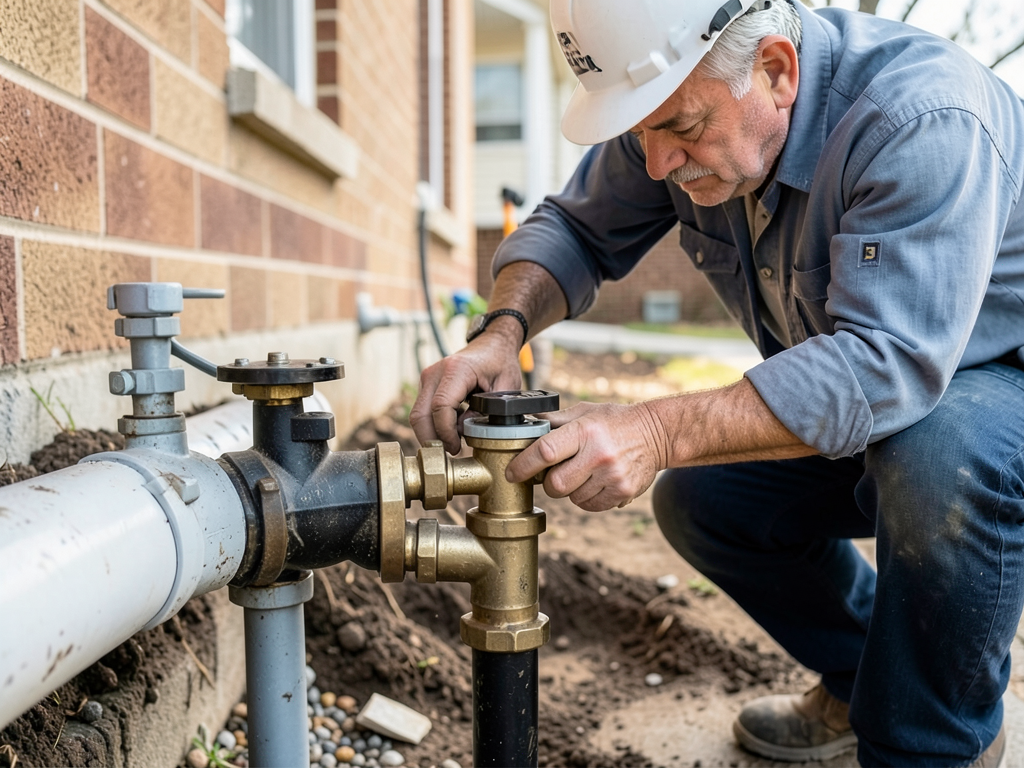
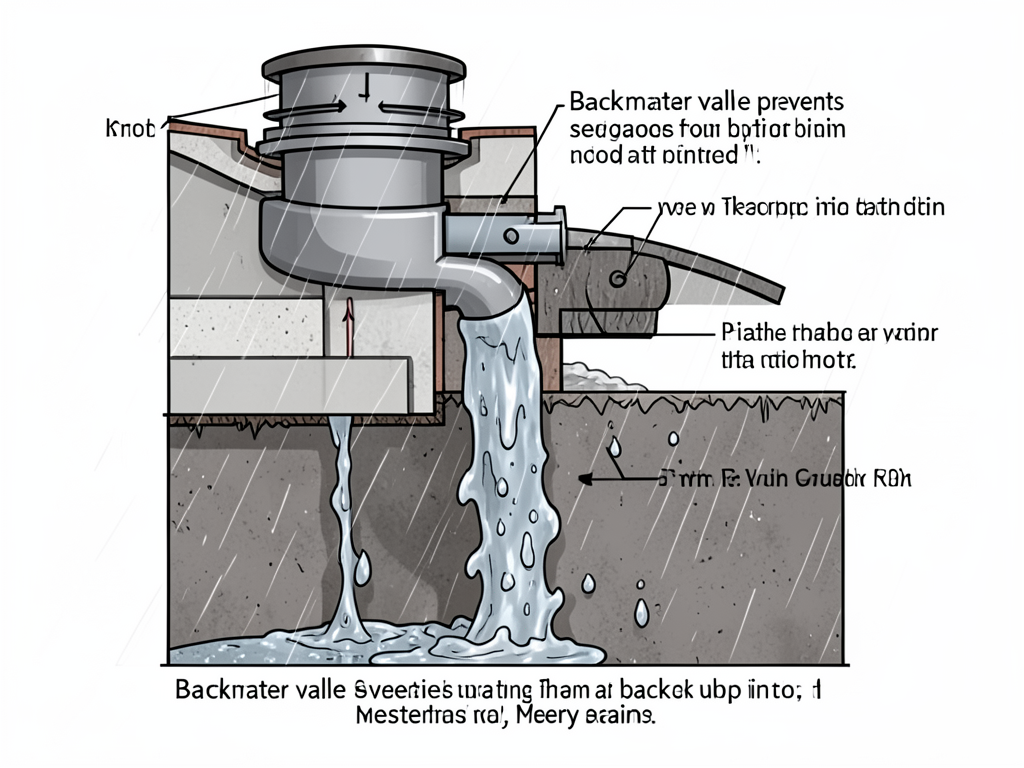
A sewer backflow preventer, also called a backwater valve, is a mechanical device installed on your main sewer line that allows wastewater to flow out but automatically closes when water tries to flow back in. The valve contains a hinged flapper or gate that seals shut when reverse pressure is detected, creating a one-way barrier between your home and the city sewer system. How to Deal with Main Sewer Line Clogs in Your Decatur Bungalow.
During normal operation, the flapper remains open and wastewater flows freely to the street. When heavy rain causes the municipal sewer to back up, the flapper closes automatically, preventing sewage from entering your basement through floor drains, toilets, or sink drains. Some advanced models include a manual override for testing or emergency situations. What to Do When Your Marietta Basement Starts Flooding.
Why Lake Claire Homes Need Backflow Protection
Lake Claire’s vulnerability stems from Atlanta’s combined sewer system where stormwater and sanitary sewage share the same pipes. During heavy rainfall, these systems can quickly reach capacity, especially in older neighborhoods like Lake Claire where pipes may be undersized or deteriorated. The Atlanta Department of Watershed Management reports that combined sewer overflows occur when rainfall exceeds system capacity, creating exactly the conditions that cause basement flooding.. Read more about How to Tell if Your Sewer Line Problems are Caused by Clay Pipes in Mechanicsville.
The neighborhood’s proximity to South Fork Peachtree Creek means stormwater runoff enters the sewer system rapidly. Homes built before 1980 often have floor drains directly connected to the main sewer line without any protection. When the system backs up, these drains become entry points for contaminated water carrying bacteria, viruses, and other pathogens.. Read more about Clearing Stubborn Floor Drain Clogs in Your Peachtree City Golf Cart Garage.
Types of Backwater Valves We Install
| Valve Type | Best For | Installation Cost | Maintenance Needs |
|---|---|---|---|
| Check Valve | Most homes | $1,500-$2,500 | Annual inspection |
| Gate Valve | High-risk areas | $2,500-$4,000 | Semi-annual testing |
| Automatic | Basements with plumbing | $3,000-$5,000 | Quarterly inspection |
Check valves use a simple flapper mechanism that opens with forward flow and closes with reverse pressure. They work well for most Lake Claire homes and are the most cost-effective option. Gate valves feature a solid barrier that provides complete isolation when closed, making them ideal for homes with finished basements or valuable equipment below grade.
Automatic valves include sensors that detect water flow direction and can be integrated with sump pump systems. These provide the highest level of protection but require more maintenance and cost more to install. The right choice depends on your home’s specific plumbing configuration and flood risk level. Plumbing Decatur.
The Installation Process and Atlanta Plumbing Codes
Installing a backflow preventer requires a plumbing permit from the City of Atlanta and must comply with the Georgia State Minimum Standard Plumbing Code. The process begins with locating your main sewer cleanout and determining the best installation point, typically within 10 feet of where the main line exits your home. Georgia State Minimum Standard Plumbing Code.
Installation involves excavating a small section of your yard to access the sewer line, cutting the pipe, and fitting the valve assembly. The work must maintain proper slope and flow characteristics to prevent future clogs. After installation, the system undergoes pressure testing to ensure there are no leaks and that the valve operates correctly.. Read more about Converting from Septic to City Sewer in Lithonia—What Homeowners Should Expect.
Atlanta’s code requires that backflow preventers be installed with access for maintenance and that they include a visual indicator showing valve position. The device must also be located where it won’t be buried or obstructed by future landscaping. Most installations take one to two days depending on soil conditions and accessibility.
Cost vs. Benefit Analysis
The average cost to install a backflow preventer in Lake Claire ranges from $1,500 to $4,000 depending on the valve type and installation complexity. This investment compares favorably against the potential damage from a single sewage backup incident, which can easily exceed $10,000 in cleanup costs, damaged belongings, and structural repairs.
Beyond the immediate financial protection, backflow preventers can lower your flood insurance premiums and increase your home’s resale value. Many insurance companies offer discounts for homes with professionally installed backflow prevention systems, recognizing them as a proven risk mitigation measure.
The long-term value becomes even clearer when considering the health risks of sewage exposure. Contaminated water can harbor E. coli, hepatitis, and other pathogens that pose serious health threats to your family. A properly functioning backflow preventer eliminates this risk entirely.
Maintenance and Testing Requirements
Backflow preventers require regular maintenance to ensure they function when needed. Georgia plumbing code recommends annual inspection and testing, with more frequent checks for automatic models or homes in high-risk flood zones. Testing involves verifying that the valve closes properly and that there are no obstructions in the mechanism. Plumbing Roswell.
Maintenance includes cleaning the valve seat, lubricating moving parts, and checking for corrosion or damage. Homes in Lake Claire should schedule testing before Atlanta’s rainy season begins in late spring. Signs that your valve needs attention include slow drainage, gurgling sounds from drains, or visible debris around the cleanout.
Professional testing uses specialized equipment to simulate backflow conditions and verify that the valve responds correctly. The test takes about 30 minutes and provides documentation that may be required by your insurance company or local authorities.
Common Signs of Sewer Line Problems
Before a major backup occurs, your plumbing system often gives warning signs. Multiple drains backing up simultaneously usually indicates a main line problem rather than isolated clogs. Gurgling sounds from toilets when other fixtures are used suggest air trapped in the system due to partial blockages.
Slow drains throughout your home that don’t respond to standard plunging often indicate tree root intrusion or pipe deterioration. In Lake Claire’s older neighborhoods, clay sewer pipes are particularly susceptible to root damage and joint separation. A professional camera inspection can identify these issues before they cause backups.
Foul odors coming from drains or around your home’s foundation may indicate sewage leaking from damaged pipes. These leaks can saturate soil and create the hydrostatic pressure conditions that lead to backups during heavy rain.
Insurance and Liability Considerations
Standard homeowners insurance typically excludes sewage backup damage, requiring a separate endorsement for coverage. However, many insurers will not provide this coverage without proof of backflow prevention measures. Installing a professionally certified backflow preventer can make the difference between having coverage and being financially responsible for cleanup.
Beyond insurance, local regulations may require backflow prevention for certain property types or in designated flood zones. The City of Atlanta’s floodplain management ordinance includes specific requirements for properties in Special Flood Hazard Areas, which includes parts of Lake Claire near the creek.
Documentation of your backflow preventer installation, including permits and testing records, becomes important for insurance claims and potential property sales. These records demonstrate that you’ve taken reasonable steps to protect your property and comply with local regulations.
Emergency Response and What to Do During a Storm
If you experience a sewage backup during a storm, immediate action can minimize damage. First, stop using all plumbing fixtures to prevent additional water from entering the system. If safe to do so, locate your main water shutoff valve and turn it off to isolate your home from the city supply.
Avoid contact with any standing water, as it may contain harmful bacteria and viruses. Sewage-contaminated water can cause serious illness through skin contact or inhalation of airborne particles. If water enters your home, evacuate affected areas and contact emergency services if needed. Who to Call for an Emergency Pipe Burst in Buckhead.
After the storm passes, document all damage with photos before beginning cleanup. Contact your insurance company immediately and schedule professional water damage restoration services. Never attempt to clean up sewage contamination yourself, as improper handling can lead to long-term health hazards and property damage.
Frequently Asked Questions
Does homeowners insurance cover sewage backup?
Standard homeowners policies typically exclude sewage backup damage. You need a separate endorsement, and many insurers require proof of backflow prevention installation before providing coverage. The cost of this endorsement is usually much less than potential cleanup expenses.
How often should a backflow preventer be inspected?
Georgia plumbing code recommends annual inspection for most residential installations. Homes in high-risk areas or with automatic valves should be tested semi-annually. Testing should occur before Atlanta’s rainy season and after any significant plumbing work or flooding events.
Can I install a backflow preventer myself?
DIY installation is not recommended and may violate local codes. Professional installation ensures proper sizing, correct slope maintenance, and code compliance. Improper installation can create new problems like sewer gas leaks or complete drainage failure. Professional installation also provides warranty protection and documentation for insurance purposes.
How long does installation take?
Most residential installations take one to two days. The process includes obtaining permits, excavation, pipe cutting and fitting, valve installation, pressure testing, and site restoration. Complex installations or those requiring extensive excavation may take longer.
What happens if the valve fails during a storm?
Quality backflow preventers include manual override capabilities for emergency situations. Some models feature alarms that alert you when the valve closes due to backflow conditions. Regular testing ensures your valve will function when needed, and professional maintenance can identify potential failures before they occur.
[IMAGE_PLACEHOLDER_3>
Don’t wait for the next Atlanta downpour to discover your home is vulnerable to sewage backups. The clay soil and combined sewer system in Lake Claire create conditions where a single heavy storm can cause thousands of dollars in damage and serious health risks to your family.
Call (770) 610-5522 today to schedule your professional backflow preventer inspection and installation. Our licensed plumbers understand Atlanta’s unique infrastructure challenges and will recommend the right protection for your specific home configuration. Pick up the phone and call (770) 610-5522 before the next storm hits and discover how affordable true peace of mind can be.