
How to Extend the Life of Your Powder Springs Water Heater Using an Anode Rod
Your water heater works hard every day in Powder Springs, heating water for showers, laundry, and dishes. The constant battle against corrosion happens inside the tank, where the anode rod sacrifices itself to protect the steel walls. When that rod wears out, your tank becomes vulnerable to rust and leaks. Replacing the anode rod before it fails completely can add years to your water heater’s life and save you from an expensive emergency replacement. Who to Call for an Emergency Pipe Burst in Buckhead.
Most homeowners in Powder Springs don’t think about their water heater until it stops working. But the anode rod, a simple metal rod inside your tank, works around the clock to prevent corrosion. Understanding when and how to replace it can mean the difference between a water heater that lasts 8 years versus one that lasts 15 years or more.. Read more about Should You Install a Water Heater Insulation Blanket in Your Older Norcross Home?.
What is an Anode Rod and Why Does Your Water Heater Need One
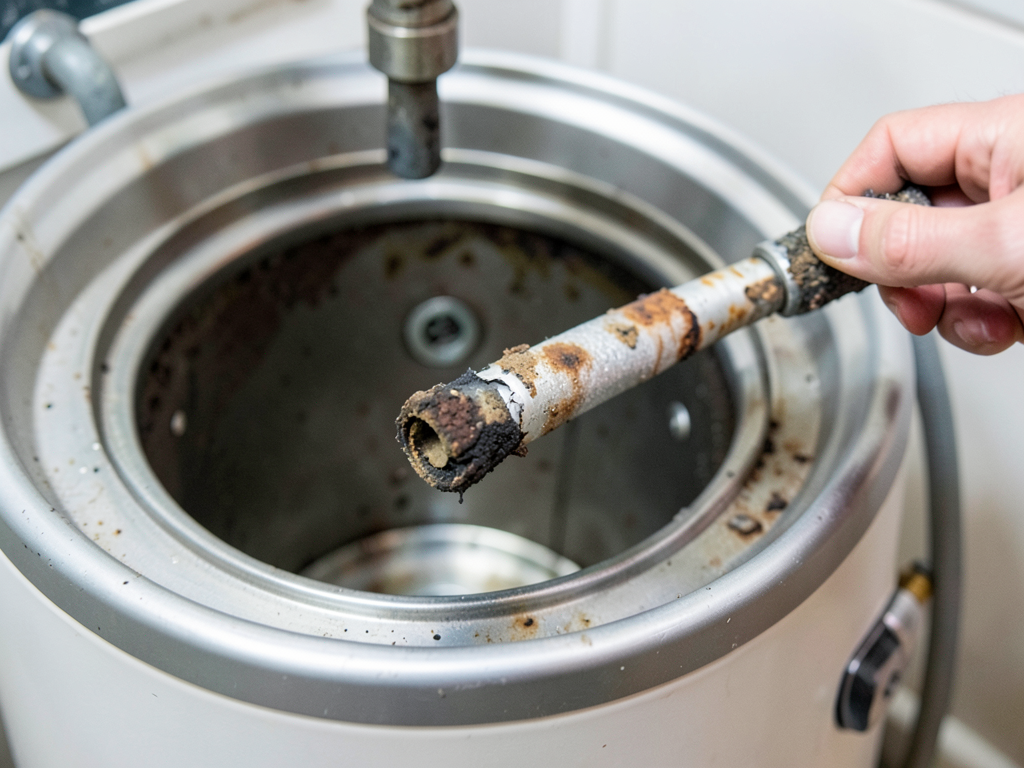
An anode rod is a long metal rod, usually made of magnesium, aluminum, or aluminum/zinc alloy, that hangs inside your water heater tank. It works through a process called galvanic corrosion. The rod is made of a metal that corrodes more easily than the steel tank, so it attracts corrosive elements in the water. As the rod corrodes, it protects the tank walls from rust and deterioration.
Without an anode rod, your water heater tank would rust from the inside out within a few years. The rod acts as a sacrificial component, slowly dissolving over time to preserve the tank’s structural integrity. In Powder Springs, where water chemistry varies and mineral content fluctuates, this protection is especially important.
Most water heaters come with a factory-installed anode rod that should last 3-5 years under normal conditions. However, factors like water hardness, temperature settings, and usage patterns can accelerate corrosion. Some Powder Springs homes with older plumbing systems or specific water conditions might need more frequent replacement. Plumbing Decatur.
Signs Your Anode Rod Needs Replacement
Knowing when to replace your anode rod can prevent costly tank failures. Several warning signs indicate it’s time for replacement. The most obvious is a rotten egg smell coming from your hot water taps. This odor is caused by hydrogen sulfide gas, which forms when the anode rod corrodes and creates the perfect environment for sulfur-reducing bacteria.
Rust-colored water from your hot water taps is another clear indicator. If you notice brown or reddish water when you first turn on the hot water, especially after the water heater hasn’t been used for a while, your anode rod may be completely consumed. The tank walls are now exposed to corrosion.
Strange noises from your water heater, like popping or cracking sounds, often mean sediment has built up at the bottom of the tank. While this can happen with a good anode rod, it’s more common when the rod is failing and the tank is deteriorating. The sediment can trap water beneath it, which then boils and creates these noises.
Visible corrosion on the water heater’s exterior, especially around the top or bottom seams, suggests internal corrosion is already occurring. By this point, the anode rod has likely failed completely, and the tank itself is beginning to rust through. Water pooling around the base of the heater is a serious sign that the tank may be leaking.
Types of Anode Rods: Magnesium vs. Aluminum vs. Powered
Choosing the right anode rod depends on your water quality and specific needs. Here’s a comparison of the three main types:
| Type | Material | Best For | Lifespan | Cost |
|---|---|---|---|---|
| Magnesium | Pure magnesium | Soft water, standard use | 3-5 years | $25-40 |
| Aluminum | Aluminum alloy | Hard water, high mineral content | 4-6 years | $20-35 |
| Powered | Electric current system | Long-term protection, no replacement needed | Lifetime | $150-250 |
Magnesium rods are the most common and provide excellent protection in most Powder Springs homes. They corrode more quickly than aluminum rods, which means they offer better protection but need more frequent replacement. The magnesium creates a stronger electrical current, providing superior protection for your tank.
Aluminum rods work better in areas with hard water or high mineral content. They corrode more slowly than magnesium, lasting longer but providing slightly less protection. Some homeowners prefer aluminum because they don’t produce the sulfur smell that magnesium rods can cause in certain water conditions.
Powered anode rods use an electrical current instead of sacrificial metal to prevent corrosion. They never need replacement and provide consistent protection. While more expensive upfront, they can be cost-effective over time, especially for homeowners who want to avoid the hassle of regular maintenance.
Step-by-Step Replacement Guide (DIY)
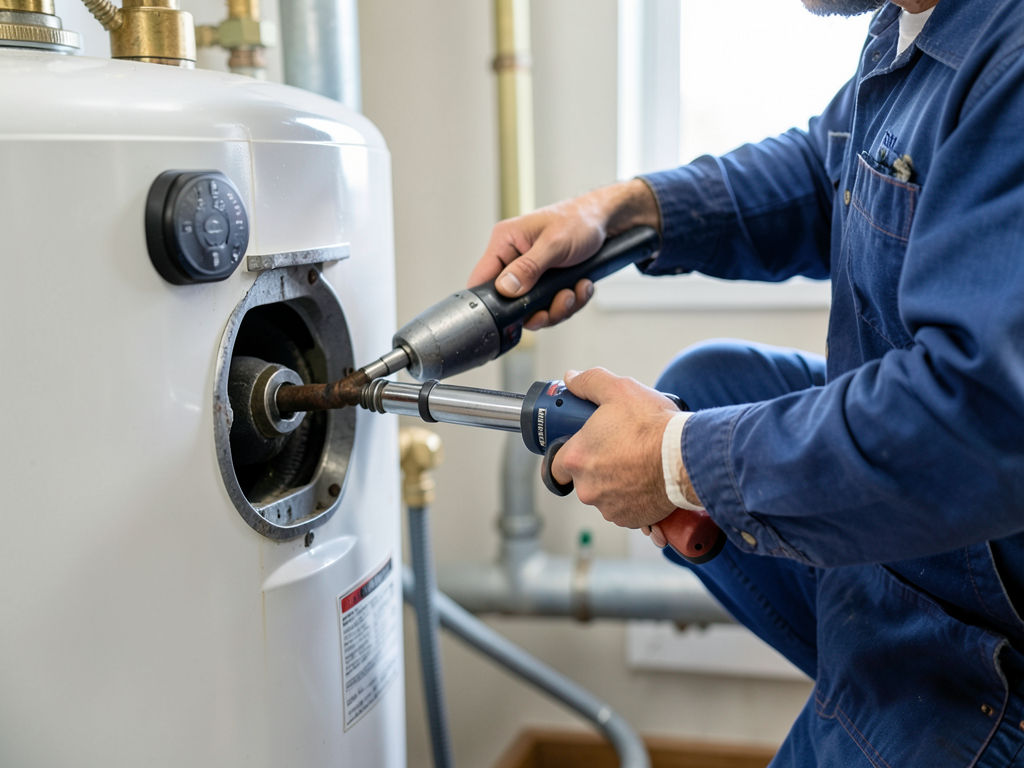
Replacing an anode rod is a manageable DIY project if you’re comfortable with basic plumbing tasks. Here’s how to do it safely and correctly. Plumbing Roswell.
- Gather Your Tools and Materials
You’ll need an impact wrench with a 1-1/16 inch socket, a new anode rod, Teflon tape, a garden hose, and safety equipment including gloves and eye protection. A breaker bar can substitute for an impact wrench if you don’t have one.
- Turn Off Power and Water Supply
For electric water heaters, turn off the circuit breaker. For gas heaters, set the control to “pilot.” Shut off the cold water supply valve at the top of the heater. This prevents accidents and makes the job safer.
- Relieve Tank Pressure
Open a hot water faucet somewhere in your house to allow air into the system. This prevents vacuum lock when you remove the rod. Let the water run until it stops flowing.
- Drain the Tank Partially
Connect a garden hose to the drain valve at the bottom of the heater and run it to a floor drain or outside. Drain about 5 gallons of water to lower the level below the anode rod connection point. This prevents water from gushing out when you remove the rod.
Pro Tip: If your water heater is in a tight space, you may need to bend the old rod to remove it. Flexible anode rods are available that can be installed in confined areas without removing the entire water heater.
Why Atlanta Homeowners Trust Professional Water Heater Maintenance
While DIY replacement is possible, many Powder Springs homeowners choose professional service for several important reasons. Professional plumbers understand local water conditions and can recommend the best type of anode rod for your specific situation. They also know how to handle the unique challenges of Atlanta-area plumbing systems. The Best Way to Handle a Gas Line Leak in Smyrna.
Professional replacement ensures proper installation and can identify other potential issues. A licensed plumber will check for signs of tank corrosion, inspect the temperature and pressure relief valve, and look for any developing problems that could lead to failure. This comprehensive approach provides peace of mind that DIY work can’t match.
Safety is another major consideration. Water heaters involve both water and either electricity or gas, creating potential hazards if not handled correctly. Professional plumbers have the training and experience to work safely with these systems, protecting your home and family from accidents.
Time and convenience factor into the decision as well. What might take a homeowner several hours of work and research can be completed by a professional in under an hour. Plus, professionals carry insurance and warranties that protect you if something goes wrong during the service.
Frequently Asked Questions
How often should I replace my water heater’s anode rod?
Most anode rods need replacement every 3-5 years, but this varies based on water quality and usage. Homes with soft water or high temperatures may need more frequent replacement. A professional inspection can determine the exact condition of your rod.
Can I use any type of anode rod in my water heater?
While many rods are universal, some water heaters require specific types. Check your owner’s manual or consult a professional to ensure you’re using the correct rod. Using the wrong type can void your warranty or provide inadequate protection.
What happens if I don’t replace the anode rod?
If the anode rod completely corrodes away, your tank will begin to rust from the inside. This leads to leaks, reduced efficiency, and eventually complete failure. Replacing the rod is much less expensive than replacing the entire water heater.
How much does professional anode rod replacement cost in Atlanta?
Professional replacement in the Atlanta area typically costs between $150-300, depending on the type of rod and your specific water heater model. This includes labor, the new rod, and a basic system inspection.
Can a failing anode rod cause my water to smell bad?
Yes, a deteriorating magnesium anode rod can create conditions that produce a rotten egg smell in your hot water. This is caused by hydrogen sulfide gas formation and is a common sign that replacement is needed.
Local Water Quality Considerations for Powder Springs
Powder Springs water comes from the Cobb County-Marietta Water Authority, which draws from Lake Allatoona and the Chattahoochee River. This water typically has moderate hardness and mineral content, making magnesium anode rods a good choice for most homes in the area. What to Do When Your Marietta Basement Starts Flooding.
However, some Powder Springs neighborhoods may experience variations in water chemistry due to aging infrastructure or specific local conditions. Homes with well water or those in areas with older galvanized plumbing might benefit from aluminum rods or more frequent inspections.
The Georgia Environmental Protection Division regulates water quality throughout the state, including Powder Springs. Regular testing ensures water meets safety standards, but the mineral content that affects anode rod life can still vary seasonally or due to local factors. Georgia Water Quality Report.
Local plumbers familiar with Powder Springs water conditions can provide valuable advice about the best maintenance schedule for your specific home. They understand how factors like seasonal temperature changes and local water treatment affect your water heater’s performance and longevity.
Cost Comparison: DIY vs. Professional Replacement
Understanding the true cost of anode rod replacement helps you make an informed decision. Here’s a breakdown of what you can expect:
| Cost Factor | DIY Cost | Professional Cost | Notes |
|---|---|---|---|
| Anode Rod | $25-50 | $25-50 | Same part cost either way |
| Tools | $50-150 | $0 | Professional has all tools |
| Labor | $0 | $100-250 | Professional expertise |
| Time Investment | 2-4 hours | 1 hour | Your time vs. convenience |
| Risk Factor | High | Low | Professional insurance coverage |
| Total Cost | $75-200 | $150-300 | Similar range, different benefits |
While DIY might seem cheaper at first glance, consider the value of professional expertise. A plumber can spot developing issues, ensure proper installation, and provide warranty coverage that DIY work can’t match.
Environmental and Safety Considerations
Proper disposal of old anode rods is important for environmental protection. The corroded metal contains minerals and potentially harmful substances that shouldn’t go in regular trash. Many plumbing supply stores and recycling centers accept old rods for proper disposal.
Safety should always be your top priority when working on water heaters. The combination of water, electricity, or gas creates serious hazards. Always turn off power or gas before beginning any work, and never work alone on plumbing projects involving these elements.
If you’re unsure about any aspect of the replacement process, it’s better to call a professional. The cost of professional service is small compared to the potential damage from a water heater failure or the risk of personal injury from improper DIY work.
Regular maintenance, including anode rod replacement, also improves energy efficiency. A well-maintained water heater uses less energy to heat water, reducing your utility bills and environmental impact. This makes proper maintenance both economically and environmentally beneficial.
Call (770) 610-5522 Today to Schedule Your Inspection
Don’t wait until your water heater fails. A simple anode rod inspection can prevent costly emergencies and extend your system’s life by years. Our experienced technicians understand Powder Springs water conditions and can recommend the best maintenance schedule for your home.
Call (770) 610-5522 now to schedule your water heater inspection. We’ll check your anode rod, inspect the entire system, and provide honest recommendations about any needed maintenance. Our service includes a complete system evaluation and upfront pricing with no hidden fees.
Protect your investment and ensure reliable hot water for your family. Pick up the phone and call (770) 610-5522 before the next cold snap hits. We’re ready to help keep your water heater running efficiently for years to come.
Conclusion
Replacing your water heater’s anode rod is one of the most cost-effective ways to extend the life of your system and prevent expensive emergencies. Whether you choose DIY or professional service, regular maintenance is essential for Powder Springs homeowners dealing with local water conditions.
The small investment in anode rod replacement can save you thousands in premature water heater replacement costs. It also ensures you have reliable hot water when you need it most, without the stress and expense of emergency repairs. EPA Ground Water and Drinking Water.
Remember that water heaters work hard every day to serve your family’s needs. A little preventive maintenance goes a long way toward keeping this essential system running smoothly for years to come. Don’t wait for problems to develop – take action now to protect your home and your wallet.
For professional water heater maintenance in Powder Springs and the greater Atlanta area, call (770) 610-5522. Our experienced team is ready to help you get the most from your water heating system.
You may also find this helpful. Why Most Septic Tank Additives are a Waste of Money for Powder Springs Homeowners.