Choosing the Right Washing Machine Hoses to Prevent Floods in Your East Point Laundry Room
East Point homes face unique plumbing challenges due to Atlanta’s aging infrastructure and varying water pressure. A washing machine hose failure can release up to 500 gallons per hour, turning your laundry room into a disaster zone within minutes. The right hose choice isn’t just about preventing inconvenience—it’s about protecting your East Point home from thousands in water damage. Plumbing Decatur.
Most East Point residents don’t think about their washing machine hoses until it’s too late. These rubber tubes connect your washer to the water supply and handle constant pressure cycles. Over time, they deteriorate from heat, pressure fluctuations, and mineral buildup from Atlanta’s hard water. A burst hose at 2 AM can flood your entire first floor before you even wake up. Who to Call for an Emergency Pipe Burst in Buckhead.
The good news is that preventing this disaster is straightforward once you understand what makes a quality washing machine hose. This guide breaks down the three main types available, their key specifications, and what East Point homeowners need to know about local water conditions that affect hose longevity.
Material Comparison: Rubber vs. Braided Stainless Steel vs. Flood-Safe
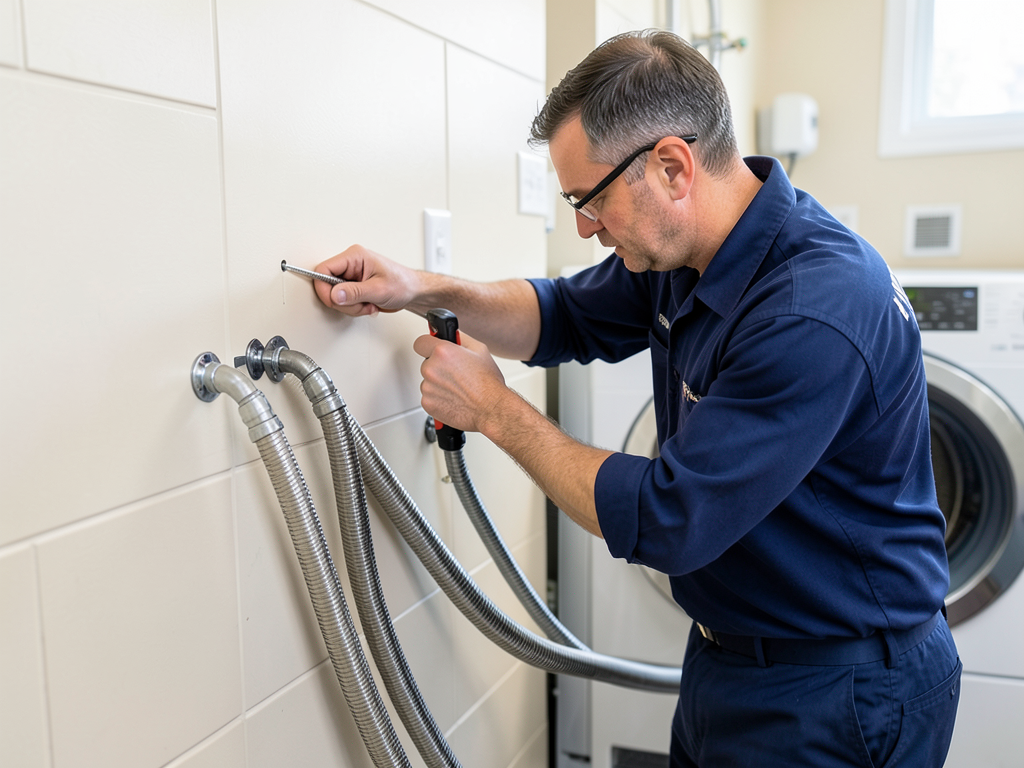
Diagram showing cross-sections of rubber, braided stainless steel, and flood-safe hoses with material layers labeled
The three main washing machine hose materials each offer different levels of protection and durability. Understanding these differences helps you make the right choice for your East Point home.
Standard rubber hoses remain the cheapest option but carry the highest failure risk. These black rubber tubes typically last 3-5 years in East Point’s climate. The rubber degrades faster due to humidity and temperature swings common in Georgia. You’ll notice cracks, bulges, or a sticky residue near the connections when they’re nearing failure.
Braided stainless steel hoses represent the most popular upgrade. These feature a rubber inner tube wrapped in a stainless steel braid for protection. The steel braiding prevents external damage while the rubber handles the water flow. Quality stainless steel hoses carry burst pressures of 1,500-1,800 PSI, far exceeding typical household water pressure of 40-80 PSI. The Best Way to Handle a Gas Line Leak in Smyrna.
Flood-safe hoses add an automatic shutoff valve that stops water flow if the hose bursts or develops a major leak. These hoses contain a mechanism that detects abnormal water flow and closes within seconds. While more expensive, they provide the ultimate protection against catastrophic flooding.
Key Specifications Table
| Feature | Standard Rubber | Braided Stainless Steel | Flood-Safe |
|---|---|---|---|
| Burst Pressure (PSI) | 200-300 | 1,500-1,800 | 1,200-1,500 |
| Average Lifespan (years) | 3-5 | 7-10 | 5-7 |
| Price Range (pair) | $10-$20 | $25-$50 | $40-$80 |
| Warranty Length | 1 year | 5-10 years | 5 years |
| Best For | Budget installs | Most East Point homes | Vacation properties |
East Point Water Pressure Considerations
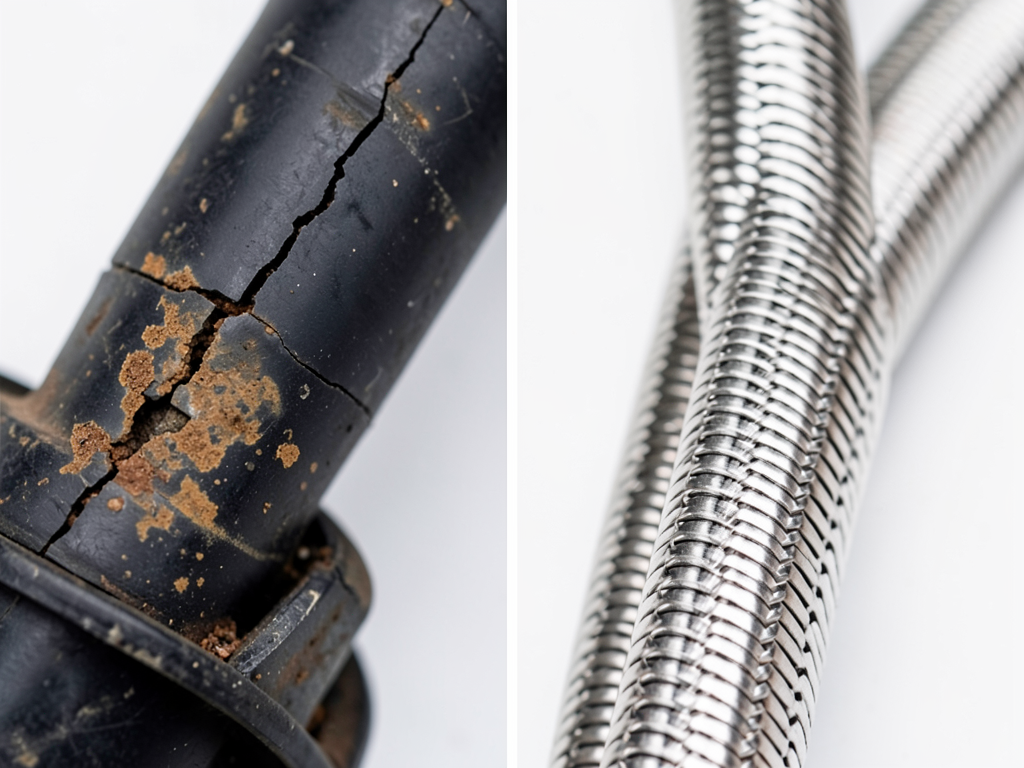
Photo showing water pressure gauge reading on a washing machine valve with normal pressure range highlighted
East Point’s location within the Atlanta metropolitan area means your home likely experiences water pressure variations common to the region. The Atlanta Department of Watershed Management’s distribution system creates pressure fluctuations that stress washing machine hoses differently than in other parts of the country. EPA WaterSense washing machine efficiency standards.
East Point homes typically see water pressure between 45-85 PSI, though pressure can spike to 100+ PSI during certain times of day. These pressure spikes occur when large industrial users shut down or when the system adjusts to demand changes. Standard rubber hoses can’t handle these spikes, leading to premature failure.
Georgia’s hard water adds another layer of stress. Atlanta’s water contains high levels of calcium and magnesium that deposit inside rubber hoses over time. These mineral deposits create weak spots that eventually fail. Stainless steel hoses resist this internal buildup better than rubber alternatives.
The 2018 Georgia Plumbing Code (Section 604.8.2) requires washing machine valves to include vacuum breakers to prevent backflow contamination. This code requirement affects how hoses connect to your home’s plumbing system and influences which hose types work best with your existing setup. Plumbing Roswell.
Professional Installation and Maintenance Tips
Proper installation makes a significant difference in hose longevity. Always leave 4-6 inches of space between the washing machine and the wall to prevent kinking. Kinked hoses create weak spots that fail prematurely. The hoses should form gentle curves rather than sharp bends.
Check your washing machine hoses every six months for signs of wear. Look for bulging, cracking, or corrosion around the connection points. Feel the hoses when the machine is off—they should be soft and flexible, not hard or brittle. Any discoloration or staining near connections indicates potential failure.
The five-year replacement rule applies regardless of visible condition. Even high-quality stainless steel hoses degrade internally from constant pressure cycles. Set a calendar reminder to replace all washing machine hoses every five years, or immediately if you notice any warning signs.
Consider installing a whole-house water pressure regulator if your home experiences frequent pressure spikes above 80 PSI. These devices maintain consistent pressure throughout your plumbing system, reducing stress on all appliances including your washing machine. Plumbing Kennesaw.
Smart Leak Detection Integration
Modern smart home technology offers additional protection beyond quality hoses. Water leak detectors placed near your washing machine can alert you to problems before they become disasters. These devices connect to your smartphone and sound alarms when they detect moisture.
Some advanced systems integrate with your home’s main water supply to automatically shut off water if a leak is detected anywhere in the house. While this represents a larger investment, it provides peace of mind for East Point homeowners who travel frequently or own investment properties.
Smart water monitors can also track your water usage patterns and alert you to unusual consumption that might indicate a hidden leak. These systems typically cost $200-$500 but can prevent thousands in damage from undetected water problems.. Read more about Why Your Attic HVAC Drain Line Might Be Leaking into Your Hapeville Ceiling.
Cost-Benefit Analysis for East Point Homeowners
Let’s break down the real costs of hose failure versus prevention. A burst washing machine hose can release 500 gallons per hour. If you’re away for a weekend, that’s 12,000 gallons flooding your home. Water damage restoration for a typical East Point laundry room and adjacent areas costs $3,000-$8,000.
Insurance may cover some of this damage, but you’ll still face deductibles of $1,000-$2,500 and potential premium increases. Plus, you’ll deal with the hassle of cleanup, repairs, and possible mold remediation if water sits for more than 24-48 hours.
Premium braided stainless steel hoses cost $40-$50 for a pair. Even if you replace them every five years, that’s $80-$100 over a decade. Compare that to potential $5,000-$10,000 in damage from a single hose failure. The math becomes clear: prevention costs far less than repair.
Installation Process and What to Expect
Professional hose replacement takes 30-45 minutes for most East Point homes. The plumber will first shut off water to the washing machine, then disconnect the old hoses. They’ll inspect the shut-off valves for corrosion or damage—a common issue in older East Point homes.
The new hoses install with new washers in each connection to ensure a proper seal. The plumber will test for leaks at full pressure and verify that the washing machine operates correctly. They should also check that your home’s water pressure falls within the safe range for your new hoses.
Professional installation costs $75-$150 in the East Point area, depending on your home’s specific plumbing configuration. This includes proper disposal of old hoses and a warranty on the installation work.
Frequently Asked Questions
How do I know if my washing machine hoses need replacement?
Look for visible signs like cracks, bulges, or corrosion around connections. Also check for moisture or staining near the hose ends. If your hoses are over five years old, replace them regardless of appearance. Rubber hoses become brittle with age even when they look fine externally.
Can I install washing machine hoses myself?
While DIY installation is possible, professional installation ensures proper connection and pressure testing. Incorrect installation can lead to leaks or hose damage. Plus, a professional can identify other potential issues like faulty shut-off valves or excessive water pressure that might affect hose longevity.
What size washing machine hoses do I need?
Standard washing machine hoses use 3/4-inch female hose thread connections. Most East Point homes use hoses that are 4-6 feet long, though longer hoses are available if your laundry room configuration requires extra length. Always match the new hose length to your existing setup.
Making the Right Choice for Your East Point Home
Based on East Point’s specific conditions—moderate to high water pressure, hard water, and humidity—braided stainless steel hoses offer the best balance of protection and value for most homeowners. They resist both external damage and internal mineral buildup while providing burst pressures far exceeding household needs.
For vacation homes or properties where you’re frequently away, flood-safe hoses provide the ultimate protection despite their higher cost. The automatic shutoff feature can prevent catastrophic damage when no one is home to respond to a leak.
Standard rubber hoses might seem tempting due to their low price, but they represent a false economy for East Point homes. Their short lifespan and high failure rate make them the riskiest choice, especially in older homes with aging plumbing systems.
Take Action Today
Don’t wait for a midnight flood to realize your washing machine hoses are a ticking time bomb. East Point’s water conditions and Atlanta’s pressure fluctuations make hose failure a matter of when, not if. A simple inspection and replacement can save you thousands in potential damage.
Call (770) 610-5522 today to schedule a washing machine hose inspection. Our East Point plumbing experts will evaluate your current setup, recommend the best hose type for your home, and install them properly with a full pressure test. We serve all East Point neighborhoods including downtown, Brookview, and the Welcome All Road area.
Pick up the phone and call (770) 610-5522 before the next storm hits or you leave for vacation. One quick call can prevent a disaster that could cost you thousands and weeks of inconvenience. Don’t let cheap hoses put your East Point home at risk. For more information, visit International Plumbing Code Chapter 6 requirements.
You may also find this helpful. Adding a Utility Sink to Your Snellville Garage or Workshop (What You Need to Know).