Is an Instant Hot Water Dispenser Worth Adding to Your Piedmont Heights Kitchen?
Adding an instant hot water dispenser to your Piedmont Heights kitchen can transform how you cook, clean, and prepare beverages. These compact units deliver near-boiling water at the touch of a button, eliminating the wait for a kettle to boil or water to heat on the stove. For Atlanta homeowners, the decision comes down to balancing convenience against installation requirements and long-term maintenance. EPA WaterSense Program.
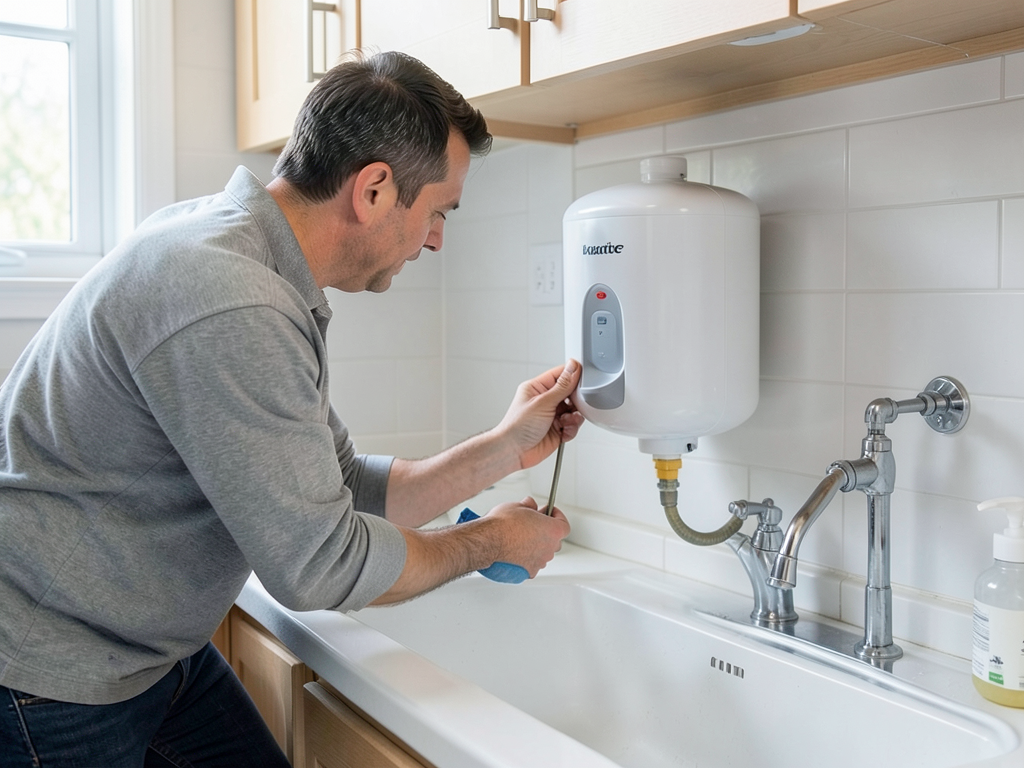
Instant hot water dispensers work by maintaining a small tank of heated water under your sink, typically holding 2/3 to 1/2 gallons. The unit connects to your cold water line and plugs into a standard electrical outlet. When you activate the faucet, hot water flows immediately, while fresh cold water refills the tank for the next use.. Read more about Should You Install a Water Heater Insulation Blanket in Your Older Norcross Home?.
In Piedmont Heights, where many homes feature modern kitchen renovations alongside historic bungalows, these dispensers offer a practical upgrade that fits various architectural styles. The units install discreetly beneath the sink, preserving counter space while adding significant functionality.. Read more about Is a Kitchen Pot Filler Actually Worth the Investment for Your Woodstock Remodel?.
Benefits of Installing an Instant Hot Water Dispenser
The primary advantage of instant hot water is time savings. Whether you’re making tea, preparing instant oatmeal, or blanching vegetables, you get hot water in seconds rather than minutes. This convenience becomes particularly valuable during busy mornings or when entertaining guests.
Energy efficiency represents another compelling benefit. Unlike electric kettles that heat entire volumes of water, dispensers maintain a small reservoir at the ready temperature. Modern units use less energy than repeatedly boiling water in a kettle, especially in households that use hot water multiple times daily.. Read more about Deciding Between Gas and Electric Water Heaters for Your New Lawrenceville Home.
Food preparation becomes more versatile with instant hot water. You can quickly thaw frozen vegetables, dissolve gelatin, or prepare instant sauces without waiting for water to boil. The precise temperature control on many models allows you to select the perfect heat level for different tasks.
Cleaning applications extend beyond the kitchen. The near-boiling water helps remove stubborn labels from jars, clean greasy pans, and sanitize cutting boards. Some homeowners use it for craft projects or to loosen jar lids that won’t budge.
Potential Drawbacks and Considerations
The initial investment includes both the unit cost and professional installation. Quality dispensers range from $150 to $400, with installation adding $200 to $400 depending on your existing plumbing configuration. Piedmont Heights homes built before 1990 may require electrical upgrades to accommodate the unit’s power requirements. Plumbing Decatur.
Maintenance needs increase with Atlanta’s mineral-rich water. The Piedmont region’s geology contributes to water hardness that can cause scale buildup inside the heating element. Without regular descaling every 6-12 months, the unit’s efficiency decreases and heating elements may fail prematurely.
Space constraints under the sink can pose challenges. The tank requires 8-10 inches of vertical clearance, which may compete with existing garbage disposals or plumbing components. Some Piedmont Heights kitchens with limited under-sink space might need creative solutions for installation. Plumbing Roswell.
Safety considerations matter, especially in homes with young children. While most units include child-safety locks, the near-boiling water temperature (typically 190-210°F) poses burn risks if not used carefully. The faucet design should include features that prevent accidental activation.
Installation Requirements and Plumbing Considerations
Professional installation ensures proper function and prevents costly mistakes. The process begins with verifying your electrical capacity. Most units require a dedicated 15-amp circuit with GFCI protection, as mandated by the National Electrical Code Article 422.12. Piedmont Heights homes built before the 1970s often need electrical upgrades to meet current safety standards.. Read more about Common Plumbing Mistakes to Avoid During Your Lindbergh Condo Kitchen Remodel.
Plumbing modifications typically involve installing a T-valve on your cold water line to supply the dispenser. The connection must include a pressure-reducing valve if your home’s water pressure exceeds 80 PSI, which is common in some Piedmont Heights neighborhoods due to varying elevation across the area.
Atlanta’s Department of Watershed Management requires proper backflow prevention devices on all point-of-use water heaters. Your plumber should install a dual-check valve assembly to prevent contaminated water from flowing back into your main supply line.
Ventilation requirements matter for the unit’s longevity. The tank generates heat during operation, so adequate airflow under the sink prevents overheating. Some installations may require cutting ventilation holes in cabinet backs or sides.
Atlanta Water Quality Impact on Dispenser Performance
Georgia’s water quality directly affects how well instant hot water dispensers perform over time. Atlanta’s water typically ranges from moderately hard to hard, with calcium and magnesium levels that can cause mineral scale buildup. This buildup insulates the heating element, forcing it to work harder and reducing energy efficiency.
The Piedmont region’s limestone bedrock contributes to the water’s mineral content. As water moves through underground limestone formations, it dissolves calcium carbonate, which later precipitates as scale inside heating elements. Homes in areas like Morningside-Lenox Park often experience slightly harder water than those closer to the Chattahoochee River basin.
Temperature fluctuations in Atlanta’s climate also impact dispenser performance. Summer humidity can cause condensation on cold water lines, potentially affecting the unit’s temperature sensors. Winter freezes, though rare in Piedmont Heights, can cause pipes to contract slightly, potentially stressing connections.
Water filtration becomes essential for optimal dispenser performance. A carbon filter installed before the unit removes chlorine and sediment that could damage internal components. Some homeowners combine this with a water softener system, though this requires additional space and plumbing modifications.
Testing your water’s hardness level helps determine maintenance schedules. Water testing kits available at hardware stores measure grains per gallon (GPG). Levels above 7 GPG indicate hard water that will require more frequent descaling to prevent scale buildup.
Cost Analysis: Investment vs. Long-term Value
The total cost of ownership extends beyond the initial purchase. A quality dispenser typically lasts 5-7 years with proper maintenance, though some premium models reach 10 years. Annual maintenance costs include filter replacements ($30-50) and occasional descaling solutions ($15-25).
Energy consumption varies by model and usage patterns. Most units draw 6-8 amps and use 500-1500 watts during heating cycles. At Atlanta’s average electricity rate of $0.12 per kilowatt-hour, daily operation costs approximately $3-5 monthly for moderate use.
Comparing costs to alternatives helps justify the investment. Electric kettles typically cost $20-80 but require more energy per use. Stovetop boiling wastes water and energy through evaporation. Over three years, an instant dispenser can save $50-100 in energy costs for households using hot water 3+ times daily.. Read more about Comparing Reverse Osmosis and Carbon Filters for the Best Drinking Water in Suwanee.
Property value impact remains minimal but positive. While not a major selling point, modern kitchen conveniences appeal to buyers in competitive markets like Piedmont Heights. The unit’s presence signals attention to detail and modern functionality.
Insurance considerations rarely affect installation decisions. Most homeowner’s policies cover the unit under kitchen appliance provisions, though you should verify coverage with your provider, especially for older homes with original plumbing.
Comparing Tank vs. Tankless Hot Water Solutions
Traditional tank-style dispensers store heated water continuously, providing instant access but consuming standby energy. Tankless models heat water on demand, eliminating standby losses but introducing a brief delay. For Piedmont Heights kitchens, tank models remain more popular due to their reliability and lower upfront cost. Getting Your Tankless Water Heater Fixed Fast in Sandy Springs.
Tank capacity affects performance during peak usage. A 2/3-gallon tank provides about 60 cups of hot water per hour, sufficient for most household needs. Larger 1/2-gallon tanks handle higher demand but require more under-sink space and energy to maintain temperature. The Best Way to Handle a Gas Line Leak in Smyrna.
Temperature consistency differs between designs. Tank models maintain steady temperatures within 5°F of the set point. Tankless units may experience temperature fluctuations as water flow rates change, which can affect cooking precision.
Installation complexity varies significantly. Tank units require only a standard electrical outlet and plumbing connection. Tankless models often need dedicated 240-volt circuits and more complex plumbing, increasing installation costs by $100-200.
Maintenance requirements differ between technologies. Tank units need periodic descaling and anode rod replacement every 2-3 years. Tankless systems require annual professional cleaning to prevent mineral buildup in the heat exchanger, a more involved process.
Making the Right Choice for Your Piedmont Heights Home
Your decision should align with your household’s hot water usage patterns. Families who frequently prepare hot beverages, instant meals, or need hot water for cooking benefit most from instant dispensers. Single occupants or those who rarely use hot water might find the convenience doesn’t justify the cost.
Kitchen layout influences installation feasibility. Modern Piedmont Heights kitchens with ample under-sink space and updated electrical systems accommodate dispensers easily. Historic homes may require electrical upgrades or creative mounting solutions to make installation practical.
Water quality in your specific neighborhood affects long-term satisfaction. Areas with harder water, like those closer to the granite outcroppings in the northern part of Piedmont Heights, will require more maintenance. Testing your water before purchase helps set realistic expectations.
Brand selection impacts reliability and service availability. InSinkErator dominates the market with proven reliability and widespread parts availability in Atlanta. Waste King offers competitive pricing but may have limited local service options. Research warranty terms carefully, as some manufacturers exclude damage from hard water.
Professional assessment prevents costly mistakes. A qualified plumber can evaluate your electrical capacity, water pressure, and under-sink space before you purchase. This evaluation typically costs $75-150 but can save hundreds in avoided installation problems.
Installation Process and Timeline
Professional installation typically requires 2-4 hours, depending on your home’s existing conditions. The process begins with shutting off water and electricity to the work area. Your plumber then evaluates the space and determines the optimal tank location.
Electrical work often represents the most time-consuming aspect. Installing a new dedicated circuit with GFCI protection may require fishing wires through walls or adding junction boxes. Homes with accessible basements or crawl spaces simplify this process, while slab foundations can complicate wiring runs. What to Do When Your Marietta Basement Starts Flooding.
Plumbing connections involve installing the T-valve, pressure regulator, and check valve assembly. Your plumber will test all connections for leaks under pressure before proceeding. This testing phase is crucial, as even small leaks can cause significant damage over time.
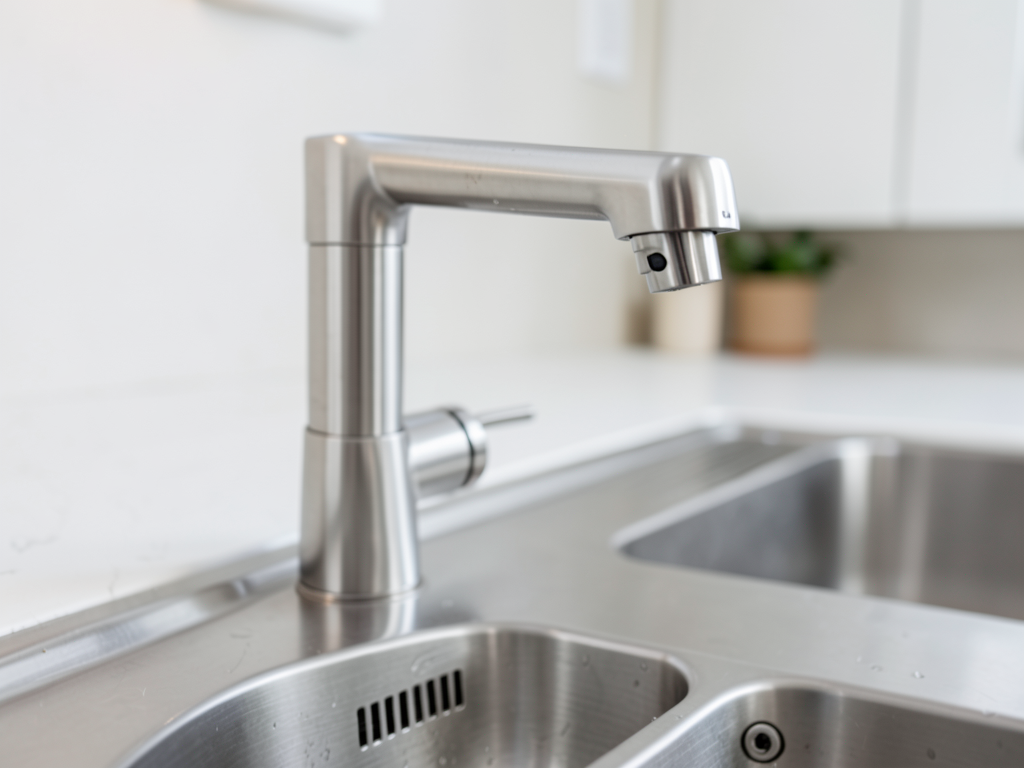
Faucet installation completes the process. Most dispensers use specialized faucets that mount in existing sink holes or require drilling new ones. The faucet must match your kitchen’s aesthetic while providing the necessary safety features like child locks and cool-touch technology.
Final testing ensures proper function. Your plumber will verify temperature accuracy, check for leaks, and demonstrate proper operation. They should also provide maintenance instructions and schedule any necessary follow-up visits.
Maintenance and Troubleshooting
Regular maintenance extends your dispenser’s lifespan significantly. Monthly visual inspections help catch problems early. Check for moisture under the tank, unusual noises during heating cycles, or changes in water temperature consistency.
Descaling frequency depends on your water hardness. In Atlanta’s moderately hard water conditions, descaling every 6-8 months prevents scale buildup. Commercial descaling solutions work effectively, though some homeowners use vinegar for a more natural approach.
Filter replacement schedules vary by model and water quality. Most carbon filters need replacement every 6-12 months. Some units include filter change indicators, while others require manual tracking. Neglecting filter changes can reduce water quality and damage internal components.
Common issues include temperature fluctuations, reduced water flow, or unusual noises. Temperature problems often indicate scale buildup on the heating element. Flow reduction suggests a clogged filter or partially closed valve. Gurgling or popping sounds typically indicate scale accumulation inside the tank.
Professional service becomes necessary when basic troubleshooting fails. Licensed plumbers can diagnose electrical problems, replace heating elements, or address more complex issues. Attempting repairs without proper training risks electrical shock or water damage.
Frequently Asked Questions
How much does it cost to install an instant hot water dispenser in Atlanta?
Installation typically costs $400-600 total, including the unit ($150-400) and professional installation ($200-400). Factors affecting cost include electrical upgrades, plumbing modifications, and your home’s accessibility.
Do instant hot water dispensers use a lot of electricity?
Most units use 500-1500 watts during heating and consume about $3-5 monthly in electricity for moderate use. This is generally less than repeatedly boiling water in an electric kettle.
Can I install an instant hot water dispenser myself?
Professional installation is strongly recommended. These units require proper electrical connections, plumbing modifications, and backflow prevention devices to meet Atlanta plumbing codes and ensure safe operation.
How long do instant hot water dispensers last?
With proper maintenance, quality units typically last 5-7 years. Premium models with better components can reach 10 years. Hard water conditions may reduce lifespan without regular descaling.
Will hard water damage my instant hot water dispenser?
Hard water causes scale buildup that reduces efficiency and can damage heating elements. Atlanta’s moderately hard water requires descaling every 6-8 months and regular filter changes to maintain performance.
Ready to Add Instant Hot Water to Your Kitchen?
Installing an instant hot water dispenser can transform your kitchen experience with convenience and efficiency. However, proper installation and maintenance are crucial for long-term satisfaction. Piedmont Heights homeowners benefit from professional assessment to ensure their specific plumbing and electrical conditions support this upgrade.
Before purchasing, have a licensed plumber evaluate your kitchen’s suitability. They can identify potential challenges like electrical limitations, space constraints, or water quality issues that might affect performance. This professional guidance helps you make an informed decision and avoid costly installation problems.
Elite Plumbing Atlanta has served the Piedmont Heights community for years, handling everything from simple fixture installations to complex plumbing system upgrades. Our technicians understand Atlanta’s unique water conditions and building requirements, ensuring your instant hot water dispenser installation meets all local codes and manufacturer specifications.
Call (770) 610-5522 today to schedule your professional assessment. We’ll evaluate your kitchen, discuss your options, and provide a clear quote for installation. Don’t wait to add this convenient upgrade to your Piedmont Heights home.
Pick up the phone and call (770) 610-5522 before the next time you’re waiting for water to boil. Our team is ready to help you enjoy instant hot water whenever you need it. For more information, visit International Plumbing Code.