
Smart Leak Detectors: The Smart Choice for Chastain Park Homes
Chastain Park homeowners face unique water risks from aging plumbing, high water pressure, and seasonal freezes. Smart leak detectors can prevent thousands in damage by alerting you before a small drip becomes a disaster. But with so many options, are they worth the investment for your home? Plumbing Decatur.
Let’s cut through the marketing noise. We’ll show you exactly how these systems work, which ones perform best in Atlanta’s climate, and when you need a professional plumber to install them properly.
How Smart Leak Detectors Actually Work
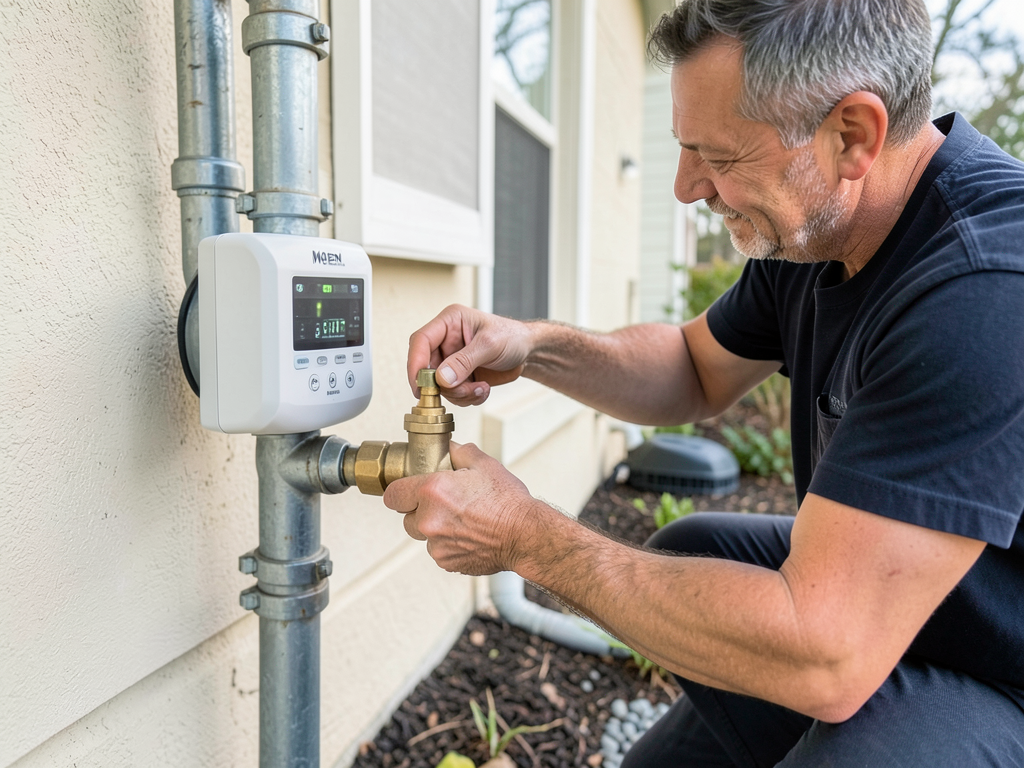
Smart leak detectors use sensors to monitor water flow, moisture levels, or both. Basic models sit on the floor and sound an alarm when they get wet. Advanced systems connect to your main water line and can automatically shut off water when they detect unusual flow patterns.. Read more about Why Your Kennesaw Home’s Water Pressure Regulator Might Be Failing.
The most sophisticated units use ultrasonic technology to listen for the sound of water moving through pipes. When they hear water flowing at odd hours or detect a pressure drop, they send an alert to your phone. Some can even integrate with your home automation system to turn off lights or adjust thermostats when a leak is detected.
Installation complexity varies dramatically. Floor sensors simply need batteries and Wi-Fi. Whole-home systems require cutting into your main water line and often need a licensed plumber to meet Atlanta building codes.. Read more about Considering a Bidet Installation for Your Poncey-Highland Bathroom Upgrade.
Quick Comparison: Smart Leak Detectors for Chastain Park Homes
| Model | Type | Auto Shut-off | Installation | Price Range |
|---|---|---|---|---|
| Moen Flo | Whole-home | Yes | Professional | $500-700 |
| Phyn Plus | Whole-home | Yes | Professional | $800-1000 |
| YoSmart | Whole-home | Yes | Professional | $400-500 |
| Honeywell Lyric | Point sensor | No | DIY | $50-80 |
| Eve Water Guard | Point sensor | No | DIY | $80-100 |
Top Smart Leak Detectors for Atlanta Homes
Moen Flo Smart Water Monitor
The Moen Flo stands out for Chastain Park homes because it handles Atlanta’s high water pressure without false alarms. This whole-home system monitors your entire plumbing network and can shut off water automatically when it detects a leak. The Best Way to Handle a Gas Line Leak in Smyrna.
Installation requires cutting into your main water line, which means you need a licensed plumber. The Flo also includes pressure monitoring that can alert you to failing pressure regulators before they cause damage. For Chastain Park’s older homes with aging pipes, this early warning system is invaluable.
Phyn Plus Smart Water Assistant
Phyn Plus uses ultrasonic technology to detect even the smallest leaks. It learns your home’s water usage patterns and can distinguish between a running toilet and a burst pipe. The system includes temperature monitoring to warn you about freezing pipes during Atlanta’s occasional cold snaps. Who to Call for an Emergency Pipe Burst in Buckhead.
The Phyn Plus connects to your home’s Wi-Fi and sends detailed reports about water usage. This helps identify hidden leaks that might be driving up your water bill. For Chastain Park homes with finished basements, this level of monitoring provides peace of mind. What to Do When Your Marietta Basement Starts Flooding.
Honeywell Home WiFi Water Leak Detector
For homeowners who want a simpler solution, the Honeywell Lyric detector offers reliable basic protection. These battery-powered sensors sit on the floor near water heaters, under sinks, or in laundry rooms. When they detect moisture, they send an alert to your phone.. Read more about Signs You Might Have a Slab Leak Under Your Peachtree Corners Foundation.
The Lyric detectors are ideal for rental properties or secondary homes in Chastain Park. They’re easy to install and don’t require any plumbing modifications. However, they won’t shut off your water automatically if a pipe bursts while you’re away. Plumbing Roswell.
Installation: DIY vs. Professional in Atlanta
Floor sensors are genuinely DIY-friendly. You place them, connect to Wi-Fi, and download the app. Most Atlanta homeowners can handle this in under 30 minutes.. Read more about How Candler Park Homeowners Can Spot a Hidden Water Leak Before the Bill Spikes.
Whole-home systems tell a different story. Georgia plumbing code requires a licensed plumber to modify your main water line. This isn’t just about legality—it’s about protecting your home from catastrophic failure.
Professional installation ensures proper pipe cutting, correct valve orientation, and code-compliant connections. A plumber will also check your water pressure and may recommend a pressure-reducing valve if your home exceeds 80 psi. Many Chastain Park homes do, especially those near higher elevation areas.
Professional installation typically takes 2-3 hours and includes testing the shut-off valve, configuring the app, and showing you how to use the system. The peace of mind is worth the $200-400 installation fee.
Chastain Park Home Compatibility Guide
Chastain Park homes vary widely in age and construction. Understanding your home’s plumbing setup helps choose the right system.
Older homes (pre-1980) often have galvanized steel pipes that corrode from the inside. These homes benefit most from whole-home monitoring because internal corrosion can cause sudden failures. The Moen Flo or Phyn Plus can detect pressure drops that indicate a pipe about to burst.
Newer homes with PEX plumbing are more resistant to corrosion but still face freeze risks. Point sensors near water heaters and washing machines provide good protection at lower cost.
Homes with crawl spaces face unique challenges. High Atlanta humidity can cause condensation that triggers false alarms on basic sensors. Professional-grade systems with humidity compensation work better in these environments.
Slab-on-grade homes in Chastain Park need strategic sensor placement. Focus on areas near water heaters, dishwashers, and refrigerator water lines. These are the most common sources of slow leaks that cause expensive damage.
Insurance Benefits and Rebates in Georgia
Many Georgia insurance providers offer premium discounts for professionally installed smart leak detection systems. State Farm, Allstate, and USAA commonly provide 5-10% discounts when you have a whole-home system with automatic shut-off.
Some systems qualify for utility rebates. Atlanta’s water authority occasionally offers rebates for water-saving devices, though smart leak detectors aren’t always included. Check with your provider about current programs.
The real insurance benefit isn’t the discount—it’s avoiding claims entirely. Water damage claims average $10,000-$15,000 in Georgia. A smart system that prevents one claim can save you thousands in premiums over time.
Professional installation documentation is crucial for insurance purposes. Keep receipts and installation certificates. Some insurers require proof of professional installation to honor discounts.
Atlanta Water Pressure and Smart Sensors
Atlanta’s water pressure varies significantly by neighborhood and elevation. Chastain Park homes near higher elevations often experience pressure above 80 psi, which is the maximum recommended for most residential plumbing.
High pressure stresses smart sensors, especially those with mechanical components. Systems like Moen Flo include pressure monitoring that can alert you when pressure exceeds safe levels. This feature alone can prevent pipe bursts.
During summer months, Atlanta’s water demand can cause pressure fluctuations. Smart systems need to distinguish between normal pressure changes and actual leaks. Professional-grade units handle this better than basic models.
If your home has a pressure-reducing valve, it may need adjustment or replacement. A plumber can test your pressure and ensure your smart system works properly with your existing plumbing.
Common Atlanta Plumbing Issues Smart Detectors Catch
Atlanta’s clay soil shifts seasonally, stressing underground pipes. Smart detectors can catch the early signs of pipe fatigue before catastrophic failure occurs.
Hard water in North Atlanta leaves mineral deposits that narrow pipe interiors. This reduces flow and increases pressure, potentially causing bursts. Smart systems monitor flow rates and can alert you to developing problems.
Many Chastain Park homes have polybutylene pipes from the 1970s-1990s. These pipes are prone to sudden failure. A smart detector can provide crucial early warning before a complete break occurs.
Water heaters in Atlanta’s hard water areas often fail prematurely. Smart sensors near water heaters can detect slow leaks that indicate a failing unit, preventing the catastrophic tank burst that happens when these units finally give out.
Integration with Home Automation
Modern smart leak detectors integrate with popular home automation platforms. Amazon Alexa, Google Home, and Apple HomeKit compatibility lets you check your system status with voice commands.
Advanced integration allows automatic responses to leaks. Your system can turn off HVAC to prevent mold spread, shut off electricity to affected areas, or even unlock doors for emergency responders.
Some systems integrate with security cameras, allowing you to visually confirm leaks before taking action. This prevents false alarms from causing unnecessary panic.
Professional installation ensures proper integration with your existing smart home setup. A plumber can test all connections and verify that alerts reach you reliably.
Maintenance and Battery Life
Smart leak detectors require ongoing maintenance to function properly. Battery-powered sensors need replacement every 1-2 years. Whole-home systems need occasional software updates and battery checks.
Atlanta’s humidity affects battery life. High humidity can cause corrosion in battery compartments, reducing lifespan. Professional-grade systems often include better sealing and longer battery life.
Monthly testing ensures your system works when you need it. Most apps include test functions that simulate leaks without causing damage. Professional installers typically test the system during installation and show you how to perform ongoing tests.
Software updates add new features and fix bugs. Whole-home systems typically update automatically, but point sensors may need manual updates. Professional installers can handle these updates during routine maintenance visits.
Cost vs. Value Analysis
The initial cost of smart leak detection ranges from $50 for basic sensors to $1,000+ for professional whole-home systems. Installation adds $200-400 for professional systems.
However, the value extends far beyond the purchase price. A single prevented water damage claim can save $10,000-$20,000. Insurance discounts provide ongoing savings. Early leak detection prevents mold growth, which can cost thousands to remediate.
For Chastain Park homes valued over $500,000, smart leak detection is essentially insurance against catastrophic water damage. The systems pay for themselves the first time they prevent a major leak.
Consider your home’s age, plumbing condition, and your travel frequency. If you’re away often or have an older home, the investment becomes even more valuable.
Frequently Asked Questions
Do smart leak detectors work during power outages?
Most smart leak detectors include battery backup and continue working during power outages. Whole-home systems typically have battery backup for the control unit, though the automatic shut-off valve may not function without power. Point sensors continue working normally on battery power.
Can smart leak detectors detect small leaks?
Professional-grade systems like Phyn Plus can detect leaks as small as one drop per minute. Basic point sensors only detect standing water. The sensitivity you need depends on your home’s age and plumbing condition.
How long do smart leak detectors last?
Point sensors typically last 5-7 years before needing replacement. Whole-home systems with electronic components can last 10-15 years with proper maintenance. Battery life varies by usage and environmental conditions.
Will smart leak detectors work with my existing security system?
Many smart leak detectors integrate with popular security systems like ADT, SimpliSafe, and Ring. Professional installation ensures proper integration and testing of all connections.
Making the Right Choice for Your Chastain Park Home
Smart leak detectors aren’t just gadgets—they’re essential protection for Chastain Park homes. The combination of aging infrastructure, high water pressure, and seasonal temperature swings creates unique risks that these systems are designed to address.
For most homeowners, a whole-home system like Moen Flo provides the best protection. The automatic shut-off feature alone can prevent catastrophic damage. However, if budget is tight, strategically placed point sensors offer good basic protection.
The key is professional installation. Atlanta’s plumbing codes exist to protect your home from exactly the kind of damage these systems prevent. A licensed plumber ensures your system works properly and meets all local requirements.
Don’t wait for a leak to discover your home’s vulnerabilities. Call (770) 610-5522 today to schedule a consultation with Elite Plumbing Atlanta. We’ll assess your home’s specific risks and recommend the right smart leak detection solution.
Pick up the phone and call (770) 610-5522 before the next storm hits. Your home deserves professional protection, not just another gadget that might fail when you need it most. For more information, visit EPA WaterSense. For more information, visit International Code Council.
You may also find this helpful. Why Your Druid Hills Home Needs a Professional Backflow Test.
You may also find this helpful. How to Repair a Leaky Outdoor Spigot in Reynoldstown Before Winter Hits.
You may also find this helpful. Sump Pumps vs French Drains—Protecting Your Garden Hills Basement from Heavy Rain.