Choosing Between a Water Softener and a Filtration System for Your East Cobb House
East Cobb homeowners face a common dilemma: hard water stains on faucets and cloudy glassware versus concerns about chlorine taste and sediment in drinking water. Understanding the difference between water softeners and filtration systems is the first step to solving your specific water quality problems. This guide breaks down the technology, costs, and maintenance for both options so you can make an informed decision for your home.. Read more about How Much Does a New Water Heater Cost in Alpharetta?.
Key Differences Between Water Softening and Water Filtration
Water softeners and filtration systems target different water problems. A water softener removes calcium and magnesium minerals that cause hard water scale buildup. Filtration systems remove contaminants like chlorine, sediment, pesticides, and bacteria. Some East Cobb homes need both systems to address all water quality issues.. Read more about Fixing Low Water Pressure Issues in Inman Park Neighborhoods.
Water softeners use ion exchange technology. Hard water passes through resin beads that swap calcium and magnesium ions for sodium or potassium ions. This process prevents scale buildup in pipes and appliances but does not remove other contaminants. Filtration systems use activated carbon, reverse osmosis, or UV light to trap or neutralize various pollutants while leaving beneficial minerals intact.. Read more about Dealing with Hard Water Problems in Milton once and for all.
The choice depends on your specific water problems. If you see white scale on showerheads and appliances work less efficiently, you likely have hard water that needs softening. If your water tastes or smells chemical-like, or you worry about contaminants, you need filtration. Many East Cobb homes experience both issues due to the local water supply characteristics.. Read more about The Real Pros and Cons of Tankless vs Traditional Water Heaters in Vinings.
Understanding Atlanta’s Water Quality (Hardness vs. Contaminants)
East Cobb water comes from the Chattahoochee River through the Atlanta Department of Watershed Management system. The water supply has moderate hardness levels averaging 15-50 mg/L or 1-3 grains per gallon. This puts East Cobb in the “slightly hard” to “moderately hard” category on the water hardness scale. Atlanta Department of Watershed Management.
Local water also contains chlorine and chloramine added for disinfection. These chemicals can create an unpleasant taste and odor. The Chattahoochee River watershed contributes sediment and organic matter that municipal treatment cannot completely remove. Some East Cobb homes also deal with iron staining from older pipes or well water sources.. Read more about The Best Way to Flush Your Tankless Water Heater in Tuxedo Park.
The Georgia Environmental Protection Division monitors water quality across metro Atlanta. Recent reports show East Cobb water meets all safety standards but contains levels of total dissolved solids that affect taste and appliance performance. The combination of hardness minerals and treatment chemicals creates the specific water quality profile that East Cobb homeowners experience. Georgia Environmental Protection Division.
How a Water Softener Works (Ion Exchange vs. Salt-Free)
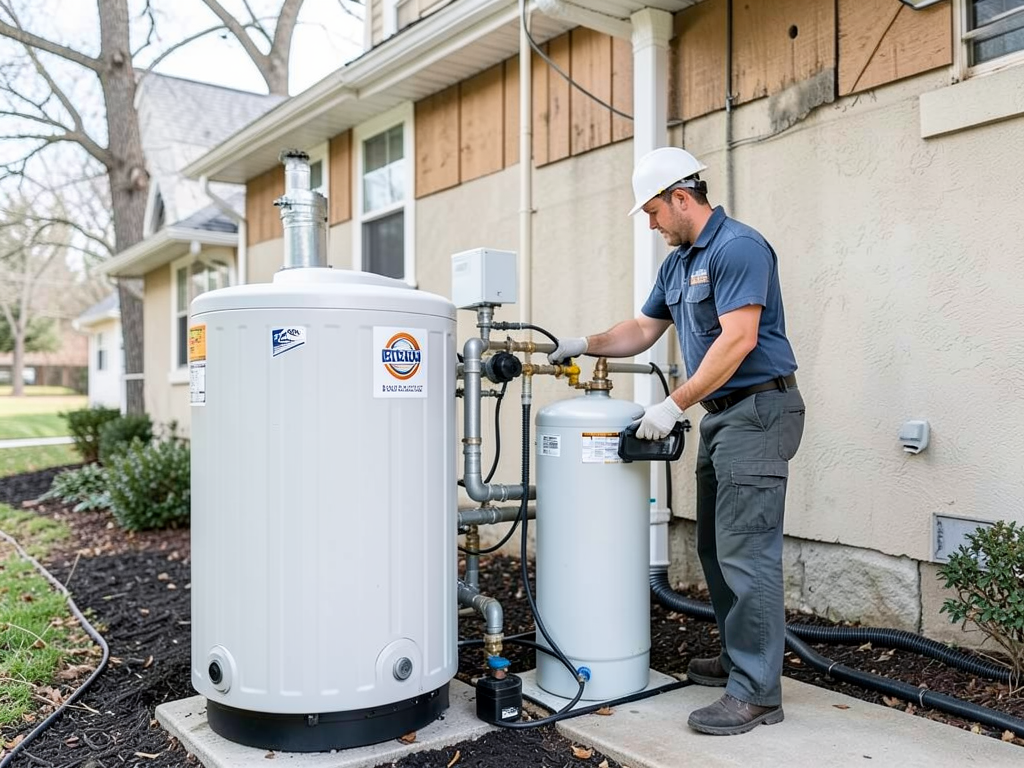
Traditional water softeners use ion exchange resin beads. Hard water flows through a mineral tank where calcium and magnesium ions attach to resin beads and release sodium ions. The process continues until the resin becomes saturated with hardness minerals. A brine tank then flushes the system with salt water to regenerate the resin and flush away collected minerals.
Salt-free water conditioners work differently. These systems use template-assisted crystallization or magnetic fields to change how hardness minerals behave. Instead of removing calcium and magnesium, they alter the crystal structure so minerals cannot stick to surfaces. This prevents scale buildup without adding sodium to the water supply.
Traditional softeners require more maintenance but provide complete mineral removal. Salt-free systems need less upkeep but may not work as effectively in very hard water areas. The choice affects both water quality and long-term plumbing health. Traditional systems protect pipes and appliances more thoroughly but require regular salt refills and periodic resin bed cleaning. Plumbing Decatur.
Types of Water Filtration Systems (Carbon, RO, and UV)
Activated carbon filters are the most common filtration option. These systems use porous carbon to trap chlorine, volatile organic compounds, and sediment. Carbon filters improve taste and odor while removing many chemical contaminants. They work well for municipal water supplies where the main concerns are treatment chemicals and sediment.
Reverse osmosis systems provide the most comprehensive filtration. Water passes through a semipermeable membrane that blocks particles larger than water molecules. RO systems remove up to 99% of dissolved solids, including lead, arsenic, fluoride, and nitrates. They produce extremely pure water but waste some water during the filtration process.
UV purification systems use ultraviolet light to kill bacteria, viruses, and other microorganisms. These systems do not remove chemicals or minerals but provide excellent protection against biological contaminants. UV systems work best as part of a multi-stage filtration setup, often combined with carbon pre-filters and post-filters.
Whole-house filtration systems treat all water entering your home. Point-of-use systems filter water at specific taps for drinking and cooking. The choice depends on whether you want to protect all plumbing and appliances or just improve drinking water quality. Plumbing Roswell.
Comparison Table: Cost, Maintenance, and Performance
| System Type | Initial Cost | Annual Maintenance | Water Quality Improvement | Best For |
|---|---|---|---|---|
| Traditional Water Softener | $1,200-$2,500 | $100-$200 (salt) | Removes hardness minerals | Scale prevention, appliance protection |
| Salt-Free Conditioner | $800-$1,800 | $50-$100 | Prevents scale formation | Low sodium, minimal maintenance |
| Activated Carbon Filter | $300-$800 | $50-$150 (filter replacement) | Removes chlorine, improves taste | Chemical removal, taste improvement |
| Reverse Osmosis System | $400-$1,200 | $100-$200 (filters/membrane) | Removes 99% of contaminants | Pure drinking water |
| UV Purification System | $400-$900 | $50-$100 (lamp replacement) | Kills bacteria and viruses | Biological contamination concerns |
Do You Need Both? The Hybrid Solution
Many East Cobb homes benefit from combining water softening and filtration systems. The hybrid approach addresses both hardness minerals and chemical contaminants. A typical setup includes a water softener to protect plumbing and appliances, followed by carbon filtration to improve taste and remove treatment chemicals. Plumbing Kennesaw.
The installation sequence matters. Water should pass through the softener first to remove hardness minerals, then through the filtration system to remove chlorine and other contaminants. This order protects the more expensive filtration media from scale buildup and extends the life of both systems.. Read more about Considering a Bidet Installation for Your Poncey-Highland Bathroom Upgrade.
Hybrid systems cost more upfront but provide comprehensive water quality protection. The combined investment typically ranges from $2,000 to $4,000 installed. However, the protection extends appliance lifespans, reduces soap and detergent usage, and provides better tasting water throughout the home.
Professional installation ensures proper system sizing and integration. An experienced plumber can test your water quality and recommend the right combination of technologies. They can also handle the plumbing modifications needed to install whole-house systems and ensure compliance with local building codes. The Best Way to Handle a Gas Line Leak in Smyrna.
Frequently Asked Questions about Atlanta Water Systems
How do I know if I need a water softener or filter?
Test your water or look for signs. White scale on faucets and showerheads indicates hard water that needs softening. Chemical taste or odor suggests you need filtration. Many East Cobb homes need both systems due to local water characteristics.
What size water softener do I need for my East Cobb home?
System size depends on household water usage and hardness level. A typical family of four uses 300-400 gallons daily. Multiply by your water hardness in grains per gallon and a capacity factor of 7-10 to determine the required grain capacity. Most East Cobb homes need 30,000-40,000 grain capacity systems.
How often should I replace water filter cartridges?
Carbon filters typically last 6-12 months depending on water usage and quality. Reverse osmosis membranes last 2-3 years. UV lamps need annual replacement. Your specific replacement schedule depends on your water quality and household consumption patterns.
Can I install these systems myself?
Professional installation is recommended for whole-house systems. Proper sizing, plumbing connections, and code compliance require expertise. DIY installation may void warranties and create plumbing issues. Professional installation ensures optimal performance and protects your home’s plumbing system.
Are water softeners bad for septic systems?
Modern water softeners use minimal salt and discharge clean brine during regeneration. The discharge does not harm septic systems when properly installed. Some municipalities have restrictions on softener discharge, so check local regulations before installation.
Ready to Improve Your East Cobb Water Quality?
Water quality issues affect everything from your morning shower to your dishwasher’s performance. Hard water damages appliances and plumbing while chemical contaminants affect taste and health. The right water treatment system can solve these problems and protect your East Cobb home investment.. Read more about PEX vs Copper—Deciding on the Right Piping for Your Summerhill Renovation.
Professional water testing reveals exactly what’s in your water and which treatment system will work best. Our experienced plumbers understand East Cobb’s specific water quality challenges and can recommend the right solution for your home and budget. We handle everything from system selection to professional installation and maintenance.
Don’t let poor water quality damage your home or affect your family’s comfort. Call (770) 610-5522 today to schedule your free water quality consultation. We’ll test your water, explain your options, and provide a clear recommendation for the best water treatment solution for your East Cobb house.
You may also find this helpful. Comparing Garbage Disposals for Your Little Five Points Kitchen Remodel.
You may also find this helpful. Is Your Atlantic Station Condo Shower Valve Failing? (Common Signs to Watch For).