
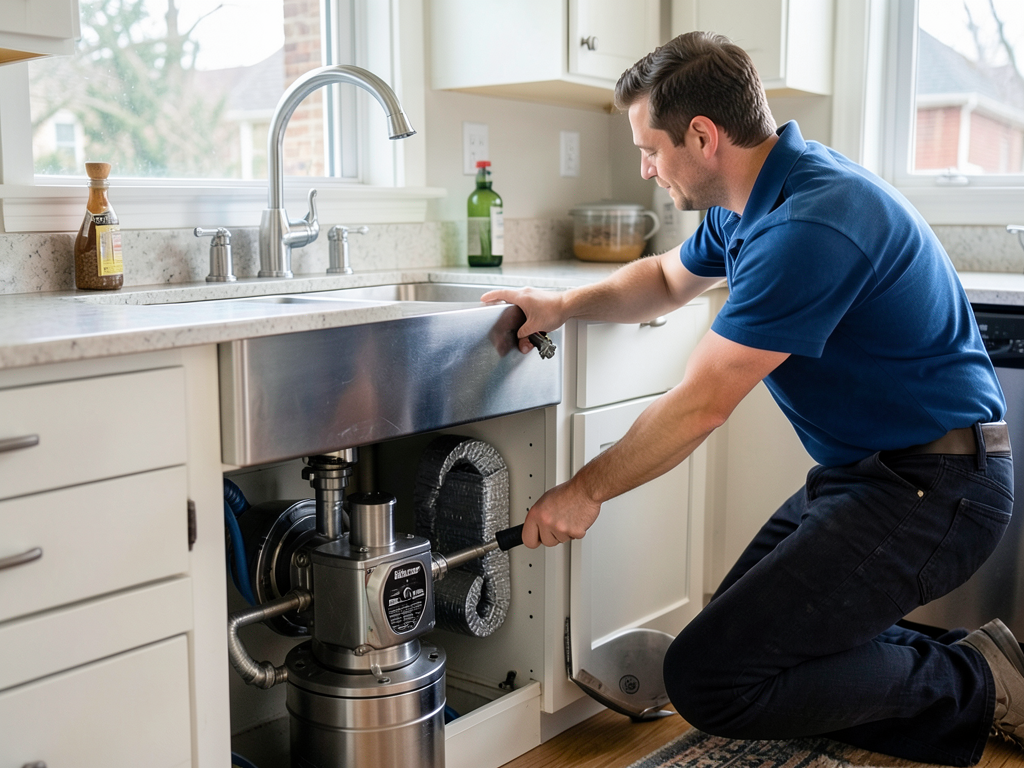
Choosing the Right Garbage Disposal Horsepower for Your Westside Village Kitchen
Selecting the correct garbage disposal horsepower can mean the difference between years of trouble-free kitchen cleanup and constant clogs, jams, and frustration. For Westside Village homeowners, the right choice depends on your household size, cooking habits, and the specific plumbing challenges found in Atlanta’s older neighborhoods. This guide breaks down exactly which motor strength you need, what food waste it can handle, and how to avoid common installation mistakes that lead to premature failure. How to Deal with Main Sewer Line Clogs in Your Decatur Bungalow.
Garbage Disposal Horsepower Comparison Chart
| HP Rating | Best For | Max Food Types | Noise Level (dB) | Average Lifespan |
|---|---|---|---|---|
| 1/3 HP | 1-2 people, light use | Soft foods, small scraps | 70-75 | 5-7 years |
| 1/2 HP | 2-3 people, standard use | Most food scraps, no bones | 65-70 | 7-10 years |
| 3/4 HP | 3-5 people, heavy use | Fibrous vegetables, small bones | 60-65 | 10-12 years |
| 1 HP | 5+ people, frequent cooking | Everything except large bones | 55-60 | 12-15 years |
1/3 Horsepower: The Budget Apartment Option
The 1/3 HP disposal represents the entry-level choice for small households or rental properties. These units typically feature a permanent magnet motor that spins at high RPMs but delivers less torque than induction motors found in larger models. The compact design works well in tight cabinet spaces common in Westside Village’s older bungalow kitchens.. Read more about Common Plumbing Mistakes to Avoid During Your Lindbergh Condo Kitchen Remodel.
Key limitations: Cannot handle fibrous vegetables like celery or potato peels, struggles with coffee grounds, and will jam on small bones or fruit pits. The smaller grinding chamber means food must be fed more slowly to avoid clogs.
During installation, technicians often find that 1/3 HP units require more frequent maintenance due to their inability to process tough food waste. The motors work harder, generating more heat that can stress the electrical connections in Atlanta’s older homes where wiring may not meet current code standards.
1/2 Horsepower: The Small Family Standard
The 1/2 HP disposal serves as the most popular choice for Atlanta families, handling the needs of 2-3 people with typical cooking habits. These units feature improved sound insulation and stainless steel grinding components that resist corrosion from Atlanta’s hard water.. Read more about Is an Instant Hot Water Dispenser Worth Adding to Your Piedmont Heights Kitchen?.
Installation considerations for Westside Village homes include checking the existing mounting assembly, as many older homes have non-standard sink configurations. The 1/2 HP models typically require a 120V electrical connection with a dedicated 15-amp circuit, which may need upgrading in homes built before 1980.
Technicians report that 1/2 HP units strike the best balance between cost and performance for most Westside Village kitchens. They handle daily food waste without the excessive vibration that can loosen sink connections over time. The Best Way to Handle a Gas Line Leak in Smyrna.
3/4 Horsepower: The Heavy-Duty Goldilocks Choice
The 3/4 HP disposal represents the sweet spot for active families who cook frequently. These units feature multi-stage grinding technology that breaks down food waste more completely, reducing the risk of clogs in Atlanta’s aging sewer lines.
Performance advantages: Handles fibrous vegetables, small chicken bones, fruit pits, and coffee grounds without jamming. The larger grinding chamber processes waste more efficiently, reducing the likelihood of food buildup that attracts pests common in Atlanta’s warm climate.
Installation requires more space under the sink, which can be challenging in Westside Village’s historic homes where cabinet depth is limited. The units typically weigh 15-20 pounds, requiring secure mounting to prevent sink movement during operation.
1 Horsepower and Beyond: Professional Grade Performance
One HP disposals and larger models cater to serious home cooks and families who entertain frequently. These units feature the most advanced grinding technology, including three-stage systems that virtually liquefy food waste.
The high-torque induction motors handle everything from corn cobs to small bones without hesitation. Sound insulation technology reduces operation noise to barely audible levels, a significant advantage in open-concept Westside Village kitchens where the disposal sits near living areas.. Read more about The Hidden Cost of Moving a Kitchen Sink to a Center Island in Your Buckhead Remodel.
Installation considerations include ensuring adequate electrical service, as these units often require 20-amp circuits. The larger size may necessitate cabinet modifications, and the weight requires professional mounting to prevent sink damage.
Atlanta Plumbing Considerations for Garbage Disposals
Westside Village’s plumbing infrastructure presents unique challenges for garbage disposal installation. Many homes feature original cast iron drain pipes that have narrowed due to mineral buildup from Atlanta’s hard water, making proper food waste disposal critical. Plumbing Decatur.
The Georgia State Minimum Standard Plumbing Code requires that all food waste disposers be connected to a properly sized trap and vent system. In older Westside Village homes, this may mean upgrading the existing plumbing to meet current code requirements before installation. Plumbing Roswell.
Local water chemistry affects disposal longevity. Atlanta’s water contains high levels of calcium and magnesium that can accumulate on grinding components, reducing efficiency over time. Stainless steel components resist this buildup better than galvanized alternatives, though at a higher initial cost.
Golden Nugget: Atlanta’s clay soil causes foundation movement that can stress drain connections. Professional installation includes checking and reinforcing these connections to prevent leaks that could damage cabinets or create mold conditions in the warm, humid Atlanta climate.
Installation Tips: DIY vs Professional Atlanta Plumber
While many homeowners attempt DIY disposal installation, Westside Village’s unique plumbing challenges make professional installation worthwhile. Here’s what the process involves: Plumbing Kennesaw.
- Assessment and Preparation
Technician evaluates existing plumbing, electrical capacity, and cabinet space. Checks for code compliance issues specific to Atlanta’s building regulations.
- Removal of Old Unit
Disconnects power, removes mounting assembly, and inspects drain connections for damage or corrosion common in Atlanta’s older homes.
- Installation and Testing
Mounts new disposal, connects electrical supply, tests for leaks, and verifies proper operation with various food waste types.
Professional installation ensures compliance with Atlanta’s plumbing codes and prevents common mistakes like improper electrical connections or inadequate mounting that can lead to premature failure.
Grind Stage Technology Explained
Garbage disposals use different grinding technologies that affect performance and food waste compatibility. Understanding these differences helps you choose the right model for your needs.
Single-stage grinders use one set of rotating blades to chop food waste. These work adequately for soft foods but struggle with tougher items. Two-stage systems add a second grinding surface that breaks down waste more thoroughly, reducing clog risk.
Three-stage grinders represent the premium option, pulverizing food waste into particles small enough to flow easily through plumbing systems. This technology proves especially valuable in older Westside Village homes where drain pipes may have accumulated buildup over decades.
Golden Nugget: Multi-stage grinders reduce the need for septic system additives in homes with septic tanks, as the finer particles break down more efficiently in the tank environment.
Noise Reduction and Insulation Features
Modern garbage disposals incorporate advanced noise reduction technology that makes operation barely noticeable. Sound insulation materials surround the motor housing, while anti-vibration mounts prevent transmission of noise through the sink and countertop.
Premium models feature additional sound-dampening technology including insulated grinding chambers and specialized mounting systems that isolate vibration. These features prove particularly valuable in Westside Village’s open-concept homes where kitchen noise carries throughout living spaces.
Installation quality affects noise levels significantly. Loose mounting or inadequate insulation can amplify operational sounds, making even quiet motors seem loud. Professional installation ensures all noise reduction features function as designed.
Power Cord vs Hardwired Installation
Garbage disposals come in corded and hardwired configurations, each with distinct advantages for Westside Village homes. Corded units offer plug-and-play convenience but require accessible electrical outlets under the sink.
Hardwired installations provide cleaner aesthetics and eliminate the need for outlets in tight cabinet spaces. However, they require professional electrical work and may need code-compliant junction boxes that weren’t standard in older Atlanta homes.
Diagnostic Tip: Test existing electrical connections before disposal installation. Many Westside Village homes have outdated wiring that cannot safely handle modern disposal power requirements. Signs include warm outlets, frequently tripped breakers, or flickering lights when the disposal operates.
Common Food Types and Disposal Compatibility
Understanding which foods your disposal can handle prevents jams and extends unit life. Here’s a breakdown by horsepower rating:
| Food Type | 1/3 HP | 1/2 HP | 3/4 HP | 1 HP |
|---|---|---|---|---|
| Vegetable peels | Limited | Most types | All types | All types |
| Coffee grounds | No | Yes | Yes | Yes |
| Small bones | No | No | Yes | Yes |
| Fibrous vegetables | No | Limited | Yes | Yes |
Foods to avoid regardless of horsepower include grease, oil, and expandable foods like pasta and rice that can cause severe clogs in Atlanta’s aging sewer infrastructure.
Maintenance and Longevity Tips
Proper maintenance extends disposal life and prevents costly repairs. Run cold water for 30 seconds before and after operation to flush waste completely through drain lines. This proves especially important in Westside Village where older pipes may have reduced diameter. EPA WaterSense program.
Monthly cleaning with ice cubes and citrus peels helps maintain grinding efficiency and prevents odor buildup. For Atlanta’s hard water conditions, occasional cleaning with vinegar solution removes mineral deposits that can reduce performance.
Warning Sign: Unusual noises, frequent jamming, or slow drainage indicate potential problems requiring professional attention. Ignoring these signs often leads to more expensive repairs or premature replacement.
Frequently Asked Questions
What garbage disposal horsepower do I need for a family of four?
A 3/4 HP disposal typically handles the needs of a family of four who cook regularly. This size manages most food waste types without jamming and provides good longevity in Atlanta’s hard water conditions.
Can I install a garbage disposal in an older Westside Village home?
Yes, but older homes often require plumbing and electrical upgrades to meet current code requirements. Professional assessment ensures proper installation and prevents damage to historic plumbing systems.
How long should a garbage disposal last in Atlanta?
Expect 7-10 years for budget models and 10-15 years for premium units. Atlanta’s hard water and humid conditions can reduce lifespan if proper maintenance isn’t performed.
Will a more powerful disposal use more electricity?
While 1 HP units draw more power during operation, they run for shorter periods due to efficiency, often resulting in similar or lower overall energy consumption compared to smaller models working harder.
What’s the difference between continuous feed and batch feed disposals?
Continuous feed models run when you flip a switch, allowing you to add food waste during operation. Batch feed units only operate when you place a stopper in the drain, offering enhanced safety but less convenience.
Making Your Final Decision
Choosing the right garbage disposal horsepower ultimately depends on your household size, cooking habits, and willingness to perform maintenance. For most Westside Village families, the 3/4 HP model provides the best balance of performance, longevity, and value.
Consider your specific needs carefully. Do you cook large meals frequently? Do you entertain often? Are you willing to avoid certain food types to save money on a smaller unit? These questions help determine whether the extra cost of a more powerful model makes sense for your situation.
Remember that professional installation ensures your disposal operates safely and efficiently within Atlanta’s unique plumbing environment. The initial investment in proper installation often prevents costly repairs and extends unit life significantly.
Ready to Upgrade Your Kitchen?
Don’t let an inadequate garbage disposal slow down your kitchen workflow or cause plumbing problems. Our Atlanta-based plumbing experts understand the specific challenges Westside Village homes face and can recommend the perfect disposal for your needs.
Call (770) 610-5522 today to schedule your free consultation and disposal assessment. We’ll evaluate your current setup, discuss your needs, and provide a detailed quote for professional installation that meets all Atlanta plumbing codes.
Pick up the phone and call (770) 610-5522 before the next big family meal leaves you dealing with a jammed disposal and backed-up sink. Our team is ready to help you choose and install the right garbage disposal for years of trouble-free kitchen cleanup. For more information, visit International Association of Plumbing and Mechanical Officials.
You may also find this helpful. Why Your New High-Efficiency Dishwasher in Grayson Might Need an Air Gap to Drain Correcty.