Everything You Need to Know About Installing a Wet Bar in Your Virginia-Highland Basement
Adding a wet bar to your Virginia-Highland basement can transform your entertainment space into a true gathering spot for friends and family. But before you start picking out bar stools and glassware, there’s one critical element that determines whether your vision becomes reality: the plumbing. Virginia-Highland homes, with their classic bungalow and craftsman architecture, often feature finished basements or terrace levels that need specialized plumbing solutions when adding below-grade fixtures. What to Do When Your Marietta Basement Starts Flooding.
The biggest challenge with basement wet bars is gravity. Unlike upstairs plumbing that drains naturally downward, basement fixtures must overcome the physics of being below the main sewer line. This means you’ll need either to cut through your basement slab to install gravity drains or install a sewage ejector pump system that can push waste upward to connect with existing plumbing. Understanding these options before you begin your remodel can save you thousands of dollars and prevent major headaches down the road. How to Deal with Main Sewer Line Clogs in Your Decatur Bungalow.
Georgia plumbing codes add another layer of complexity. The Georgia State Minimum Standard Plumbing Code requires specific venting, trap configurations, and backflow prevention devices for basement installations. Without proper permits and inspections, you risk code violations that could affect your home’s resale value or insurance coverage. Let’s walk through everything you need to know about making your Virginia-Highland basement wet bar dreams a reality. Georgia State Minimum Standard Plumbing Code.
Planning Your Basement Wet Bar: The Plumbing Essentials
Before demolition begins, you need to understand your basement’s existing plumbing layout. Most Virginia-Highland homes built before 1980 have cast iron drain lines, while newer constructions typically use PVC. This matters because different materials require different connection methods and have varying lifespans. A licensed plumber can use a camera inspection to map your existing sewer line depth and determine the most cost-effective drainage solution for your specific situation. Plumbing Decatur.
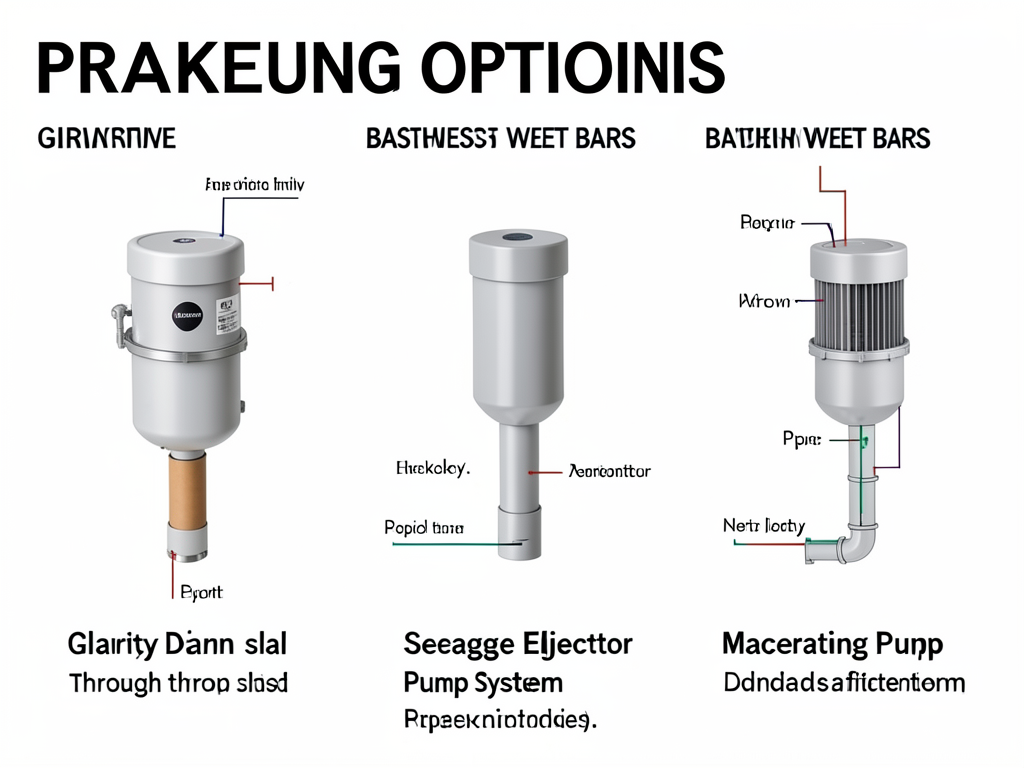
The three main drainage options for basement wet bars each have distinct advantages and limitations. Gravity drainage requires cutting through your basement slab, trenching a new drain line, and connecting to the main sewer at a point below your fixtures. This option works well if your sewer line is deep enough and provides the most reliable, low-maintenance solution. However, slab cutting can cost $2,000 to $5,000 depending on concrete thickness and reinforcement.
Sewage ejector pumps offer an alternative when gravity drainage isn’t feasible. These systems collect waste in a sealed tank and use powerful pumps to push it upward through a discharge line. Modern ejector pumps are surprisingly quiet and reliable, with most systems including alarm notifications if something goes wrong. The trade-off is higher initial cost and the need for electrical power near your wet bar location.
Macerating systems like Saniflo provide a third option that’s easier to install but has limitations. These upflush toilets and pumps grind waste into a fine slurry that can be pumped through smaller pipes. While convenient for occasional use, macerating systems aren’t ideal for heavy-duty bar use and may require more frequent maintenance than traditional ejector pumps.
– Diagram showing three drainage options for basement wet bars: gravity drain through slab, sewage ejector pump system, and macerating pump setup with pipe routing and elevation differences.
Key Challenges: Drainage and Ejector Pumps for Atlanta Basements
Atlanta’s clay soil presents unique challenges for basement plumbing. Georgia red clay expands when wet and contracts when dry, creating soil movement that can stress underground pipes over time. This means your drainage system needs extra flexibility and proper support to prevent future leaks or breaks. Professional plumbers often use flexible couplings and expansion joints in Atlanta basement installations to accommodate this natural soil movement. Plumbing Roswell.
Water table considerations are crucial in Virginia-Highland. The neighborhood’s elevation varies significantly, and some areas sit closer to the Chattahoochee River watershed than others. A sump pump might be necessary even if you’re not installing one for your wet bar drainage. Testing your basement’s water table level before beginning construction can prevent expensive water damage discoveries later.
Electrical requirements for ejector pumps often surprise homeowners. These systems need dedicated GFCI-protected circuits and must be installed according to National Electrical Code requirements. The pump itself requires enough power to handle peak usage during parties or gatherings. Most residential ejector pumps need 1/2 to 3/4 horsepower motors, which translates to specific electrical demands that your existing basement circuits might not support. The Best Way to Handle a Gas Line Leak in Smyrna.
Noise considerations matter more than many people realize. Modern ejector pumps are much quieter than older models, but they still make operational sounds that can echo in finished basements. Strategic pump placement, proper insulation, and vibration-dampening mounts can minimize noise. Some homeowners opt to install pumps in utility closets or behind finished walls with sound barriers.
Maintenance access is another critical factor often overlooked during planning. Ejector pump systems require periodic cleaning and occasional part replacement. Your design should include access panels or removable sections that allow technicians to service the system without demolishing your newly finished bar area. This foresight can save you significant repair costs in the future.
Georgia Plumbing Codes for Basement Renovations
The Georgia State Minimum Standard Plumbing Code, based on the International Plumbing Code with state amendments, sets specific requirements for basement plumbing installations. Section 701 of the code addresses drainage for fixtures below sewer level, requiring either gravity drainage to a point below the lowest fixture or mechanical pumping systems with specific safety features. International Plumbing Code Section 701.
Venting requirements become more complex in basement installations. While upstairs fixtures can often share vent stacks, basement fixtures typically need individual vent connections or air admittance valves (AAVs) that comply with code. AAVs provide a cost-effective alternative to traditional venting through the roof but must be installed within specific distance requirements from fixtures and have proper sizing for the fixture load.
Backflow prevention is mandatory for basement plumbing in Georgia. The code requires reduced pressure zone (RPZ) devices or equivalent protection where waste can potentially back up into living spaces. This means your ejector pump system must include check valves and alarm systems that alert you to any pump failure or blockage before sewage can overflow.. Read more about How to Keep Your Guest Bathroom Plumbing Healthy When It’s Rarely Used in Roswell.
Permit requirements vary by jurisdiction within the Atlanta metro area. Fulton County requires permits for all basement plumbing work, while some incorporated cities have additional requirements. The permit process includes plan review, inspections during installation, and final approval before covering any work. Skipping permits can result in fines, forced removal of work, and complications when selling your home.
Fixture unit calculations determine pipe sizing requirements. The code specifies minimum pipe diameters based on the number and type of fixtures connected to your system. A typical basement wet bar with a sink, ice maker, and dishwasher might require 2-inch drain lines and 1/2-inch supply lines, but these dimensions can change based on your specific fixture selection and usage patterns.
Our Step-by-Step Wet Bar Rough-In Process
Professional wet bar installation follows a specific sequence that ensures code compliance and long-term reliability. The process begins with a comprehensive site evaluation where we map existing utilities, assess soil conditions, and determine the optimal location for your wet bar based on plumbing accessibility and your entertainment needs.
Permit acquisition is our next step. We handle all necessary documentation with Fulton County or your local jurisdiction, including detailed plumbing plans that show fixture locations, pipe routing, and electrical requirements. This process typically takes 1-2 weeks but prevents costly delays later in the project.
Demolition and preparation involve carefully removing existing finishes where necessary while protecting surrounding areas. For slab cutting, we use specialized concrete saws that minimize dust and vibration. We also install temporary dust barriers to protect your finished basement spaces during construction.
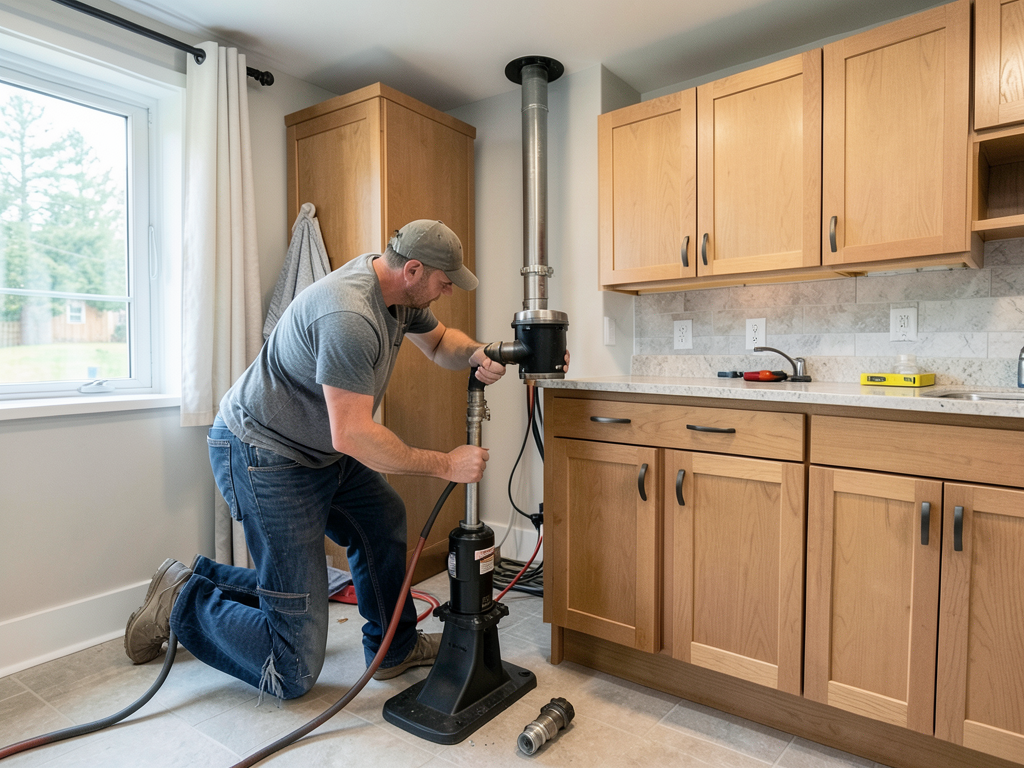
Drainage installation follows a specific sequence. For gravity drains, we cut the slab, excavate to proper depth, install the drain line with appropriate slope (typically 1/4 inch per foot), and pressure test the system before backfilling. For ejector pump systems, we install the basin, connect discharge and vent lines, and ensure proper electrical connections with GFCI protection.
Supply line installation uses PEX piping for its flexibility and freeze resistance, especially important in basements where temperature fluctuations occur. We typically run hot and cold supply lines in separate sleeves to prevent heat transfer and ensure proper water temperature at your fixtures.
Fixture installation and testing complete the rough-in phase. We pressure test all supply lines, flow test drain systems, and verify that all venting and backflow prevention devices function correctly. This testing phase identifies any issues before walls are closed and finishes are applied.
– Photo series showing professional wet bar rough-in process: concrete slab cutting, PVC drain pipe installation, PEX supply line routing, and final fixture connections in an Atlanta basement.
Estimated Costs for Basement Wet Bar Plumbing in Atlanta
Understanding the cost factors for basement wet bar plumbing helps you budget accurately for your Virginia-Highland renovation. Basic gravity drainage through an existing accessible point typically costs $2,500 to $4,500, including permits and basic fixtures. This assumes favorable conditions where the main sewer line is accessible without extensive demolition.
Sewage ejector pump systems represent the most common solution for Virginia-Highland basements and typically cost $4,000 to $7,000 installed. This includes the pump basin, discharge piping, electrical work, and all necessary permits. Premium systems with larger capacity or additional features can cost up to $9,000.
Macerating systems offer the lowest initial cost at $2,000 to $3,500 installed, but have limitations for heavy use. These systems work well for occasional entertaining but may struggle with frequent use or larger gatherings. Replacement costs tend to be higher over time due to more frequent maintenance needs.
Additional costs often catch homeowners by surprise. Concrete cutting typically adds $500 to $1,500 depending on thickness and reinforcement. Backflow prevention devices cost $300 to $600. Permit fees range from $200 to $500 depending on your jurisdiction. These costs should be factored into your total budget from the start.
Premium fixture selections can significantly increase costs. Commercial-grade bar faucets, instant hot water dispensers, and filtered water systems add $500 to $2,000 to your plumbing budget. While these features enhance functionality, they should be selected based on your actual entertaining needs rather than perceived luxury.
Long-term maintenance costs vary by system type. Gravity drains require minimal maintenance beyond occasional cleaning. Ejector pumps need annual inspections and may require parts replacement every 5-7 years. Macerating systems often need more frequent service, with some components requiring replacement every 2-3 years.
Why Hire a Licensed Atlanta Plumber for Your Remodel
Virginia-Highland’s historic character means many basement renovations involve working around original plumbing and electrical systems installed decades ago. Licensed plumbers understand how to navigate these challenges while preserving your home’s structural integrity. They also know local building inspectors and understand what they look for during final inspections.
Insurance and liability protection matter more than many homeowners realize. Licensed plumbers carry liability insurance that protects you if something goes wrong during installation. They also provide warranties on their workmanship, giving you recourse if problems develop after completion. Unlicensed contractors typically offer neither protection.
Code compliance expertise prevents costly mistakes. What looks like a simple drain connection to an untrained eye might violate multiple code requirements regarding venting, trap sizing, or backflow prevention. Licensed plumbers know these requirements and design systems that pass inspection the first time, avoiding expensive rework.
Problem-solving experience proves invaluable when unexpected issues arise. During demolition, you might discover cast iron pipes in poor condition, unexpected utility lines, or soil conditions that complicate drainage. Experienced plumbers have seen these situations before and know how to adapt plans while maintaining budget and schedule.
Permit coordination saves you time and frustration. The permit process involves detailed plans, multiple inspections, and coordination with various agencies. Professional plumbers handle this process daily and know how to navigate requirements efficiently. They also understand which inspections must occur in what order to keep your project moving forward.
Quality workmanship shows in the details. Licensed plumbers use proper support methods for pipes, install cleanouts in accessible locations, and ensure all connections meet manufacturer specifications. These details might seem minor but prevent problems that could damage your new wet bar or surrounding areas months or years later.
Call (770) 610-5522 today to schedule your basement wet bar plumbing consultation. Our Virginia-Highland specialists will evaluate your space, explain your options, and provide a detailed proposal that ensures your new entertainment space works perfectly for years to come.
Frequently Asked Questions
Do I need a permit for a basement wet bar in Virginia-Highland?
Yes, Fulton County requires permits for all basement plumbing work, including wet bars. The permit process ensures your installation meets Georgia plumbing codes and includes required inspections. Working without permits can result in fines and complications when selling your home.
How long does basement wet bar plumbing installation take?
Most installations take 2-4 days for the rough-in work, plus additional time for inspections and finishing. The total timeline from start to finish typically ranges from 2-3 weeks when including permit acquisition and inspection scheduling.
Can I install a wet bar in my basement without breaking the concrete slab?
Yes, using a sewage ejector pump or macerating system allows installation without slab demolition. These systems pump waste upward to connect with existing plumbing, though they cost more upfront than gravity drainage and require electrical power near the installation location.
What’s the difference between a sewage ejector pump and a macerating system?
Sewage ejector pumps move waste using powerful impellers without grinding it, making them ideal for heavy use and longer discharge runs. Macerating systems grind waste into slurry for easier pumping through smaller pipes but work better for occasional use and have more frequent maintenance needs.
How much does it cost to add plumbing for a basement wet bar in Atlanta?
Costs range from $2,000 to $7,000 depending on the drainage method, fixture selection, and site conditions. Gravity drainage through accessible points costs less, while ejector pump systems with new electrical work cost more but offer greater flexibility in placement.