
Everything You Should Know About Water Heater Expansion Tanks in Collier Hills
When water heats up inside your tank it expands and needs somewhere to go. Without an expansion tank that extra pressure builds in your pipes and can cause leaks or damage. In Collier Hills where many homes have closed-loop plumbing systems a properly sized expansion tank is not just smart it is required by Georgia plumbing code to protect your entire system. Georgia State Minimum Standard Plumbing Code.
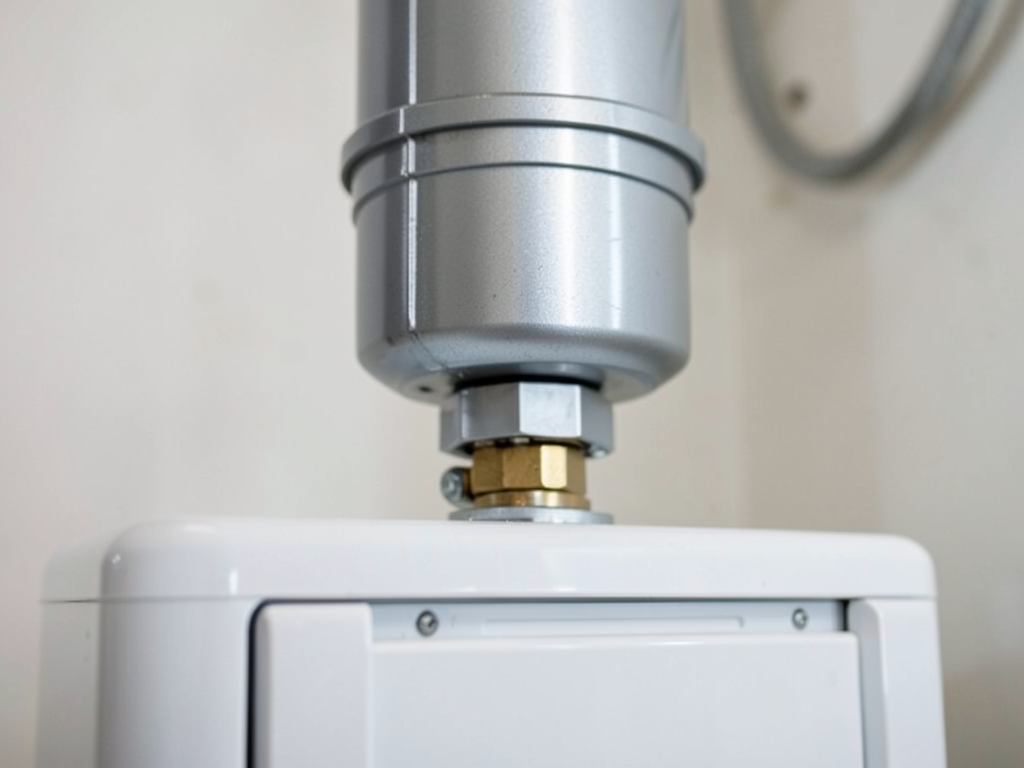
Water heater expansion tanks look like small metal cylinders mounted above or beside your water heater. They contain a rubber bladder that separates air from water. When water expands from heating the bladder compresses allowing the extra volume to enter the tank instead of pushing back on your pipes. This simple device prevents pressure spikes that can damage fixtures valves and even your water heater itself.
In Atlanta most municipal water systems are considered closed-loop. That means a one-way check valve or pressure reducing valve prevents water from flowing back into the city supply. When your water heater heats water in a closed system there is nowhere for the expanding water to go without an expansion tank. That trapped pressure can cause your temperature and pressure relief valve to drip constantly or worse lead to a burst pipe. Atlanta Department of Watershed Management.
Georgia State Minimum Standard Plumbing Code requires expansion tanks on all new or replacement water heaters in closed-loop systems. The code follows International Plumbing Code guidelines which mandate thermal expansion control when a backflow preventer is present. In Collier Hills many homes built after the 1990s have pressure reducing valves installed which automatically classifies the system as closed and triggers the expansion tank requirement. Plumbing Decatur.
Common signs your expansion tank needs attention include a constantly dripping T&P valve on your water heater. That valve is designed as a safety relief not a pressure management system. If it is leaking the expansion tank may be waterlogged or failed. Another sign is fluctuating water pressure when fixtures are used. You can also tap the side of the tank with a wrench. A healthy tank sounds hollow. A failed tank sounds solid because the bladder has lost air pressure.
Expansion tanks come in different sizes typically two or five gallons for residential use. The correct size depends on your water heater capacity and incoming water pressure. Tanks are pre-charged with air usually between forty and sixty PSI to match your home’s water pressure. If the pre-charge is too low or too high the tank cannot properly absorb expansion. A professional plumber uses a tire gauge to check and adjust this pressure during installation.
Replacing an expansion tank usually takes less than an hour. The old tank is shut off and drained then unscrewed from its mounting. The new tank is pre-charged to the correct PSI then installed and connected to the cold water line. The entire process costs significantly less than repairing water damage from a burst pipe or replacing a water heater ruined by excess pressure. Who to Call for an Emergency Pipe Burst in Buckhead.
In Collier Hills many homes near Northside Parkway and Collier Road were built in the 1960s and 1970s. Those older systems often lack expansion tanks because they predate modern code requirements. If your home has a pressure reducing valve but no expansion tank you are operating with a ticking time bomb. The valve protects the city supply but creates a closed system that needs expansion protection.
Atlanta’s water pressure can fluctuate throughout the day especially during high demand hours. Those pressure swings put extra stress on plumbing components. An expansion tank acts as a shock absorber smoothing out those spikes. Without it your T&P valve works overtime and wears out faster. That constant dripping is not just annoying it wastes water and can lead to mineral buildup and corrosion. Plumbing Roswell.
Water heater manufacturers often void warranties if the unit fails due to thermal expansion damage and no expansion tank was installed. That means a simple code compliance item can save you from paying for a new water heater out of pocket. In a closed system the expansion tank is not optional it is part of the complete protection package.
Testing your expansion tank is simple. Turn off the cold water supply to the water heater and open a hot water faucet to relieve pressure. Then use a tire pressure gauge on the air valve at the top of the tank. The reading should match your home’s water pressure. If it reads zero or is significantly off the tank needs service. This test takes five minutes and can prevent major damage.
Expansion tanks typically last five to ten years depending on water quality and pressure cycles. Hard water with high mineral content can corrode the tank from the inside. If you notice rusty water from hot taps or see corrosion on the tank surface replacement is due. A failed tank can collapse internally causing a sudden pressure surge when the water heater next cycles on.
In Collier Hills many homes are part of the Atlanta Department of Watershed Management system which maintains high water pressure to serve the hilly terrain. That higher pressure makes expansion tanks even more critical. A two-story home near Tanyard Creek Park might see pressure readings of eighty PSI or more without a pressure reducing valve. In those cases a properly sized expansion tank is essential for system longevity.
Professional installation ensures the tank is mounted vertically with proper strapping to prevent movement. The tank must be installed on the cold water line between the check valve and the water heater. Incorrect placement renders the device ineffective. A licensed plumber also verifies that the T&P valve on the water heater is the correct temperature and pressure rating for your specific unit.
If you hear banging in your pipes when the water heater fires up that is often water hammer caused by sudden pressure changes. An expansion tank can help reduce that noise by providing a cushion for the expanding water. While not a cure for all water hammer issues it is one piece of the puzzle in a quiet plumbing system. Plumbing Kennesaw.
Call (770) 610-5522 today to schedule your inspection. A quick check can confirm whether your system needs an expansion tank and prevent costly damage down the road. Do not wait for the drip to become a flood.
Frequently Asked Questions
Do I really need an expansion tank if my water heater is new?
Yes if your home has a closed-loop system which includes most homes with a pressure reducing valve or check valve. Georgia code requires it for new installations to prevent thermal expansion damage.
How can I tell if my expansion tank has failed?
Tap the side with a wrench. A healthy tank sounds hollow. A failed tank sounds solid. Also check for constant T&P valve dripping or use a tire gauge to test the air pressure charge.
What happens if I do not install an expansion tank?
Excess pressure can cause your T&P valve to leak constantly damage fixtures and void your water heater warranty. In severe cases it can lead to burst pipes or a leaking water heater tank.
You may also find this helpful. How to Extend the Life of Your Powder Springs Water Heater Using an Anode Rod.