
What to Do When Your Tucker Sewage Ejector Pump Stops Working
Your Tucker basement just turned into a disaster zone. The high water alarm is blaring, there’s a foul odor rising from the floor drain, and you’re staring at what could be thousands of dollars in damage. Sewage ejector pumps fail without warning, and when they do, every minute counts. This guide shows you exactly what’s happening, what to check immediately, and when to call for emergency help before your home becomes uninhabitable. What to Do When Your Marietta Basement Starts Flooding.
The most common trigger is a failed float switch that can’t detect rising sewage levels. When that happens, waste has nowhere to go and backs up into your basement through the lowest fixtures. Another frequent culprit is a clogged impeller that burns out the motor trying to push through debris. Power outages during summer storms can also knock out your system, leaving you vulnerable until electricity returns.
Warning Signs Your Tucker Home’s Sewage Pump Needs Immediate Repair
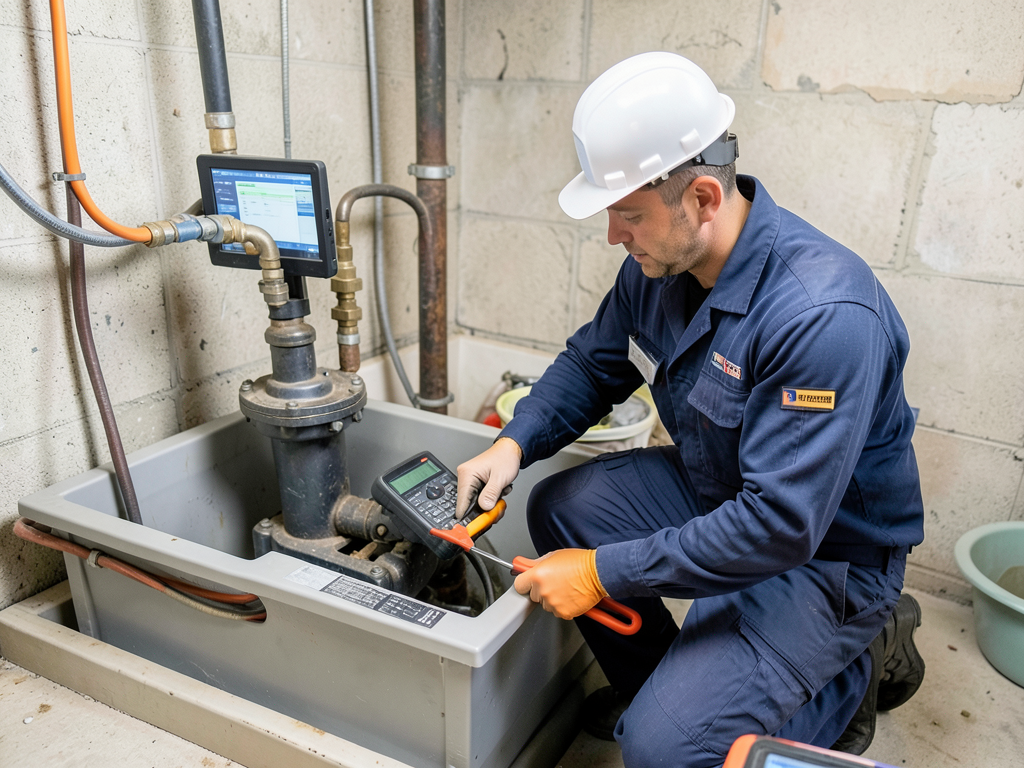
Raw sewage doesn’t give you many warnings before disaster strikes. The first sign is usually a distinct rotten egg smell coming from basement drains or floor fixtures. This indicates waste is backing up and sitting in pipes instead of flowing to the main sewer line. How to Deal with Main Sewer Line Clogs in Your Decatur Bungalow.
The high water alarm is your ejector pump’s emergency signal. When sewage reaches critical levels in the basin, this alarm sounds like a smoke detector. Don’t ignore it. If you hear constant clicking from the pump area without the pump running, the float switch is likely stuck or the motor has failed completely. Who to Call for an Emergency Pipe Burst in Buckhead.
Gurgling sounds from toilets and drains when you flush indicate the system is struggling to push waste uphill to the sewer main. This often means the check valve is failing or the discharge line is partially blocked. Slow drainage throughout basement fixtures suggests the pump is working but can’t keep up with demand.
Common Causes of Ejector Pump Failure in Tucker Basements
Tucker’s combination of older homes and Georgia’s clay soil creates unique challenges for sewage ejector systems. Many homes in the Smoke Rise and Northlake areas were built in the 1970s and 80s with original equipment that’s now reaching the end of its service life.
Float switch malfunctions are the leading cause of pump failure. These switches get stuck in the “off” position due to debris buildup or simply wear out after years of use. When the float can’t rise with sewage levels, the pump never activates, and waste backs up into your home.
Clogged impellers from flushing inappropriate items cause motors to burn out. Baby wipes, feminine products, and paper towels don’t break down like toilet paper. They tangle in the impeller blades, forcing the motor to work harder until it fails completely. The Georgia Plumbing Code (O.C.G.A. § 43-12-1) requires proper venting for all sewage ejector systems, but many older installations don’t meet current standards. Plumbing Decatur.
Power supply issues during summer thunderstorms leave pumps dead when you need them most. Tucker experiences frequent afternoon storms from June through September that can knock out electricity for hours. Without battery backup or a generator, your ejector pump sits idle while sewage accumulates.
Sewage Ejector vs. Sump Pump: Knowing the Difference

Many Tucker homeowners confuse these two critical systems, but they serve completely different purposes. A sump pump removes clean groundwater from your basement to prevent flooding. It handles rainwater, not waste. A sewage ejector pump moves raw sewage from basement bathrooms, laundry rooms, and floor drains up to the main sewer line. The Best Way to Handle a Gas Line Leak in Smyrna.
Sump pumps have a simple design with a single float switch and no need for venting. They discharge through a 1.5-inch PVC pipe. Sewage ejector pumps require a sealed basin, proper venting to prevent gas buildup, and a 2-inch discharge line minimum. They also need a check valve to prevent backflow.
The key diagnostic difference: if waste is backing up from basement fixtures, you have an ejector pump problem. If clean water is pooling on your basement floor after rain, your sump pump has failed. Many Tucker homes have both systems, especially in areas like Henderson Park where the water table is higher.
Immediate Steps When Your Ejector Pump Fails
Time is critical when sewage backs up. Every minute of delay increases contamination and repair costs. Here’s what to do immediately: EPA sewage system guidelines.
- Stop Using Water
Don’t flush toilets, run sinks, or use washing machines. Any water you add flows directly to the backed-up ejector basin.
- Locate the High Water Alarm
Find the alarm box near the pump basin. Note if it’s solid or flashing. This helps technicians diagnose the problem faster.
- Check the Circuit Breaker
Go to your electrical panel and verify the ejector pump breaker hasn’t tripped. If it has, reset it once. If it trips again, there’s an electrical fault.
- Inspect the Float Switch
Carefully lift the basin lid and check if the float moves freely. If it’s stuck, try gently freeing it. Never reach into sewage.
- Call for Emergency Service
Sewage emergencies require immediate professional response. The longer waste sits, the worse the contamination becomes.
Don’t attempt major repairs yourself. Sewage contains harmful bacteria including E. coli, hepatitis, and other pathogens. Professional technicians wear protective equipment and follow EPA guidelines for contamination cleanup. The EPA’s guidelines for sewage cleanup require specific disinfection procedures that homeowners typically don’t have access to.
Transparent Pricing and Repair Process
Emergency sewage pump repair pricing depends on the specific failure. A simple float switch replacement typically costs between $250-400. Complete pump replacement ranges from $800-1,500 depending on the unit size and installation complexity. Emergency service calls within Tucker city limits start at $125 for the diagnostic visit.
The repair process begins with a thorough diagnostic to identify the exact failure point. Technicians test electrical components, inspect the discharge line, and check for proper venting. If the pump is repairable, we’ll provide options for parts replacement versus full unit replacement. Most repairs can be completed the same day if parts are available locally.
We service all major brands including Zoeller, Liberty Pumps, and Little Giant. Each brand has different failure patterns. Zoeller pumps, common in Tucker’s older neighborhoods, often need capacitor replacement after 8-10 years. Liberty Pumps typically fail due to float switch issues. Little Giant units frequently experience bearing failure in the motor.
Serving All Tucker Neighborhoods
We provide 24/7 emergency sewage ejector pump repair throughout Tucker and surrounding DeKalb County areas. Our service area includes Northlake, Smoke Rise, Tucker Heights, and all neighborhoods along Lawrenceville Highway. We’re familiar with the specific plumbing challenges in each area, from the older homes near Main Street to the newer developments around Henderson Park.
Tucker’s location near the I-285 perimeter means we can reach most homes within 30 minutes of your call. Our technicians carry common replacement parts on their trucks, allowing us to complete most repairs in a single visit. We understand that sewage backups don’t wait for business hours, which is why we maintain 24/7 emergency dispatch.
Local building codes require permits for ejector pump replacement, and we handle all permitting through DeKalb County. This ensures your new installation meets current Georgia Plumbing Code requirements and passes inspection. We also provide documentation for insurance claims if the failure has caused property damage.
Preventing Future Ejector Pump Failures
Annual maintenance can prevent most sewage ejector pump failures. The most important step is having your system inspected once per year, typically in late spring before summer storm season. During inspection, technicians check float switch operation, test the high water alarm, and inspect the discharge line for blockages.
Never flush anything except human waste and toilet paper. Items like “flushable” wipes, paper towels, and feminine products cause the majority of impeller clogs. Even products labeled “flushable” don’t break down quickly enough for pump systems. Install a simple strainer over your floor drain to catch debris before it enters the system.
Consider installing a battery backup system if you experience frequent power outages. These systems automatically activate when utility power fails, giving you 8-12 hours of continued operation. For Tucker homes in areas prone to summer storms, this small investment can prevent major sewage disasters.
Health Risks of Raw Sewage Exposure
Raw sewage contains dangerous pathogens that can cause serious illness within hours of exposure. The CDC identifies several major health risks from sewage contamination including gastroenteritis, hepatitis A, and skin infections. Children, elderly individuals, and those with compromised immune systems face the highest risk. CDC information on sewage-related diseases.
Don’t attempt to clean up sewage yourself. Professional remediation requires EPA-registered disinfectants and specific procedures for containing contamination. Sewage can seep into flooring, drywall, and insulation, creating hidden health hazards that persist long after visible cleanup. Professional testing ensures all contamination is properly addressed.
The odor itself indicates active bacterial growth. That smell means harmful microorganisms are multiplying in your home. Ventilate the area but stay out of contaminated zones until professionals arrive. We wear full protective equipment including respirators, gloves, and waterproof suits for sewage cleanup.
Frequently Asked Questions
How long can I wait before calling for emergency service?
Don’t wait at all. Sewage backups worsen by the minute. Every hour of delay increases contamination and repair costs. Call immediately when you notice warning signs.
Will my homeowner’s insurance cover sewage pump failure?
Most policies cover sudden pump failure but not gradual wear and tear. Damage to your home from sewage backup is typically covered, but you’ll need professional documentation of the cause and extent of damage.
How can I tell if my ejector pump is the original from when my house was built?
Most sewage ejector pumps last 8-12 years with proper maintenance. If your Tucker home was built before 2010 and hasn’t had the pump replaced, it’s likely original equipment nearing the end of its service life.
What should I do if the power is out but I still have sewage backing up?
This indicates the pump failed before the power outage. Check if the pump has a battery backup. If not, you’ll need to wait for power restoration or have a technician bypass the electrical system temporarily.
Don’t Let Sewage Destroy Your Tucker Home
Sewage ejector pump failure is more than an inconvenience—it’s a health emergency that can destroy your basement and everything in it. The combination of Tucker’s clay soil, summer storms, and aging home infrastructure makes pump failure a when-not-if scenario for many homeowners.
Professional diagnosis and repair can save you thousands in water damage restoration and protect your family from dangerous pathogens. Our technicians understand Tucker’s specific plumbing challenges and arrive equipped to handle any ejector pump emergency.
Call (770) 610-5522 right now if you’re experiencing sewage backup or ejector pump failure. We’ll dispatch a technician immediately to stop the damage and get your system working again. Don’t wait until tomorrow—every minute of delay makes the problem worse and more expensive to fix.
Pick up the phone and call (770) 610-5522 before the next storm hits. Your Tucker home deserves professional protection from sewage disasters.